FROM THE VAULT: How Dickey Betts and The Allman Brothers Overcame Tragedy to Create "Ramblin’ Man
23 min
Listen through the publisher, then discuss the episode here or arrange an in-person Roundtable. Your city determines where to meet.
Roundtables are designed for groups of four, with a shared subject and room for everyone to speak. Come for discussion, with no dating expectation.
FROM THE VAULT: On this day in 1946, legendary rock and blues guitarist Duane Allman was born in Nashville, Tennessee. Alongside his younger brother Gregg, he founded the Allman Brothers Band in 1969, helping pioneer the sound of Southern rock before his life was tragically cut short in a motorcycle accident just two years later. In this classic episode of Professor of Rock, we explore the remarkable story of two brothers who lost their father as toddlers, found their passion for music, and built one of the most influential bands in rock history. Just as the Allman Brothers Band was on the verge of a major breakthrough, tragedy struck with Duane's sudden death. Devastated but determined to carry on, Gregg Allman, Dickey Betts, and their surviving bandmates channeled their grief into the music, eventually creating their biggest pop hit, "Ramblin' Man." It's a powerful story of brotherhood, heartbreak, resilience, and the enduring legacy of a Southern rock legend.
Episode information is provided by the publisher. Listening takes place on the publisher’s service.
U2 has been together for 50 years, which is pretty remarkable considering the same four members have been at the heart of the band since the late 1970s. To celebrate that milestone, we're doing something a little different. Instead of another traditional band biography, we're going to do a series called "50 Short Stories About U2". This episode dives into the first 25 short, fascinating, weird, funny, and sometimes surprising stories from U2's first five decades. From the band's first rehearsal in Larry Mullin's kitchen, the origins of the names Bono and U2, and their earliest record deals, to lost lyric notebooks, album cover secrets, health scares, and behind-the-scenes moments that helped shape one of the world's biggest rock bands.
WATCH THE FULL VIDEO EPISODE @Patreon.com/tapenotes (https://bit.ly/4eENHp3) John is joined by Jorja Smith and producer P2J to talk about how they wrote, recorded and produced the album ‘What Are the Odds’. A keen musician since childhood, Jorja initially drew attention through YouTube. Her breakout 2016 single ‘Blue Lights’ became a UK R&B classic, while support from Drake helped launch her globally. Her independently released, Mercury nominated debut album ‘Lost & Found’ (2018), was a UK top 5 hit. Jorja’s second album ‘flying or falling’ appeared in 2023, alongside collaborations with Stormzy, J Hus and others. Third album ‘What Are The Odds’ was released in August 2026, working with close collaborator P2J. Sitting down at Metropolis Studios, with mixer/engineer Sam Harper controlling the sessions, Jorja and P2J discuss the excitement of making a more dance-oriented record. They talk about being inspired by retro garage sounds and Jorja delves into recording vocals, including her fa
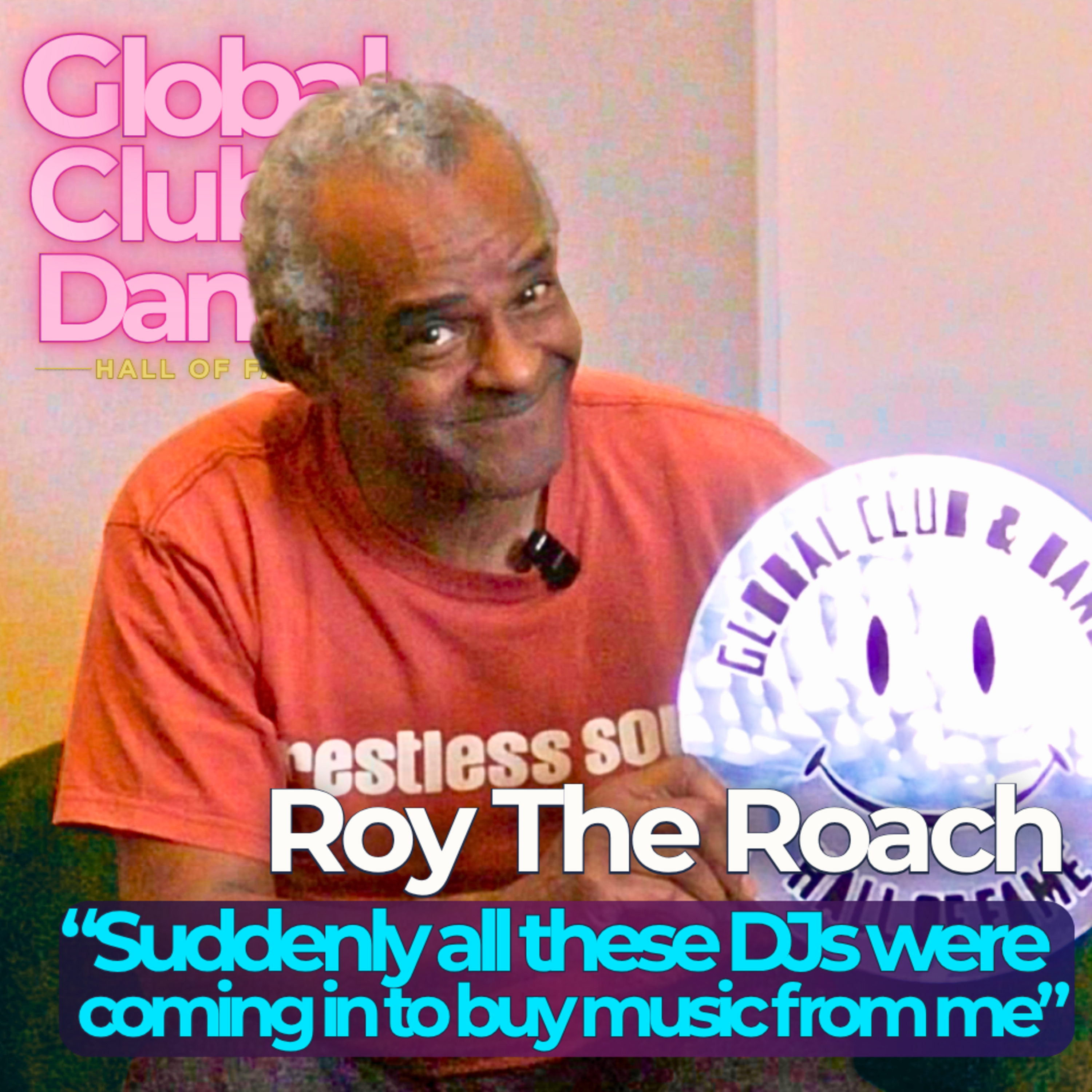
London club culture pioneer and DJ Roy The Roach joins Clara and Big Al on the Global Club & Dance Hall Of Fame to reflect on more than four decades at the heart of Britain's underground dance music scene, from the soul and jazz-funk movement to rare groove, acid house and the explosion of rave culture. Roy recalls his early days as a passionate young clubber, discovering London's vibrant soul scene before unexpectedly finding himself behind the decks at Ronnie Scott's. He shares the story of opening the legendary Quaff Records in the mid-1980s, a tiny record shop that became an essential destination for DJs including Giles Peterson, Jazzie B, Trevor Nelson, Coldcut, Danny Rampling, Paul Oakenfold, Judge Jules and many others, supplying the rare American funk, soul and early house records that helped shape a musical revolution. The conversation explores London's emerging warehouse party culture, the influential Dance Wicked events and the extraordinary community of DJs, promoters and c
In this Beatles lecture series, we examine the music and lyrics of Drive My Car. Beginning with a close reading of the lyrics, we explore the dialogue, word choice, double meanings, and vocal delivery to tell a story and establish character. We then turn to the music, examining how the vocal harmonies, melodic ideas, and instrumental riffs interact with the underlying chord structure. We also compare these techniques with those found in earlier Beatles songs, looking at how familiar musical ideas can be developed and combined to create something new. Instagram: https://www.instagram.com/notebynoteseries Hosted on Acast.
Can artificial intelligence replace the voices of rock’s greatest singers? And if it can, what happens to the musicians who spent decades developing those unmistakable sounds? On this episode of CHRIS AKIN PRESENTS, Chris welcomes Danny Vaughn of TYKETTO for a revealing conversation about the band’s latest release, CLOSER TO THE SUN, the changing music industry, and the growing influence of AI-generated music. Get Tyketto's CLOSER TO THE SUN on Vinyl while supplies last! https://link.amazon/B0c4HJfbA Danny doesn’t hold back when discussing artificial intelligence. From computer-generated singers that sound eerily similar to established rock vocalists to technology that can imitate an artist’s unique phrasing, he raises serious questions about where creativity ends and exploitation begins. Could AI eventually produce new AC/DC albums without AC/DC? And who should profit when technology recreates a musician’s signature sound? But there’s much more to this interview than AI. Danny takes u
This week the Deadpod returns to the Providence Civic Center for the second set of the November 4, 1979 show. Last week's first set had four songs that were only a few months old, and set two opens with one that was brand new. This is the first Alabama Getaway the Dead ever played. It already sounds finished on its first night, and it went on to be a regular rocker through most of the 1980s. Greatest Story Ever Told follows. The band had just brought it back in 1979 after more than four years away, and the two songs were often paired after this. Ship of Fools slows things down before Estimated Prophet leads into He's Gone. Instead of the usual opening, Jerry, Brent and Bobby trade licks on the riff that normally comes near the end of He's Gone, then settle into the song. The jam that follows goes in several directions, with a few sudden bursts of speed, before Space and Drums. The Other One and Wharf Rat carry the late part of the set, and Around and Around and U.S. Blues close the nig
Thank you Zocdoc for sponsoring Today's video. Your health matters and taking care of yourself shouldn't be complicated. Go to https://www.zocdoc.com/professorofrock (https://www.youtube.com/redirect?event=video_description&q=https%3A%2F%2Fwww.zocdoc.com%2Fprofessorofrock&redir_token=QUlxb01IWkVKTDBwR3ZLWkFHTlhkNk1BMXMyYXxBQnJ0NjlsNTY5QW5PVGg3SmRpN3JZbzhtRmlraHRxaGNsZElZQnRuT2xibUdtNUhFQmV4bkJJamdCUVBJbFh3dWNELWtCVm9xQjIzVXdnQ3ZkcnpYbXhnWm01UE5ZYVhIcDJj&v=Js1l7xE1tko) to get started. Coming up… we're going back to 1983 for a unique perspective on a group of songs that deserved better than they got, including a bunch of special guests on the show. Including the story of Sting, who wrote a self-deprecating masterpiece after his girlfriend made fun of him. He turned it into a smash. Plus several controversial songs that became huge hits because, frankly, their double entendres went over censors' heads… Including the only time the naughty word about self-love was ever sung in a hit song, a
I’ve wanted to do this episode for ages. And since I don’t know what the future holds. Today is the day. It’s my 10 picks for the greatest albums of the 70s. These are records that sit at the pinnacle of one of the most creatively explosive decades in rock history. Each one is a game-changer — built by artists who were willing to bet everything on their vision, fight their own labels for control, and even bend the truth to get it done. We’ve got the story of the Ivy League-trained engineer Tom Scholz who secretly recorded his band Boston's debut album in his basement while tricking his label into thinking it was being made in a California studio… and the LP’s biggest song, More Than a Feeling, was inspired by his childhood crush on his own cousin! Then there’s Bruce Springsteen's Born to Run, which I got married to… Also, there’s Tom Petty, who intentionally drove himself into bankruptcy to get out of a terrible contract and even hid his album’s master tapes from his label to keep them
Coming up…We recognize a group of classic hits that didn’t get their due when they were 1st released but are bigger today than the biggest song of that year… I Think We're Alone Now By Tommy James and the Shondells that was under the control of the mafia and barely missed #1, but then, exactly 20 years later, it got to the top spot when Tiffany took it there. Plus the story of Strawberry Fields Forever by the Beatles, it was so Great and so ahead of its time it intimidated legendary Genius Brian Wilson so fiercely he abandoned his iconic album SMILE for 40 years and quit music. Plus the forgotten band The Association... They had 3 of the most-played songs in radio history, including the 2nd biggest song ever with Never My Love, but nobody under 50 remembers them… and finally the great protest song For What It's Worth that came from Buffalo Springfield that nobody realized they were a supergroup until after they broke up… Let’s get into it.
An athlete's recovery should take priority over pressure to return for an important game.
Share your view, then see how readers voted. No sign-in required. This poll is shared across stories.
Do you agree or disagree?
Common Quandary
A Common Quandary to discuss
Another conversation to explore, separate from this news story.
The company allows an $80 dinner. Is ordering the lobster fair game?
During work travel, company policy permits an expensive dinner. A modest option is nearby, but colleagues choose the nicest restaurant because the company can easily afford it and everyone is within the stated limit.
Is following a rule enough when you are spending someone else's money?