Good Culture: How Jesse Merrill Made Cottage Cheese Cool
79 min
Listen through the publisher, then discuss the episode here or arrange an in-person Roundtable. Your city determines where to meet.
Roundtables are designed for groups of four, with a shared subject and room for everyone to speak. Come for discussion, with no dating expectation.
Jesse Merrill wanted to make movies. Instead, he made cottage cheese cool—and built a business with more than $200 million in annual sales. Jesse got his start fetching coffee on the set of Jackass and handing out product samples for extra cash. After helping build Moby’s tea brand and grow Honest Tea, he teamed up with cofounder Anders Eisner to reinvent cottage cheese. But Good Culture got off to a rocky start. The first batch came out soupy. Shoppers mistook it for yogurt. And Jesse had just 30 days to sell his inventory at Whole Foods or risk paying for what didn't sell. Then a cottage cheese ice cream recipe went viral on TikTok, introducing millions of people to a food they'd long overlooked. What You’ll Learn How Jesse's early marketing gigs prepared him to build a consumer brand Why he bet on a category with aging customers and declining sales How Good Culture's early packaging confused shoppers How Jesse tackled a manufacturing crisis as demand soared What he looked for in an investment partner to help Good Culture scale Production Credits Follow How I Built This: YouTube →@HowIBuiltThis (https://www.youtube.com/@HowIBuiltThis) X →@HowIBuiltThis (https://x.com/howibuiltthis) Follow Guy Raz: Instagram →@guy.raz (https://www.instagram.com/guy.raz/) X →@guyraz (https://x.com/guyraz) Substack →guyraz.substack.com (https://guyraz.substack.com/) Website →guyraz.com (https://guyraz.com/)
Episode information is provided by the publisher. Listening takes place on the publisher’s service.
Welcome to Impact Theory. In today’s episode, the team tackles three big stories. First, they react to Jubilee’s viral debate pitting Shark Tank’s Kevin O’Leary against a group of Gen Z workers over whether anyone in America can still become wealthy through hard work. Tom calls it the K-shaped economy personified and says the young debaters are sharp, but argues the path forward is still getting so good you can’t be stopped: managing up, interviewing well, and being willing to move. He acknowledges the game has gotten harder, blaming inflation, NIMBYism, and offshoring, and pushes back on rent control and top-down fixes. The conversation then turns to a debater’s call for profit-sharing at companies like Starbucks, and a sharp debate over what actually gives workers leverage, from changing jobs to unions. Next, the team dives into the online clash between Elon Musk and anti-monopoly writer Matt Stoller, who argued that Musk isn’t a genius but simply someone who can raise capital from W
You've gotten very good at pretending you don't feel it. Uploaded 21-08-26 Maybe it's a conversation with someone you love. Someone you work for. A partner, a parent, a friend who's been quietly taking more than they give. Or the hardest one of all — a conversation with yourself, the one where you finally admit something you've refused to say out loud for years. You know exactly which one I'm talking about. You felt it the moment I said the word. A name came up, or a face, and your stomach did something small and unpleasant, and you pushed it back down where it's been living. That flinch is the most honest thing that's happened to you all day. Here is the truth: the life you say you want — the freedom, the peace, the relationship, the income, the respect — there's a very good chance it's on the other side of one conversation you keep refusing to have. Not ten. One. This seminar unpacks the single mechanic behind a stuck life: the necessary conversation you keep treating like a locked d
Donald Miller is a storytelling expert, founder of StoryBrand, CEO of Business Made Simple, author and speaker – and he’ll share with you the two most essential aspects of communication in times of crisis. Uploaded 22-04-20 Communication is a trait of great leaders, and in times of uncertainty, it becomes more important than ever. From Nelson Mandela inspiring a revolution during dark times to Indra Nooyi’s famously “straight-shooting” style when she took over Pepsi Co. with uncertain prospects, effective crisis leadership depends on the ability to communicate. Learn more about how you can develop your crisis leadership skills at https://www.tonyrobbins.com/career-business/crisis-leadership-skills. Communication in times of crisis is more than talking. Anyone can talk – leaders know that communication isn’t about talking, but about reassurance, demonstrating confidence and articulating a plan of action. There’s a reason that during times of stress, the president holds a press conferenc
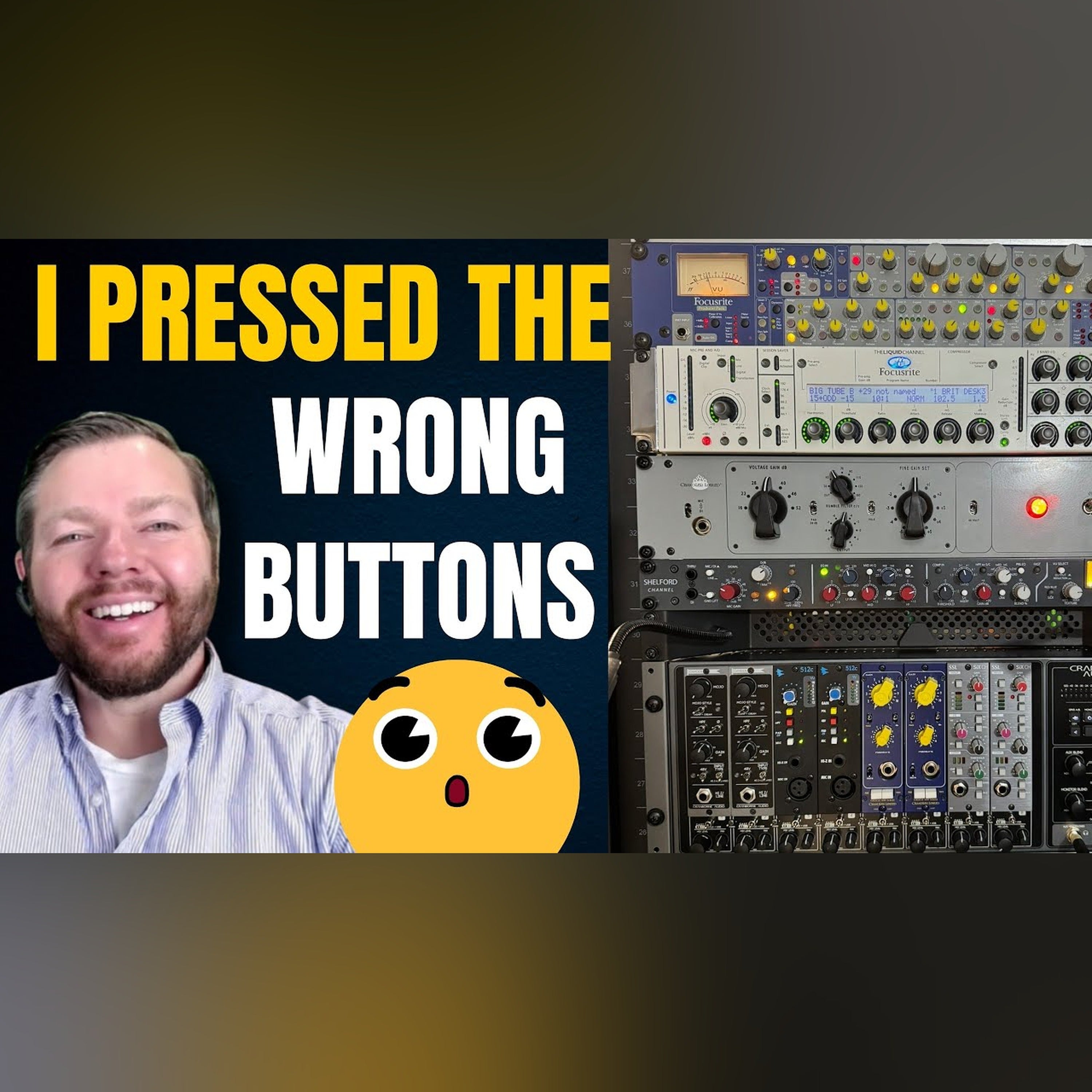
In this video, Disability Attorney Walter Hnot shows off the Whisper Room, and his first attempt at a recorded singer setup. Things don't go to plan, but thankfully the singer was super cool while wiring issues were fixed. Like the content? Review us here: https://g.page/r/CcwyektC7nCPEAg/review . If the link does not work, Google: Disability Resolution, P.A. WANT A CLASS ACTION COLA FRAUD LAWSUIT? Sign the petition here: https://chng.it/bvLmbpWrrY Welcome to the largest Social Security Disability Tutorial Video Library On Earth. PRIVATE ONE HOUR PHONE CALL THIS IS HOW YOU CAN GIVE BACK TO HELP GROW THE CAUSE: Option 1: Leave 5 |==================5 STAR REVIEWS==================| Google (Search Disability Resolution Orlando, FL)- https://www.google.com/search?authuse... (https://www.google.com/search?authuse...=) AVVO (Search Walter Hnot) - https://www.avvo.com/attorneys/32817-... BBB (Search Disability Resolution Orlando, FL)- https://www.bbb.org/us/fl/orlando/pro... MARTINDALE (Searc
You say you are afraid the next step will fail. Picture it working for a moment. Are the responsibilities that follow part of what makes you hesitate? In this episode of The Level Up Podcast, Paul Alex breaks down how to identify concerns about success and prepare for the next responsibility without carrying every imagined future demand. An opportunity can bring expectations about delivery, time, and being seen. Naming the specific concern gives you something to prepare for instead of turning hesitation into a judgment about your character. Look at what the actual next step requires. You may be able to define what you can deliver, limit the time it occupies, or learn a missing skill. The first opportunity does not obligate you to accept every opportunity afterward. Responsibility can grow alongside your ability to handle it. In this episode, you’ll learn: • How to notice when a good outcome brings concerns of its own. • Why a specific responsibility is easier to prepare for than a vagu
How to kill your current self My private network for entrepreneurs ⚜ - http://newelite.pro/search-for-freedomJoin the Icon Blueprint personal brand academy waitlist - https://t.me/+AwtcD_v7V4xiNGE1My instagram - https://www.instagram.com/jackhopfitness?igsh=aGhqMm1iNHg2eXg5&utm_source=qre Episodes created by entrepreneur and masculinity ace Jack Hopkins for his youtube channel, this podcast is dedicated to helping men rediscover their inner strength and confidence in a society that often promotes feminine values over masculine ones.Follow the podcast for valuable insights, inspiring stories, and practical advice on how to embrace your masculinity, build your confidence, and achieve your goals. Whether you're looking to improve your relationships, advance your entrepreneurial career, or simply feel more confident and capable, Jack has valuable insights that can help you achieve your goals.So, if you're ready to reclaim your masculinity and awaken the beast that lives inside you, follow
Guy shares what’s next for How I Built This, including a brand-new YouTube channel and a bigger weekly lineup ahead: Rest of 2026: A new episode every Monday (in audio and video) and an archive favorite every Thursday. Starting January: Three episodes a week: two new founder interviews (in audio and video) plus never-before-seen video versions of classic episodes on Fridays. Listen wherever you get your podcasts, or subscribe to our all-new YouTube channel: https://www.youtube.com/@howibuiltthis
In the early 1980s, Ron Shaich took over Au Bon Pain, a struggling group of Boston bakeries, and helped grow it into a national chain with 250 locations. But Ron saw an even bigger opportunity in a small bakery chain in St. Louis. So he made a remarkable gamble: he sold Au Bon Pain to focus entirely on what would become Panera Bread. That bet helped transform the way Americans eat—and turned Panera into a multibillion-dollar business. What You’ll Learn How customers asking for sliced baguettes helped Ron discover a bigger business in sandwiches What he saw in a 19-store bakery chain with surprisingly low real estate costs Why Ron sold Au Bon Pain after building it into a national chain to concentrate on Panera How Panera used falling real estate and construction costs to expand during the Great Recession Why Ron believed staying on Wall Street could threaten the long-term bets that made Panera successful Production Credits Follow How I Built This: YouTube →@HowIBuiltThis (https://www.y
Jack Haldrup didn’t set out to build a billion-dollar company. He just wanted a way out of consulting and a bar of soap he actually liked. After developing psoriasis, Jack started paying closer attention to the products he used on his skin. A chance purchase at a farmers market introduced him to handmade soap and sparked a business idea. With just $1,500, he launched an online soap company, shipping orders from his closet. Eventually, his mom took over fulfillment from his childhood bedroom. But growing the company meant navigating a trademark dispute, a painful split with a lifelong friend and business partner, and rising expenses that forced Jack to cut staff and rethink the business. Then, in 2018, a video ad made on a small budget went viral and transformed Dr. Squatch into a rocket ship. By 2020, annual sales had reached $113 million, and Unilever acquired the company in 2025 in a deal reportedly worth $1.5 billion. In this episode, Jack explains why spending most of his remaining
Moving a contested monument to a museum can be better than leaving it unchanged or destroying it.
Share your view, then see how readers voted. No sign-in required. This poll is shared across stories.
Do you agree or disagree?
Common Quandary
A Common Quandary to discuss
Another conversation to explore, separate from this news story.
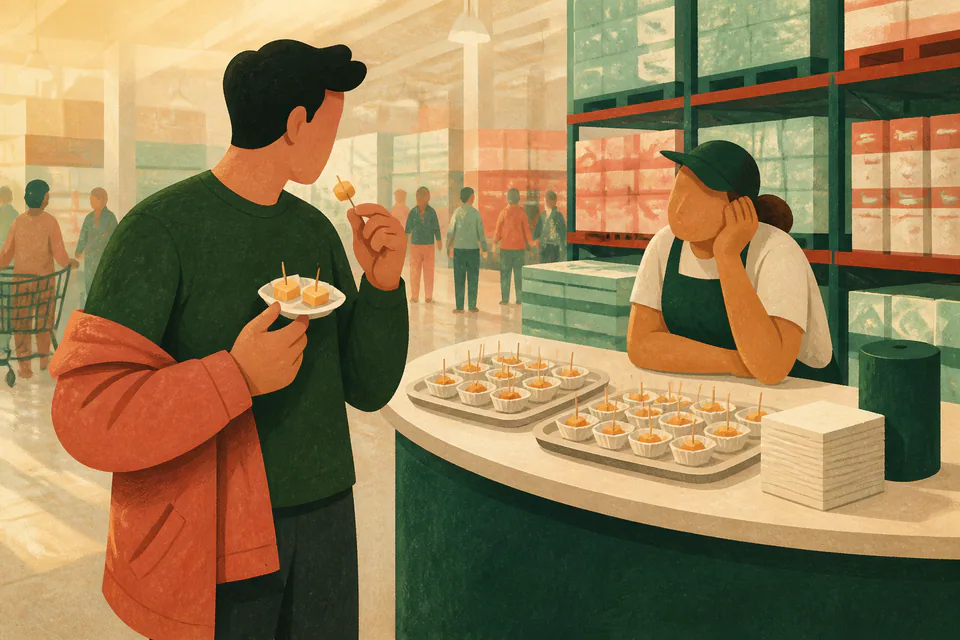
You love the free sample but will never buy it. How many times may you circle back?
A warehouse store is offering delicious samples. You have no intention of purchasing the product, but the employee seems bored and has trays to spare. After taking two, you consider removing your jacket and returning for a third.
Is exploiting generosity wrong when the giver appears not to care?