Listen through the publisher, then discuss the episode here or arrange an in-person Roundtable. Your city determines where to meet.
Roundtables are designed for groups of four, with a shared subject and room for everyone to speak. Come for discussion, with no dating expectation.
As you wrestle with life's unfairness, remember that God sees every injustice and every hidden pain. In tonight's Our Daily Bread Evening Meditation, reflecting on the book of Obadiah, we'll find hope in the God who is both our compassionate comforter and the righteous Judge who will one day make all things right. Tonight's meditation is read by Andrew. Meet the team at odb.org/meet-the-team.
Episode information is provided by the publisher. Listening takes place on the publisher’s service.
Happy Regular Guy Friday! We fooled them again and somehow made it through another week! This week, we're hauling furniture, dodging birthday cakes, revisiting old memories, and asking one very important question: Why can't we just make things fun? We talk birthdays and why sometimes a vanilla cake and a fork beat a celebrity-filled bash. We talk moving, downsizing, and how getting rid of years of accumulated stuff can make life feel a whole lot lighter. We talk anxiety, the need for control, and how music, laughter, and the right attitude can turn an overwhelming job into a good time. We revisit Blue Collar versus Blue Blood, old family stories, and why the memories we hold onto aren't always the whole story. We talk letting go of old resentments, appreciating the intentions behind difficult decisions, and helping our parents navigate life's later chapters with dignity and love. Plus, Hulk Hogan, Corey Feldman karaoke, Mercedes Moné's big moment with Team USA women's wrestling, and wh
Hey Carpool Crew! You've asked God for the same thing every night since October, and this morning it looks exactly the same. Today we read Luke 18:1, hear about a woman who kept knocking on a judge's door, and learn one sentence you can say out loud tonight. About 5 minutes, made for the car. Today's One Thing: Keep asking. Do not quit early. Scripture: Luke 18:1 (CSB) SAVE A SEAT FOR THE NEXT FAMILY Carpooling with Jesus is a nonprofit. Give here: https://carpoolingwithjesus.com/give FOR YOUR KIDS Book a Shout Out (https://carpoolingwithjesus.com/shoutout) CARPOOLING WITH JESUS+ Everything is on our website (https://carpoolingwithjesus.com/) FOLLOW ALONG • Instagram (https://bit.ly/carpooling-insta) • TikTok (https://www.tiktok.com/@carpoolingwithjesus) • YouTube (https://bit.ly/YoutubeCPWJ) • Facebook Group (https://bit.ly/CPWJFB) Download the ROAD TRIP game (https://apple.co/4xFb21N) ABOUT THE SHOW
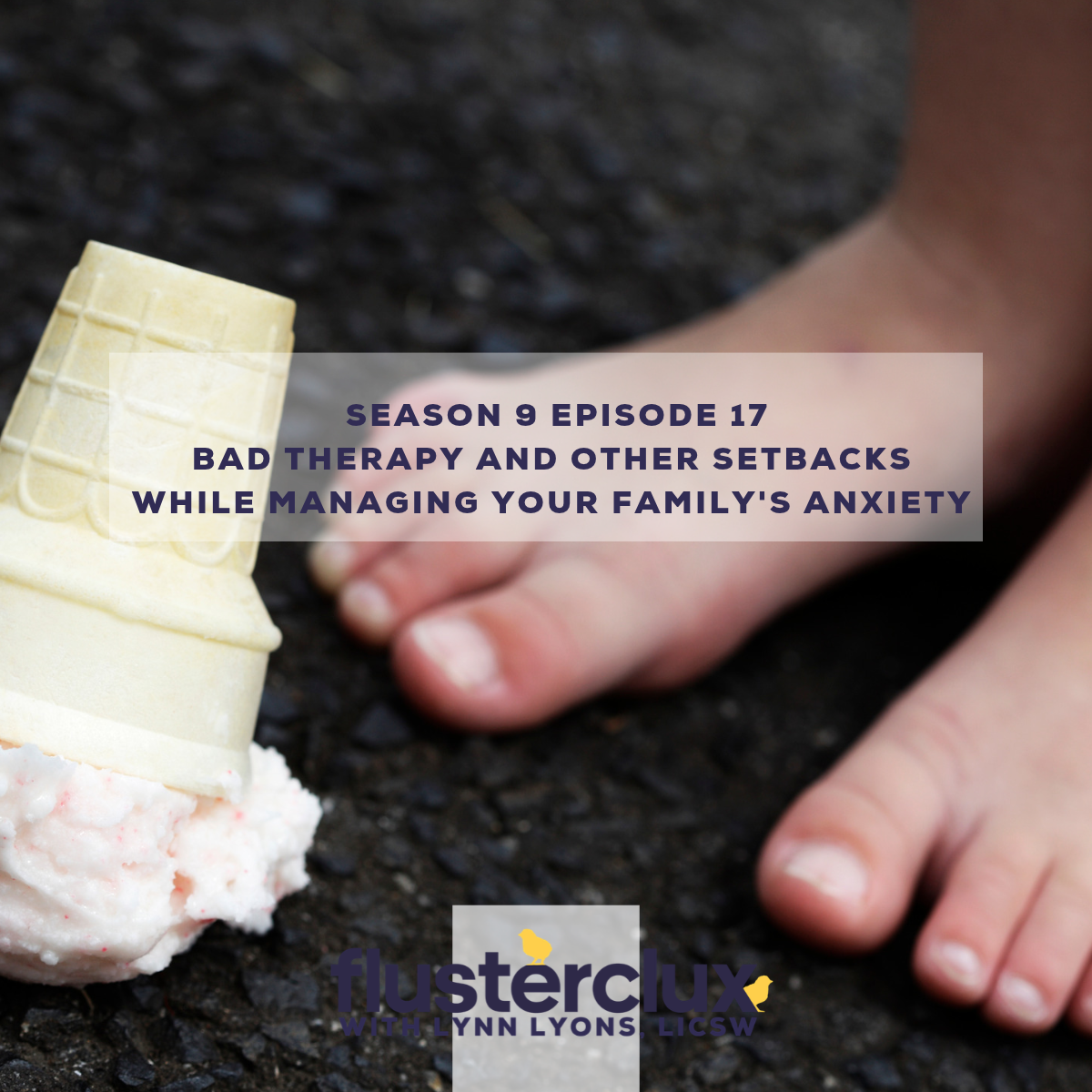
Helping your child navigate anxiety is a marathon not a sprint, with consistency and skill building essential. In this episode, Lynn and Robin go over the three things that derail the process: bad therapy, not expecting setbacks, and going down the wrong rabbit holes. WE'VE MADE PLAYLISTS OF OUR EPISODES TO HELP YOU FIND RESOURCES ON SPECIFIC TOPICS. Here is our first: For those brand new to the podcast, we suggest starting with this playlist featuring Lynn Lyons and the 7-part anxiety disruptor series as well as a 3-part series on the skills most helpful in managing anxious kids: flexibility, problem solving, and autonomy. Consult our Spotify profile (https://open.spotify.com/user/bqa0bme77all6vj4e3h1etcmn) for the most up-to-date selection. We will select two listeners who complete our listener survey (https://forms.gle/hzWcpxG9rE9BRWSP6). We hope it is you! Join the Facebook group (https://www.facebook.com/groups/242655400228768) to get news on the upcoming courses for parents, teen
Fear has a way of quietly taking control of your life. It convinces you to stay where you are, avoid difficult conversations, delay decisions, tolerate situations you know aren’t good for you, and settle for a life that is far smaller than the one you are capable of living. In this episode of The Strong Life Project, we explore how fear impacts your thinking, your relationships, your career, your leadership, and ultimately your ability to live a meaningful life. Fear doesn’t always look like panic. Sometimes it looks like procrastination, overthinking, making excuses, people pleasing, avoiding conflict, or constantly waiting for the perfect moment. The problem is that every time you allow fear to make a decision for you, you reinforce the belief that you are incapable of handling what comes next. Over time, this creates a pattern of avoidance that undermines confidence, resilience, emotional strength, and personal growth. Learning to manage fear doesn’t mean becoming fearless. It means
Why does Allah allow good people to suffer? When hardship enters your life, does it mean Allah is displeased with you, or could your struggles be bringing you closer to Him? Every believer experiences moments of pain, loss, uncertainty, and heartbreak. But in Islam, suffering is not necessarily a sign of Allah's anger, and experiencing sadness does not mean your faith is weak. In this powerful and comforting Islamic lecture, Ustadh Reece explores the deeper wisdom behind life's difficulties, the true meaning of Sabr, and how Muslims can remain connected to Allah ﷻ during their hardest moments. Through lessons from the Qur'an, authentic Hadith, and the lives of the Prophets, this reminder explores: - Why Allah tests those who believe in Him - How hardship can become a means of spiritual growth - What Prophet Muhammad ﷺ taught us about grief and sadness - The patience and beautiful du'a of Prophet Ayyub (AS) - How the story of Prophet Yusuf (AS) reveals Allah's wisdom - Why both blessing
A kiss can be wonderful. It can create an instant connection, spark romance, or make you feel closer to someone. But a kiss can also have the opposite effect — and sometimes ruin everything. So what makes kissing so powerful, and why can one kiss make such a difference? There's some fascinating science behind it. https://www.scientificamerican.com/article/why-we-kiss/ We spend an enormous amount of time worrying about what's going to change. What's next? What's coming? How do we prepare? But what if we're paying attention to the wrong things? Some of the most important forces shaping our lives never change, and understanding them may be far more valuable than trying to predict the future — something humans are notoriously bad at. Morgan Housel, partner at The Collaborative Fund and author of Same as Ever: A Guide to What Never Changes (https://amzn.to/3SwWn6u) (https://amzn.to/3SwWn6u)), joins me to explain why the things that stay the same may be the most important things to understan
As you bring your hurts and burdens to the Lord, rest in the embrace of the Father of compassion. In tonight's Our Daily Bread Evening Meditation, reflecting on 2 Corinthians 1, we'll discover the comfort God freely gives His children and the peace He offers in every season of trouble. Tonight's meditation is read by Howie. Meet the team at odb.org/meet-the-team.
As you reflect on your identity in Christ, remember that you belong to an eternal kingdom. In tonight's Our Daily Bread Evening Meditation, reflecting on 1 Peter 2, we'll discover the joy of being God's chosen people, His treasured possession, and recipients of His unfailing mercy. Tonight's meditation is read by Lucy. Meet the team at odb.org/meet-the-team.
As you quiet your heart before the Lord, remember that He knows your name and patiently calls you to Himself. In tonight's Our Daily Bread Evening Meditation, reflecting on young Samuel's calling in 1 Samuel 3, we'll discover the faithful God who continues to speak, guide, and draw near to His people. Tonight's meditation is read by Andrew. Meet the team at odb.org/meet-the-team.
Schools should evaluate new teaching approaches by actual improvements in learning.
Share your view, then see how readers voted. No sign-in required. This poll is shared across stories.
Do you agree or disagree?
Common Quandary
A Common Quandary to discuss
Another conversation to explore, separate from this news story.
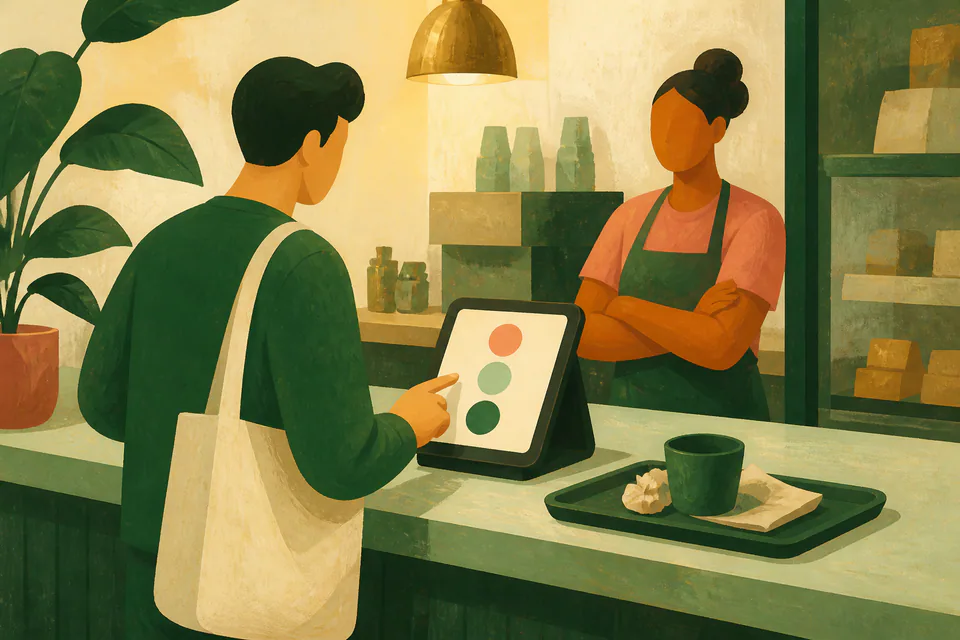
The touchscreen asks for a 25% tip while the cashier watches. What do you press?
At a counter-service shop, you place your own order, collect it, and clear the table. The payment screen suggests a twenty-five percent tip while an employee watches you choose.
When does a voluntary custom become an unfair social demand?