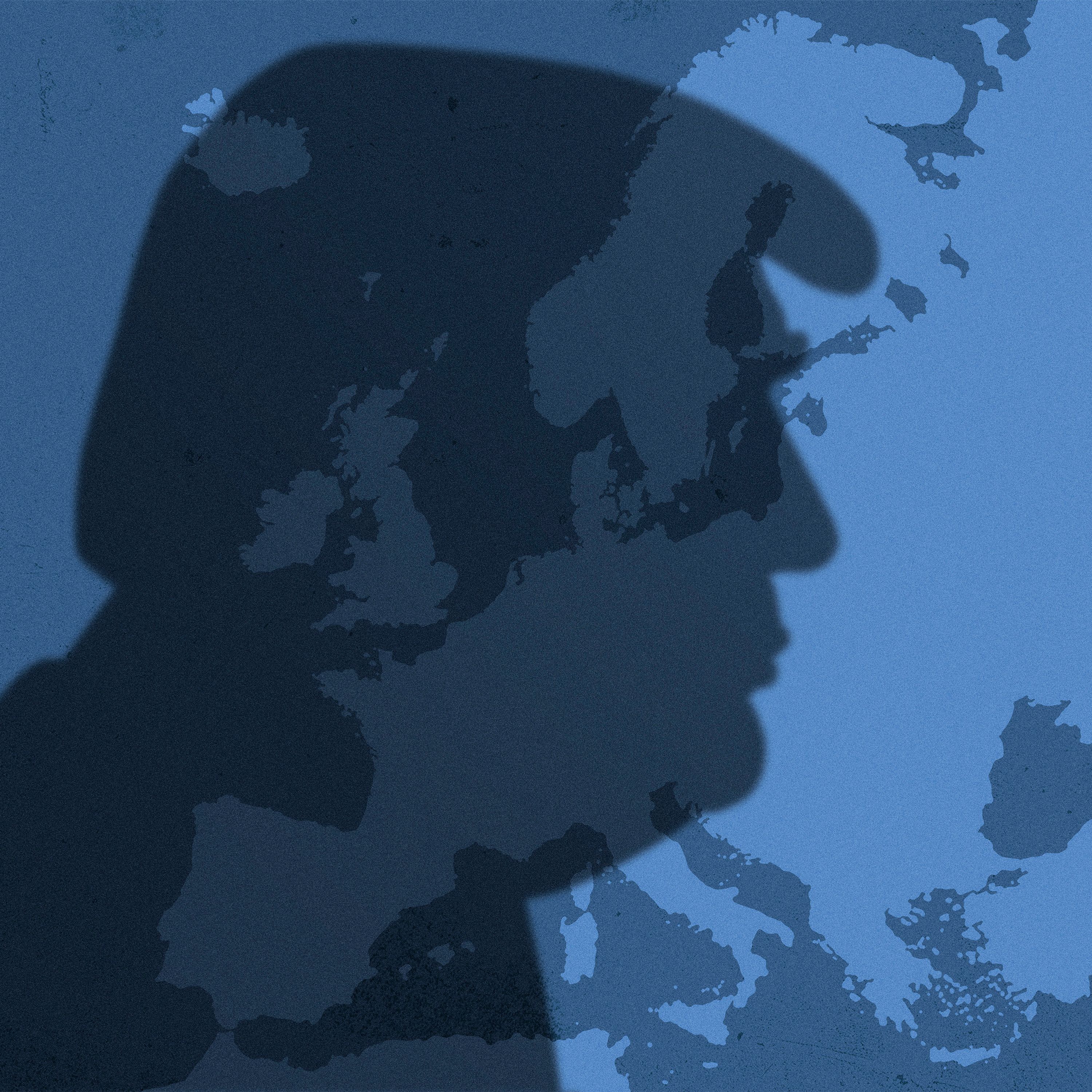
President Donald Trump's first ever trilateral summit with Vladimir Putin and Xi Jinping raises questions about the future of the war in Ukraine and whether a peace agreement could finally be within reach. Victor Davis Hanson and Sami Winc examine the summit on today’s edition of “Victor Davis Hanson: In His Own Words,” discussing Russia's declining influence, potential territorial concessions in Ukraine, and Europe's frustration over Trump's peace negotiations. Hanson criticizes Hillary Clinton's attacks on Trump's diplomacy; he also argues that European leaders have weakened their influence by neglecting defense spending and relying on American military protection. They discuss Elon Musk's shifting political allegiances, and Hanson warns that distancing himself from MAGA may not protect him from Democrat investigations. They also discuss the potential economic benefits of artificial intelligence and the challenges facing Hakeem Jeffries as Democrats prepare to take control of the Hou
Hey everybody, Tom Bilyeu here. On today’s episode of Impact Theory, we’re taking on a topic that’s got the whole world holding its breath: the escalating crisis between the United States and Iran. As tensions ratchet up, we’re asking the tough questions—how did we get stuck in this “escalation trap,” and what does it mean for America’s global leverage, our economy, and our very sense of security? The conversation focused on why the traditional idea of “strategy” might be failing policymakers, using powerful analogies—like chess versus roulette—to show how doubling down in conflict can spiral out of control. We’ll break down the risks of tactical “wins” that create even bigger crises, the real leverage Iran holds with control of the Strait of Hormuz, and the mounting pressure on President Trump as political support erodes and legacy hangs in the balance. A key theme that emerged is what happens when military might runs into decentralized opposition, and why high-stakes gambles—like the
Europe's Little Anarchy: The Rise and Fall of Neutral Moresnet (https://bookshop.org/a/12343/9781501788147)(Cornell UP, 2026) uncovers the history of Neutral Moresnet: a once-forgotten space without borders, nationalism, or a recognized government. Between 1815 and 1919, this square mile of land wedged between Belgium, the Netherlands, and Germany was home to thousands of people living off the grid, free of taxation and oversight. But they also had no political status, police, legal currency, proper law courts, or government presence in sectors like public health, infrastructure maintenance, or education. Meanwhile, practical control over Neutral Moresnet lay in the hands of the local industry: a for-profit, multinational mining company that, because it owned rights to the land, also held a near monopoly on the supply of high-quality zinc to the rest of the world. Dr. Steven Press explores how the residents of Neutral Moresnet sought to improve their quality of life, appealing to Germa
Is the Republican Party heading for a major reckoning in 2028? Dave Rubin joins The Chicks on the Right for a brutally honest conversation about Trump's final two years, the future of the GOP, and the growing divisions threatening conservatives. Dave weighs in on the Republican Party's recent election losses, whether JD Vance, Marco Rubio, or Ron DeSantis can carry Trump's agenda forward, and why he's increasingly concerned about the political direction of America. The conversation heats up as Dave takes on Nick Fuentes, the rise of extremist voices on the right, and the socialist movement gaining influence within the Democratic Party. He also discusses radical Islamism, antisemitism, the dangers of online outrage, and why he believes Western civilization faces serious challenges. Plus, with cyberattacks, banking disruptions, and nationwide outages raising concerns, Dave shares his thoughts on whether Americans should be preparing for more chaos. And don't miss the lighter side of Dave
Runaway government spending, rising costs, and a new wave of legal battles over constitutional rights. With Democrats preparing to take control of Congress and several state governments, Republicans are confronting a very different political landscape. John Solomon and Amanda Head welcome Montana Senator-elect Kurt Alme, who says Washington must get serious about reining in spending, lowering inflation, and making everyday life affordable again. Already preparing for his arrival in the Senate, Alme discusses his priorities for protecting Montana's way of life, keeping taxes low, creating good-paying jobs, and working across party lines when possible. He also addresses the challenges Republicans face in the minority, the remaining lame-duck session, and concerns about efforts to expand the Supreme Court and eliminate the filibuster. Then, Southeastern Legal Foundation President Kimberly Hermann joins the show with a warning about potential policy reversals in states where Democrats have
Trump palled around with dictators while we sweated out the tech crisis. Put some more Jim and JAMM in your search results. (https://www.google.com/preferences/source?cs=0&hl=en&q=nytimes.com) Add JimAcosta.com as a preferred source on Google› (https://www.google.com/preferences/source?cs=0&hl=en&q=JimAcosta.com) And don’t forget: The Jim Acosta Show is a reader-supported publication. To receive new posts and support my work, consider becoming a free or paid subscriber. Things moved fast this week, so don’t feel bad if you missed something — the Daily Update Digest has you covered! Monday: Trump Hid as Airports Froze Tuesday: America’s Systems Keep Crashing. Trump’s Overseas Wednesday: Democrats Hit 56 Senate Seats as Probes Loom Thursday: Trump Gets Giddy With Putin as the World Watches Friday: Trump Aides Seized Reporters’ Phones on China Trip Catch the Daily Update every morning. The Jim Acosta Show is a reader-supported publication. To receive new posts and support my work, conside
The Republican Party is distancing itself from Donald Trump’s war in Iran—including Trump himself, who keeps attempting to declare it finished. The New Yorker staff writer Ishaan Tharoor (https://www.newyorker.com/contributors/ishaan-tharoor), who writes the weekly Global Notes (https://www.newyorker.com/news/global-notes) column, talks with David Remnick about the state of negotiations around control of the Strait of Hormuz, and the quagmire of Trump’s war of choice. Further reading: “‘Regime Change Came in Texas Before Tehran’,” by (https://www.newyorker.com/news/global-notes/regime-change-came-in-texas-before-tehran)Ishaan Tharoor “After Six Months of War, Trump Is Still Losing to Iran (https://www.newyorker.com/news/global-notes/after-six-months-of-war-trump-is-still-losing-to-iran),” by (https://www.newyorker.com/news/global-notes/regime-change-came-in-texas-before-tehran)Ishaan Tharoor “Why Any Plausible Iran Deal Is a Humiliation for Trump (https://www.newyorker.com/news/q-and-a
The prospect of Texas “going blue” was one of the big stories throughout this election—and rightly so. In anticipation of this threat, Republican lawmakers redistricted the state after Donald Trump’s win in 2024, carving out new seats calculated to skew Republican. But that gerrymander seemed to be based on the assumption that Latino voters would continue voting along the same lines they had in 2024. The New Yorker staff writer Jesús Rodríguez (https://www.newyorker.com/contributors/jesus-rodriguez), who covered James Talarico’s and Gina Hinojosa’s campaigns, talks with David Remnick about the effects of the gerrymander, and what the race in Texas tells Democrats about 2028. Further reading and listening: “James Talarico’s Final Sprint (https://www.newyorker.com/news/the-lede/james-talaricos-final-sprint),” by Jesús Rodríguez “Texas Democrats Venture Into ‘No Man’s Land (https://www.newyorker.com/news/the-political-scene/texas-democrats-venture-into-no-mans-land),’” by Jesús Rodríguez
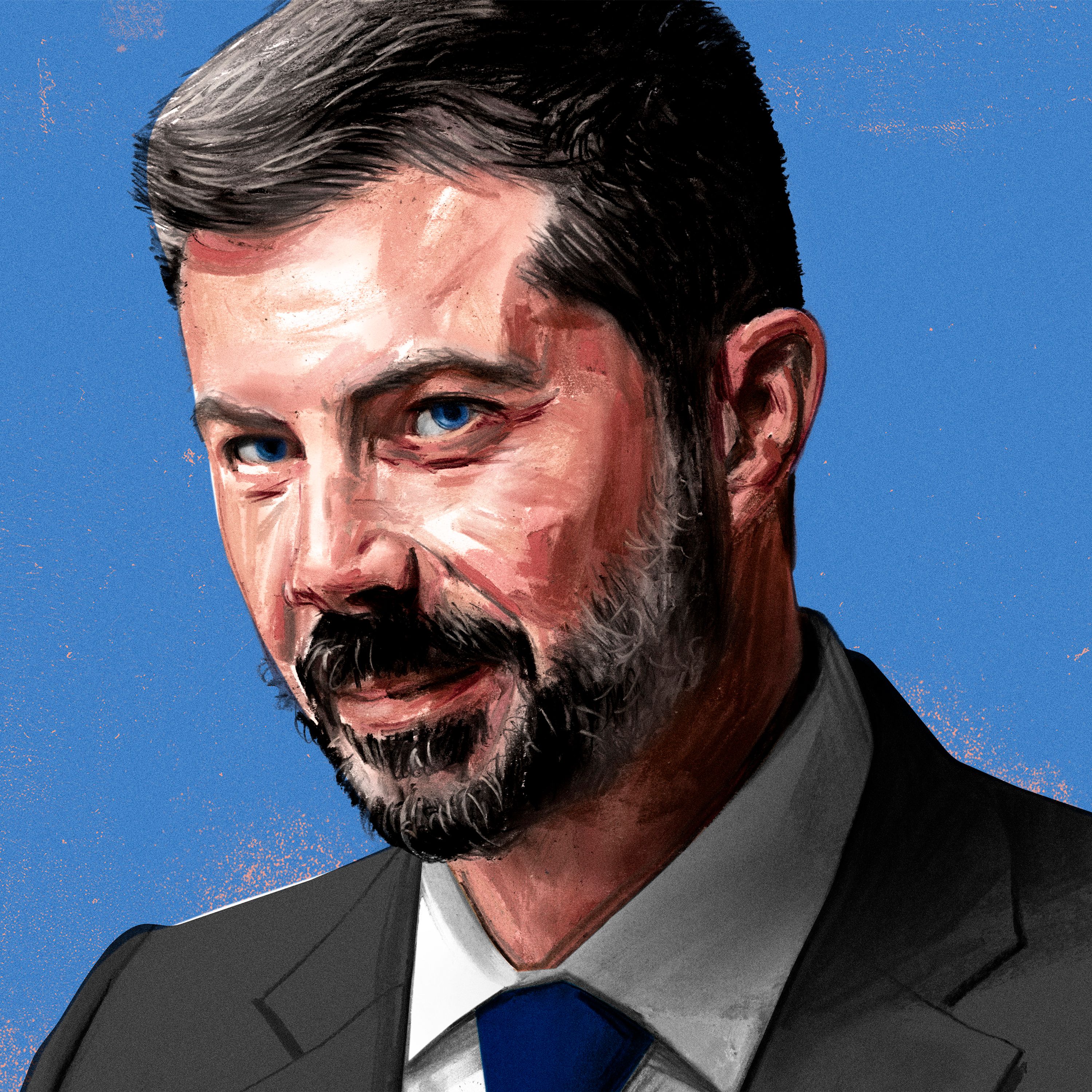
Though Pete Buttigieg, the former Secretary of Transportation and Indiana mayor, wasn’t on the midterms ballot, he campaigned for Democrats across the country in this election. Buttigieg’s ability to hold his own with red-state audiences and right-leaning media has made him an important voice for the Democratic Party, and he is a likely contender for the 2028 Presidential nomination. He talks with David Remnick about the Democrats’ historic rout; their mandate for the past two years of Donald Trump’s Presidency; and what potential 2028 candidates need to focus on. Further reading and listening: “A Blue Wave Just Crashed on Trump (https://www.newyorker.com/news/the-political-scene/a-blue-wave-just-crashed-on-trump),” by Benjamin Wallace-Wells “Donald Trump’s Repudiation, America’s Revenge (https://www.newyorker.com/news/letter-from-trumps-washington/donald-trumps-repudiation-americas-revenge),” by Susan B. Glasser “Can Mayor Pete Be a Democratic Front-Runner? (https://www.wnycstudios.or
Studies used in public decisions should include people from varied backgrounds.
Share your view, then see how readers voted. No sign-in required. This poll is shared across stories.
Do you agree or disagree?
Common Quandary
A Common Quandary to discuss
Another conversation to explore, separate from this news story.
The company allows an $80 dinner. Is ordering the lobster fair game?
During work travel, company policy permits an expensive dinner. A modest option is nearby, but colleagues choose the nicest restaurant because the company can easily afford it and everyone is within the stated limit.
Is following a rule enough when you are spending someone else's money?