Listen through the publisher, then discuss the episode here or arrange an in-person Roundtable. Your city determines where to meet.
Roundtables are designed for groups of four, with a shared subject and room for everyone to speak. Come for discussion, with no dating expectation.
How can X-rays see through you? You’ve hurt your arm, but is a bone broken? How can doctors find out without opening you up? This week’s excellent question comes from Poorvith, who is six and from Melbourne. Poorvith was fascinated by his own X-ray and CT scan. Join Christie as she investigates how invisible X-rays reveal our bones, why CT scanners create virtual “slices” of our bodies, and how ultrasound and MRI use sound and magnets to explore our insides. Different machines, some very clever science, and your skeleton stays right where it belongs! Got a science question you’d love answered? Email it to us with your first name, age and where you’re from, and Christie could investigate it in a future Squiz Kids Science Short!
Episode information is provided by the publisher. Listening takes place on the publisher’s service.
What do knock-knock jokes, silly songs, and fish oil have in common? This episode of WeWow, the bonkerballs variety show for kids and families from the creators of Wow in the World, has all of that and more. Dennis and Reggie are back with another weekend full of laughs, listener love, and a fishy encore episode that'll have the whole family talking all over again. Whether you're a longtime Wowzer or just tuning in, WeWow on the Weekend is the kind of family variety podcast that makes every car ride, breakfast table, and slow Saturday morning a little more wow-worthy. This week, Dennis and Reggie tell some knock-knock jokes! They don't all land... Plus, Dennis and Reggie andswer YOUR questions, and even make up some new songs! And if that's not enough, WeWow on the Weekend wraps up with a fan-favorite encore of "SomeFIN Smells Fishy in Here, Part 1" from Wow in the World—an episode about fish oil, packed with big ideas, bigger laughs, and the kind of curiosity that makes the whole fami
We brought together two people who have constantly fought each other online. Both of them are on the right…and we brought them together to ask one fundamental question. Is there any pathway through the right-wing civil war that doesn’t end with us destroying each other, only to be ruled by the left? WATCH THE FULL DISCUSSION HERE: https://www.youtube.com/watch?v=xHsn_fAeB78 Nick's Ugly Mug Coffee You can join now at https://Get.BlazeTV.com/Nick to get $50 OFF your first year during our Black Friday Sale! ----- GhostBed mattresses are engineered for cooling, comfort, and support, with 101 nights to try one at home, subject to their trial terms. ----- WORLD Watch is a daily, 10-minute video news program that helps Christian teens understand what's happening in the world through trustworthy reporting and a biblical worldview. It helps families have meaningful conversations about current events and build the critical-thinking skills kids need as they grow up. Try WORLD Watch free for 30 da
This week has been nothing short of surreal: from a tumultuous nuclear three-way in China to inexplicable outages sweeping across America. Amidst this turmoil, we've witnessed alarming developments, including the unsettling rise of Nazi groups in Hamilton and a burgeoning scandal implicating the Ford government and the final countdown for Conservative Leader Pierre Poilievre. Join the Scandal Panel featuring Keith Leslie and Mark Cripps alongside our passionate host Laura Babcock as they navigate these pressing issues with both candour and humour. This isn't just another conversation; it's a therapeutic session where we dissect the realities of the world we inhabit. Together, we're standing up for democracy, and your voice matters! Stick with us until the end for our stress meters and a dose of encouragement. Let's face this fight together—because we truly are in this together! Don't miss out on the insights and camaraderie that can empower us all. Tune in and join the conversation! Pl
On this week’s edition of “Happy Hour,” Emily Jashinsky tackles whether America’s political system is irreparably broken, the growing distrust of political institutions, and why voters are increasingly fed up with corruption and self-serving politicians. She discusses Thomas Massie’s political future, the possibility of breaking up the two-party system, why she generally distrusts ProPublica’s reporting, and the ethics of the Supreme Court. She also weighs in on the dangers of authoritarian communism, foreign influence in Washington, and why maintaining faith in elections is so important. Emily addresses the political risks of embracing artificial intelligence, which careers might survive the technological revolution, and why she struggles to unplug from work. Finally, she shares her favorite time to visit Washington, D.C., her thoughts on Robert Pattinson as the next James Bond, and more… Hosted by Simplecast, an AdsWizz company.
Your child can pass the eye chart and still miss what’s right in front of them. Here’s why. Optometrist Dr. Meenal Agarwal explains why 20/20 eyesight doesn’t tell the whole story. Vision is a brain-driven process, and when the brain stops prioritizing the periphery, kids can look at a scene without perceiving it. She also shares the milestone delays she was seeing in her clinic long before Covid. LIKE this video if you found the conversation helpful. COMMENT below with your biggest question or concern about your child’s screen time and vision. Follow Dr. Meenal Agarwal: Website: https://www.drmeenal.com/ Instagram: https://www.instagram.com/dr.meenalagarwal/ YouTube: https://www.youtube.com/@UncoverYourEyeswithDr.Meenal LinkedIn: https://www.linkedin.com/in/dr-meenal-agarwal-9732a260 Resources : Stuck in a Flat World (book): https://www.drmeenal.com/stuck-in-a-flat-world/ Uncover Your Eyes podcast: https://podcasts.apple.com/us/podcast/uncover-your-eyes-the-truth-about-health-and-well
Hello Beautiful, I'm so grateful you're here with me. Tonight, we’ll create a peaceful space with gentle ambient tones to help your mind slow down. This relaxing sleep music for kids is designed to support a calm and soothing bedtime atmosphere. Let the sounds surround you as you get comfortable and prepare for peaceful sleep. Love, Katie TAKE THE FREE QUIZ! ♀️What kind of meditator are you? Take the free quiz & discover your meditation style now! Want an ad-free meditation experience?
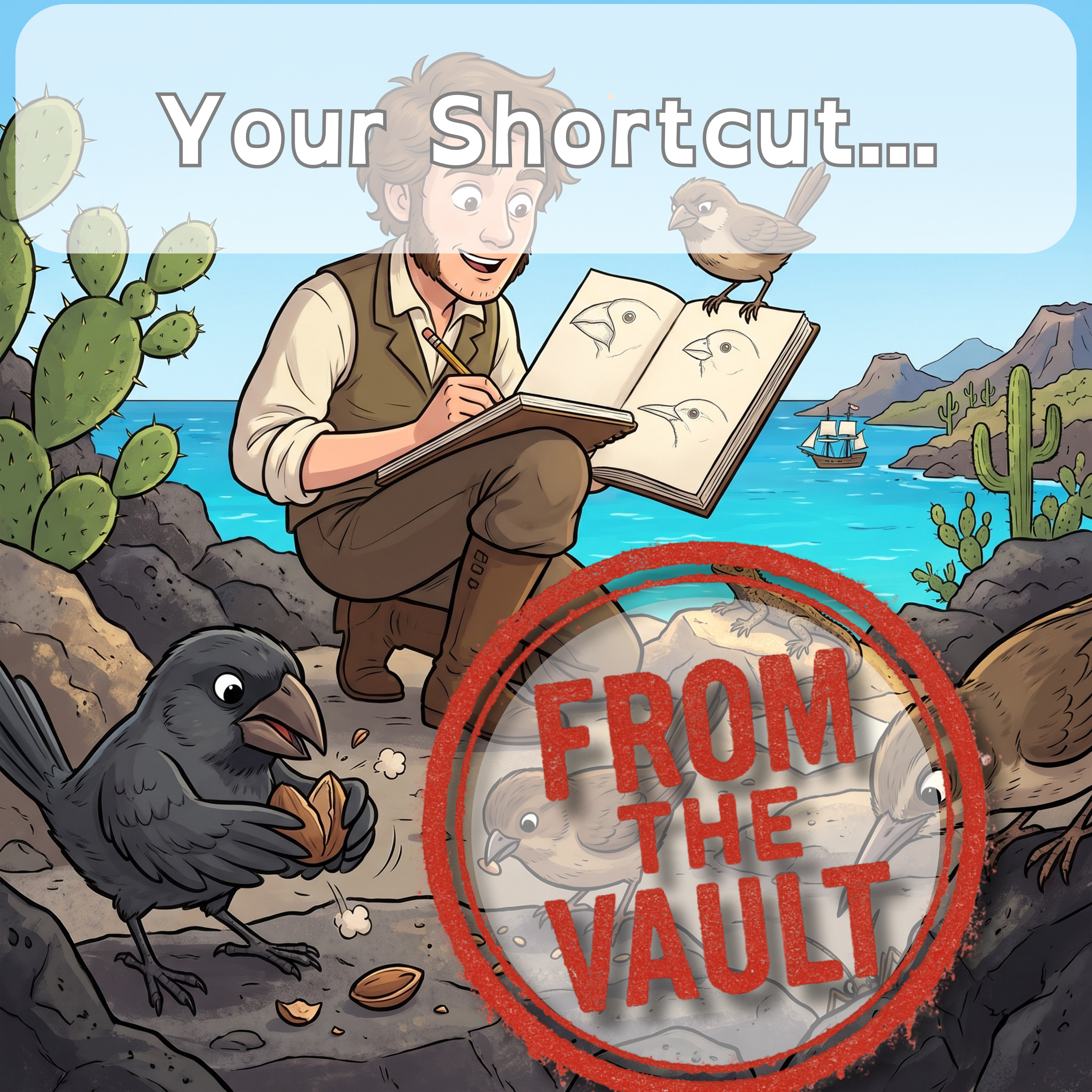
Tuesday 24 November marks the anniversary of the publication of Charles Darwin’s On the Origin of Species in 1859. So this week, we’re dusting off our Shortcut to Evolution to find out how living things change over generations and how all life on Earth is connected. Join Christie and Bryce as they travel back in time in the Squiz Kids Time Machine, dig into the clues fossils leave behind and meet two scientists who came up with the idea of natural selection independently, Charles Darwin and Alfred Russel Wallace. Along the way, find out what bird beaks can tell us about survival and how tiny changes in DNA can help shape life over generations. Listen carefully … there’s a S’Quiz at the end!
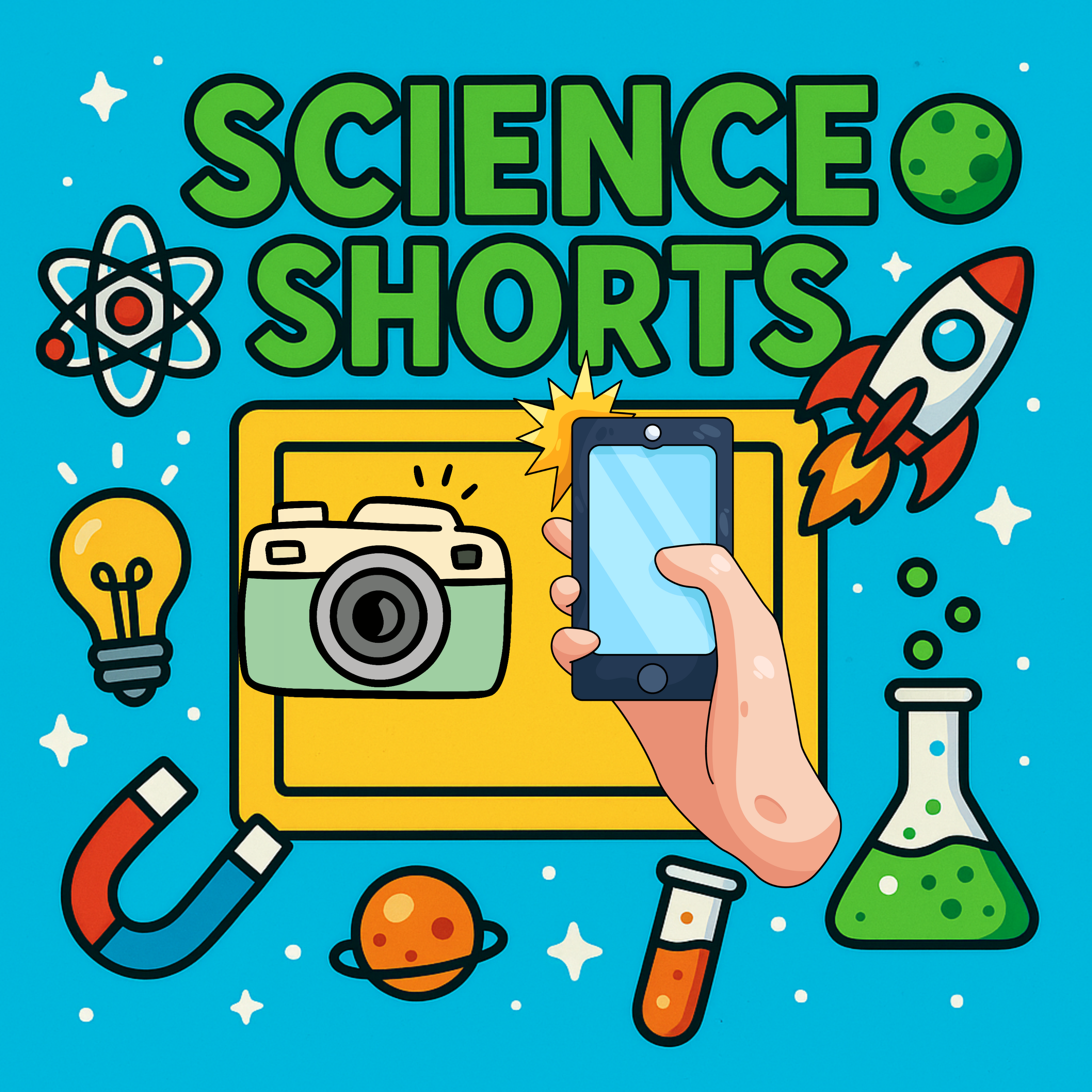
Say cheese! Now hold that smile… and keep holding it. In the early days of photography, you might have had to sit still for several minutes to get your portrait taken. So how does the camera on your phone snap a picture in the blink of an eye and save it for later? That’s what seven-year-old Chloe from Northcote, Victoria, wants to know. This week, Christie takes us from photos made on shiny metal plates and cameras you had to send in the post to the millions of tiny pixels in a digital photo. Plus, find out why there might be a grown-up hiding under a blanket in an old baby picture. Got a science question of your own? Email us at [email protected] and Christie might investigate it in a future Science Short.
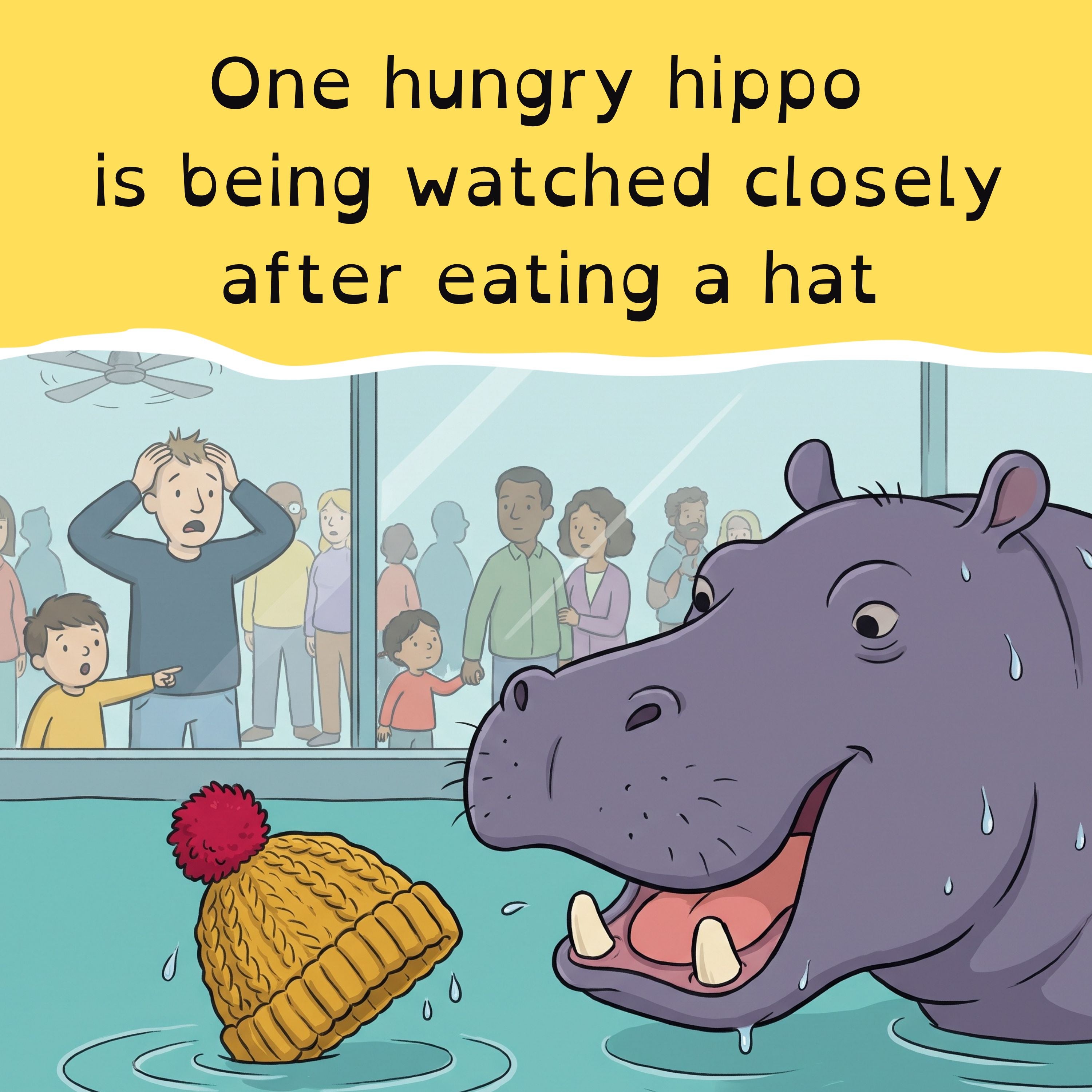
BECOME A SUPPORTER (https://thesquiz.com.au/support) Your daily kids news podcast. Wildlife warriors and princesses save the planet; China’s robots greet world leaders; a pterodactyl video goes viral; and the hippo that ate a hat. Prince William, Robert Irwin and a whole bunch of planet-saving superstars have celebratedthe Earthshot Prize (https://earthshotprize.org/winners-finalists/2026/) in India! World leaders have arrived in China for a major international summit, and the welcome committee is seriously futuristic! Fiona the hippo (https://www.youtube.com/shorts/227ywf5kjBY) has bitten off more than she can chew — literally! A flying prehistoric creature spotted over Mexico? Not so fast! Squiz-E has sniffed out another AI-generated fake. For the full episode transcript,click here (https://www.squizkids.com.au/wp-content/uploads/2026/11/261119-Transcript.pdf). Researched and hosted by Bryce Corbett.
Individuals should control whether organizations share their personal information.
Share your view, then see how readers voted. No sign-in required. This poll is shared across stories.
Do you agree or disagree?
Common Quandary
A Common Quandary to discuss
Another conversation to explore, separate from this news story.
You wear an expensive outfit once and return it spotless. Clever or dishonest?
You buy an expensive outfit for a single event, keep it spotless, and return it the next day. The store's generous policy allows returns without asking whether an item was worn.
Does exploiting a policy differ from breaking a rule?