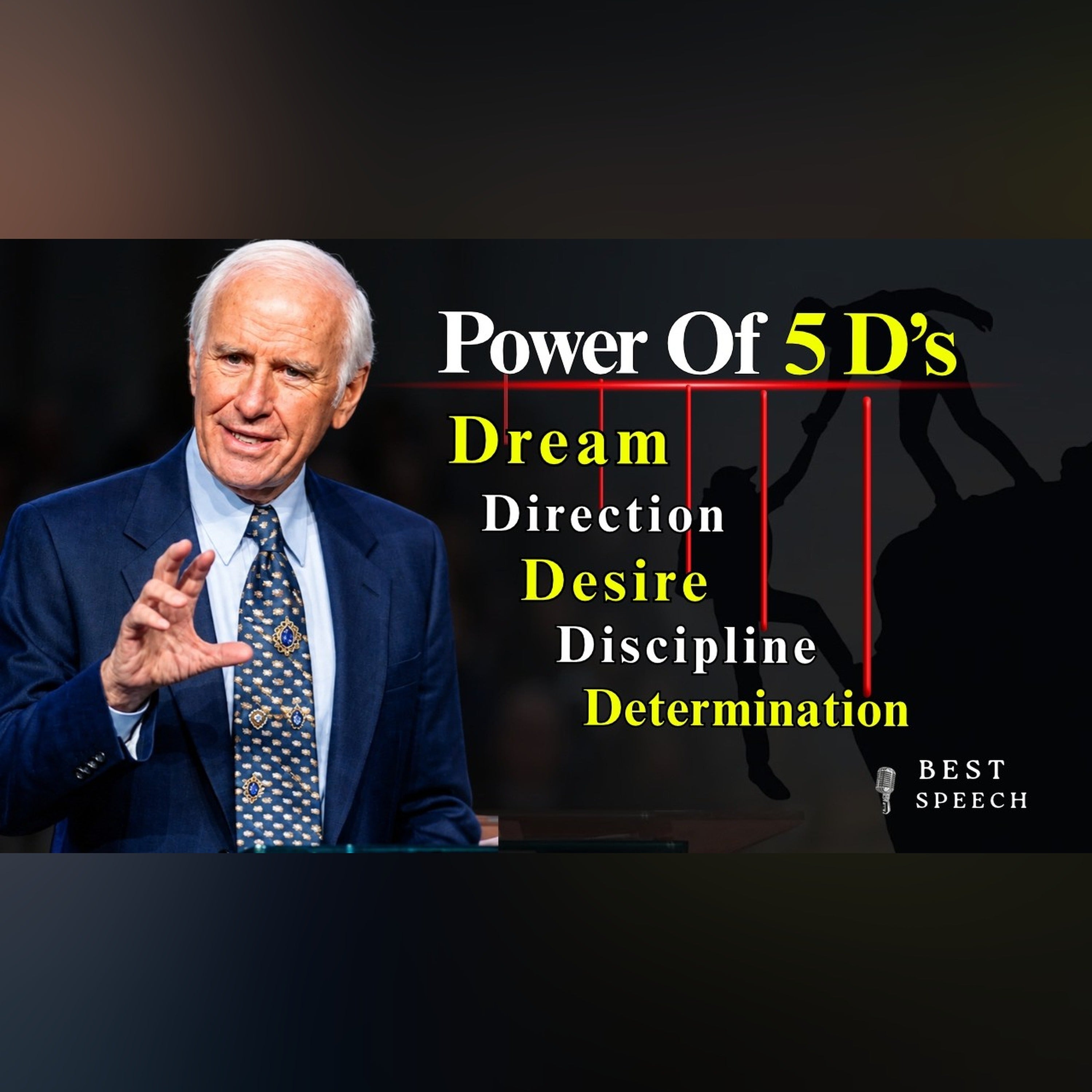
you will be successful if you have these 5 d’s: dream, direction, desire, discipline, determination #Motivation, #MotivationalSpeech, #SuccessMindset, #PersonalDevelopment, Uploaded 17-10-26 Success is not an accident. It begins with a dream, grows through direction, burns with desire, develops through discipline, and becomes unstoppable through determination. In this powerful motivational speech, discover the 5 D’s that can transform your mindset, strengthen your character, and help you build the future you truly deserve. If you want to achieve your goals, overcome self-doubt, break free from procrastination, and become the person you know you can be, this motivational speech will challenge you to take responsibility for your life and start moving toward your dreams. The 5 D’s of Success: Dream: Create a clear vision of the life you want to build. Direction: Know where you are going and take purposeful action. Desire: Develop a powerful reason to keep moving forward. Discipline: Do wh
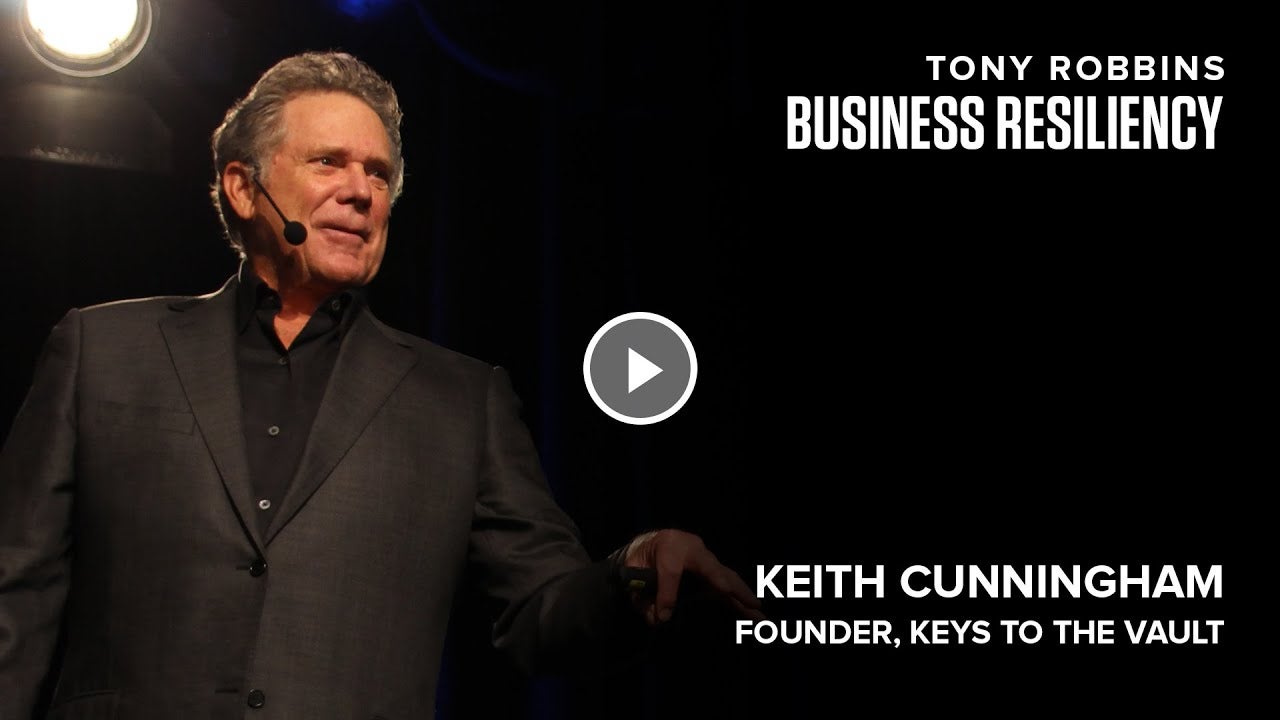
Keith Cunningham – renowned business expert, entrepreneur and speaker – highlights the critical crisis management questions that you must ask yourself to maximize periods of “thinking time.” Uploaded 28-04-20 What’s “thinking time”? Some business owners might call it an economic downturn. Tony Robbins calls it economic winter. But the most successful people call it an opportunity. They’re able to see that with the right mindset, a crisis can create breakthroughs, instead of breaking you. Hear what Tony had to say about creating breakthroughs on his podcast at https://www.tonyrobbins.com/podcasts/3-steps-breakthrough and get started creating yours today. Keith says in the video, “Cursing the wind doesn’t stop the hurricane.” In times of hardship, we have no choice but to play the hand we’ve been dealt. And as the saying goes, it’s not the hand you’ve been dealt, but how you play the hand that determines whether you win the game. How can you ensure you’re playing your hand in the best po
Jess knows that she’s a bit behind when it comes to super. Her current balance is on the small side for her age- and the type of retirement she wants. She knows she needs to do something about it, and has had a handful of conversations about it with experts on the show already. But she was yet to take action. This conversation finally changed that. In this episode, she spoke with Ashton Jones Director of Strategy and Innovation at MLC, who explained how to work out what balance she needs and bridge the gap from where it is now. Jess entered this chat struggling to take action, thinking she needed to add large sums to catch up. But Ashton walked her through simple (and small) actions she can use; including a 1% change that could make up to $200,000 difference to her super by retirement. By the end she finally understood how little it can take to make a huge impact on the life she gets to live in the future- and it can do the same for you. Chapters: 00:00 Why Super Matters 04:49 When to
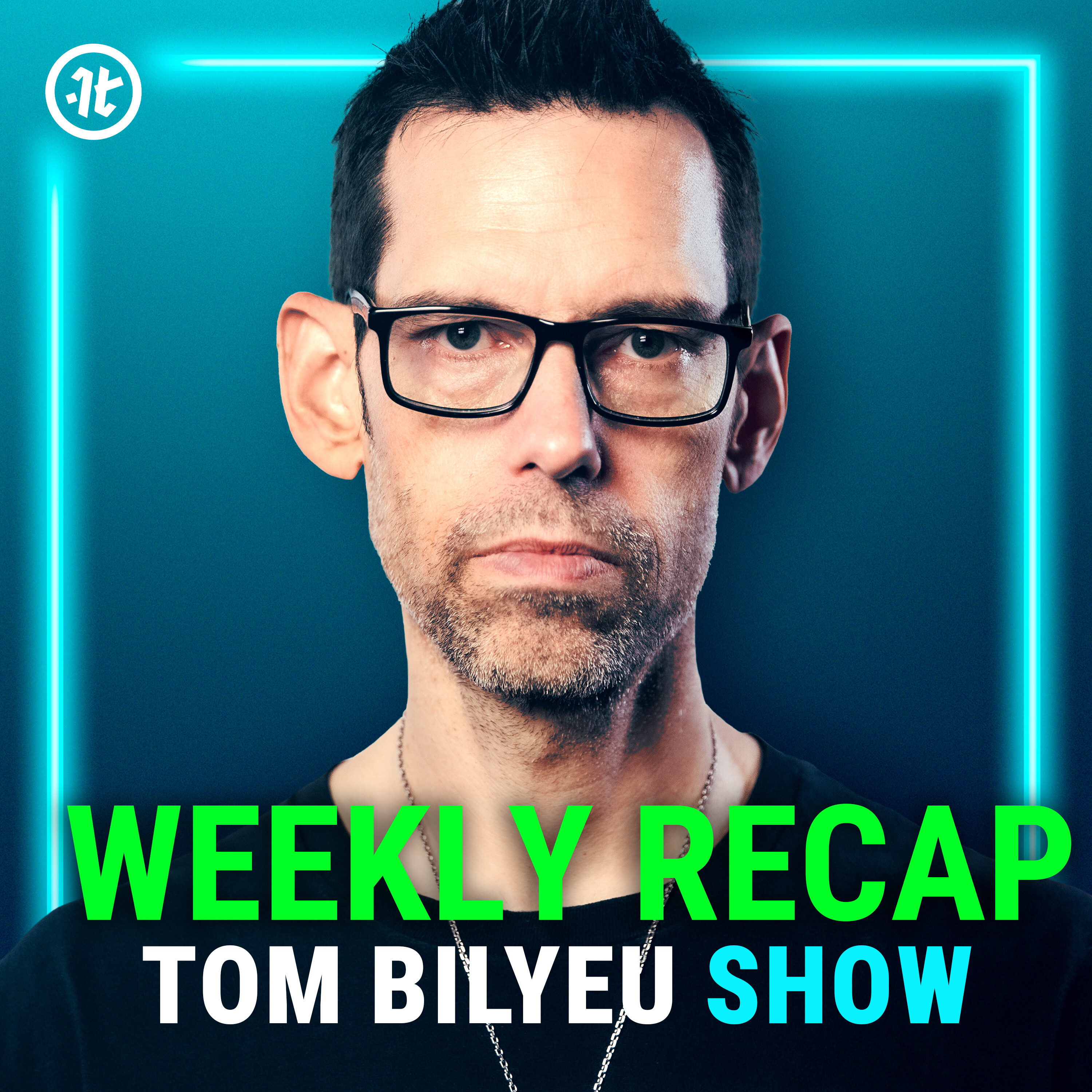
Welcome to Impact Theory. In today’s episode, the team tackles three big stories. First, they react to Jubilee’s viral debate pitting Shark Tank’s Kevin O’Leary against a group of Gen Z workers over whether anyone in America can still become wealthy through hard work. Tom calls it the K-shaped economy personified and says the young debaters are sharp, but argues the path forward is still getting so good you can’t be stopped: managing up, interviewing well, and being willing to move. He acknowledges the game has gotten harder, blaming inflation, NIMBYism, and offshoring, and pushes back on rent control and top-down fixes. The conversation then turns to a debater’s call for profit-sharing at companies like Starbucks, and a sharp debate over what actually gives workers leverage, from changing jobs to unions. Next, the team dives into the online clash between Elon Musk and anti-monopoly writer Matt Stoller, who argued that Musk isn’t a genius but simply someone who can raise capital from W
You can appreciate your paycheck and still want more room to choose your future. Wanting higher income does not make your gratitude disappear. What would the money actually make possible? In this episode of The Level Up Podcast, Paul Alex breaks down how to give the desire to earn more an honest purpose and pursue it without guilt. Paul connects his motivation to growing up with limited money and later being able to retire his parents. Your reason may be different, but it deserves the same clarity about the life behind the number. More options, breathing room, comfort, or the ability to help someone can all matter. Higher income still leaves you responsible for your standards and priorities. Start with what you want it to serve, then identify an ability that could help you create more value through your work. In this episode, you’ll learn: • Why gratitude and financial ambition can exist together. • How to name the life change behind an income goal. • Why earning more still requires ch
Are you on track with the Baby Steps? Get a Free Personalized Plan. (https://ter.li/zqzs8w) Have a money question? Ask Ramsey is here to help. (https://ter.li/vpd8ego2) George Kamel and Jade Warshaw answer your questions and discuss: “I am afraid that my creditors will garnish my inheritance check before I have a chance to negotiate” “My mortgage is 55% of my income, should I sell?” “I co-signed on a car loan with my sister and she is behind on her payments. Should I take over the loan and rent it to her?” “Should I switch careers if I keep getting fired from my jobs?” “Should I cash out my 401(k) to pay for a new window?” Next Steps: Have a question for the show? Call 888-825-5225 weekdays from 2–5 p.m. ET New to the show and want to learn more? Check out our 7 Baby Steps! (https://ter.li/1sn8b18j) Start your free budget today. Download the EveryDollar app! (https://ramsey.solutions/8tj2bn) Get your biggest Medicare questions answered. Watch the free webinar now! (https://ter.li/4o3g9
“What we walk past is what we accept.” How can people professionals build the courage to challenge and the confidence to make their voices heard? What does it take to turn technical HR expertise into strategic influence as their careers develop? And as AI reshapes work, how can HR embrace its potential without ever outsourcing human judgement? Alison Hodgson, country Director for the CIPD in Ireland, is joined by James Devine, partner at Korn Ferry and author of The First 10 Lessons Every HR Professional Should Learn. Recorded: 17 November 2026 --- Your next listen: CIPD Podcast 236: Speaking the language of the business – Why HR needs commercial acumen (https://www.cipd.org/en/knowledge/podcasts/speaking-language-business-hr-commercial-acumen/) HR People Pod – Ep 46: Measuring culture, driving performance – with Hani Nabeel (https://www.cipd.org/en/knowledge/podcasts/hr-people-pod/) CIPD Podcast 235: Can AI governance drive innovation? (https://www.cipd.org/en/knowledge/podcasts/can-a
“You can’t influence what you don’t understand.” For HR professionals, the link between business knowledge and organisational impact is no longer optional. To operate as strategic partners, people professionals need to understand how their organisation creates value: how it makes money, what drives performance, which metrics matter, where its pain points lie and how external trends are reshaping the business. Join host Nigel Cassidy and guests Aly Fadil, Chief People Officer at Matalan, and Jane-Emma Peerless, Director of People and Chief Commercial Officer at Caxton, as they explore how HR professionals can build commercial awareness, turning business knowledge into sharper judgement, stronger people strategy and greater credibility. In this episode, our panel explores: Why commercial acumen matters for HR and what is at stake when people strategy becomes disconnected from business priorities. What commercial acumen looks like in practice from understanding finance, customers and fron
Universities should protect controversial speech unless it directly threatens or harasses others.
Share your view, then see how readers voted. No sign-in required. This poll is shared across stories.
Do you agree or disagree?
Common Quandary
A Common Quandary to discuss
Another conversation to explore, separate from this news story.
One coffee, four hours, last table. Can the café ask you to leave?
A neighborhood café has become a popular remote workplace. Some guests buy one drink and occupy tables for hours, while families and friends regularly leave because they cannot sit together.