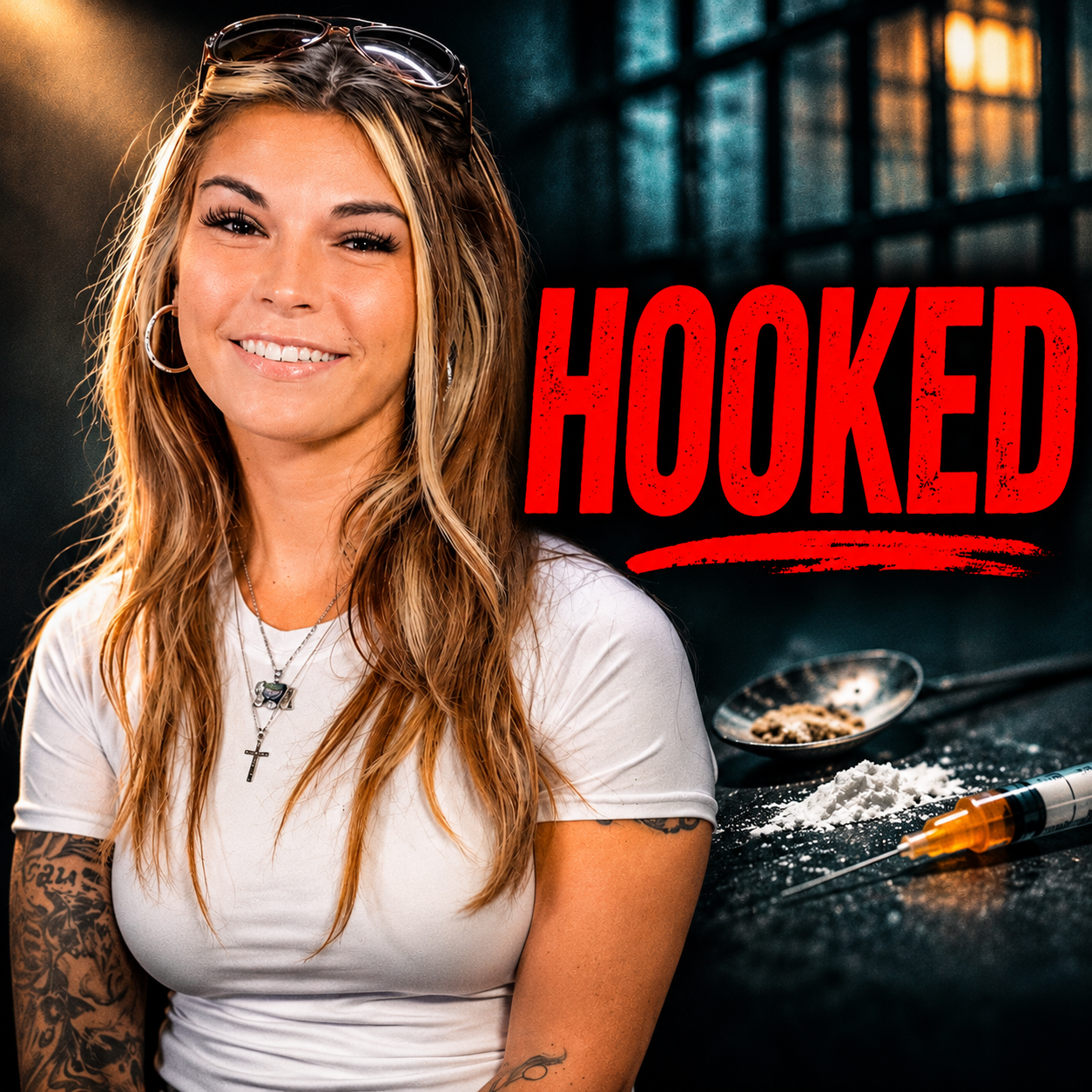
I'm Exposing The Rehab Scam That's Killing People In Recovery In South Florida
100 min
Listen through the publisher, then discuss the episode here or arrange an in-person Roundtable. Your city determines where to meet.
Roundtables are designed for groups of four, with a shared subject and room for everyone to speak. Come for discussion, with no dating expectation.
Crystal Meliea is back on Rise Above — and this time she’s risking a lot to tell the truth about an industry most people in recovery are afraid to talk about. With nearly 12 years sober, she pulls back the curtain on the business of addiction in South Florida: body brokering, the insurance and call-center schemes, the moving-company scams, and the recovery “influencers” quietly pushing newcomers toward sex work and fraud. She frames it plainly as a warning for the vulnerable people arriving here every day, and for the ones who feel trapped inside it. Before the exposé, Crystal retraces the story that got her here — a childhood of trauma and violence, the “protector” she became, years of dealing, crack, and meth, and the bottom she hit as a new single mom after her child’s father was taken by the feds two weeks before the birth. She’s honest about the harm she caused, the amends she’s made, the grandmother who stepped in, and the moment in 2015 that saved her life. Today she’s rebuilt everything from a single suitcase into a thriving career coaching men — secretly walking them through their own healing — and a platform she’s using to protect the people coming up behind her.
Episode information is provided by the publisher. Listening takes place on the publisher’s service.
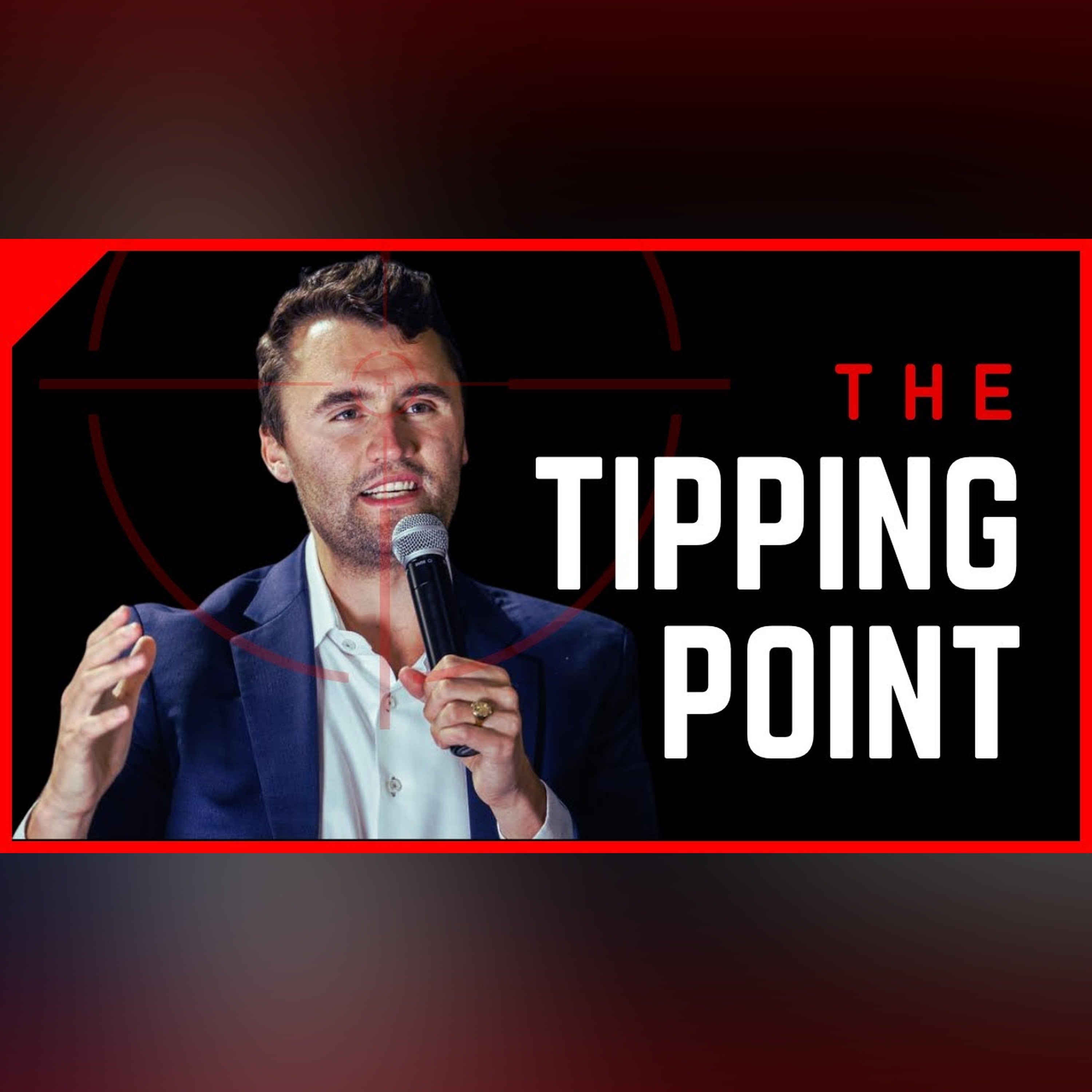
Charlie Kirk’s assassination will dominate the headlines—but before the truth is even clear, the disinformation machine is already spinning. This video exposes how suppression, radicalization, and division are weaponized—not by ideology, but by systems designed to keep you outraged, divided, and distracted. Uploaded 11-09-25 We’ll reveal: • Why suppression is the biggest red flag in history—and why it always signals weakness, not strength. • How highly suggestible people are radicalized—not by one side or the other, but through media outrage loops, algorithmic echo chambers, and deliberate manipulation. • The illusion of “left vs. right”—a distraction designed to pit neighbors against each other while corruption, corporate power, and elites escape untouched. • The common ground we all share: freedom, safety, stability, fairness—and what none of us want: corruption, endless wars for profit, elites with different rules, surveillance states, and justice systems that bend for the powerful
John dismissed the 1941 article about AA from behind the desk of his own law firm. It was about other people, not him. Years later, after six and a half years living under an assumed name, a man he thought was a cop brought him to an AA club. ☀️ Sober Sunrise App ☀️ Sober Sunrise Episode Archive Hundreds of AA speaker tapes and recovery stories: Sober Sunrise Merch Sober Sunrise Newsletter John tells his story as a former professional boxer, Marine, and lawyer whose public standing disappeared behind his drinking. After years away from home, he returned to the same courtroom where he'd once practiced law and heard that he wasn't fit to care for his son even briefly. His first days around AA took him from Portland, Maine to Dallas in a panel truck, sitting on an orange crate. There, degrees and courtroom experience didn't exempt him from washing dishes, setting up tables, and learning from people he'd once dismissed. He remembers sponsors challenging his plans to get even with old enemi
What happens inside the mind of a special operations soldier when training becomes a real-life decision to use lethal force? From the psychological demands of combat to the moral consequences that can follow, elite military units must prepare operators for situations that cannot be fully recreated in training. This episode examines stress conditioning, threat perception, moral injury, and why the ability to use lethal force does not necessarily make someone immune to its psychological consequences.
If you appreciate nuanced science and learning about human metabolism, check out StayCurious Metabolism, now a Top Overall Best-Seller in Science globally: https://staycuriousmetabolism.com (https://staycuriousmetabolism.com/) Start by checking out the Heart Health Archives. Papers: Seven Years of 700 Cholesterol Without Coronary Atherosclerosis: https://www.mdpi.com/2079-9721/14/5/168 Lipid Energy Model: https://pubmed.ncbi.nlm.nih.gov/35629964/ Oreo vs Statin Paper: https://pubmed.ncbi.nlm.nih.gov/38276308/ Cholesterol Code Movie: https://cholesterolcodemovie.com (https://cholesterolcodemovie.com/) Description For seven years, I’ve been living with cholesterol levels that most doctors would say should have killed me by now — not just high, but astronomical — and I did it intentionally because I believe there’s something fundamentally misunderstood about cholesterol, heart disease, and people like me that modern medicine doesn’t understand. If I’m right, the implications could challen
How does a relationship go from feeling safe to living in fear? And how do you find your way out when you still love the person hurting you? Hollie Dowding joins Max Palasi on Shaun Attwood’s channel to share her experience of coercive control, violence and rebuilding her life after leaving. The relationship began with someone she already knew through friends. Hollie recounts how that familiarity made her feel safe, how control gradually entered her everyday life and how she began questioning her own judgement. We’ll explore the moments that changed her understanding of the relationship, the difficult path to leaving and her experience of the court process. What helped her speak out? What did she need from the people around her? And why didn’t getting out immediately bring peace? We’ll also discuss motherhood, rebuilding confidence and learning to trust yourself again. We’ll explore why she created House of H.E.R., a support platform and podcast helping other women feel less alone. Fri
Today, Mel is taking 58 years of hard-earned life lessons and is packing them into under an hour, to save you some of the time, frustration, and worry it took her to learn them the hard way. In this episode, Mel is fielding real questions from listeners around the world. From making friends and bouncing back from rejection to feeling stuck in life and wondering if it's all going to work out, Mel is sharing the advice she wishes she'd known sooner. And she's not holding back. You'll hear Mel get personal about her own setbacks, and what she's learned about starting over, going after what you want, and trusting yourself when life doesn't go according to plan. You'll learn: -How to stop worrying about the future when nothing feels certain -How to make big life decisions, including whether or not to have kids -How to make new friends as an adult -What to do when you get rejected from your dream job -What to do when a friend ghosts you -How to stop procrastinating and finally follow through
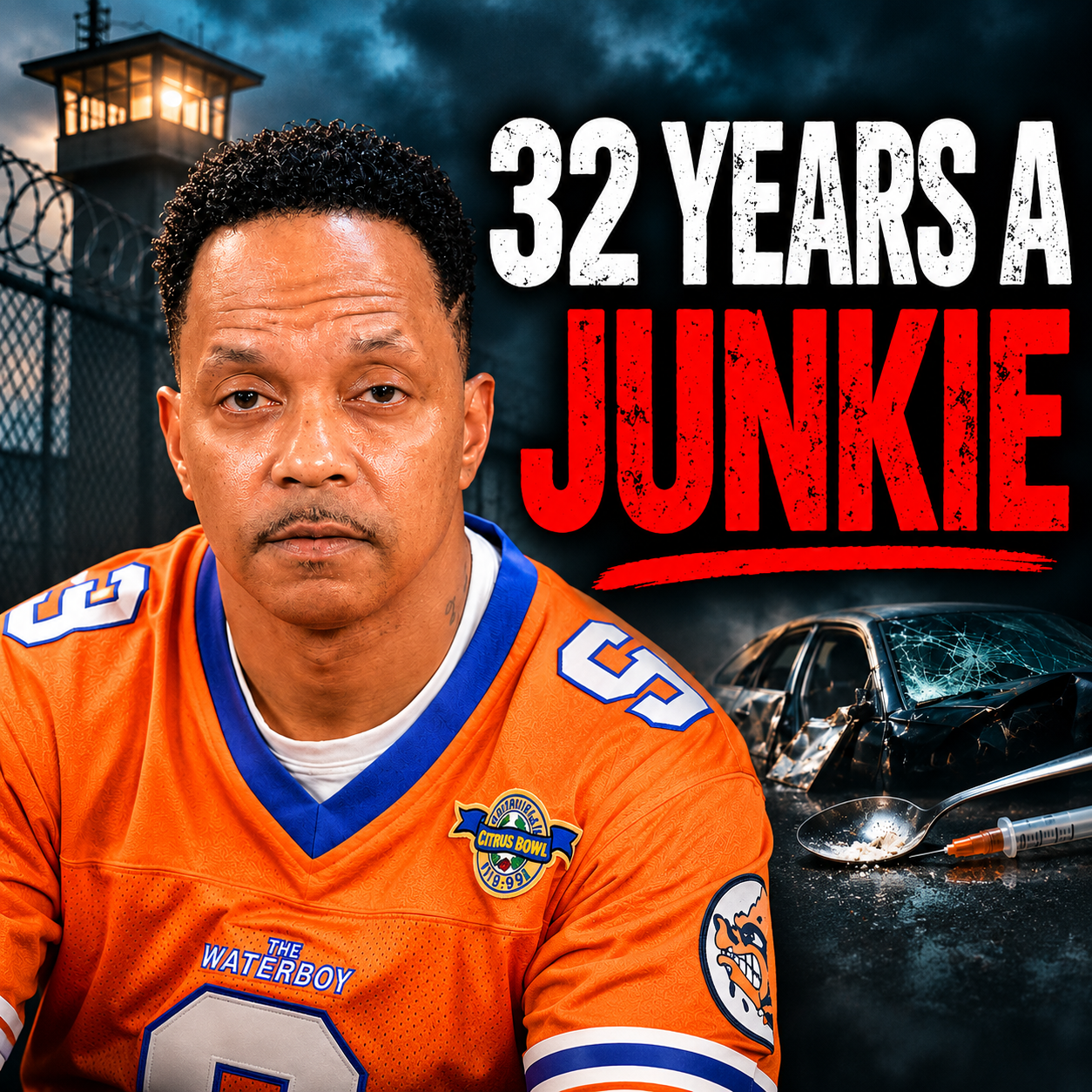
Eric Foster used for 32 years. He was arrested 35 times and spent more than two decades behind bars, chasing heroin and cocaine from his teens into his fifties — until he became the exact person he’d sworn as a 20-year-old he’d never turn into. In this episode he tells Kevin about the night he nodded off at the wheel and an 18-wheeler sheared the door off his car, the Mother’s Day arrest that finally broke the cycle, and the jailhouse moment of clarity that became day one. Now three and a half years sober, Eric has his family back, a community around him, and a mission to give other people the hope someone once gave him. That's why I'm proud to partner with Caron. ️ Learn more: https://www.caron.org/lp/rise-above Call Caron today: 855-352-0103 Recovery starts with taking the first step.
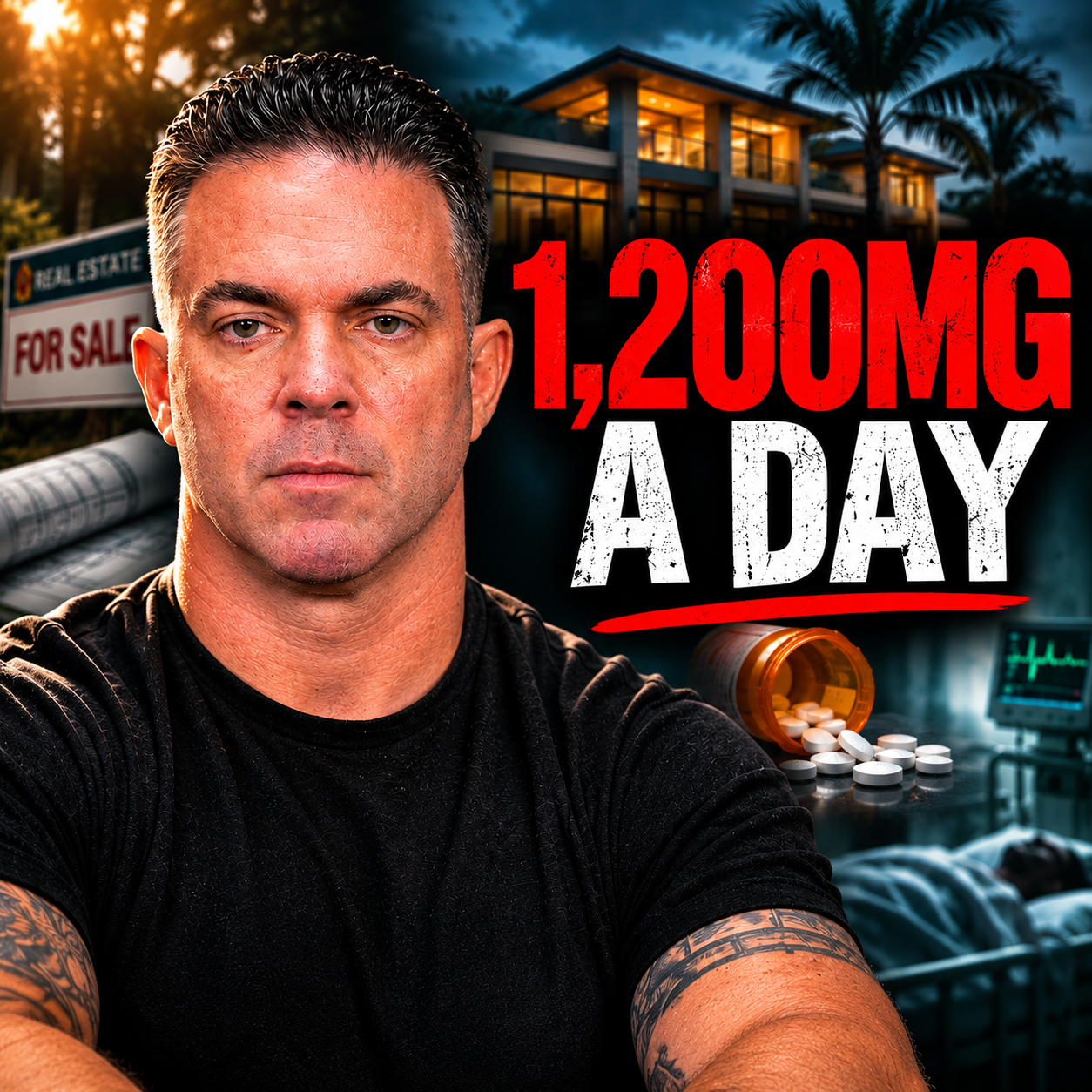
From the outside, Frank Davis had it all — a thriving real estate brokerage, houses he was flipping, a marriage, a reputation. What nobody knew was that he was secretly feeding a 1,200mg-a-day opioid habit, nodding off in board meetings, and eventually faking a brain tumor to keep his wife from finding out. In this episode, Frank tells Kevin how a half of a Roxy at a bar in 2007 turned into twelve years of chasing a high he never caught again — and how it finally cost him everything, including seven days in a coma. Now seven years sober, Frank shares how sober living, the people around him, and the chance to be at his father’s side in his final days gave him a completely new life. That's why I'm proud to partner with Caron. ️ Learn more: https://www.caron.org/lp/rise-above Call Caron today: 855-352-0103 Recovery starts with taking the first step.
Karina had a plan to become a police officer. Instead, bullying, a first drink at 14, and a slow slide from ecstasy to pills to heroin took her to three stints in prison before she was 23. She got clean and strung together eight years — built a business, went viral as a “repo girl” — and then one relapse on cocaine nearly ended everything. In this episode she tells Kevin about the night her heart stopped on her bathroom floor, the near-death experience that shook her, and how faith and service built the life she has today: two years sober, traveling the country and speaking to anyone who’ll listen. This is a raw, unflinching conversation about how deep addiction can go — and how far back a person can come. That's why I'm proud to partner with Caron. ️ Learn more: https://www.caron.org/lp/rise-above Call Caron today: 855-352-0103 Recovery starts with taking the first step.
Businesses that attract visitors should help reduce the disruption experienced by neighbors.
Share your view, then see how readers voted. No sign-in required. This poll is shared across stories.
Do you agree or disagree?
Common Quandary
A Common Quandary to discuss
Another conversation to explore, separate from this news story.
Scientists can edit mosquitoes until a deadly disease disappears. Who gets to say yes?
Scientists can potentially release modified mosquitoes whose genes would spread through wild populations and sharply reduce a deadly disease. The ecological effects could cross borders and may be impossible to reverse.
Who may authorize an irreversible change intended to save lives?