In Moscow's Shadows 270: Hoax Bombs and Difficult Language
49 min
Listen through the publisher, then discuss the episode here or arrange an in-person Roundtable. Your city determines where to meet.
Roundtables are designed for groups of four, with a shared subject and room for everyone to speak. Come for discussion, with no dating expectation.
Russia's 'hybrid war' on Europe seems to be hotting up - but can one confidently blame Moscow for the recent spate of hoax bomb threats? The first instinct is to say “it must be Russia” and it very probably is, but we need to understand what we can honestly claim, what we merely suspect, and we can respond when proof is partial by design. This is about the language we use to assess the threat, but encoded within that is also a guide to European policy options. Likewise, Putin’s recurring use of the term “strategic defeat” also offers a guide both to his own fears and also his strategic communications -- and thus how the West can respond to that, too. On the two assets I discuss: Just request access at ruminator.xyz with a mention that you come from In Moscow’s Shadows, and when approved, you can use the code on the payment page. SCARS OF DONBAS can be entered through the dedicated page at https://scarsofdonbas.org/in-moscows-shadows and the peace survey I mentioned is here (https://scarsofdonbas.org/resolution-stance-explorer?source=in-moscows-shadows). The podcast's corporate partner and sponsor is Conducttr (https://www.conducttr.com/), which provides software for innovative and immersive crisis exercises in hybrid warfare, counter-terrorism, civil affairs and similar situations. You can also follow my blog, In Moscow's Shadows (https://inmoscowsshadows.wordpress.com/), and become one of the podcast's supporting Patrons and gain question-asking rights and access to exclusive extra materials including the (almost-) weekly Govorit Moskva news briefing right here (https://www.patreon.com/InMoscowsShadows).
Episode information is provided by the publisher. Listening takes place on the publisher’s service.
This week on the Mark Levin Show, 2028 Republican Presidential candidates must directly address the urgent threats to the country - Marxism and Islamism. These candidates should deliver bold, courageous speeches that clearly explain what is happening in the country, identify those responsible, and directly challenge these threats rather than leaving such warnings to a small number of media voices. Also, it is difficult to believe so many major outages affecting entities such as the NSA, FAA, airline systems, Microsoft, and Apple services could be merely coincidental. The timing and scale of the incidents are troubling and remain inadequately explained. President Trump had proposed a major modernization and restructuring of air traffic control in 2017 that Congress failed to enact. Had those reforms been adopted, many current FAA failures might have been avoided. Later, does Senator John Kennedy know anything about originalism? Originalism is not pure textualism. The meaning and intent
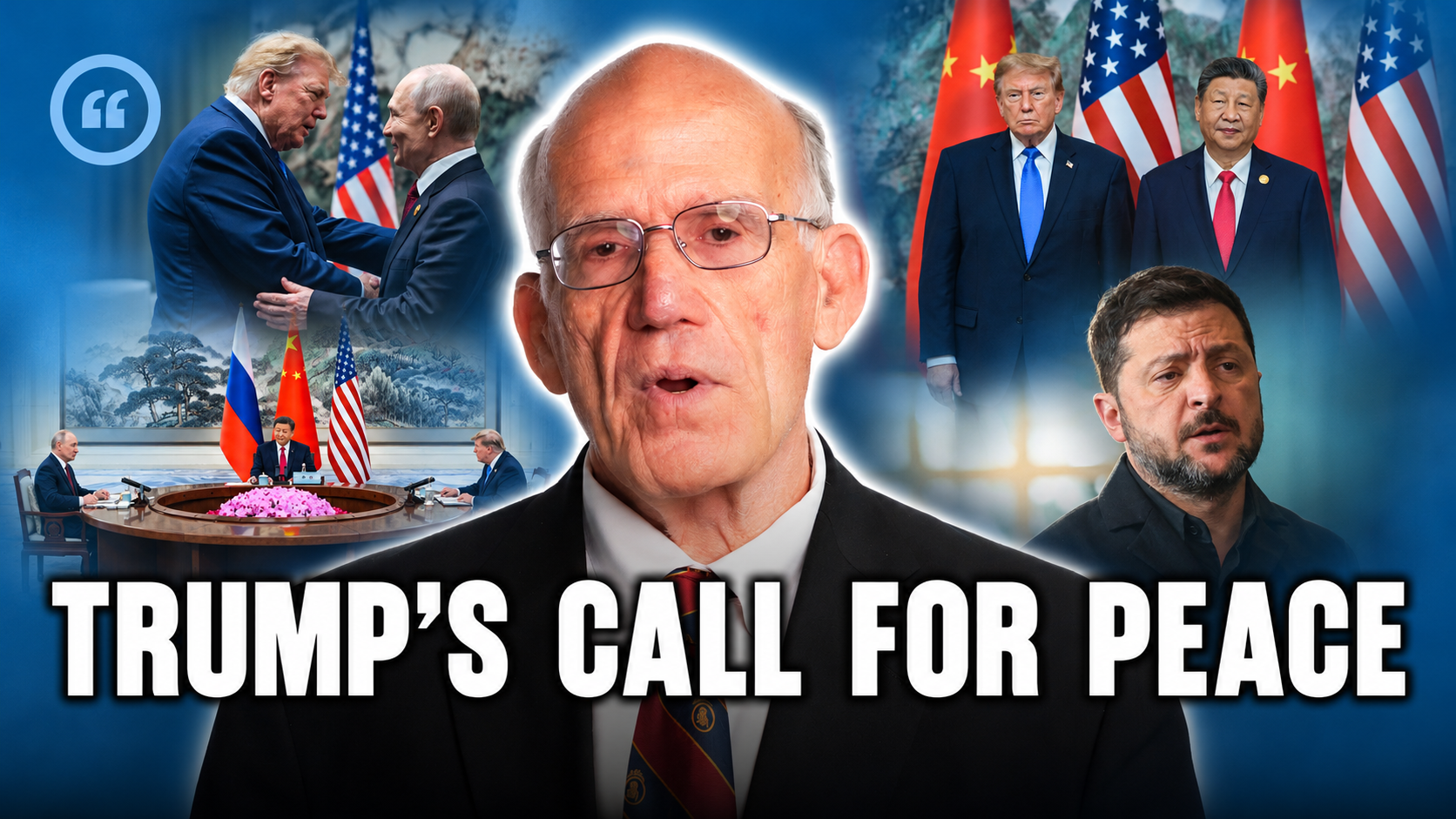
President Donald Trump's first ever trilateral summit with Vladimir Putin and Xi Jinping raises questions about the future of the war in Ukraine and whether a peace agreement could finally be within reach. Victor Davis Hanson and Sami Winc examine the summit on today’s edition of “Victor Davis Hanson: In His Own Words,” discussing Russia's declining influence, potential territorial concessions in Ukraine, and Europe's frustration over Trump's peace negotiations. Hanson criticizes Hillary Clinton's attacks on Trump's diplomacy; he also argues that European leaders have weakened their influence by neglecting defense spending and relying on American military protection. They discuss Elon Musk's shifting political allegiances, and Hanson warns that distancing himself from MAGA may not protect him from Democrat investigations. They also discuss the potential economic benefits of artificial intelligence and the challenges facing Hakeem Jeffries as Democrats prepare to take control of the Hou
Davis Betz is a Professor of War in the Modern World at King's College London. Prof. Betz discusses how the West is accelerating on its path to civil war.Follow Prof. Glenn Diesen: PayPal: https://www.paypal.com/paypalme/glenndiesenBuy me a Coffee: buymeacoffee.com/gdiesengGo Fund Me: https://gofund.me/09ea012fBuy Diesen merchandise: https://diesen-shop.fourthwall.com/en-nok Books by Prof. Glenn Diesen: https://www.amazon.com/stores/author/B09FPQ4MDL
In this episode of The President’s Daily Brief: President Trump meets face-to-face with Vladimir Putin and Xi Jinping in a historic summit bringing together the leaders of three nuclear superpowers. Peter Doran of the Foundation for Defense of Democracies joins us to examine each leader's objectives and what could come next. Ukraine launches a devastating attack on Russia's Kerch Bridge, sending a section of the strategically important crossing into the sea. Open Source Intelligence Analyst Ryan McBeth joins us to explain the operation and its implications for Russia's war effort. YouTube: youtube.com/@presidentsdailybrief (https://youtube.com/@presidentsdailybrief) Aura Frames: Life is amazing. Remember that with Aura Frames. Additional $5 off at https://auraframes.com/pdp/PDBwith Promo Code PDB Spring Sleep: Thanks to today’s sponsor, Spring Sleep: an FDA-cleared, prescription-only device for primary snoring and mild obstructive sleep apnea.
A summit like no other. In a political first, President Trump sat down with President Putin and President Xi for an unprecedented trilateral meeting. He insists they’re all friends, but what does this mean for their conflicting agendas in Iran and Ukraine? Former Biden adviser Rush Doshi joins Christiane Amanpour to assess what was, or wasn’t, achieved. Then, in a landmark case, the International Court of Justice has found Myanmar guilty of committing genocide against the minority Rohingya population. The U.N. High Commissioner for Human Rights, Volker Türk, joins the show to discuss why this moment is so important. Plus, CNN’s Clare Sebastian takes us underground to look at how Ukraine’s innovative operation is helping the country make substantial gains. And best-selling author Elizabeth Strout discusses her new book ‘The Things We Never Say’, exploring the political and personal tensions of America that emerged during the 2024 presidential election. From the archive, my report from U
Journalist Simon Moya-Smith and Indigenous studies professor Julie Francella join John Fugelsang for a wide-ranging conversation on Indigenous rights, environmental protections, media representation, and the cost of speaking out. They explain how the proposed American Affordability and Jobs Act could weaken environmental reviews, tribal consultation, and protections for sacred sites—and why pipelines, data centers, and other development projects can bring serious risks to Indigenous communities, including threats to water, land, and safety. They also examine racist stereotypes in political and media coverage, from a cartoon targeting Deb Haaland to a U.S. attorney’s letter mocking Senator Elizabeth Warren with harmful tropes. Simon and Julie discuss why these depictions persist, how underrepresentation in newsrooms contributes to the problem, and why precise language and Indigenous voices matter. Along the way, callers share perspectives on community activism, Native traditions, and th
Zelensky has spoken of a "window of opportunity" to end the war before 2027. This sounds implausibly optimistic, but have this week's two main shifts in peace talks -- Russia's proposal to widen discussion to European security in general and the apparent agreement that Europe will be at future meetings -- really moved the needle? Peace talks on Ukraine have a way of generating headlines without delivering results, so when the mood genuinely shifts, it’s worth asking what changed and what it means. If widening the discussions is intended to mean more than just giving Putin a face-saving opportunity to end the war without the last portions of the Donbas, then this will be a lengthy, difficult negotiation. What happens in Ukraine in the meantime? The podcast's corporate partner and sponsor is Conducttr (https://www.conducttr.com/), which provides software for innovative and immersive crisis exercises in hybrid warfare, counter-terrorism, civil affairs and similar situations. You can also
Landscape restoration needs funding commitments that extend beyond normal political terms.
Share your view, then see how readers voted. No sign-in required. This poll is shared across stories.
Do you agree or disagree?
Common Quandary
A Common Quandary to discuss
Another conversation to explore, separate from this news story.
A parent clearly built the winning science project. Who should lose the prize?
An elementary student submits an elaborate science project far beyond their apparent ability. The parent proudly describes working together all weekend, and the child clearly learned something, but other students completed simpler projects themselves.
What is a fair response when help improves learning but distorts achievement?