Is Australia Heading for a Recession in 2027? Property Prices, Credit Risk and the 18-Year Cycle
15 min
Listen through the publisher, then discuss the episode here or arrange an in-person Roundtable. Your city determines where to meet.
Roundtables are designed for groups of four, with a shared subject and room for everyone to speak. Come for discussion, with no dating expectation.
Could 2027–28 bring a serious downturn for Australia's housing market? Craig talks with Catherine Cashmore from Cashmore & Co Real Estate about the 18-year property cycle, recession risks, falling house prices and the possibility of a prolonged period of stagnant values. They examine what the outlook could mean for property investors, home buyers and anyone deciding whether to buy now or wait. ► Dubai: https://podcasts.apple.com/us/podcast/dubai-property-podcast/id1662176569 ► Email: [email protected]
Episode information is provided by the publisher. Listening takes place on the publisher’s service.
Inflation and unemployment are both at 4.9%, leaving the RBA with a dilemma. Could Australia be heading for stagflation? Australia's inflation rate has surged to 4.9 per cent, driven by soaring electricity, petrol and housing costs, while unemployment has also climbed to 4.9 per cent. Could the economy be heading towards stagflation, and what does this mean for interest rates? SBS Finance Editor Ricardo Gonçalves speaks with Citi Australia's Faraz Syed about the outlook. Plus, Perpetual's Head of Investment Strategy Matt Sherwood explores the Australian dollar's slide to an 11-month low, the latest sharemarket movements and opportunities for investors. In this episode: What's driving Australia's inflation surge, including rising electricity, petrol and new home construction costs. Why inflation and unemployment both sitting at 4.9 per cent present a major challenge for the RBA, and whether another interest rate rise is on the cards. Whether Australia is heading towards stagflation, and
This episode was sponsored by Cardiff & Middle Housing Guy LightSpeed VT: https://www.lightspeedvt.com/ Dropping Bombs Podcast: https://www.droppingbombs.com/ Today's Dropping Bombs episode features Andrey Bolokhovskiy, who went from facing ten years in prison to running a real estate company on pace for $40 million this year. His shortcut to getting rich? Give the money away. Andrey breaks down why he gave away his financial safety net right before the market turned, how middle housing puts first-time buyers into homes in the $300,000s, and why America's middle class is being wiped out before it can even start. If you're waiting until you feel financially safe to make your move, this conversation will make you question what you're really waiting for. Connect with Andrey Instagram: https://www.instagram.com/andreybolokhovskiy Instagram (The Middle Housing Guy): https://www.instagram.com/themiddlehousingguy Website: https://provisiongroupllc.com (https://provisiongroupllc.com/) Curious?
This episode is sponsored by Fidelity Investments and the all-new Fidelity Trader+ platform. Try Fidelity’s most powerful trading experience yet: Fidelity.com/TraderPlus (https://fidelity.com/TraderPlus) Fidelity Investments and Risk Reversal are not affiliated. Views, opinions, products, services, and strategies discussed are not endorsed or promoted by Fidelity Investments. Fidelity Brokerage Services LLC, Member NYSE, SIPC. Guy Adami and Dan Nathan discuss heightened market volatility ahead of Thanksgiving, focusing on weakness in hyperscalers, semis, and memory stocks like SanDisk and Micron despite a sharp Nvidia rebound. They argue the AI-led boom is unwinding after months of deterioration, citing extreme prior gains, poor recent price action in names like Dell, and IPO declines in Anthropic and SpaceX. The hosts criticize Nvidia CEO Jensen Huang’s judgment and corporate governance issues amid SEC/FBI scrutiny, warn about circular financing and leverage in “NeoCloud” companies su
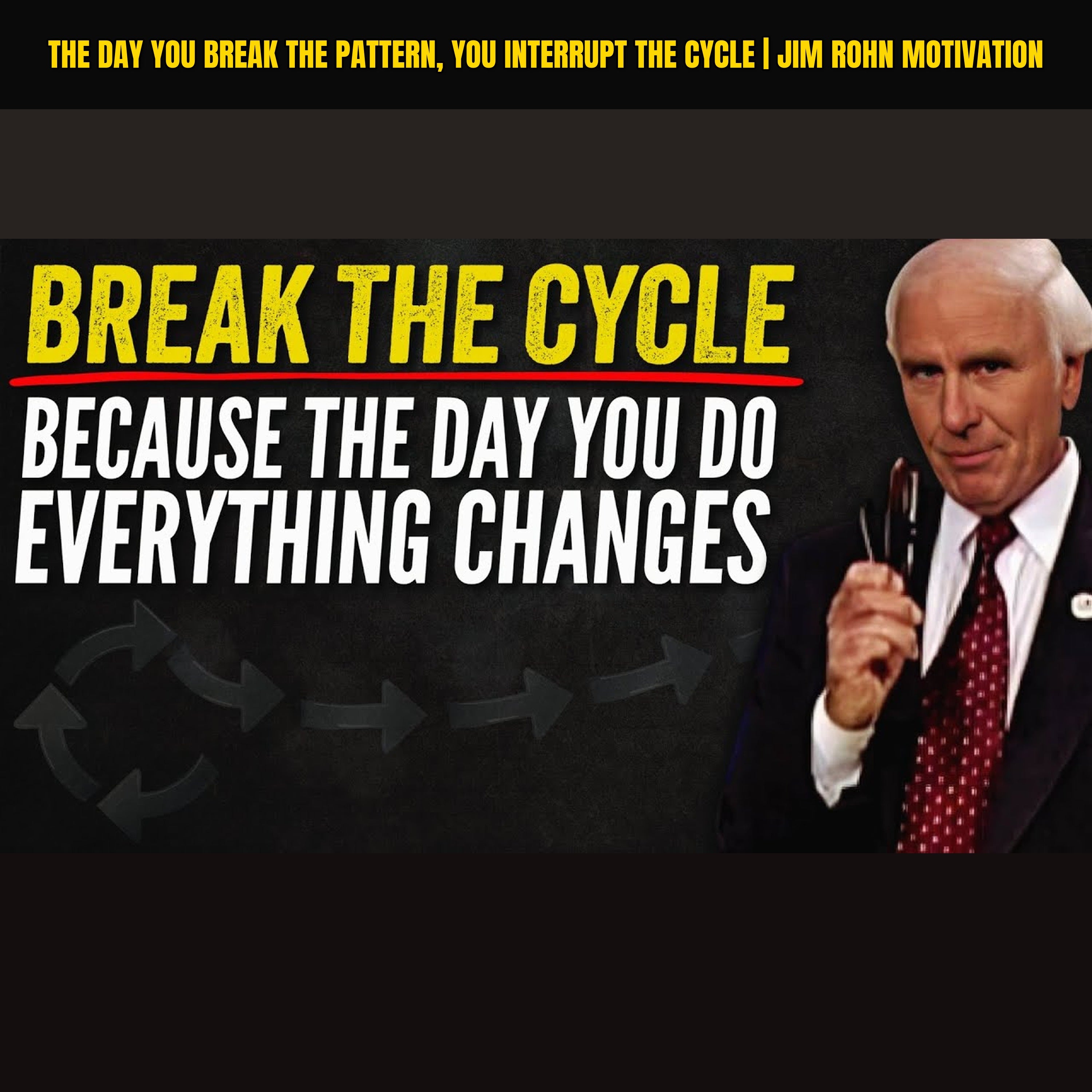
#JimRohnMotivation #JimRohn #JimRohnSpeech In this Jim Rohn Motivation video, learn how to recognize and break the invisible patterns that keep you stuck. These cycles often run so quietly they feel like “just the way life is”—but they can be interrupted. Jim Rohn reveals how one small, intentional choice can disrupt the loop, replace it with better habits, and protect your new direction for lasting change. Key Topics From This Motivational Video: How hidden patterns quietly shape your life Why awareness is the first step to freedom Practical ways to interrupt negative cycles How to replace old habits with intentional new ones Why protecting progress is the key to lasting transformation Jim Rohn shows that cycles don’t break by accident—they break when you see them clearly and refuse to repeat them. Whether inherited, emotional, or situational, these patterns lose power the moment you act differently, even in small ways. From pausing mid-reaction to building new rituals, each conscious
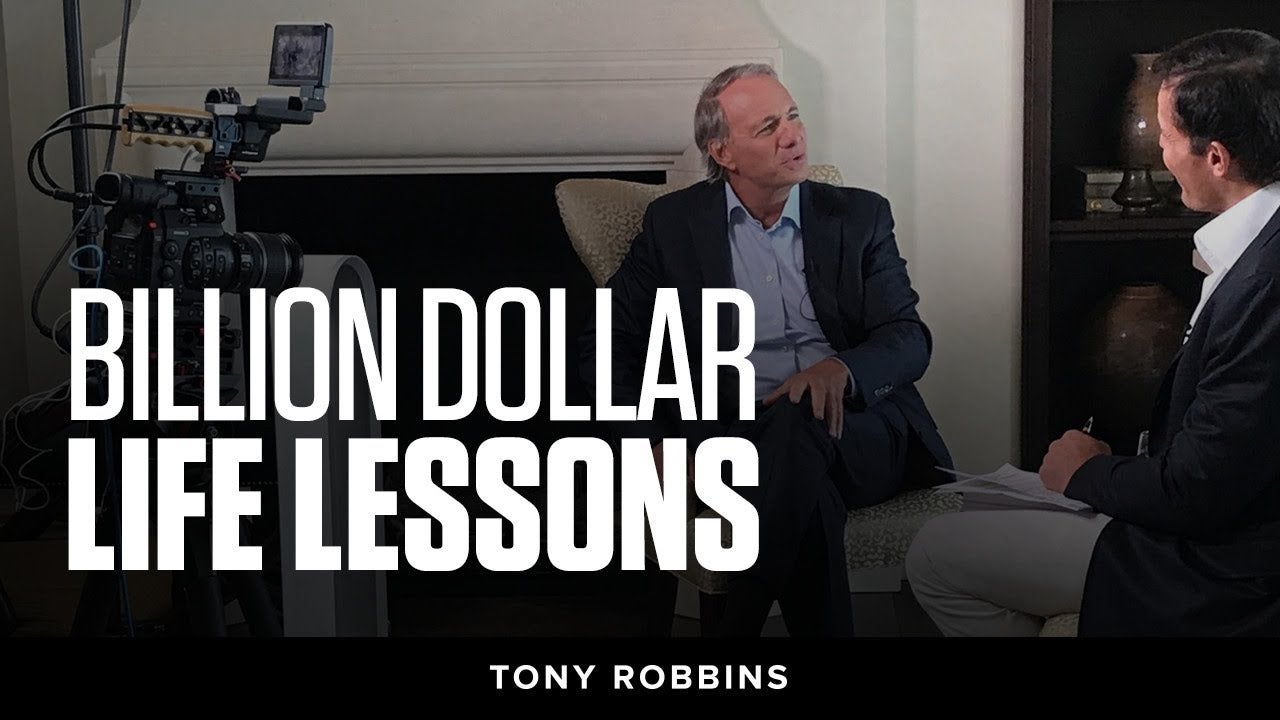
Where is the economy is today – is it growing? Flat? Declining? Uploaded 15-10-19 What about YOUR economy – your personal investments, your nest egg? How safe is it, and how likely it is to grow at the rate you want it to? When you think about your current investments, how do you feel? Secure, or are you half-panicked? For many, the recession of 2008 still lingers. Those who suffered are waiting, white-knuckled, holding on to their portfolios and still wondering what to do next. We have, after all, been in one of the longest bull markets in history and bull markets always come to an end at some point. So how do you protect yourself from the possibility of another 2008? And how can you start to take a more proactive, confident approach to your portfolio? When Tony wrote Money Master the Game, he had the unique privilege of sitting down with some of the most successful, masterful investors and financial gurus of all time – including the legendary Ray Dalio. Ray founded the investment man
Understanding how to protect your wealth from a global financial crisis requires more than watching the stock market, following interest rates, or accumulating money in a retirement account. It requires understanding the financial system that supports the value of those assets. What happens when the institutions people trust to protect their money become a source of financial risk? In this encore presentation of The Rich Dad Radio Show, Robert Kiyosaki, best-selling author of Rich Dad Poor Dad, sits down with international investor and wealth preservation specialist Egon von Greyerz to examine the risks facing the global economy and why traditional approaches to protecting wealth may leave investors financially vulnerable. With decades of experience in international banking, business, and investment management, Egon brings a global perspective to a problem that extends far beyond the United States. What happens when governments accumulate more debt than they can sustainably manage? Rob
Craig talks with Gavin Hegney in Perth about slowing property sales and changing market conditions. The latest weekly snapshot recorded 594 sales, with house sales down 2.6%, unit sales falling 7.5% and land sales dropping 19.5%. Annual median prices stand at $965,000 for houses and $700,000 for units. ► Dubai: https://podcasts.apple.com/us/podcast/dubai-property-podcast/id1662176569 ► Email: [email protected]
Craig speaks with Gabby Macourt from Buyer Ambassadors about NSW underquoting laws and the delay until December 1, 2027. What does this mean for property buyers navigating the Australian real estate market? They discuss price guides, transparency and why understanding a property's likely price range matters before attending inspections. ► Email: [email protected]
This Sunday on the Aussie Real Estate Podcast, Craig revisits the week’s key property stories, from AI-driven data centre expansion and its impact on electricity and water demand to off-the-plan buying risks. Plus, discover why Sydney buyers are negotiating major discounts and the true upfront cost of buying an Australian home. ► Email: [email protected]
News organizations should disclose major financial relationships that could influence their coverage.
Share your view, then see how readers voted. No sign-in required. This poll is shared across stories.
Do you agree or disagree?
Common Quandary
A Common Quandary to discuss
Another conversation to explore, separate from this news story.
An app can text exactly like someone you lost. Would you keep talking to it?
A service can create a conversational likeness from a deceased person's messages and recordings. A grieving family member finds it comforting, although the deceased never consented to this use of their data.
Can comfort justify creating a voice the dead never authorized?