Listen through the publisher, then discuss the episode here or arrange an in-person Roundtable. Your city determines where to meet.
Roundtables are designed for groups of four, with a shared subject and room for everyone to speak. Come for discussion, with no dating expectation.
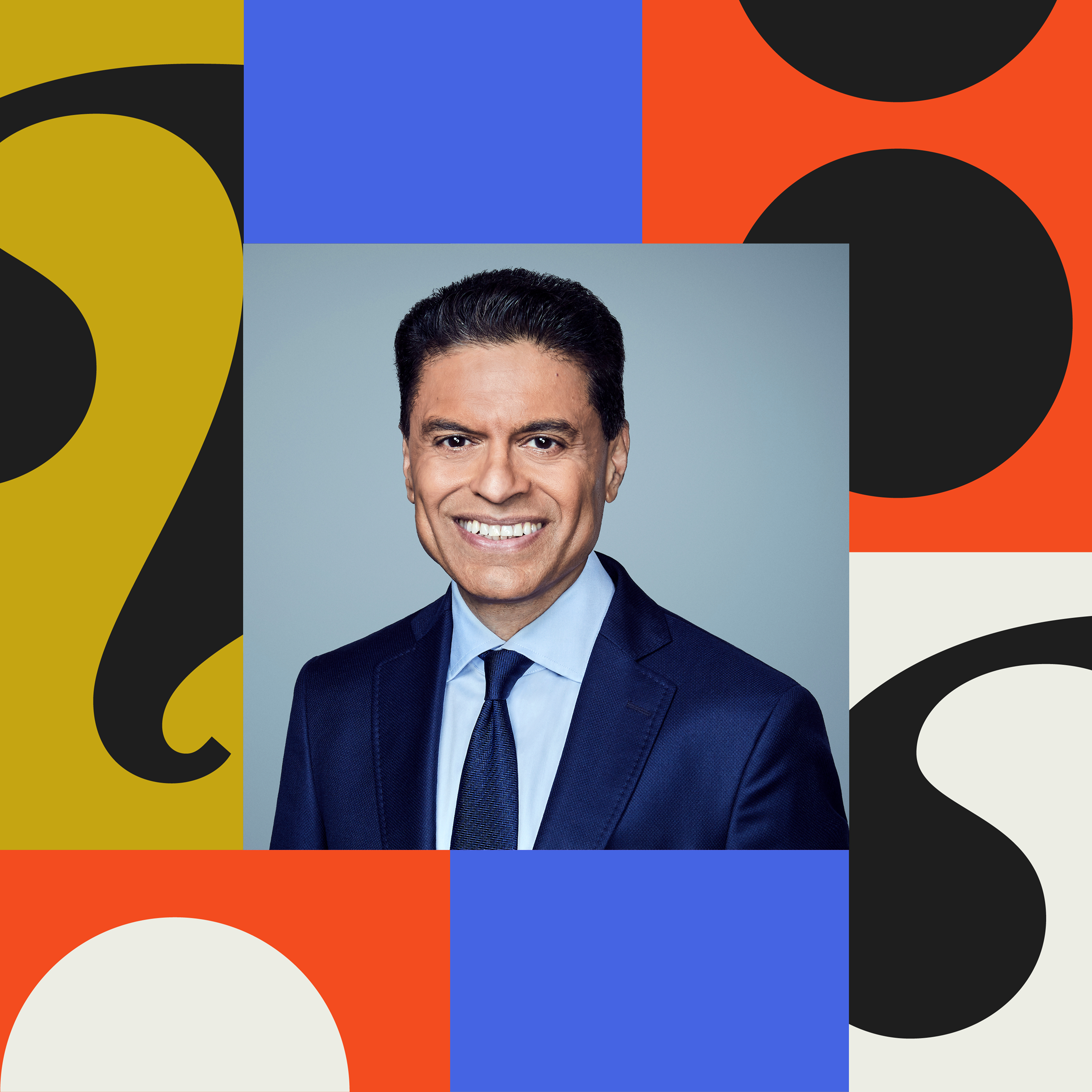
Throughout history, a familiar pattern has shown itself: Political elites lose touch with the people over whom they rule, and those people rebel in one way or another. But eventually a new kind of elite asserts itself. The rise of Donald Trump as a political force more than a decade ago was part of one such global wave of anti-elite sentiment. If the midterm results signal the end of the Trump era, do they also signal the beginning of the end of our populist moment? In this episode of The Permanent Questions, Fareed Zakaria joins David Brooks to discuss the history of liberal democracy and the inevitable reactions against it, why technology makes this reaction different from others, and the ways in which our liberal elite will have to change if they want to own the future. - - -
Episode information is provided by the publisher. Listening takes place on the publisher’s service.
The International Court of Justice has found Myanmar responsible for genocide against the Rohingya, in one of the most significant legal judgements since the Genocide Convention was adopted after World War II. It is the first time that the court has found a state responsible for committing genocide. The ruling centres on the military's 2017 campaign in Rakhine State, which drove more than 740,000 Rohingya into neighbouring Bangladesh. ABC Asia editor Karishma Vyas joins Geraldine Doogue to explain how the case was won, why proving genocidal intent matters, and why lawyers and governments around the world will be studying the judgement closely. They also examine reports of secret talks between the Trump administration and Myanmar's military leadership, and what Washington's interest in rare earth minerals reveals about the shifting balance of power between the United States and China. Plus, Donald Trump, Xi Jinping and Vladimir Putin gather in Shenzhen for an extraordinary three-way sum
This is a Grave Talks CLASSIC EPISODE! PART TWO Built in 1901 in the small railroad town of Wymore, Nebraska, the Haunted Stephenson Building has carried more than a century of stories within its walls. Located in the heart of downtown near the railroad line that built the town, the structure was part of the early business district and reportedly served over the years as a dance hall, saloon, gambling space, and possibly even a brothel — the kind of place where money flowed, tempers flared, and secrets were buried. Today, it operates as a paranormal investigation site and oddities museum, attracting those who want to see if the rumors are true. Visitors consistently report footsteps pacing on empty upper floors, whispers captured in silent rooms, cold air that moves against logic, and shadow figures that vanish the moment you focus on them. Owner Christie Ayers joins us to discuss the building’s layered past and the unsettling question at the center of it all: are these simply echoes o
Fin Taylor is an English comedian, writer and podcaster. Horatio Gould is also an English comedian, writer, and podcaster. Expect to learn why there is such a range of historical beauty standards, what historians think about Clavicular, why the Manosphere has gone back to the Stone Age way of thinking, which historical world leaders had the best rizz, the most overrated dictators of history, how much of a genius Napoloean really was, the most corrupt sporting event in history, and much more… Get a free bottle of D3K2, an AG1 Welcome Kit, and more when you first subscribe at https://ag1.info/modernwisdom Timestamps: (00:00) Is There a Secret War Between Historians? (01:01) Maxxing vs Mogging: How Beauty Standards Have Changed (09:19) How Incels Are Reshaping Modern Beauty Standards (15:13) Why Henry VIII Was Such a Ruthless King (24:35) Is David Starkey a Controversial Historian? (29:24) Why Fin & Horatio Can't Stop Talking About Hitler (31:02) Where Would Dictators Go on the Political
Master the skills that change lives — enroll in your free human behavior course today: https://nci.university/learn Uploaded 15-01-26 EXECUTIVE SUMMARY: Video: What It Feels Like to See Into People Purpose: Reframe how human behavior is actually driven and perceived Outcome: Permanent shift in how you experience people and conversations CORE IDEA: Human behavior is not driven by beliefs, opinions, or logic. Those are after-action reports. Behavior is driven by the nervous system’s constant assessment of: • safety • approval • power • avoidance of shame Decisions are made before conscious thought. Beliefs are constructed afterward to justify what already happened. WHY THIS MATTERS: Most people spend their lives interacting with: • beliefs • arguments • explanations • surface narratives As a result, they miss the layer where real decisions are made. This video focuses on that lower layer — the one that actually governs: • conflict • influence • attraction • resistance • leadership • trus
Welcome back to Two Parents & A Podcast! We are officially deeming this the BEST week of the year.. major THURSDAY vibes all week long (and you KNOW Alex's fav day of the week has always been Thursday). We're back from Friendsgiving weekend: our neighbors hosted 75+ people out at the ranch, and the night before, Harrison kicked things off with his now-annual fried chicken dinner (big chicken guy!!!) The episode starts with a few bickers.. we were once again reminded that we are NOT kitchen-compatible (accepted, moving on), and the Christmas decor went up early, so the house is currently half Thanksgiving, half Christmas. One of us loves it.. one of us is "confused." Please weigh in. (^guys isn't this just the definition of the holiday season with your spouse lol..) ANYWAYS.. to celebrate our favorite week: a GIVEBACK*!! We're sponsoring YOUR Turkey Trot. Comment your city + the name of your Turkey Trot by Tuesday @ 12PM CST and we'll pick winners to reimburse their race entry, courtesy
On this gripping episode of #POWERCAST, you won't want to miss this must-listen conversation! Charlie Angus, the steadfast Leader of the Resistance and host of Meidas Canada, joins OShow host Laura Babcock to unpack the escalating threats the Trump regime poses to Canada. With figures like Hegseth trying to dismantle our crucial military relationship, we must stand united against these challenges. Prime Minister Mark Carney is courageously pushing back, but we need to rally behind him and demand accountability from MAGA Premiers Smith and Ford for their concerning plans regarding healthcare. This isn't just politics; it's about our country's future and the well-being of our citizens. In addition, let’s call out Pierre Poilievre's disgraceful antics, including shameful jokes at the expense of Katy Perry and Justin Trudeau. We must elevate the discourse, foster a political environment that reflects our values and integrity, and hold the media accountable for their American-appeasement he
One of the things that President Trump seems to admire most about his embattled defense secretary is Pete Hegseth’s vision of warrior masculinity, a vision Hegseth has attempted to impose on the military, through the firing of qualified high-ranking female officers, the denigration of long-established rules of engagement, and even the proposed screening of service members’ testosterone levels. These efforts are taking place at a time when many young American men are facing a very real crisis, but they don’t seem to have landed among their target audience: Male voters under 30 swung 40 percent toward Democrats in the midterms, one of the election’s largest such demographic shifts. In this episode of The Permanent Questions, David Brooks talks with Phil Klay, a Marine Corps veteran, National Book Award–winning novelist and story writer, and close observer of the effects that our 21st-century wars have had on American soldiers. Klay explains why Hegseth’s version of manhood is bad for men
What is beauty? Is it really “in the eye of the beholder,” or is it an objective quality that exists in the world? Is it a mere decorative feature of life, or does it have something important to tell us? These are enduring human questions, but ones that the art world and the academic humanities—the natural custodians of beauty—gave up answering for a long time. In this episode, David Brooks talks to the Harvard professor Elaine Scarry, whose now-classic book On Beauty and Being Just brought the subject back to serious attention 25 years ago. David and Scarry discuss the ladder of loves, the universal appeal of symmetry, and why even prisoners at Guantánamo want to look at pretty pictures. - - -
Employers should measure outcomes instead of continuously monitoring workers' activity.
Share your view, then see how readers voted. No sign-in required. This poll is shared across stories.
Do you agree or disagree?
Common Quandary
A Common Quandary to discuss
Another conversation to explore, separate from this news story.
Someone holds a grocery line spot while their partner fills the cart. Is that cutting?
A shopper with one item stands ahead of you in a long checkout line. Just before reaching the register, their partner arrives with a cart packed to the top and joins them. They insist they were shopping together all along.
Can one person reserve a place in line for an unknown amount of work?