English-language podcasts

The Fourcast

Justice Minister challenged: Is the law protecting PREDATORS and failing VICTIMS?
23 min

Listen through the publisher, then discuss the episode here or arrange an in-person Roundtable. Your city determines where to meet.

Roundtables are designed for groups of four, with a shared subject and room for everyone to speak. Come for discussion, with no dating expectation.

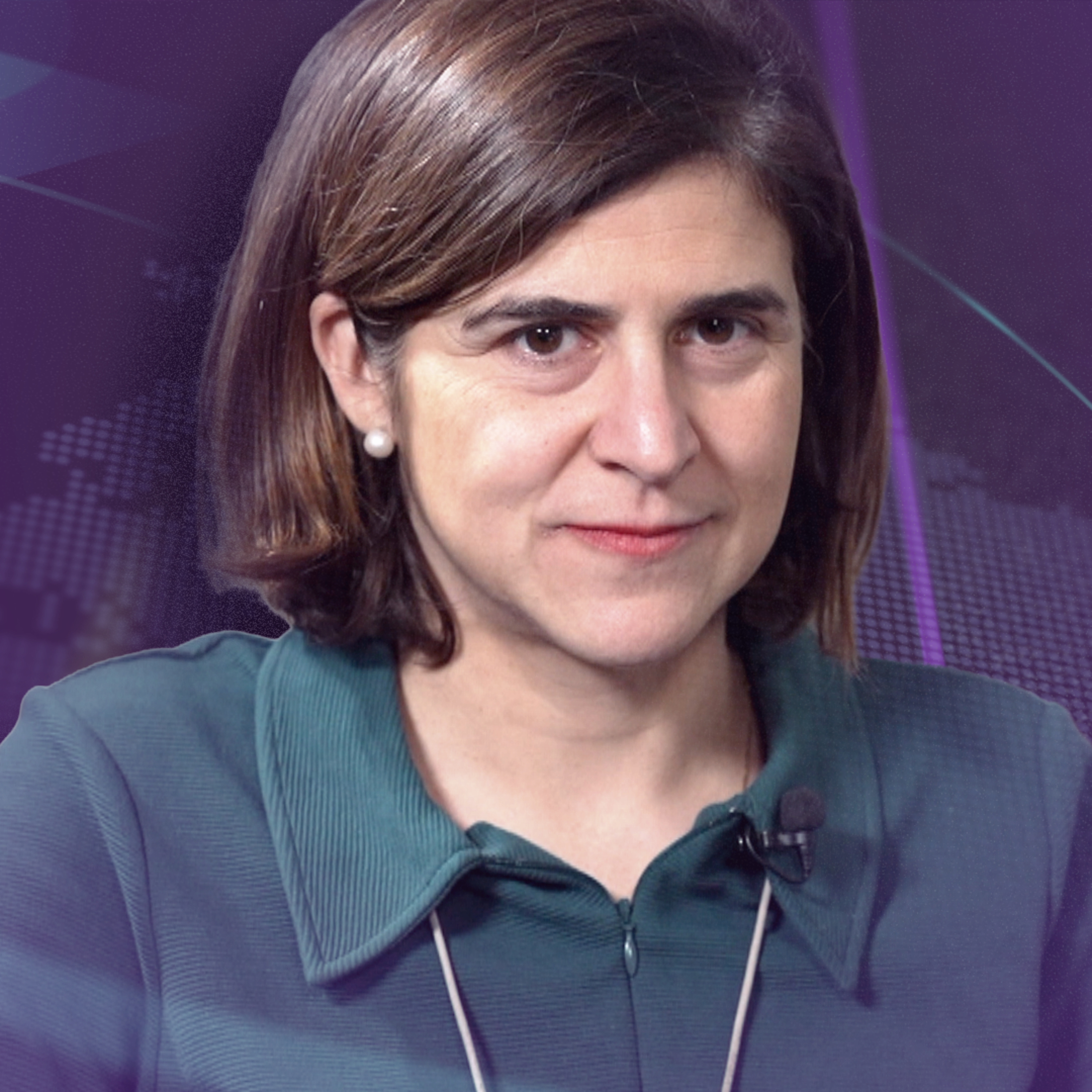
Is the law protecting predators and making it harder for victims of sexual assault to get justice?The Russell Brand trial has reignited questions about the use of rape myths in court, after his defence barrister was criticised for questioning the behaviour of the women who gave evidence against him.Meanwhile, allegations against comedian and broadcaster David Walliams, which he strenuously denies, have raised further questions about the use of aggressive legal threats to stop people speaking out.Now the government is backing new legislation designed to protect victims, journalists and whistleblowers from so-called SLAPPs - strategic lawsuits used by powerful individuals and organisations to silence their critics.But will the changes go far enough? And what about the women who are still bound by non-disclosure agreements?Jackie Long speaks to Sarah Sackman KC, the Justice Minister, about rape myths in court, the Russell Brand trial, NDAs and whether the law is doing enough to protect victims of powerful men.

Episode information is provided by the publisher. Listening takes place on the publisher’s service.

Listen at the source ↗

Featured places to meet in Palo Alto, CA

Explore these places and arrange a conversation through ThinkMatch.

City guide for Palo Alto, CA

More from The Fourcast

The Fourcast

A million satellites in space? Inside Elon Musk’s AI plan

30 min

Could the future of artificial intelligence lie in outer space? The US telecoms regulator has given Elon Musk’s SpaceX the green light to pursue plans for up to a million satellites that would act as orbiting AI data centres, powered by the Sun and beaming data back to Earth. Supporters say it could help solve AI’s enormous energy demands by reducing pressure on Earth's electricity grids, cutting water consumption and providing a more sustainable way to power the AI revolution. But can it really work, and what would the consequences be for the environment, our night skies and the future of space? In this episode of The Fourcast, Keme Nzerem is joined by Per Wimmer, private astronaut and one-time friend of Elon Musk, and Maggie Lieu, a Research Fellow of Machine Learning & Cosmology at the University of Nottingham.

Discuss this episode

The Fourcast

Nvidia stocks PLUMMET: is Trump's economic model about to CRASH?

44 min

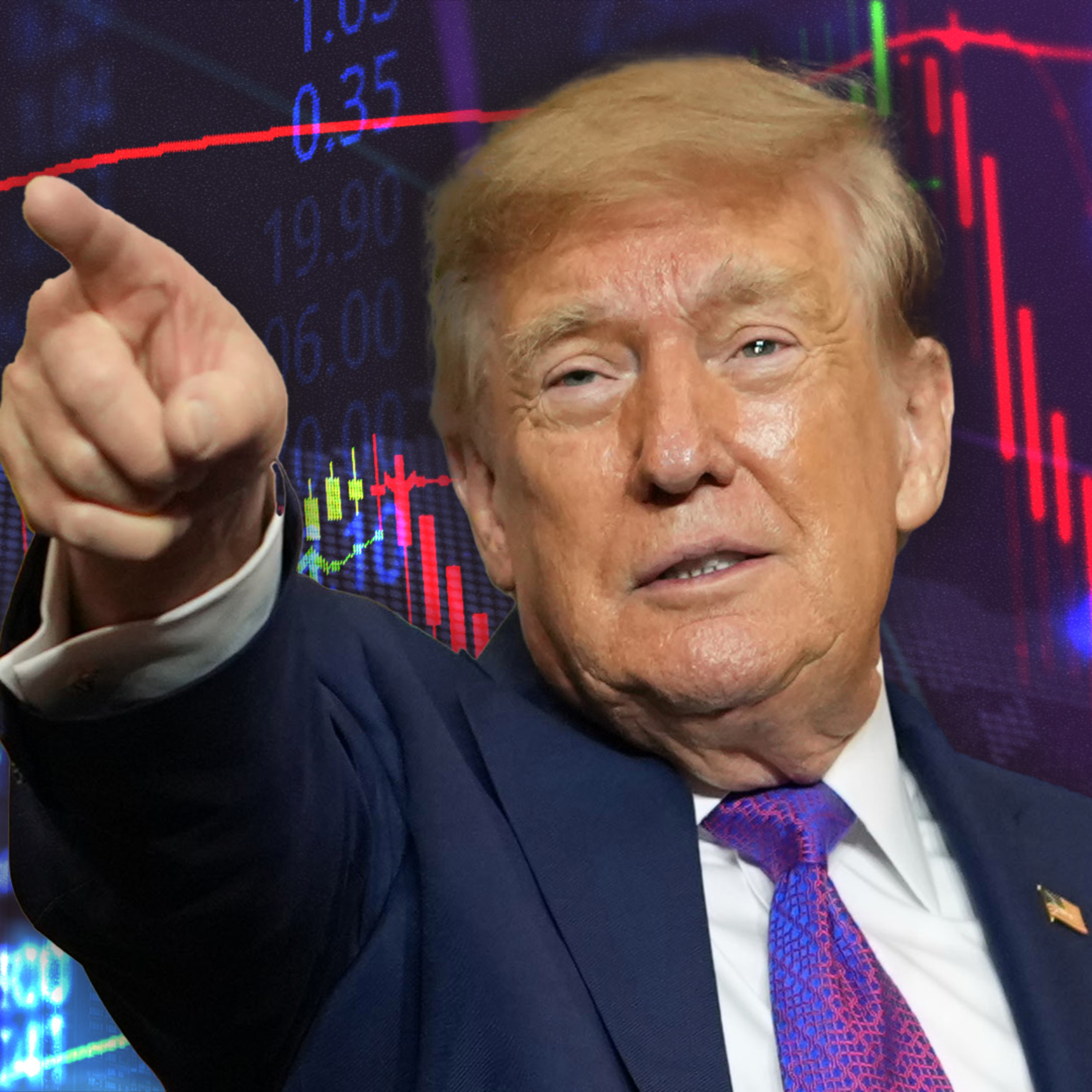
Nvidia’s leather jacketed founder Jensen Huang is back to a raucous reception at the company’s HQ and in markets across the world. On the news of his reinstatement, nearly a trillion dollars was added to the company's value and almost 3 trillion dollars to global stock markets, before stocks plummeted a day later. Donald Trump has boasted that it was him who pressured the board of the chip company to secure Huang’s return - despite the founder’s affair with a Chinese spy. Trump says his rapid resurrection is because the company’s too important for America's economic future. But now the market is going in reverse amid backlash to the president’s interventions. So what is going on and what does it say about the state of the global economic system? On this episode of the Fourcast, Helia Ebrahimi is joined by German economist Isabella Weber, whose new book Anti-fascist Economics calls for more government intervention in the face of the cost of living crisis and Julian Jessop, an independen

Discuss this episode

The Fourcast

New World Disorder? Why does the world not want to work together?

31 min

The collapse of COP31 is about more than another failed climate summit. It raises a much bigger question - is the world losing its ability - and willingness - to work together? And it’s not just climate change - just look at Ukraine, The Middle East, trade wars and geopolitical rivalries - the international order looks increasingly fractured. Those titans of institutions created after the destruction of WW2 - the UN, NATO, WHO - even the bones of what would later become the EU - were built on the belief that we were stronger working together. Are we witnessing the slow unraveling of the post-war world order? Who are the winners and losers? And if that old system is not working - what comes next? Lord Mark Malloch Brown, Diplomat and former Deputy Secretary-General of the UN - amongst many things - and Susi Dennison, senior policy fellow at the European Council on Foreign Relations joins Matt in the studio to ask if these big institutions are losing their authority, influence and releva

Discuss this episode

Community Poll

Basic classroom needs should take priority over optional school programs when budgets are cut.

Share your view, then see how readers voted. No sign-in required. This poll is shared across stories.

Do you agree or disagree?

Choose one answer

Common Quandary

A Common Quandary to discuss

Another conversation to explore, separate from this news story.

The stadium can ban violent fans by scanning every face at the gate. Would you walk in?

A stadium can use facial recognition to identify people banned for violence and shorten security lines. Every visitor would be scanned, error rates are not zero, and the resulting biometric data could become useful to police or advertisers.

How much privacy may a crowd be asked to trade for collective safety?

Explore this quandary