Listen through the publisher, then discuss the episode here or arrange an in-person Roundtable. Your city determines where to meet.
Roundtables are designed for groups of four, with a shared subject and room for everyone to speak. Come for discussion, with no dating expectation.
When the terrorist group, Islamic State, invaded Sinjar province in Iraq in 2014, they murdered an estimated 5,000 Yazidi people and kidnapped thousands of women and children, forcing them into slavery and sexual exploitation. The crimes committed against the Yazidi have been described as a genocide, but justice has come slowly for the victim survivors. So slowly that on November 16-18 in Berlin, a truth commission (https://researchcentres.citystgeorges.ac.uk/genocide-accountability-participation-solutions/truth-commission) is taking place to gather oral evidence from victim survivors about the atrocities perpetrated by ISIS fighters. The commission is being held in the hopes of spurring "domestic legislation, universal jurisdiction prosecutions, and possibly the establishment of a dedicated international tribunal." Guest: Baroness Helena Kennedy, chair of the commission. Director of the International Bar Association's Human Rights Institute, a founding member of Doughty Street Chambers, King’s Counsel and member of the House of Lords.
Episode information is provided by the publisher. Listening takes place on the publisher’s service.
A summit like no other. In a political first, President Trump sat down with President Putin and President Xi for an unprecedented trilateral meeting. He insists they’re all friends, but what does this mean for their conflicting agendas in Iran and Ukraine? Former Biden adviser Rush Doshi joins Christiane Amanpour to assess what was, or wasn’t, achieved. Then, in a landmark case, the International Court of Justice has found Myanmar guilty of committing genocide against the minority Rohingya population. The U.N. High Commissioner for Human Rights, Volker Türk, joins the show to discuss why this moment is so important. Plus, CNN’s Clare Sebastian takes us underground to look at how Ukraine’s innovative operation is helping the country make substantial gains. And best-selling author Elizabeth Strout discusses her new book ‘The Things We Never Say’, exploring the political and personal tensions of America that emerged during the 2024 presidential election. From the archive, my report from U
Alex Murdaugh's murder retrial has a new question hanging over it, and it starts with a shirt. The defense says SLED's lead agent, David Owen, described blood spatter to the grand jury even though the agency's own lab had found no human blood in tested stains. It also challenges his claim that shotguns at Moselle were loaded like the weapon used to kill Paul. At the November 13 hearing, Judge Debra McCaslin heard the arguments and did not toss the charges. She said she would try to issue a written decision by November 20. Before adjourning, she asked whether prosecutors could return to a grand jury and keep the April 5, 2027 retrial date. That's a practical question, not a verdict about anyone's honesty. Creighton Waters argued that Owen's statements were not intentionally deceptive and that the spatter expert continued to stand by his interpretation. The State also points to the kennel video and other evidence it says supports the indictment. The defense counters that the grand jury s
Monday, November 21st, 2022 In the Hot Notes; Attorney General Merrick Garland has appointed Jack Smith special counsel to investigate Donald Trump; a shooting at an LGBTQ+ club in Colorado Springs with an assault weapon leaves five dead and 18 injured; a GOP operative is convicted of funneling money to Donald Trump; a Florida judge blocks Desantis anti woke law for colleges; and evidence shows Justice Alito leaked the Hobby Lobby decision before it was released; plus Allison delivers your Good News. Our Guest: Andrew Weissman Where Law Ends Reminder - you can see the pod pics if you become a Patron. Listener Survey: Follow the Podcast on Apple: Want to support the show and get it ad-free and early? Hosted by Simplecast, an AdsWizz company.
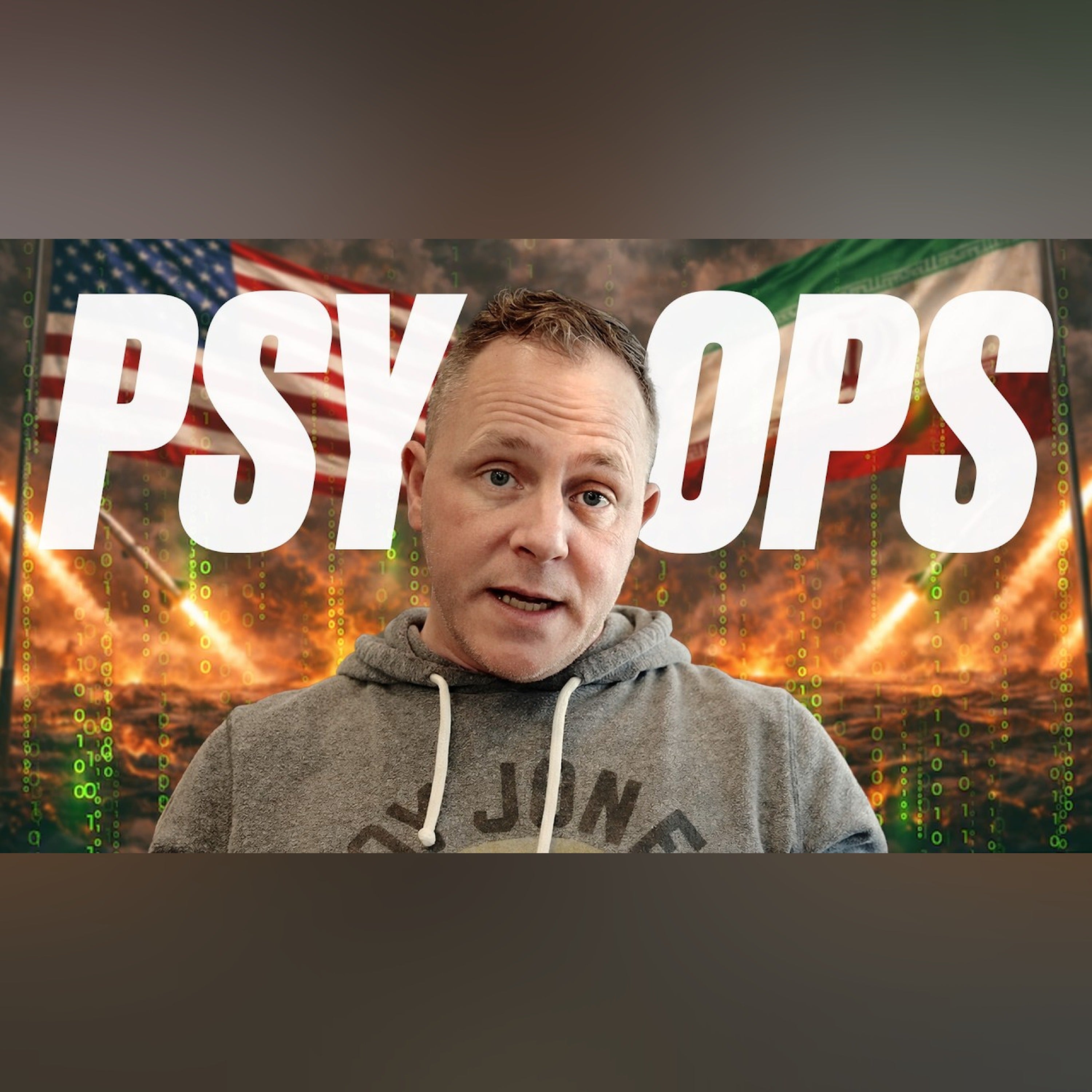
Master the skills that change lives — enroll in your free human behavior course today: https://nci.university/learn Uploaded 01-03-26 Iran didn’t slowly become what you see on the news — it was psychologically taken. In this episode, I break down the real mechanism behind Iran’s transformation: the difference between a people and the system that cages them, how revolutions don’t shift power but shift who gets to use violence, and why fear — not religion — became the enforcement tool. From a modern, secular Iran in the 60s and 70s to a regime sustained by narrative control, surveillance, and compliance rituals, this is a case study in how educated civilizations get hijacked without realizing it. We’ll dissect the psychological trap that started in 1979, why today’s protests are memory colliding with fear, and the three paths Iran is likely to take next. This isn’t just about Iran — it’s a preview of what happens anywhere belief becomes mandatory and truth becomes a liability. Please not
For review: 1. Iraq has reached a compromise with the powerful Iran-backed militia Kataeb Hezbollah, three senior security officials said, after Prime Minister Ali al-Zaidi readied security forces to move against the group. Reflecting the gravity of the situation, Iraqi Shiite political sources said Esmail Qaani, commander of Iran’s elite Revolutionary Guards’ Quds Force, arrived in Baghdad late on Monday to help defuse tensions with Kataeb Hezbollah, Tehran’s most powerful militia ally in Iraq. 2. Lebanese President Joseph Aoun launched a lengthy rebuke of Iran in an Independence Day address, arguing that the Islamic Republic does not have the right to interfere in Lebanon’s internal affairs, as it long has via support for its local terror proxy, Hezbollah. 3. Yemen’s Houthis launched strikes on the Saudi capital Riyadh on Saturday, after vowing reprisals for a “special operation” by the Saudi-led coalition fighting them. The coalition later said it had “intercepted and destroyed” thr
Louisiana State Penitentiary, more commonly known as Angola Prison, is America’s biggest maximum security prison in a state that incarcerates more people than any other. That means they are there for having committed the most serious crimes, including murder. Most will never leave jail. Several days a year, some inmates are allowed to take part in the US's last prison rodeo. Whilst the inmates are primarily black, the paying audience is mostly white. Supporters of the rodeo say it’s a chance for the prisoners to interact with people from outside the prison and also potentially earn some money to send back to family or make their life more palatable. Opponents say it is exploitation - not unlike a roman gladiatorial contest, where the audience gleefully waits to see if the bulls are going to get the better of the cowboys. Anna Adams reports from Louisiana.
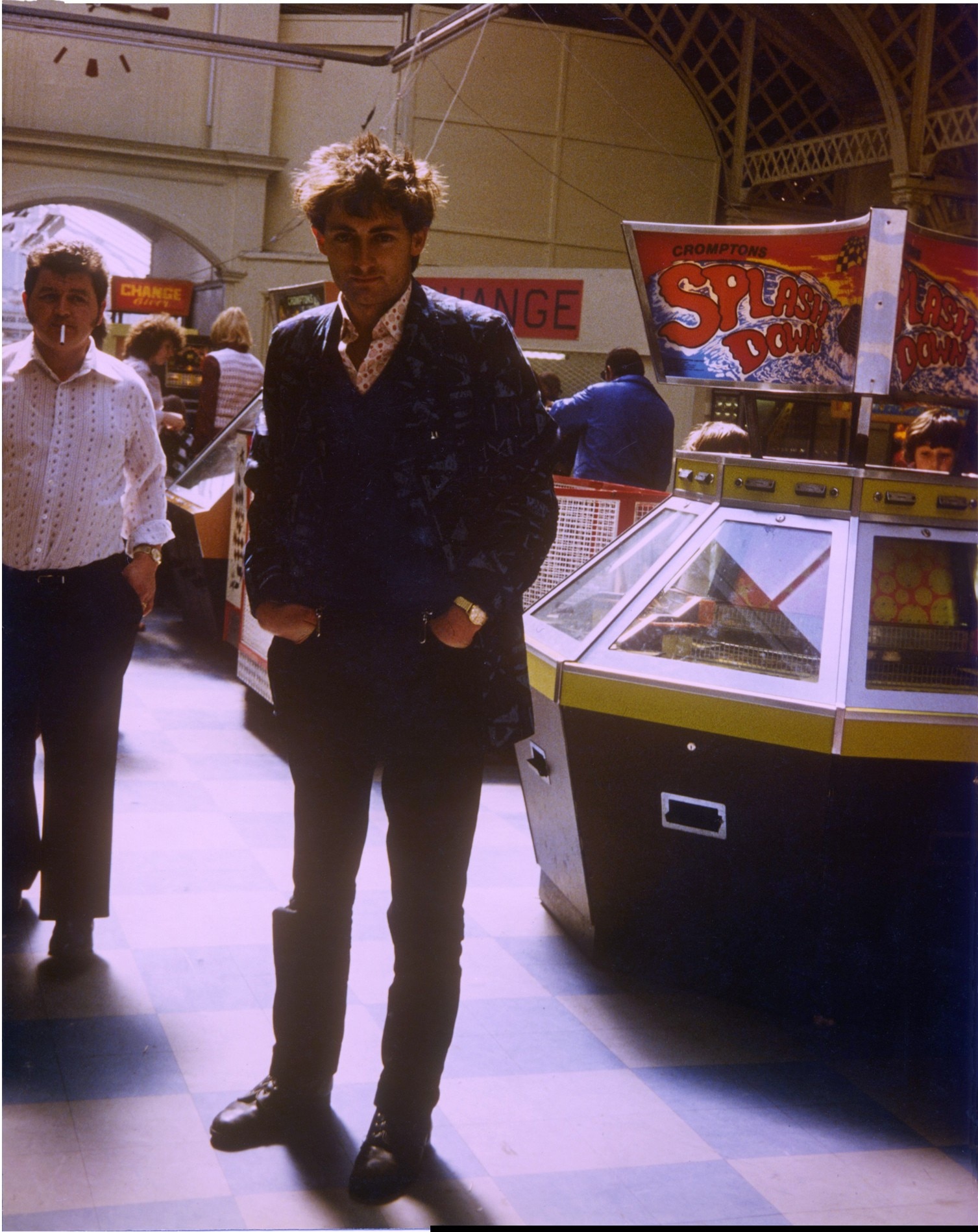
Dave Faulkner is the lead singer, guitarist and founding member of The Hoodoo Gurus. 1979 was a life-changing year for Dave that led to the creation of the band that the ARIA Hall of Fame call "one of the most inventive, lyrically smart and exciting rock’n’roll bands Australia has ever produced”.
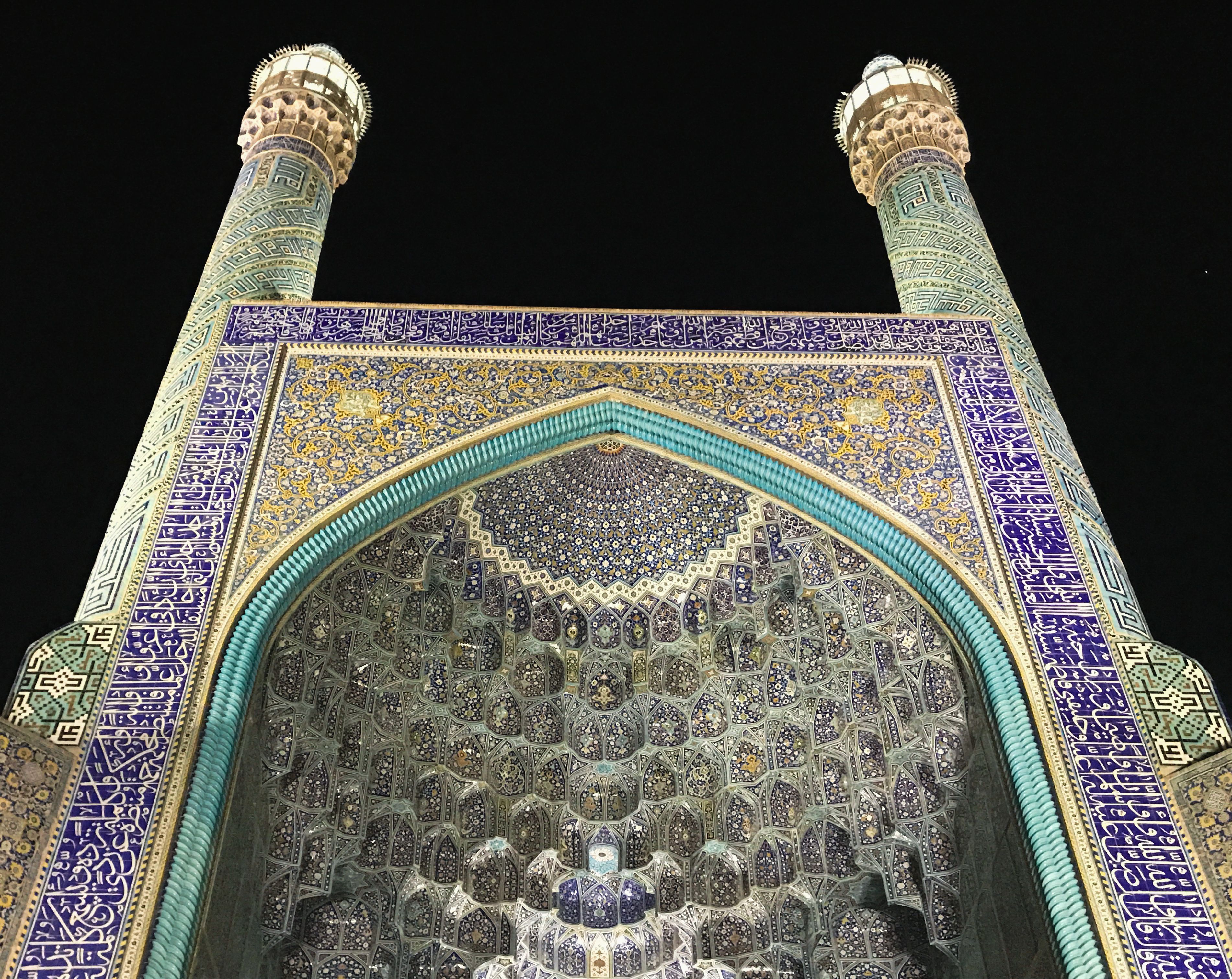
Modern architecture and design is largely defined by simple silhouettes and smooth edges. Have you ever found yourself wondering: where did all the ornamentation go? That is the central question being asked by author and content creator Isabella Segalovich in her forthcoming book Ornament Now: the Destruction and Return of Pattern and Craft. Ornament Now: the Destruction and Return of Pattern and Craft is available for pre-order here (https://www.amazon.com/Ornament-Now-Destruction-Return-Pattern/dp/1915722411). Guest: Isabella Segalovich (https://www.interstellarisabellar.com/), author of Ornament Now: The Destruction and Return of Pattern and Craft
The first authorised biography of American comedian Larry David, the creator of Seinfeld and Curb Your Enthusiasm has just been released, and as a review in The Guardian (https://www.theguardian.com/tv-and-radio/2026/oct/25/theres-nothing-interesting-about-me-and-no-interest-in-me-how-larry-davids-new-biography-nearly-didnt-happen) noted, it might be "the most begrudgingly authorised biography ever written."
Students should help shape decisions about what and how they learn.
Share your view, then see how readers voted. No sign-in required. This poll is shared across stories.
Do you agree or disagree?
Common Quandary
A Common Quandary to discuss
Another conversation to explore, separate from this news story.
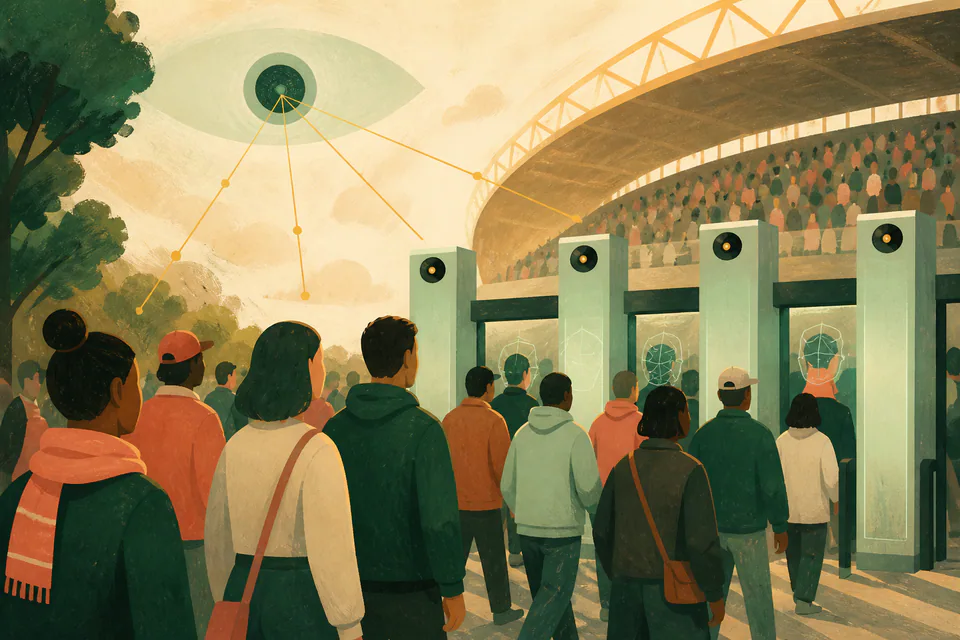
The stadium can ban violent fans by scanning every face at the gate. Would you walk in?
A stadium can use facial recognition to identify people banned for violence and shorten security lines. Every visitor would be scanned, error rates are not zero, and the resulting biometric data could become useful to police or advertisers.
How much privacy may a crowd be asked to trade for collective safety?