Listen through the publisher, then discuss the episode here or arrange an in-person Roundtable. Your city determines where to meet.
Roundtables are designed for groups of four, with a shared subject and room for everyone to speak. Come for discussion, with no dating expectation.
Sab and Jo discuss snoring dogs and happy gardens. 16:41 Tips on keeping mango trees healthy and fruiting. 18:45 ABC listener Heidi is struggling to keep her seaside rosebushes alive but luckily Sab had the answer. 25:12 Advice on when to take cuttings off your mulberry tree.Subscribe to the podcast through the ABC Listen App (https://abclisten.page.link/GktAEdBuBWLxi9hx7) or wherever you like to listen. Listen to the program live on Tuesdays at 2:20PM or on Saturdays at 9:00AM on 102.5 ABC Perth (https://abclisten.page.link/13o2EfDmUrhXvGrM9). Ask your questions by calling in on 1300 22 1025 or text 0437 22 1025.
Episode information is provided by the publisher. Listening takes place on the publisher’s service.
This year’s National Tree Week runs from 21st to 29th November, celebrating trees in all their glory, and putting them at the heart of horticultural conversation. The week also marks the official start of tree planting season, and Melissa Mabbitt talks to horticultural researcher Dr Lis Larsen about her recent findings into functional and useful trees for small domestic gardens. These are trees that not only look good but also serve a greater purpose for uses such as rainwater capture, shading and cooling. Sticking with the theme of plants being useful, Gareth talks to RHS Science & Horticulture Editor Olivia Drake about this month’s wildlife wonder plant, Viburnum opulus, otherwise known as guelder rose. And we’ll finish off the episode with your questions, answered by Gareth and Melissa Mabbitt. Host: Gareth Richards Producer: Dan Cocker Contributors: Dr. Elisabeth (Lis) Karlstad Larsen, Olivia Drake, Melissa Mabbitt Links: The Tree Council - National Tree Week (https://treecouncil.o
Pilot hiring is healthy again—or is it? James and Ilene Onieal from Raven Careers join Dylan and Max to break down the current pilot job market, explain why qualified applicants still aren't getting calls, and share what actually works when trying to land your next flying job. From NetJets and the legacy airlines to AI interviews, holiday networking, and a military pilot's decision about a Global 6500 type rating, this episode delivers practical career advice for pilots at every stage. Raven Careers — Helping your career take flight. Show Notes 0:00 Intro 2:33 Pilot Leverage Index 12:15 What Sets CFIs Apart? 18:02 Leveraging Different Environments 24:32 NetJets 30:42 Hiring At The Majors 38:33 Business Travel, Employees, & AI 47:55 Network the Next 6 Weeks 51:29 Flight Advice Question Also check out The Pilot's Portfolio Podcast. Raven Careers — Helping your career take flight. Vaerus Jet Sales — Vaerus means right, true, and real. VSL ACE Guide — Your all-in-one pilot training resourc
You might think that paying a premium for supermarket meat and dairy, and looking out for packaging that says phrases like ‘trusted farmers’ and ‘happy and healthy’ means that high animal welfare standards are a given, but our research suggests otherwise. In this episode of Which? Shorts, we bring you the results of our investigation into supermarket food labelling, revealing how major retailers Aldi, Asda, Co-op, Iceland, Lidl M&S, Morrisons, Ocado, Sainsbury’s, Tesco and Waitrose actually measure up when it comes to chicken and pork welfare. Our results show that unregulated marketing terms often blur the line between genuine welfare certifications and standard farming practices, leaving shoppers confused about what they are really paying for at the till. This episode is read by Erica McKoy (https://www.which.co.uk/author/erica-mckoy) and is based on an article written by our sustainability expert Olivia Howes (https://www.which.co.uk/author/olivia-howes), originally published in the
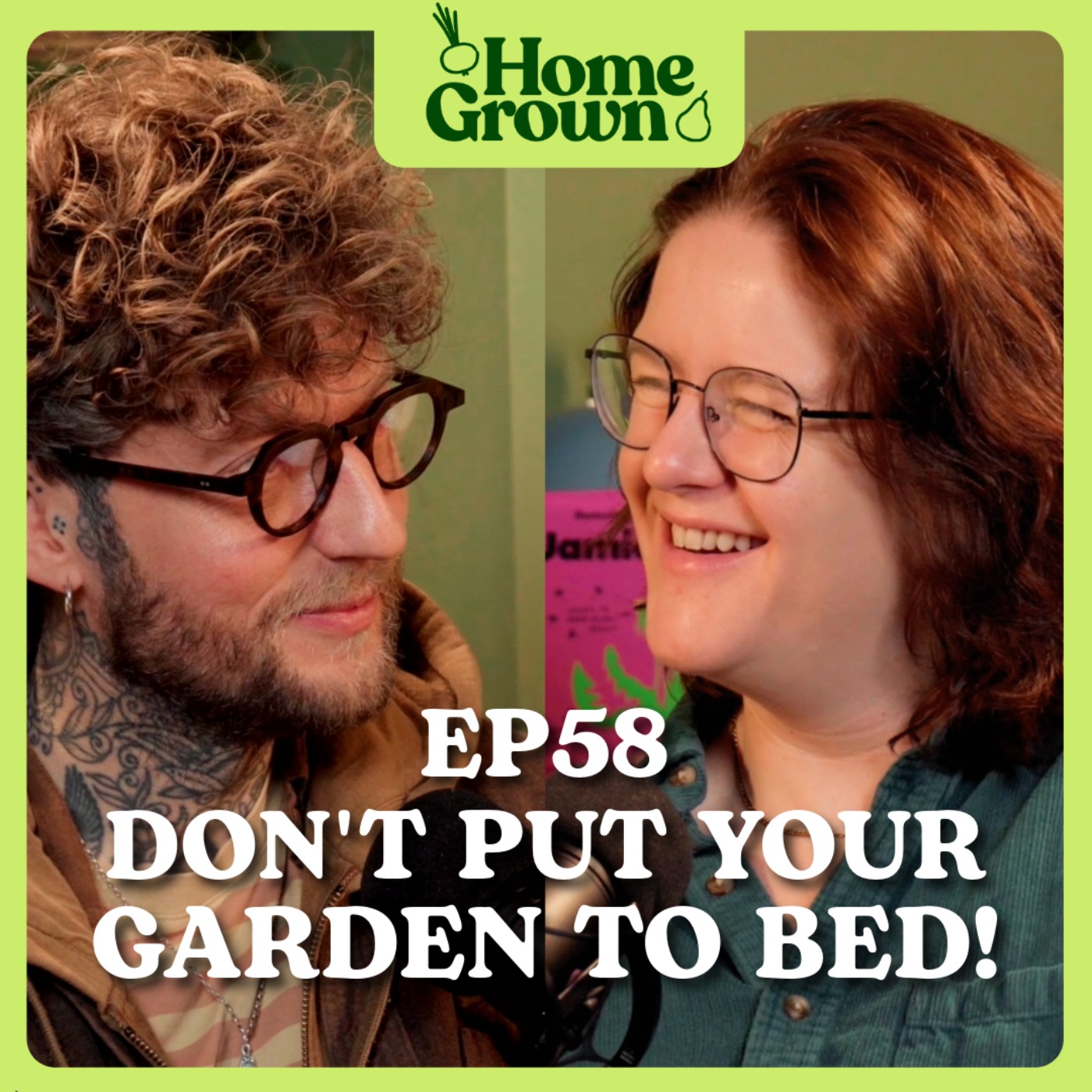
Winter can feel like the moment to clear the beds and put the garden to sleep. But in this episode Martha and Jamie make the case for doing less of the wrong work, and more of the jobs that will benefit your soil, plants and wildlife. They explain why leaf litter, hollow stems and piles of twigs create vital habitat for insects and slug predators. They also discuss why it is often better to cut spent plants at soil level and let their roots decompose, how to keep soil covered with living plants or mulch, and what still grows in colder months, including broad beans, garlic and winter salads. For hands-on jobs, the pair talk through planting fruit trees and bushes, dividing rhubarb and strawberries, pruning raspberries and gooseberries, and raising pots to improve drainage. Jamie also shares some remarkable facts about earthworms, including the different roles they play beneath our feet. Jamie's New Book 'No Need To Weed': https://geni.us/NoNeedToWeed Bread seed poppy, hen and chicks: or
Kathy Clugston and the GQT Team are in Strathpeffer in the Scottish Highlands sharing their top gardening advice with an audience of keen green-fingered guests. Joining Kathy are Frances Tophill, Kirsty Wilson, and Neil Porteous. The panellists answer questions on the correct soil type for growing carrots, hardy plant suggestions for a highland winter and how to care for meconopses. We also hear from Kirsty Wilson, GQT panellist and head of gardens at Balmoral, who shares her top tips on helping our gardens survive and flourish. Producer: Alison Vernon-Smith Assistant Producer: Will Norton A Somethin' Else production for BBC Radio 4
From gulls that nest in trees, to gulls that scream in parking lots - these birds are diverse, full of character, and can be found all across the country! Yet, gulls might be the most underappreciated and overlooked group of birds. Yousif Attia shares an array of fun facts about gull beahviours (or "seagulls" if you'd prefer), plus tips for identifying them, and why you should start "gulling". Yousif suggested checking out Facebook birding groups and simple internet searches for heaps of information on gulls, but he also shared two specific references: The Gull Guide: North America (https://buteobooks.com/products/the-gull-guide-north-america) by Amar Ayyash An app called Gullable by Ethan Moon. You can download it for free from the Google (https://play.google.com/store/apps/details?hl=en-CA&id=com.ethanmoon.GullsOfBC) orApple (https://apps.apple.com/ca/app/gullable/id6737456195) app stores. Yousif Attia's fondest birding memories come from early days spent Christmas Bird Counting arou
Sue McDougall joins Amber Cunningham, filling in for Sabrina Hahn. When your kangaroo paw has finished flowering, what needs to be done? The difference between a tissue culture and a grafted corymbia beeliar orange Like the look of a hydrangea but need something hardier?
Sab and Jo discuss lemon trees, stressed plants and cicadas in the studio. 06:03 Detailed instructions on how to move a three-metre flowering avocado tree. 08:33 Helping a lemon tree after a nearby fire caused its leaves to turn brown (Sab says lemon trees are tough!) 10:11 What to do about a gall wasp infected tree in your neighbours green waste. Listen to the program live on Tuesdays at 2:20PM or on Saturdays at 9:00AM on 102.5 ABC Radio Perth (https://abclisten.page.link/13o2EfDmUrhXvGrM9). Ask your questions by calling in on 1300 22 1025 or text 0437 22 1025.
How to manage the use of greywater in the garden Follow up on a crepe myrtle that took five days to dig out and transplant We know peanuts grow well in Kingaroy, what about in Perth?
Cities should actively seek views from residents who do not attend public meetings.
Share your view, then see how readers voted. No sign-in required. This poll is shared across stories.
Do you agree or disagree?
Common Quandary
A Common Quandary to discuss
Another conversation to explore, separate from this news story.
Your teenager locks you out of their phone. When is it okay to look?
Your usually outgoing sixteen-year-old has withdrawn and stopped seeing friends. They insist they are fine and refuse to talk. You know their phone passcode and could read their messages without being discovered.
How serious must a fear be before protection outranks privacy?