English-language podcasts

Today in Focus

Kim Jong-un, crypto bros and a $6.3bn heist

26 min

Listen through the publisher, then discuss the episode here or arrange an in-person Roundtable. Your city determines where to meet.

Roundtables are designed for groups of four, with a shared subject and room for everyone to speak. Come for discussion, with no dating expectation.

North Korea is said to be behind the theft from the crypto exchange Binance. How did they pull it off and what will they do with the money? Kalyeena Makortoff and Jean H Lee report https://www.theguardian.com/profile/kalyeena-makortoff.

Episode information is provided by the publisher. Listening takes place on the publisher’s service.

Listen at the source ↗

Featured places to meet in Palo Alto, CA

Explore these places and arrange a conversation through ThinkMatch.

City guide for Palo Alto, CA

More from Today in Focus

Today in Focus

Is Anthropic really worth $1.3 trillion? - The Latest

13 min

The AI firm and Claude chatbot maker Anthropic has made a historic stock market debut, with a peak valuation of $1.3tn on its first day of trading. It marks a remarkable ascent for a start-up launched in just 2021 by a group of ex-OpenAI staffers. Anthropic’s CEO, Dario Amodei, said the record-breaking IPO had ‘strengthened’ the company’s resolve to ‘do the right thing’. Despite the excitement, the Guardian’s head of business John Collingridge tells Lucy Hough that there are still challenges ahead for the global AI industry – watch on YouTube (https://www.youtube.com/@todayinfocuspodcast).

Discuss this episode

Community Poll

Environmental commitments should be judged by measured outcomes rather than announced targets.

Share your view, then see how readers voted. No sign-in required. This poll is shared across stories.

Do you agree or disagree?

Choose one answer

Common Quandary

A Common Quandary to discuss

Another conversation to explore, separate from this news story.

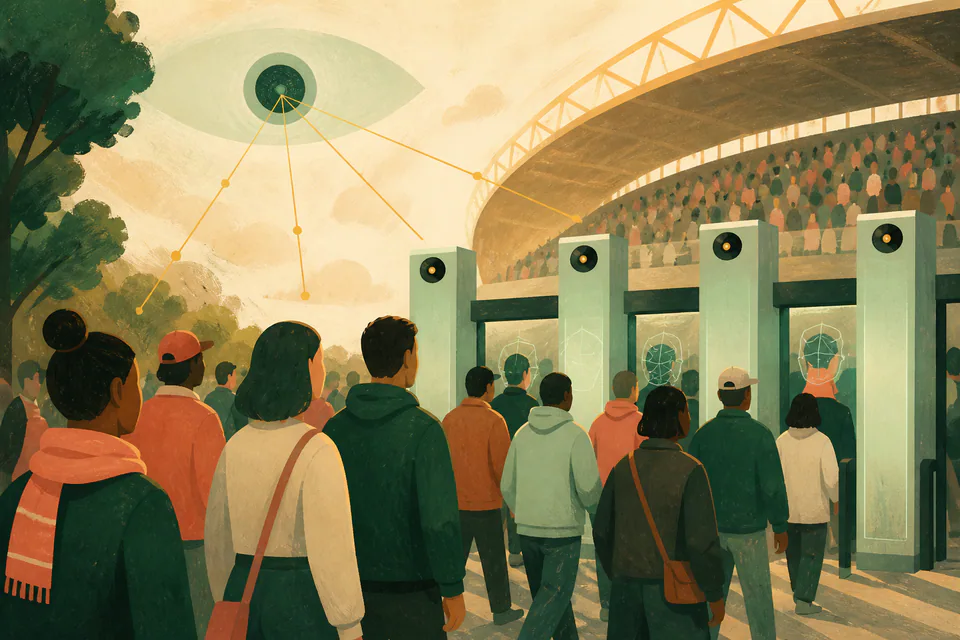
The stadium can ban violent fans by scanning every face at the gate. Would you walk in?

A stadium can use facial recognition to identify people banned for violence and shorten security lines. Every visitor would be scanned, error rates are not zero, and the resulting biometric data could become useful to police or advertisers.

How much privacy may a crowd be asked to trade for collective safety?

Explore this quandary