Listen through the publisher, then discuss the episode here or arrange an in-person Roundtable. Your city determines where to meet.
Roundtables are designed for groups of four, with a shared subject and room for everyone to speak. Come for discussion, with no dating expectation.
We fill our lives with so much noise. Somewhere amid the chaos of our busy lives, peace becomes an afterthought. In Leviticus 3, the peace offering is a symbol of Christ as a person and our fellowship with Him. Follow along as Dr. McGee shows us how the person of Christ enables us to fellowship together as believers and to commune with God through Jesus Christ.
Episode information is provided by the publisher. Listening takes place on the publisher’s service.
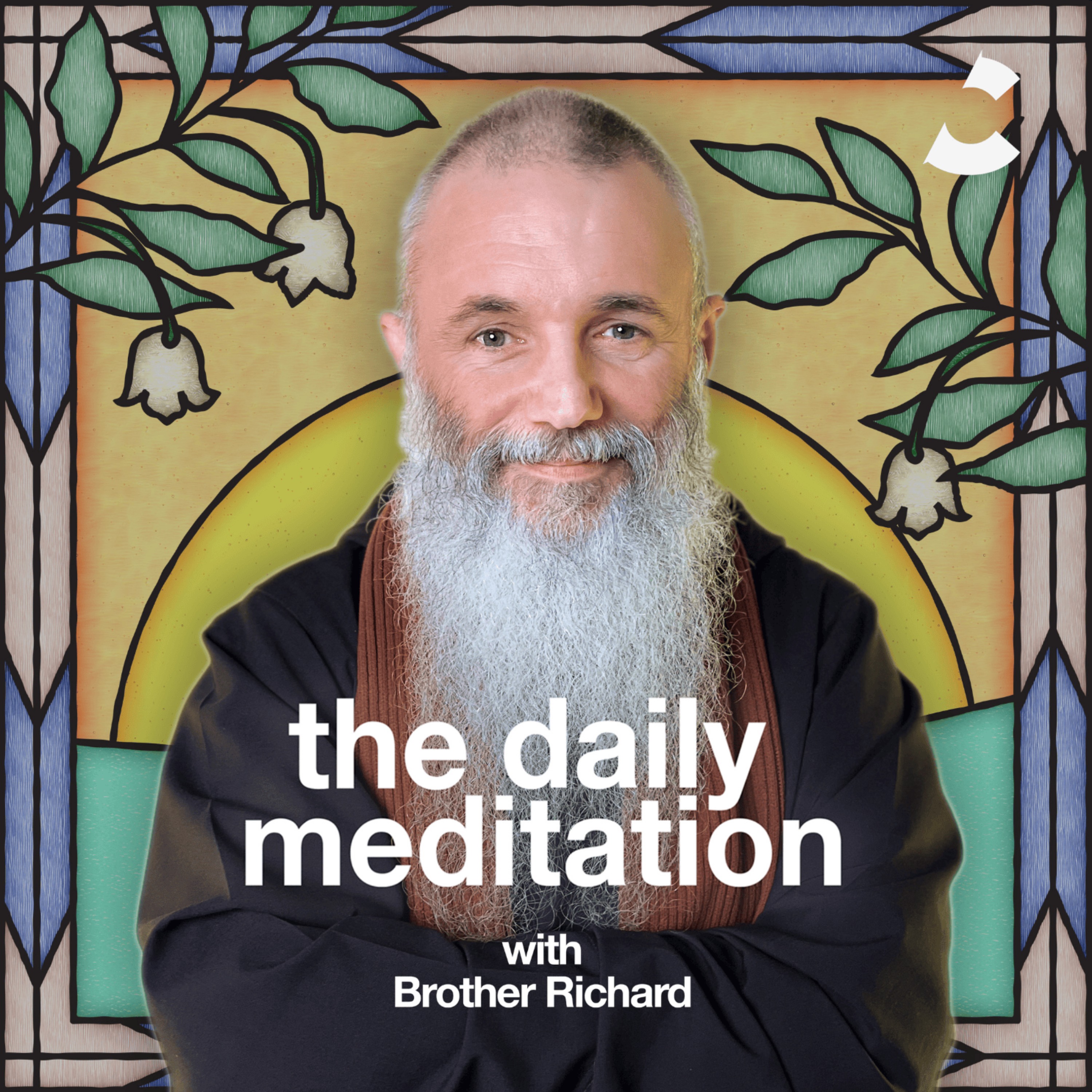
In this meditation, I invite you to reflect on the changing light of autumn as we move towards the darker days of winter. As the daylight hours grow shorter, we can sometimes feel that we are losing something. Yet the contemplative life invites us to receive each season as it is, discovering beauty and sacredness in the present moment. Beginning with the breath, we explore the difference between the changing light around us and the unchanging light of divine presence within. From the gentle light of morning to the lamps that illuminate our evenings, every expression of light becomes an invitation to awareness. As we breathe, we allow ourselves to be filled with divine light, offering compassion, peace and prayer to those in need. Chapters: 00:00 – Introduction: Autumn light 01:10 – Entering meditation with intention 01:58 – Relaxing the body and following the breath 02:48 – Returning to the present moment 03:12 – Becoming aware of the light within 03:40 – The gift of divine light 04:10
- - - - - - - P.S. Fall Harvest We are officially kicking off our seven-week Ordinary Sowing, Extraordinary Seeds: Fall Harvest Campaign for Seedbed! Over the coming weeks, we'll be sharing stories of how Jesus is multiplying your generosity through the Wake-Up Call, Bands, and New Room. We’d love for you to join us on this journey. You can learn more about the campaign or sow your gift here: https://givebutter.com/fallharvest2026 - - - - - - - - - - - - - - - - - - - JD Walt contrasts the Old Testament’s shepherding imagery with the New Testament’s “massive fishing expedition,” where the church becomes a net made of strong, loving relationships. He argues that these close, covenantal bonds—not simply attracting people to church—are how believers help others encounter Jesus. “Our relationships are the mission,” he says, encouraging listeners to build small groups, or “bands,” where people grow together in faith. JD and his father, David, sing “God Will Take Care of You” and talk about
Christians often talk about the atoning death of Christ when in conversation about spiritual things. It is often mentioned regarding its relation to salvation. However, is it possible that it could mean even more? What is the impact it is supposed to have on the rest of one’s life? In this sermon on Ephesians 5:2 titled “The Atoning Work of Christ,” Dr. Martyn Lloyd-Jones instructs on how this verse and Christ’s atonement apply to the lives of believers even after they are saved. The Scriptures are never satisfied with a mere general statement about the love of God— as this verse demonstrates, God’s love is specifically written about in the Bible because the specific acts of God demonstrate His love. A person’s conduct is determined by their doctrine. Dr. Lloyd-Jones reminds that “as a man thinks, so is he.” Thus, one’s view of the doctrine of Christ’s atonement will have consequences for the Christian walk. In Christ’s atonement, one gains a clear example of the love of God. Dr. Lloyd
Life is too short to waste on things that don't last. In this powerful message, Dr. Michael Youssef challenges believers to stop living without purpose and start living fully for Jesus Christ. Drawing from 1 Peter 4, Dr. Youssef points to Jesus, who remained focused on the Father's will even as He faced the Cross. His example shows us what it means to live with spiritual purpose, resist temptation, and remain faithful when life gets difficult. A transformed identity in Christ changes your priorities. Instead of chasing comfort, approval, or worldly success, God calls you to live for what matters eternally. This episode challenges you to: Discover your purpose through Jesus Christ, Stop wasting time on temporary pursuits, Resist sin and pursue Biblical holiness, Follow Christ's example of unwavering obedience, Repent of distractions and misplaced priorities, Pray for the Church and those who don't know Christ. You were created for more than just getting through life. When Christ becomes
Matthew 25: 31-46 - 'I was naked and you clothed me; sick, and you visited me.' Catechism of the Catholic Church Paragraphs: - 544 (In 'The Kingdom of God is at hand') - Jesus identifies himself with the poor of every kind and makes active love toward them the condition for entering his kingdom (abbreviated) - 1033-1034 (in 'I Believe in Life Everlasting') - Our Lord warns us that we shall be separated from him if we fail to meet the serious needs of the poor and the little ones who are his brethren...Jesus often speaks of "Gehenna" of "the unquenchable fire" reserved for those who to the end of their lives refuse to believe and be converted, where both soul and body can be lost. Jesus solemnly proclaims that he "will send his angels, and they will gather . . . all evil doers, and throw them into the furnace of fire," and that he will pronounce the condemnation: "Depart from me, you cursed, into the eternal fire!" - 2447 (in 'Love for the Poor') - The works of mercy are charitable acti
Meet Venerable Francis Xavier Nguyễn Văn Thuận, the Vietnamese bishop who celebrated Mass in prison with three drops of wine in his hand. For thirteen years, he was held in prison, much of it alone. Yet he found a way to keep Jesus close in the Holy Eucharist every day. On this Feast of the Presentation of Mary, the very day he was set free, your children will hear his story of love for the Eucharist and trust in Our Lady. His witness of hope still inspires Catholics around the world. "Jesus comes to us in the Eucharist, and when we have Him, we have everything we need." Today's challenge is just the start. Grab our free Family Pack, with a saint calendar, activity pages, and discussion questions for the whole family, plus more surprises along the way: https://shop.catholicsprouts.com/pages/every-days-a-feast-day-follow-along
Life is about to get sweeter for the children of Israel. The meal offering found in Leviticus 2 represents Christ in His perfect humanity. God calls it “a sweet smelling savor unto the Lord.” This is how God sees Christ and, therefore, how He sees us when we put our faith in Him. That’s pretty sweet!
Worship is not just a feeling—it’s a picture. The first part of Leviticus outlines the burnt offerings and their significance. Every detail is incredibly important, as each instruction serves a unique purpose. Think of Leviticus as a Divine tapestry. Every mundane, lonely thread of instruction is carefully woven by God’s hand. In the end, the picture will be more beautiful than you could have imagined.
We left God’s people at the end of Exodus with a finished Tabernacle. God’s presence moved from Mount Sinai into the new Tabernacle, and He now calls His people to Him in this holy place of worship. Our tour guide, Dr. McGee, regards Leviticus as “one of the most important books of the Bible.” Let’s find out why.
Changing a public decision in response to new evidence is a sign of responsible leadership.
Share your view, then see how readers voted. No sign-in required. This poll is shared across stories.
Do you agree or disagree?
Common Quandary
A Common Quandary to discuss
Another conversation to explore, separate from this news story.
The mayor is excellent at the job—and secretly cheating on a spouse. Is that news?
A local official is effective, honest in office, and privately having an affair. A journalist can verify it but finds no misuse of public resources or direct connection to official duties.
Does private dishonesty reveal something citizens are entitled to judge?