English-language podcasts

The Food Professor

Loblaw goes agentic with Meta’s AI Muse, China AG Deal plus guest Food Academic Legend Marion Nestle
68 min

Listen through the publisher, then discuss the episode here or arrange an in-person Roundtable. Your city determines where to meet.

Roundtables are designed for groups of four, with a shared subject and room for everyone to speak. Come for discussion, with no dating expectation.

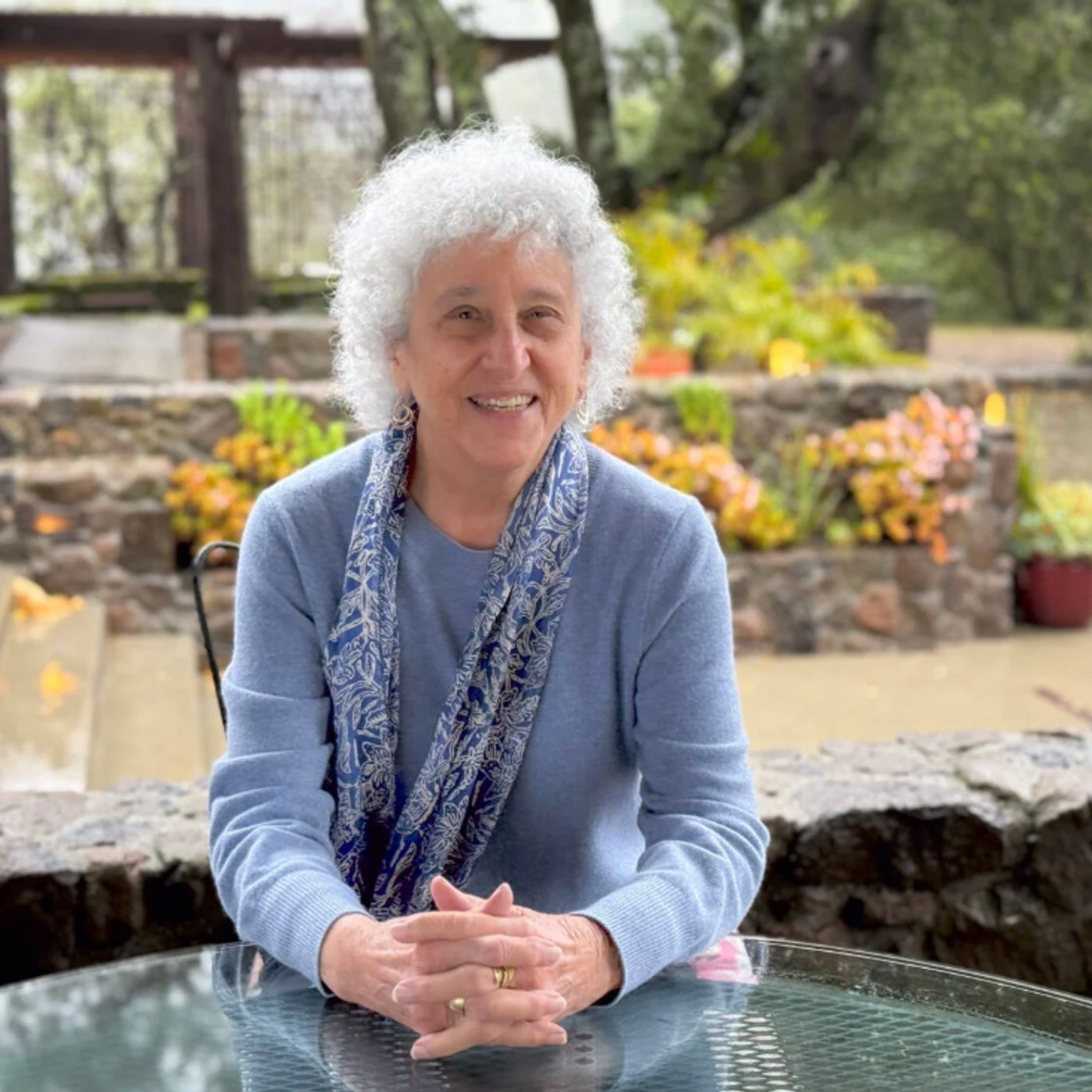
Lidl and Aldi shelves in New York picked clean a week before U.S. Thanksgiving. A $400 million Canadian pork deal with China that expires before farmers can plan around it. And Marion Nestle, author of Food Politics and, in Sylvain Charlebois’s words, “the reference” on food policy, with her perspective on Canada the current and future state of the food industry. Marion Nestle is the Paulette Goddard Professor of Nutrition, Food Studies, and Public Health, Emerita, at New York University. She holds a PhD in molecular biology and an MPH in public health nutrition from UC Berkeley. She has written, co-written or edited 18 books, among them Food Politics: How the Food Industry Influences Nutrition and Health, Safe Food: The Politics of Food Safety, What to Eat, What to Eat Now and Why Calories Count. Her work has focused mostly on the United States, so her take on Canada is worth hearing. The full video interview, filmed in her office, is on our YouTube channel. Hosts Michael LeBlanc and Dr. Sylvain Charlebois open live from New York. Michael is scouting new stores ahead of January’s NRF show and finds discount grocers busy as nervous American shoppers stock up. On trade, Prime Minister Mark Carney’s latest overtures to Beijing bring a pork opening and lower tariffs on some shellfish, while tariffs on canola oil stay above 75%. Sylvain explains why China holds the upper hand: Brazil, stronger domestic production and other suppliers. He also explains why deals that expire around 2028–29 leave Canadian producers guessing. He revisits his concerns about the sale of High Liner Foods to a Japanese buyer after hearing from CEO Paul Jewer. Jewer pointed to a new collective agreement, executives staying in Lunenburg, N.S., and a move to integrate vertically with harvesters. In grocery, Loblaw has launched a national partnership with Too Good To Go, the France-born food-rescue app built on surprise bags. It’s also moving to become the first Canadian retailer on Meta’s Muse AI agent, after earlier work with ChatGPT. Metro’s food same-store sales fell nearly 2% while pharmacy sales rose more than 5%, with its Brunet and Jean Coutu chains carrying the quarter. Health Canada has approved an oral GLP-1 from Eli Lilly. The hosts look at what a needle-free option could mean as Canadian use climbs from 3 million toward a projected 5 million by 2030. A five-generation California strawberry grower has collapsed. The hosts discuss Driscoll’s licensing model and why farmers who don’t own their genetics are vulnerable. Can greenhouse strawberries scale? Only with clean energy, low-cost capital and market access, says Sylvain. The episode closes with a farewell to Dan Carney, who co-founded Pizza Hut and sold it to PepsiCo in 1977 for $300 million, or 1.7Billion in today's dollars. About Us Dr. Dr.

Episode information is provided by the publisher. Listening takes place on the publisher’s service.

Listen at the source ↗

Featured places to meet in Palo Alto, CA

Explore these places and arrange a conversation through ThinkMatch.

City guide for Palo Alto, CA

More from The Food Professor

The Food Professor

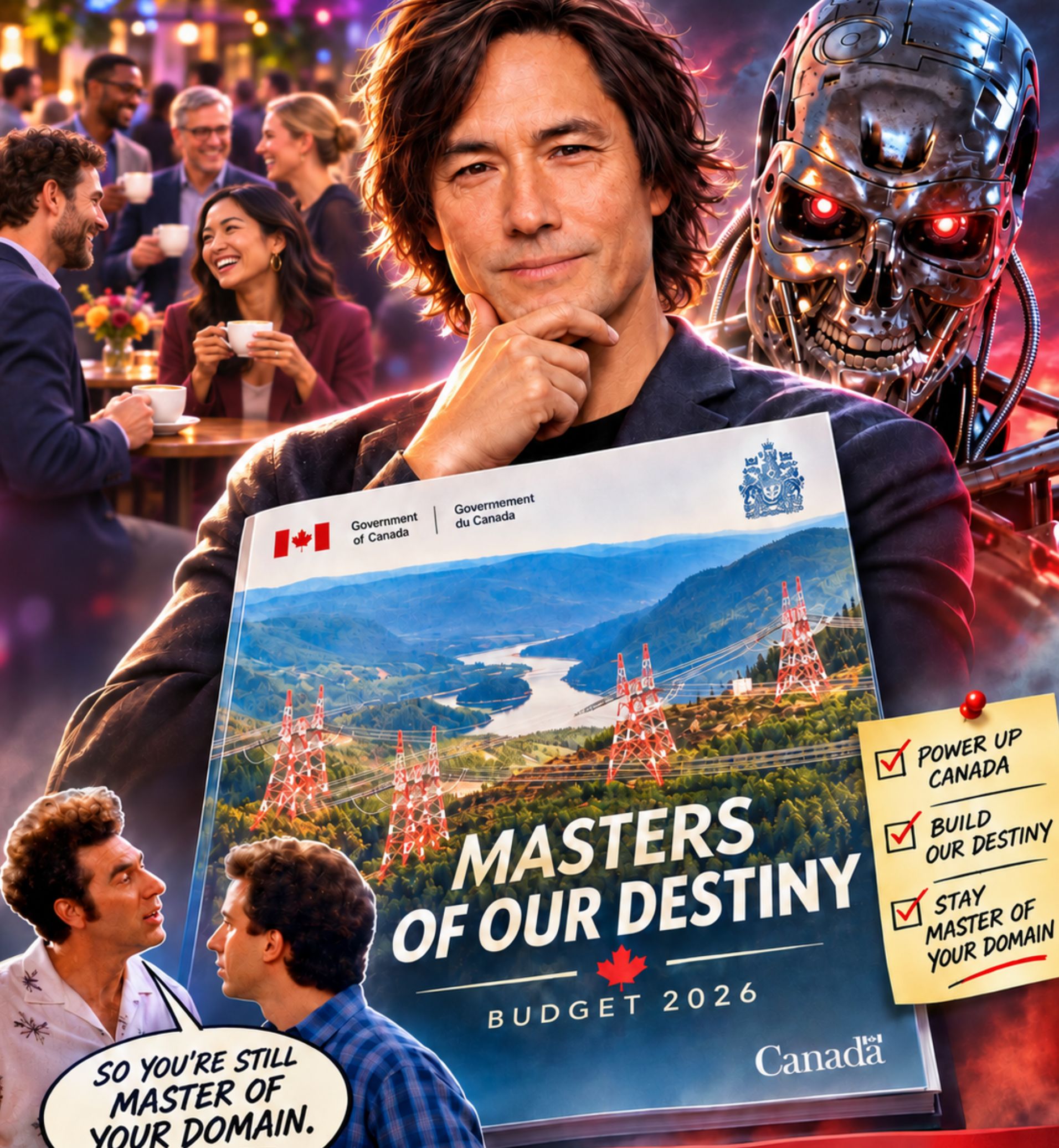
Ottawa’s Creative Accounting, Avoiding AI-Powered Hacks and a Calgary Big BBQ Win in Tennessee plus guest David Usher, Founder and Frontman, Moist on Winning the Future with Creativity

57 min

The mood on the conference floor was far more optimistic than a year ago. Consumers are still buying coffee, AI dominated the hallway talk, and companies are looking for ways to innovate. Affordability and a fragmented market remain open questions. Sylvain explains why diesel drives grocery prices, and why seven to eight million middle-class households have less left over than they did a decade ago. On the news desk: the Carney government’s budget and Finance Minister François-Philippe Champagne’s split between operational and investment spending. Sylvain argues it could blur how Canada reports support for agriculture and invite trade scrutiny. Plus a new $124-million fund for food hubs, Nutrien’s plan to ship potash through Washington State, and whether exports routed through the U.S. are inflating Canada–U.S. trade figures. The hosts also split on two questions: can grocers secure connected systems after Europe’s supermarket cyberattacks, and does Fresh Prep’s purchase of Goodfood pr

Discuss this episode

The Food Professor

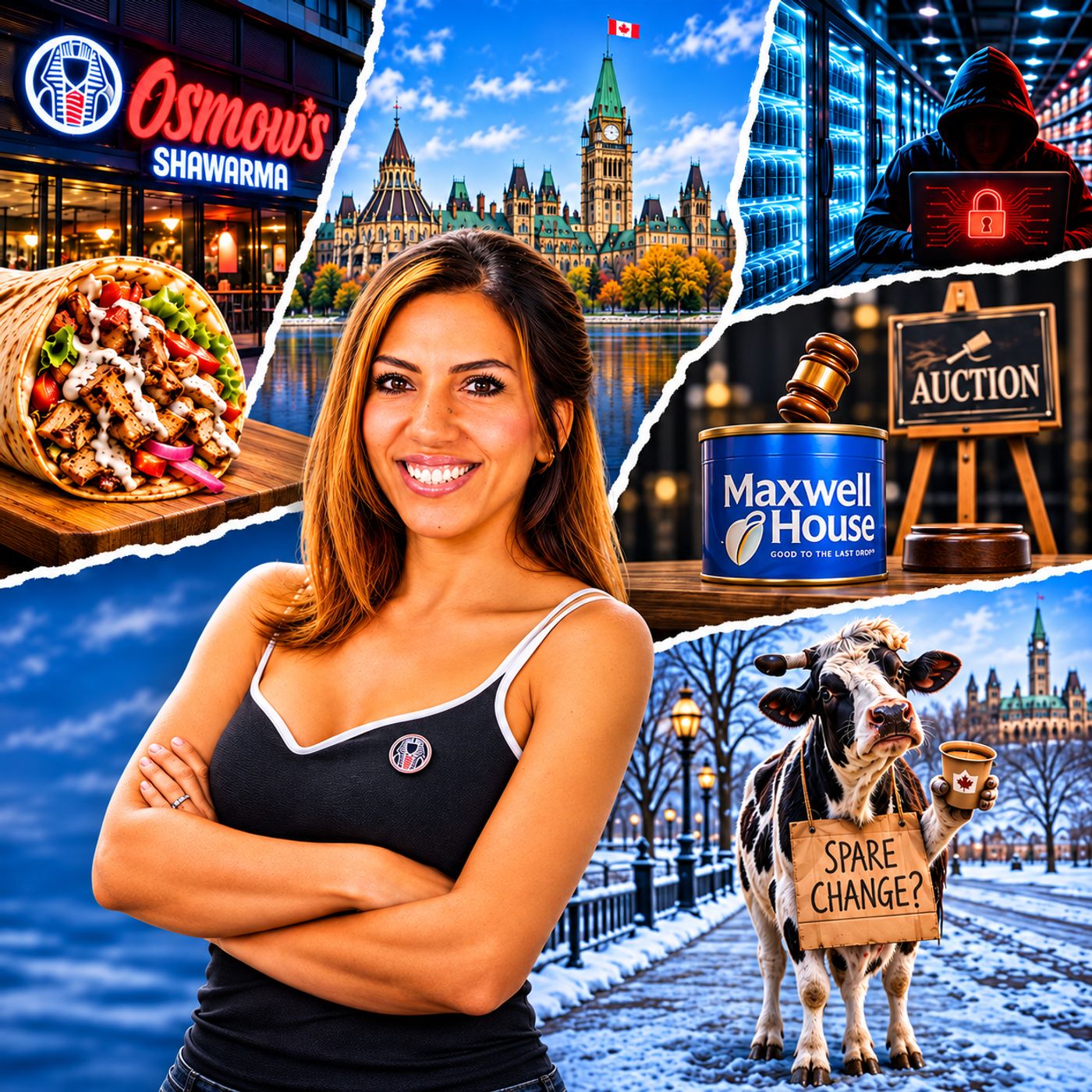
Osmow’s Shawarma President Bernadette Osmow on Manifesting Success, new Dairy Dilemma, Foodtastic see MTY as a Snack and More Hacked Grocery Fridges

63 min

Can a sub shop in Streetsville become the world’s largest Mediterranean and Middle Eastern food franchise? Bernadette Osmow, President of Osmow’s Shawarma, makes the case. Osmow’s began when Sam Osmow left Egypt in 1998 and opened a sub shop in Streetsville, Mississauga. A shawarma concept from his homeland grew that shop into roughly 250 locations across Canada and the United States, including Halifax. Bernadette started in the business young, left to build her business acumen and follow her own interests, and has returned to lead the company with her brother. She talks about franchisee value, community service and why Osmow’s runs its own production facility to control quality, price and cost. On policy, Sylvain previews his 32nd appearance as a parliamentary witness, this time before the House of Commons ethics committee on AI and surveillance pricing. Surveillance pricing means two shoppers seeing different prices for the same product based on personal data. Dynamic pricing means p

Discuss this episode

Community Poll

Users should have access to human review when a platform restricts their account.

Share your view, then see how readers voted. No sign-in required. This poll is shared across stories.

Do you agree or disagree?

Choose one answer

Common Quandary

A Common Quandary to discuss

Another conversation to explore, separate from this news story.

Everyone exaggerates on dating apps. Are two imaginary inches harmless?

A friend adds two inches to their listed height because they believe filters exclude them before personality has a chance. They plan to be charming enough that a date will not care once they meet in person.

Can deception be a fair response to superficial gatekeeping?

Explore this quandary