This week on Big Sports Breakfast Weekend, Richard Callander reviews the fallout from a thrilling edition of The Gong, Johann Gerrard-Dubord reflects on Gringotts' historic third victory in the Kembla Grange feature, Peter Peters looks back on Australia's Rugby League World Cup triumph, and Aaron Warburton discusses the future direction of the Canterbury-Bankstown Bulldogs.
Some strange things are happening out in space and down here on Earth. Earlier this week, astrophysicist Neil deGrasse Tyson joined Aishah Hasnie (https://www.youtube.com/watch?v=yor7TRWw67k) to unpack a fast-moving object known as 1998 KY26 orbiting the Sun, UAP discussions, and the physics behind what a first alien encounter might actually look like. Tyson broke down why its trajectory doesn't follow standard gravity alone, weighed theories ranging from space junk to the Yarkovsky effect, and shared insights from his book Take Me to Your Leader: Perspectives on Your First Alien Encounter. They also dove into growing concerns around artificial intelligence, tech vulnerabilities, and why Tyson says global guardrails are essential—plus why he’d choose the future if he had a time machine. The conversation was full of laughs and interesting perspectives on space and the potential for extraterrestrial life, but it was too long for our regular midweek Rundown. So, on today's FOX News Rundow
In this episode: Hamilton-Leclerc collision completely unacceptable, says Ferrari boss; Mercury gets its first visitor in years as a pair of spacecraft loop into orbit; Indian opposition party's youth wing warns of more Meta protests after police clashes; APOD: 2026 November 22 – Swirls and Colors on Jupiter from Juno; Injured Jacks out of T20 Australia tour; Exquisitely decorated home of Victorian workman David Parr wins blue plaque
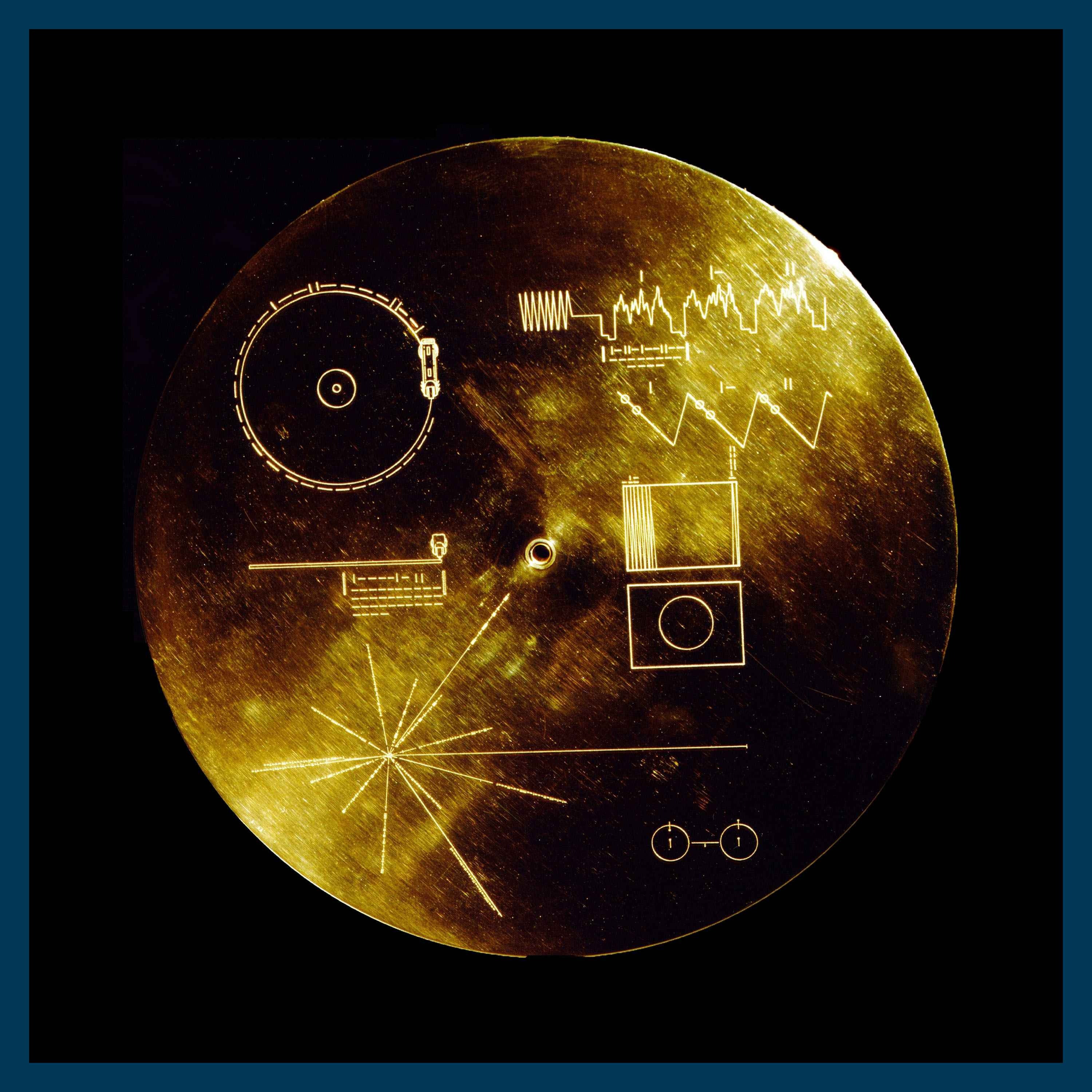
This week, Voyager 1 reached one light day away from earth - the farthest any man-made object has ever been. For fifty years, it as well as its sister probe Voyager 2, have been sending information back to earth. Now, they’re off to interstellar space, carrying two golden records designed to introduce humanity to whatever life form may be out there. So what’s on those discs? And what does the project tell us about what it means to be human? Guests: Rhys Blakely, science editor, The Times Tim Ferris, author and producer of the Voyager Golden Record Host: Manveen Rana Producer: Olivia Case We want to hear from you - email: [email protected] Read more: Voyager - humanity’s most distant message (https://www.thetimes.com/uk/science/article/nasa-golden-record-sounds-voyager-humanity-bksl2n0ck?eafs_enabled=false) Further listening: Has space become the final frontier for war? (https://pod.link/1501716010/episode/NmFhYzMzNzM4ZGUzYjQzYjZhOTk4ZGJj) Clips: NASA Voyager Golden Record / Carl Sa
What do fish talk, fish cakes, and fish oil have in common? This episode of WeWow, the bonkerballs variety show for kids and families from the creators of Wow in the World, has all of that and more. Dennis and Reggie are back with another weekend full of laughs, listener love, and a fishy encore episode that'll have the whole family talking all over again. Whether you're a longtime Wowzer or just tuning in, WeWow on the Weekend is the kind of family variety podcast that makes every car ride, breakfast table, and slow Sunday morning a little more wow-worthy. This weekend, it's... Fish Wow... on the Week Fish!?! Dennis and Reggie talk all things fishy, and make some fish cakes during Dishin' It Up With Dennis! And if that's not enough, WeWow on the Weekend wraps up with a fan-favorite encore of "SomeFIN Smells Fishy in Here, Part 2" from Wow in the World—an episode about fish oil, packed with big ideas, bigger laughs, and the kind of curiosity that makes the whole family lean in. "SomeFI
Did you know your mouth is a nonstop biological water park?! Every single day, your body makes enough saliva to fill up to four whole water bottles! But spit isn't just warm water—it's a magical biological potion packed with incredible superpowers. Join Mira and Finn as they explore the wild world of saliva! Discover how a microscopic machine called amylase starts digesting your favorite foods the exact millisecond you take a bite. Find out how spit turns sharp, crunchy chips into soft, squishy balls to protect your throat! Plus, did you know saliva actually builds invisible armor for your teeth by filling in holes with special minerals like calcium and phosphate? It even works as a magical liquid key to unlock flavors—without saliva, chocolate and pizza would taste like absolute cardboard! From amazing spit factories hiding inside your cheeks to real-life birds that build entire nests out of spit, get ready for a mind-blowing biological adventure! Tune in to find out why your mouth is
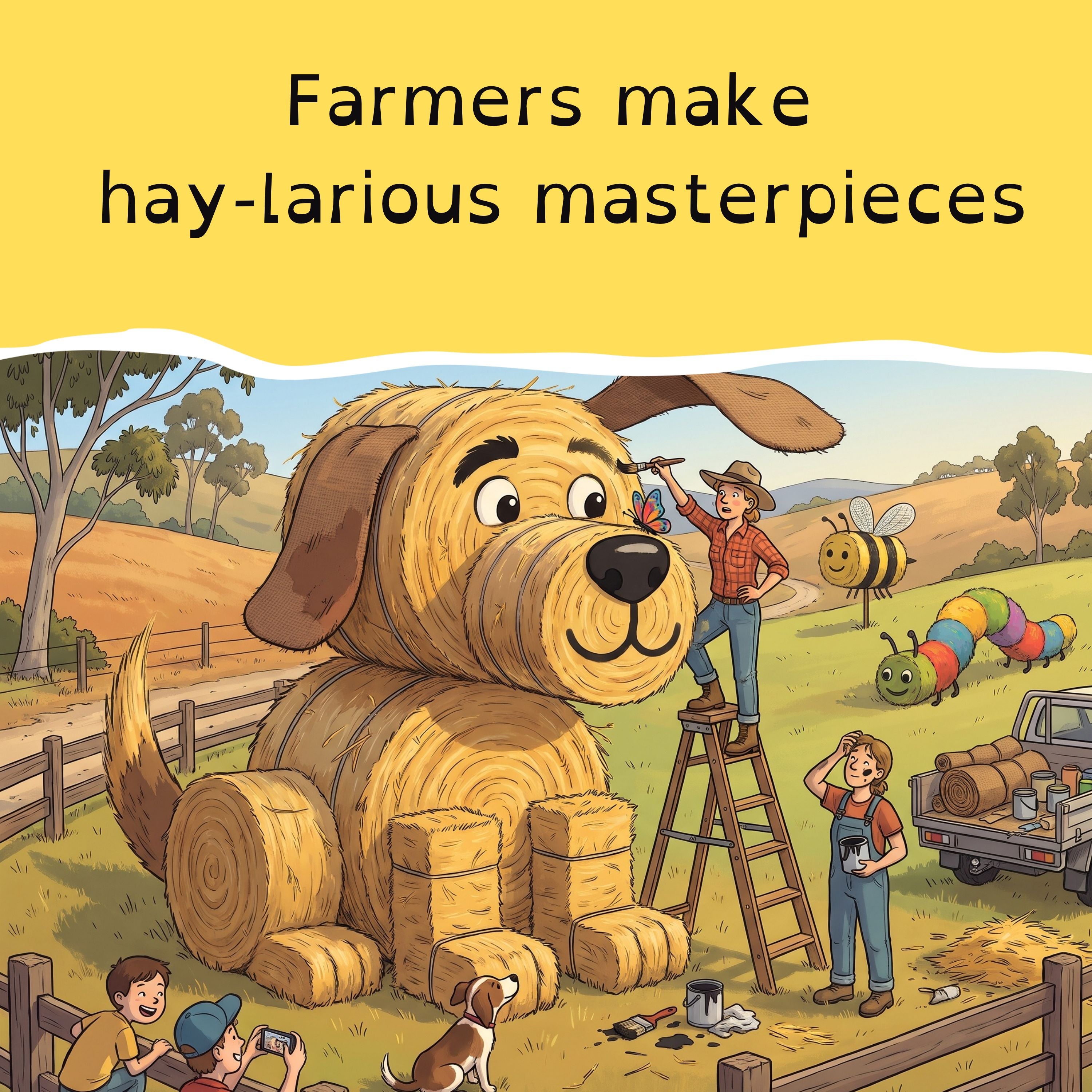
Your daily kids news podcast. Why ‘human’ is word of the year; Whale speed limits in Tahiti; AFLW grand finalists decided; and Toy Story hay sculptures. Cambridge Dictionary has crowned human its Word of the Year for 2026! One incredible photograph of a humpback whale's eye (https://www.bbc.com/future/article/20261118-the-tragic-tale-of-sweet-girl-the-whale-death-that-changed-the-law) is making a big splash in Tahiti! North Melbourne's Kangaroos are one win away from an AFLW three-peat after beating the Sydney Swans! What a cricket cracker! Australia chased down England's total with just one ball to spare, thanks in part to Nikhil Chaudhary's explosive 66 runs and two wickets. Victorian farmers have turned ordinary hay bales into giant cartoon characters (https://www.abc.net.au/news/2026-11-22/upper-murray-hay-bale-art-trail-fire-flood-recovery/107390424)! For the full episode transcript, click here (https://www.squizkids.com.au/wp-content/uploads/2026/11/261123-Quiz-Transcript.pdf). R
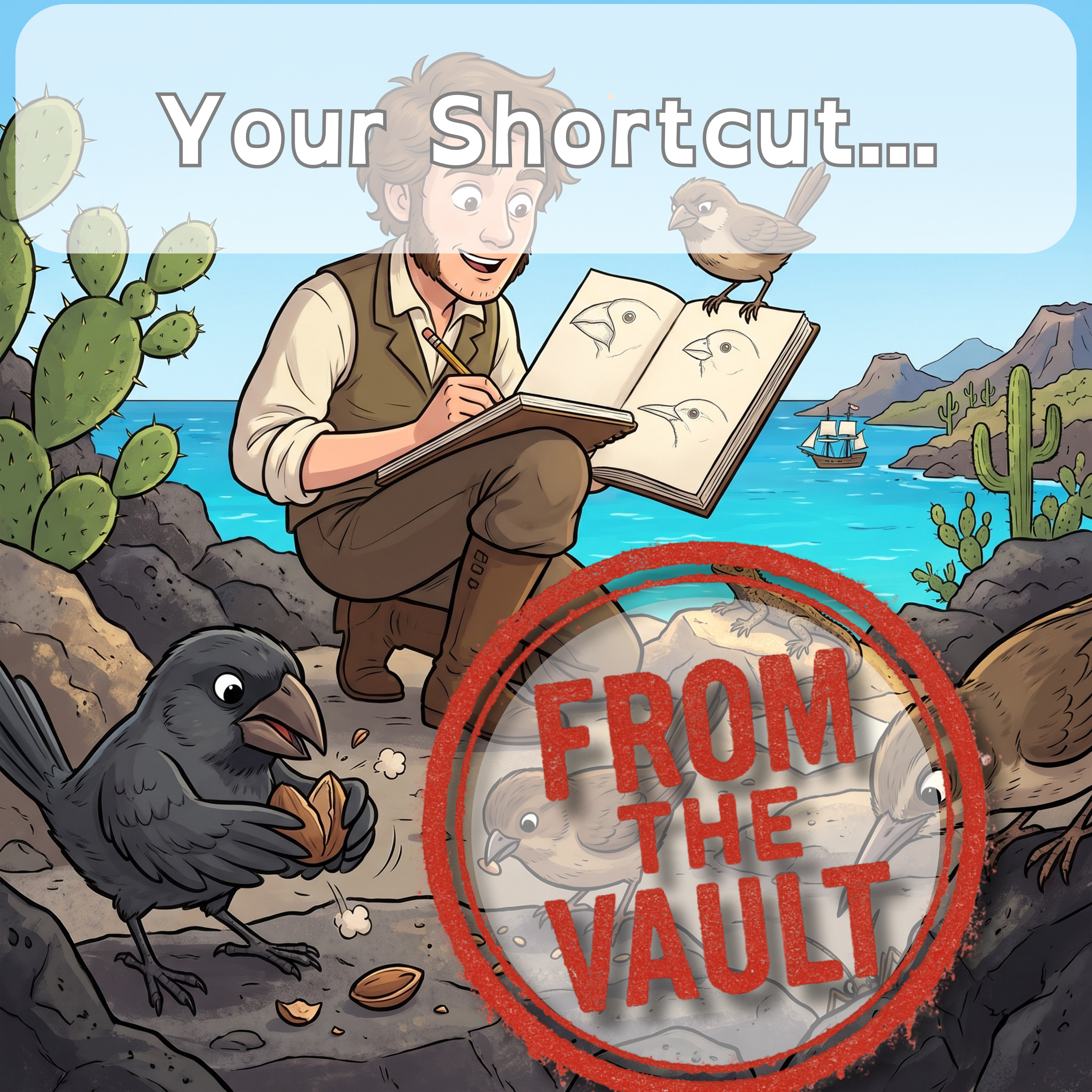
Tuesday 24 November marks the anniversary of the publication of Charles Darwin’s On the Origin of Species in 1859. So this week, we’re dusting off our Shortcut to Evolution to find out how living things change over generations and how all life on Earth is connected. Join Christie and Bryce as they travel back in time in the Squiz Kids Time Machine, dig into the clues fossils leave behind and meet two scientists who came up with the idea of natural selection independently, Charles Darwin and Alfred Russel Wallace. Along the way, find out what bird beaks can tell us about survival and how tiny changes in DNA can help shape life over generations. Listen carefully … there’s a S’Quiz at the end!
Say cheese! Now hold that smile… and keep holding it. In the early days of photography, you might have had to sit still for several minutes to get your portrait taken. So how does the camera on your phone snap a picture in the blink of an eye and save it for later? That’s what seven-year-old Chloe from Northcote, Victoria, wants to know. This week, Christie takes us from photos made on shiny metal plates and cameras you had to send in the post to the millions of tiny pixels in a digital photo. Plus, find out why there might be a grown-up hiding under a blanket in an old baby picture. Got a science question of your own? Email us at [email protected] and Christie might investigate it in a future Science Short.
A striking scientific discovery should face stronger scrutiny before changing established practice.
Share your view, then see how readers voted. No sign-in required. This poll is shared across stories.
Do you agree or disagree?
Common Quandary
A Common Quandary to discuss
Another conversation to explore, separate from this news story.
An old friend refuses to use someone's new name. Do you correct them at the reunion?
At a reunion, an old friend repeatedly uses the name a former classmate had years ago. They say shared history gives the old name affectionate meaning; the classmate has clearly introduced themselves with a different name.
When does preserving your shared past deny who someone is now?