Muhammad Ali: the prettiest bravest wittiest Religious Rebel yet!
55 min
Listen through the publisher, then discuss the episode here or arrange an in-person Roundtable. Your city determines where to meet.
Roundtables are designed for groups of four, with a shared subject and room for everyone to speak. Come for discussion, with no dating expectation.
Muhammad Ali was the wittiest, the prettiest, the bravest, and of course the greatest! But should we think of this world champion boxer as a religious rebel too? The man who sacrificed his career and liberty for his religious beliefs? Muhammad Ali was always on a journey - born Cassius Clay, a Baptist in segregated Louisville Kentucky, he found a home in the Nation of Islam. Then Sunni Islam. Then Sufi Islam. He won and then was stripped of his title as world champion heavyweight boxer. And was sentenced to jail for avoiding the Vietnam War draft. Ali then won the "Thrilla in Manila" and the "Rumble in the Jungle" to become the first ever three time world heavyweight champion, and finally become a champion for all Americans. GUESTS: M. Cooper Harriss, Associate Professor of Religious Studies at Indiana University. Author of the forthcoming Muhammad Ali and the Irony of American Religion (https://divinity.uchicago.edu/sightings/articles/taking-exception-how-muhammad-ali-transformed-american-religion) – the first book-length assessment of Ali specifically as a religious figure. Jonathan Eig, the Pulitzer Prize-winning journalist and biographer Mohammad Ali. ALI: A LIFE (https://www.alialife.com/) Amir Hussain, Professor of Theology at Loyola Marymount (https://bellarmine.lmu.edu/about/advisoryboard/amirhussain/), a leading expert on the history of Islam and Muslims in America. This program was made on the lands of the Gadigal People of the Eora Nation Artwork by Bec Cushway
Episode information is provided by the publisher. Listening takes place on the publisher’s service.
Sam McClure is an award-winning Journalist, TV personality, Radio figure & podcaster. This one is fascinating! Whatever you thought life was like as a journalist or your pre-conceived opinion of Sam is about to change after this one. Sam is about to open up like you haven't heard him before. Sam shares his Quill Award winning investigation into the Adelaide training camp and the backlash it copped. Including winning the award, having it stripped and then it being reinstated. Plus, the legal issues that followed. What came after that was a dark period in Sam's life...which he opens up about. We talk about the passion of journalism and if it is really there, why he isn't on social media and what it on and off the record actually means! Plus, the tension between clubs, journalists, players and administrators when stories are broken. Sam talks about the obsession with trade week and the broader media landscape. Which ones he loves...and which ones not so much. And possibly the craziest sto
Sometimes, all it takes is one powerful Islamic reminder to bring your heart closer to Allah ﷻ and change the way you see your life. In a world filled with distractions, taking even a few moments to remember Allah can help us reconnect with our faith, reflect on our purpose, and find peace through the beautiful teachings of Islam. These short but meaningful Islamic reminders share timeless lessons inspired by the Holy Quran and the Sunnah of Prophet Muhammad ﷺ, offering spiritual motivation, wisdom, and encouragement in less than a minute. Whether you are searching for inner peace, struggling with life's challenges, or simply looking to strengthen your Iman, these reminders invite you to reflect on what truly matters. Discover the beauty of trusting Allah, practising Sabr, expressing gratitude, seeking forgiveness, and living each day with greater faith and purpose. Every reminder is an opportunity to pause, reflect, and remember that our ultimate success lies in pleasing Allah and pre
Master the skills that change lives — enroll in your free human behavior course today: https://nci.university/learn Uploaded 15-01-26 EXECUTIVE SUMMARY: Video: What It Feels Like to See Into People Purpose: Reframe how human behavior is actually driven and perceived Outcome: Permanent shift in how you experience people and conversations CORE IDEA: Human behavior is not driven by beliefs, opinions, or logic. Those are after-action reports. Behavior is driven by the nervous system’s constant assessment of: • safety • approval • power • avoidance of shame Decisions are made before conscious thought. Beliefs are constructed afterward to justify what already happened. WHY THIS MATTERS: Most people spend their lives interacting with: • beliefs • arguments • explanations • surface narratives As a result, they miss the layer where real decisions are made. This video focuses on that lower layer — the one that actually governs: • conflict • influence • attraction • resistance • leadership • trus
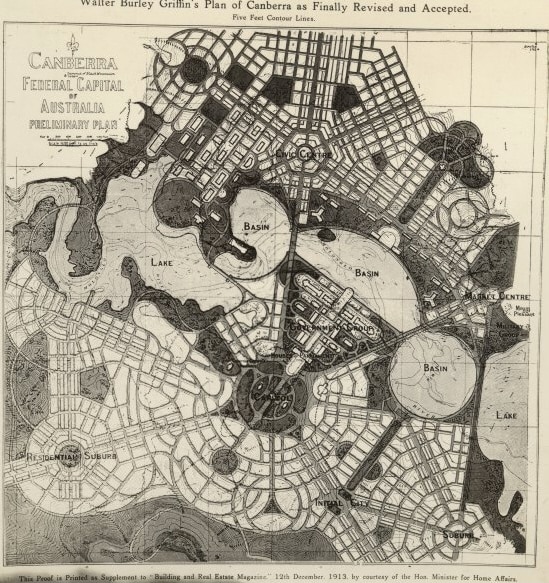
This Tuesday 24 November is the 150th anniversary of the birth of Walter Burley Griffin, the American architect who, in partnership with his wife and close collaborator Marion Mahony Griffin, won Australia’s Federal Capital Design Competition. The Griffins "radical" vision for Canberra was inspired by great thinkers at the turn of the 20th century, but the advent of The Great War was the beginning of the end of the Walter Burley Griffin plan. This year's Marion Mahony Griffin lecture, titled “The magic of two Americans (https://www.library.gov.au/whats-on/events/2026-marion-mahony-griffin-lecture-magic-two-americans)” is being given by Professor David Headon at the National Library of Australia on Tuesday November 24 at 6pm. It will also be lifestreamed on the National Library of Australia’s YouTube (https://www.youtube.com/@NationalLibraryofAustralia/featured) channel. Guest: Professor David Headon of the ANU Australian Studies Institute. David has also been Cultural Advisor at the Na
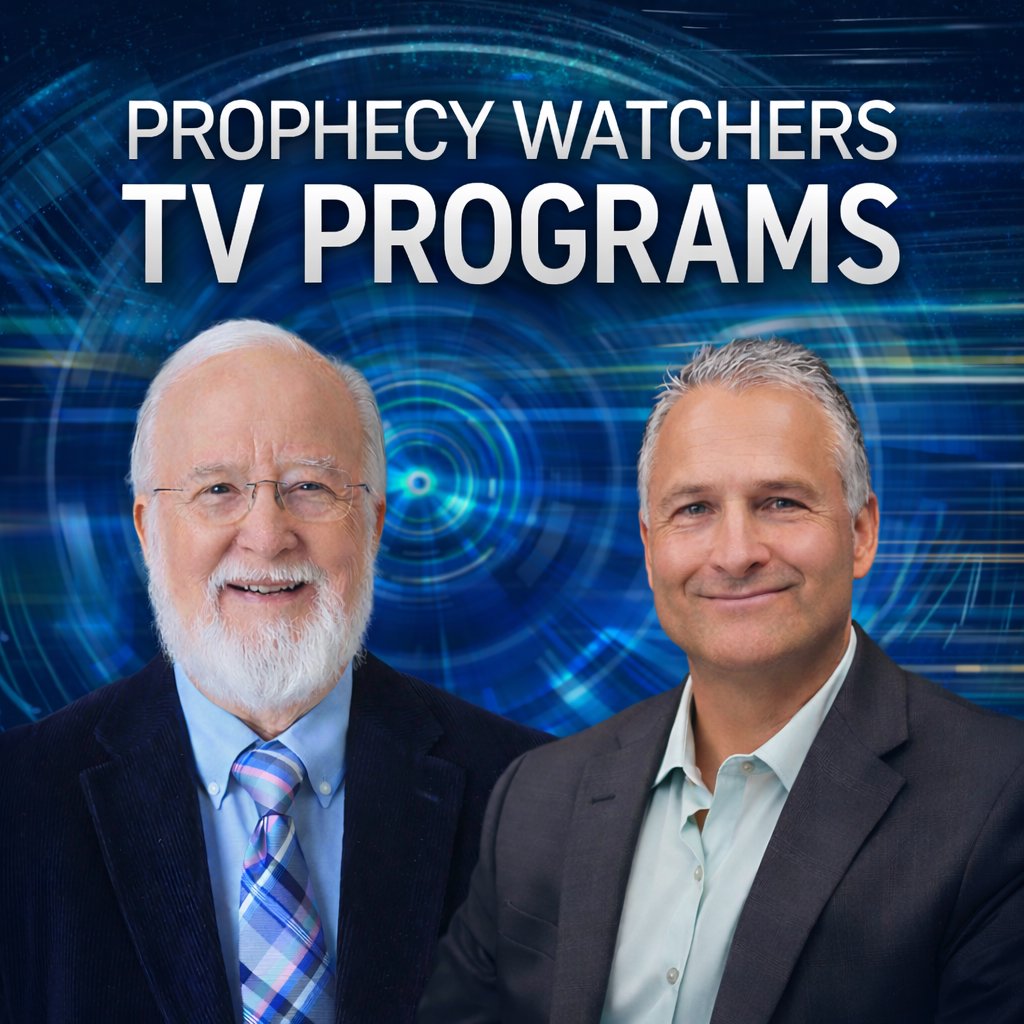
The Bible was banned. Copies were burned. Men were imprisoned and executed. Yet God's Word survived. How did the Bible make its way through centuries of persecution, political power struggles, and religious controversy to become the book we hold in our hands today? Gary Stearman welcomes filmmaker Chris Pinto to discuss his documentary, A Lamp in the Dark: The Untold History of the Bible.
In 1976, the world was introduced to the underdog boxer Rocky Balboa. The film, which pitted an unknown challenger against the heavyweight champion of the world, made its star and writer, Sylvester Stallone, a household name. Stallone had written the script in three and a half days, but despite enthusiasm from producers for the story, he struggled to convince them to give him the part. Made with a small budget and on a tight deadline, the movie won three Academy Awards, including best picture. Produced by Tim O’Callaghan using interviews Sylvester Stallone has given to the BBC.
She escaped slavery only to return and help others do the same. Some called her a prophet. Harriet Tubman heard the voice of God in a hayfield, and became a leader of the Underground Railroad, the secret network of safe houses and routes used by African American slaves to escape to free northern states and Canada. The US Army has posthumously commissioned her as a brigadier general. She was after all a Union Army spy and scout in the Civil War, and her raid on a Confederate supply line freed more than 750 slaves! But who owns her legacy? The Army? The Church? The Treasury? Her face was to be on the US $20 bill! Or the countless African Americans who see her see her as a collective mother, given their knowledge of their own family trees were so violently interrupted by slavery? GUESTS: Professor Riche Richardson (https://english.cornell.edu/riche-richardson), chair of Africana Studies at Cornell University. Professor Catherine Clinton, historian at the University of Texas San Antonio, a
Who would dare to take the English Catholic Church out from under the Pope's power and put it under King Henry VIII in 16th Century England? Thomas Cranmer was the Archbishop of Canterbury who led the English reformation away from the Pope and the Catholic Church, and cleared the legal path for Henry's marriage to Anne Boleyn. He also made it cool to be Protestant in a deeply Catholic country. “Ashes to ashes, dust to dust.” “Till death us do part.” Did you know it was Cranmer who wrote them? Cranmer wrote a book of common prayer, not in priestly Latin, but English. As Britain’s empire expanded, Cranmer’s English church with it's English prayer book, spread around the world. Australia included. And it changed England, and everyone in every continent it touched. GUESTS: Prof, Sir Diarmaid MacCulloch University of Oxford’s Emeritus Professor of the History of the Church and author of the seminal biography Thomas Cranmer: A Life (https://www.readings.com.au/product/9780300226577/978030022
Organizations should help affected people recover after a personal-data breach.
Share your view, then see how readers voted. No sign-in required. This poll is shared across stories.
Do you agree or disagree?
Common Quandary
A Common Quandary to discuss
Another conversation to explore, separate from this news story.
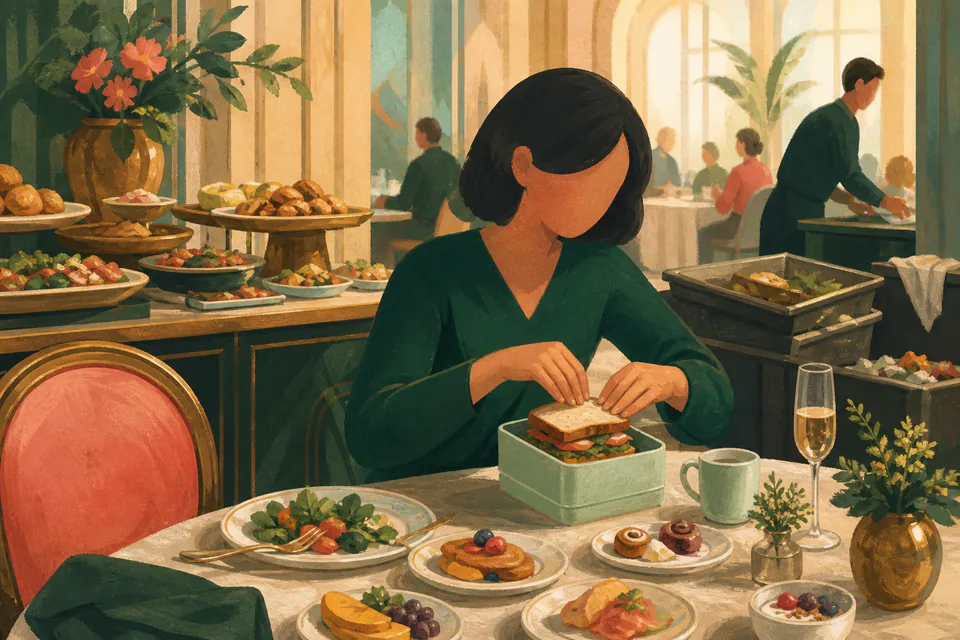
The buffet is unlimited while you are inside. Can one sandwich leave in your pocket?
An expensive hotel brunch advertises unlimited food but forbids takeout. You are full, yet quietly assembling a sandwich for later would cost the hotel almost nothing. Several trays will likely be discarded after service.
Does preventing waste justify ignoring the boundary of a bargain?