After a deluge of speculation, the next James Bond has been chosen: British actor Robert Pattinson will be the next face of the franchise. The public response has been overwhelming, if somewhat divided. To celebrate, we’re revisiting an episode from June, about a behind-the-scenes David and Goliath battle between the family business which has held creative control of the franchise since the 1960s and its new owners, Amazon. It is now up to Jeff Bezos’s tech conglomerate to decide how to run the series. In an era when Hollywood studios are desperate to eke out every last dollar from movie franchises, can James Bond retain its mystique and appeal to a new generation of cinema-goers? We speak to Wall Street Journal enterprise reporter Erich Schwartzel. Producers: Xandra Ellin and Lucy Pawle Video producers: Richard Kenny and Jem Westgate Mixed by: Travis Evans Executive producers: James Shield and Martine Powers Senior news editor: China Collins Photo: Robert Pattinson as James Bond. Jaap
November 21, 2026; 10am: The president’s coziness with tech oligarchs is muddying the waters of protecting America’s best interests. Congressman-elect Dan Koh expresses his concerns about the series of recent tech outages and how the administration is prioritizing beneficial relationships and cash over the safety of Americans and their cybersecurity; Lisa Rubin breaks down the obstacles ex-Nvidia CEO Jensen Huang can expect as legal inquiries come his way; Project 2025 may seem like a distant memory, but its policies are more present in this administration than you might think. David Graham outlines the consequences of the Heritage Foundation’s influence; Victor Fontanez is known on the internet as VicBlends, a viral haircutting sensation. But to many in the California prison system, he’s a mentor and hero, helping incarcerated men prepare for a career. Fontanez reflects on his impact. Hosted by Simplecast, an AdsWizz company.
For review: 1. Iraq has reached a compromise with the powerful Iran-backed militia Kataeb Hezbollah, three senior security officials said, after Prime Minister Ali al-Zaidi readied security forces to move against the group. Reflecting the gravity of the situation, Iraqi Shiite political sources said Esmail Qaani, commander of Iran’s elite Revolutionary Guards’ Quds Force, arrived in Baghdad late on Monday to help defuse tensions with Kataeb Hezbollah, Tehran’s most powerful militia ally in Iraq. 2. Lebanese President Joseph Aoun launched a lengthy rebuke of Iran in an Independence Day address, arguing that the Islamic Republic does not have the right to interfere in Lebanon’s internal affairs, as it long has via support for its local terror proxy, Hezbollah. 3. Yemen’s Houthis launched strikes on the Saudi capital Riyadh on Saturday, after vowing reprisals for a “special operation” by the Saudi-led coalition fighting them. The coalition later said it had “intercepted and destroyed” thr
How much is Anthropic actually worth? And were investors assured by Nvidia’s strong earnings report? Plus, will "Grand Theft Auto VI" lift Take-Two Interactive’s stock? Host Vicky Ge Huang discusses the biggest stock moves of the week and the news that drove them. Sign up for the WSJ's free Markets A.M. newsletter (https://www.wsj.com/newsletters/markets-am?mod=WSJ_WNPOD). Hosted by Simplecast, an AdsWizz company.
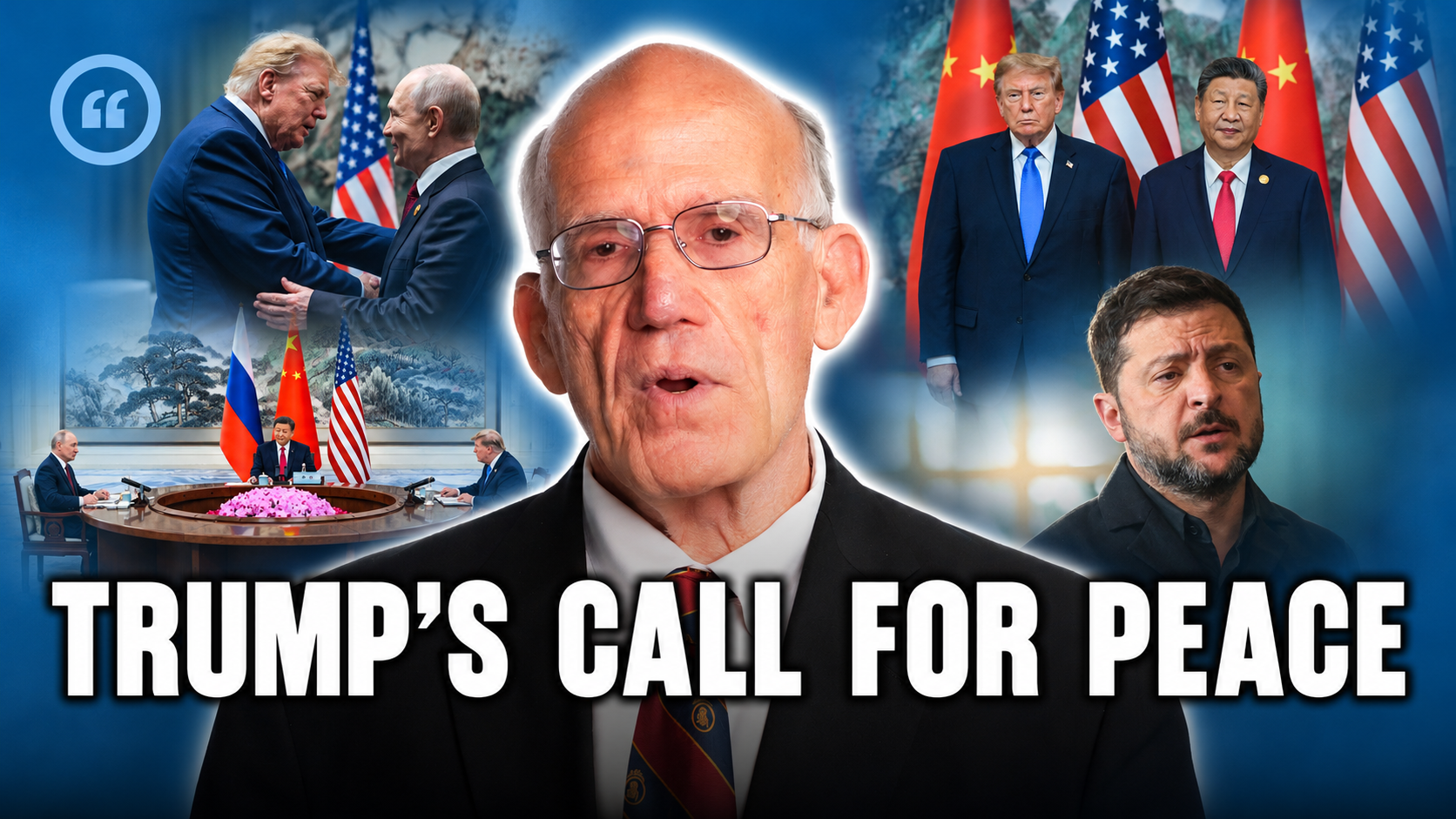
President Donald Trump's first ever trilateral summit with Vladimir Putin and Xi Jinping raises questions about the future of the war in Ukraine and whether a peace agreement could finally be within reach. Victor Davis Hanson and Sami Winc examine the summit on today’s edition of “Victor Davis Hanson: In His Own Words,” discussing Russia's declining influence, potential territorial concessions in Ukraine, and Europe's frustration over Trump's peace negotiations. Hanson criticizes Hillary Clinton's attacks on Trump's diplomacy; he also argues that European leaders have weakened their influence by neglecting defense spending and relying on American military protection. They discuss Elon Musk's shifting political allegiances, and Hanson warns that distancing himself from MAGA may not protect him from Democrat investigations. They also discuss the potential economic benefits of artificial intelligence and the challenges facing Hakeem Jeffries as Democrats prepare to take control of the Hou
Tonight on The Last Word: Democrats take power as voters demand economic relief. Plus, Democrats demand records from law firms who caved to Trump. Also, Trump defends Jensen Huang amid alleged Chinese spy affair. And Google sought failed airline's worker data to feed AI. Rep. Joaquin Castro, Rep. Chellie Pingree, Barbara McQuade, Tim O'Brien, and Sarah Nelson join Jonathan Capehart Hosted by Simplecast, an AdsWizz company.
The Democrats swept the midterms. Donald Trump is still president. What will the next two years look like? And what can history teach us about what comes next? Martin Wolf speaks to historian Heather Cox Richardson about the cycles in the past 250 years of US politics — how renewal (and division) can both follow periods of oligarchy, and how the Democrats should react to a “constitutional crisis”. To enjoy future episodes, be sure to subscribe to ‘Martin Wolf on the World’ wherever you get your podcasts. You can also watch Martin’s podcast series on the FT’s YouTube channel here:https://www.youtube.com/@FinancialTimeshttps://www.youtube.com/@FinancialTimes Host: Martin Wolf Producer: Mischa Frankl-Duval Senior producer: Laurence Knight Video editor: Richard Topping Senior audio engineer: Breen Turner Broadcast engineer: Andrew Georgiades Podcast development: Laura Clarke FT Global Head of Audio: Flo Phillips Learn more at www.ft.com/martin-wolf-on-the-world (http://www.ft.com/martin-wo
Anthropic closed up 17% per cent in its Wall Street debut and Prime Minister Andy Burnham is trying to strike a deal to bring the UK closer to the EU. Plus, Chinese President Xi Jinping hosted US President Donald Trump and Russian President Vladimir Putin for what he called a “groundbreaking” trilateral meeting. Mentioned in this podcast: Anthropic shares jump 17% after record Wall Street listing (https://www.ft.com/content/2b203097-7c61-464f-810f-962912a133dd?syn-25a6b1a6=1) France and UK at loggerheads over food rules ahead of key EU summit (https://www.ft.com/content/53091ded-e5c8-4c29-a3f9-48c0ea871ab9?syn-25a6b1a6=1) Xi, Trump and Putin hail ‘groundbreaking’ meeting (https://www.ft.com/content/3fde6008-d9c4-46a3-89f8-0f7611cd9b3a?syn-25a6b1a6=1) Credit: Reuters Want to get in touch? Email us at [email protected] Our editor is Marc Filippino. Our video producers are Dennis Golin and Zachary Alfred. Our show is mixed by Sam Giovinco and Alex Higgins. Our acting executive producer is C
Retail investors vying for a piece of Anthropic’s blockbuster listing are facing off against an avalanche of institutional demand, US President Donald Trump will meet Russia’s leader Vladimir Putin and China’s premier Xi Jinping today in Shenzhen, and investors are increasingly questioning gold’s traditional status as a haven asset in portfolios. Plus, Chris Miller, the author of “Chip War” explains why US Congress is pushing for stricter export controls for Nvidia’s most powerful chips. Mentioned in this podcast: How gold lost its lustre (https://www.ft.com/content/86aaff9a-0d0f-49dd-81fc-4c96bcbf2f32?accessToken=zwAAAaKKpp0SlNOGqv-aDQ9J3dOB_EyWvL8vMs84wSLWtTNFldOVVDhSxS5YD88OJyDXugpEadOoVDCTH5B7089ET_PgCLlKSNO5NajPZTEeoAE.MEYCIQD_ZFVJparbkDMQa1Ksg6TB5vJTyvIjEquDVx5lClMu4wIhAMZEdEzhkRTJuO1B58TGCkIF-R21VOyTyU2ZTSbABe9B&segmentId=7d4bcc2e-e664-92ba-62e3-5590579f1902) Anthropic retail investors face squeeze in blockbuster IPO (https://www.ft.com/content/38c122d6-b533-4595-9554-3852c52e58
Platforms should explain their content-removal decisions using publicly available rules.
Share your view, then see how readers voted. No sign-in required. This poll is shared across stories.
Do you agree or disagree?
Common Quandary
A Common Quandary to discuss
Another conversation to explore, separate from this news story.
If a good deed is filmed for likes, is it still a good deed?
A local creator films themselves buying groceries for strangers. The videos generate substantial income, but they also inspire donations and allow the creator to help more people.
Do mixed motives diminish a genuinely helpful act?