Listen through the publisher, then discuss the episode here or arrange an in-person Roundtable. Your city determines where to meet.
Roundtables are designed for groups of four, with a shared subject and room for everyone to speak. Come for discussion, with no dating expectation.
Pete Hegseth has survived an impeachment attempt, but for how long? What does this mean, and will he keep his job as Defence Secretary? Republican Congressman Thomas Massie has accused Hegseth of fighting an unauthorised war with Iran, but his own party blocked the move. In this episode, Sarah and Sumi unpack Pete Hegseth’s first press conference in six months, where he dismissed the impeachment as a “farce” and a “stunt”, and discuss how Trump is standing by him… for now. But with Democrats taking over Congress in January, and Vice President JD Vance blaming the Iran war for the Republicans’ midterm defeat, can Hegseth hold on? Plus, Donald Trump is making new claims about the veracity of the midterm elections… we discuss how far the US president might go, and what his claims are based on. We also look at the still undecided senate race in Alaska between Democrat Mary Peltola and Republican Dan Sullivan and why Trump this particular race is “rigged”. HOSTS - Sarah Smith, BBC North America Editor - Sumi Somaskanda, BBC Chief Presenter GET IN TOUCH: • Join our online community: https://discord.gg/qSrxqNcmRB • Email [email protected] • Or use #Americast This episode was made by George Dabby with Nik Sindle and Alix Pickles. The technical producer was Mike Regaard. The series producer is Purvee Pattni. The senior news editor is Sam Bonham. You can now listen to Americast on a smart speaker. It works on most smart speakers. See links below. Newscast: https://www.bbc.co.uk/sounds/series/p05299nl Top Comment: https://www.bbc.co.uk/sounds/brand/m001mssm Radical: https://www.bbc.co.uk/sounds/brand/p0gg4k6r The Global Story: https://www.bbc.co.uk/sounds/brand/w13xtvsd
Episode information is provided by the publisher. Listening takes place on the publisher’s service.
Today, the dust has settled in Brussels and back in the Newscast studio in London Laura and Paddy take a look at how yesterday’s new EU-UK deal is going down with ministers, in Westminster more widely and most importantly with voters at home. Laura has been speaking to the foreign secretary Ed Miliband about whether the issue of tuition fees for EU students could scupper the rest of the deal. Plus, More in Common pollster Luke Tryl explains what the polls tell us about public opinion of our relationship with the EU and whether voters are ready to reopen the Brexit debate. You can now listen to Newscast on a smart speaker. It works on most smart speakers. New episodes released every day. The presenter was Adam Fleming. It was made by Anna Harris with Jesse Fox. The social producer was Grace Braddock. The technical producer was Mike Regaard. The assistant editor is Chris Gray. The senior news editor is Sam Bonham.
November 20, 2026; 9am: President Trump is set to hold a press conference about his high-stakes meeting with Vladimir Putin and Xi Jinping. What did the U.S. get out of it? Then, the pressure is mounting on Defense Secretary Pete Hegseth as Democrats demand answers about his alleged role in blocking military promotions. Plus, Anthropic makes a historic Wall Street debut, closing out with a nearly 1.8 trillion dollar market cap. What this could mean for the A.I. industry. Paula Reid, Sudeep Reddy, Mychael Schnell, Priya Sridhar, Brendan Greeley, John Harwood, Dr. Vin Gupta and Lisa Rubin join Money Power Politics. Hosted by Simplecast, an AdsWizz company.
Hey everybody, Tom Bilyeu here. On today’s episode of Impact Theory, we’re taking on a topic that’s got the whole world holding its breath: the escalating crisis between the United States and Iran. As tensions ratchet up, we’re asking the tough questions—how did we get stuck in this “escalation trap,” and what does it mean for America’s global leverage, our economy, and our very sense of security? The conversation focused on why the traditional idea of “strategy” might be failing policymakers, using powerful analogies—like chess versus roulette—to show how doubling down in conflict can spiral out of control. We’ll break down the risks of tactical “wins” that create even bigger crises, the real leverage Iran holds with control of the Strait of Hormuz, and the mounting pressure on President Trump as political support erodes and legacy hangs in the balance. A key theme that emerged is what happens when military might runs into decentralized opposition, and why high-stakes gambles—like the
The Democrats swept the midterms. Donald Trump is still president. What will the next two years look like? And what can history teach us about what comes next? Martin Wolf speaks to historian Heather Cox Richardson about the cycles in the past 250 years of US politics — how renewal (and division) can both follow periods of oligarchy, and how the Democrats should react to a “constitutional crisis”. To enjoy future episodes, be sure to subscribe to ‘Martin Wolf on the World’ wherever you get your podcasts. You can also watch Martin’s podcast series on the FT’s YouTube channel here:https://www.youtube.com/@FinancialTimeshttps://www.youtube.com/@FinancialTimes Host: Martin Wolf Producer: Mischa Frankl-Duval Senior producer: Laurence Knight Video editor: Richard Topping Senior audio engineer: Breen Turner Broadcast engineer: Andrew Georgiades Podcast development: Laura Clarke FT Global Head of Audio: Flo Phillips Learn more at www.ft.com/martin-wolf-on-the-world (http://www.ft.com/martin-wo
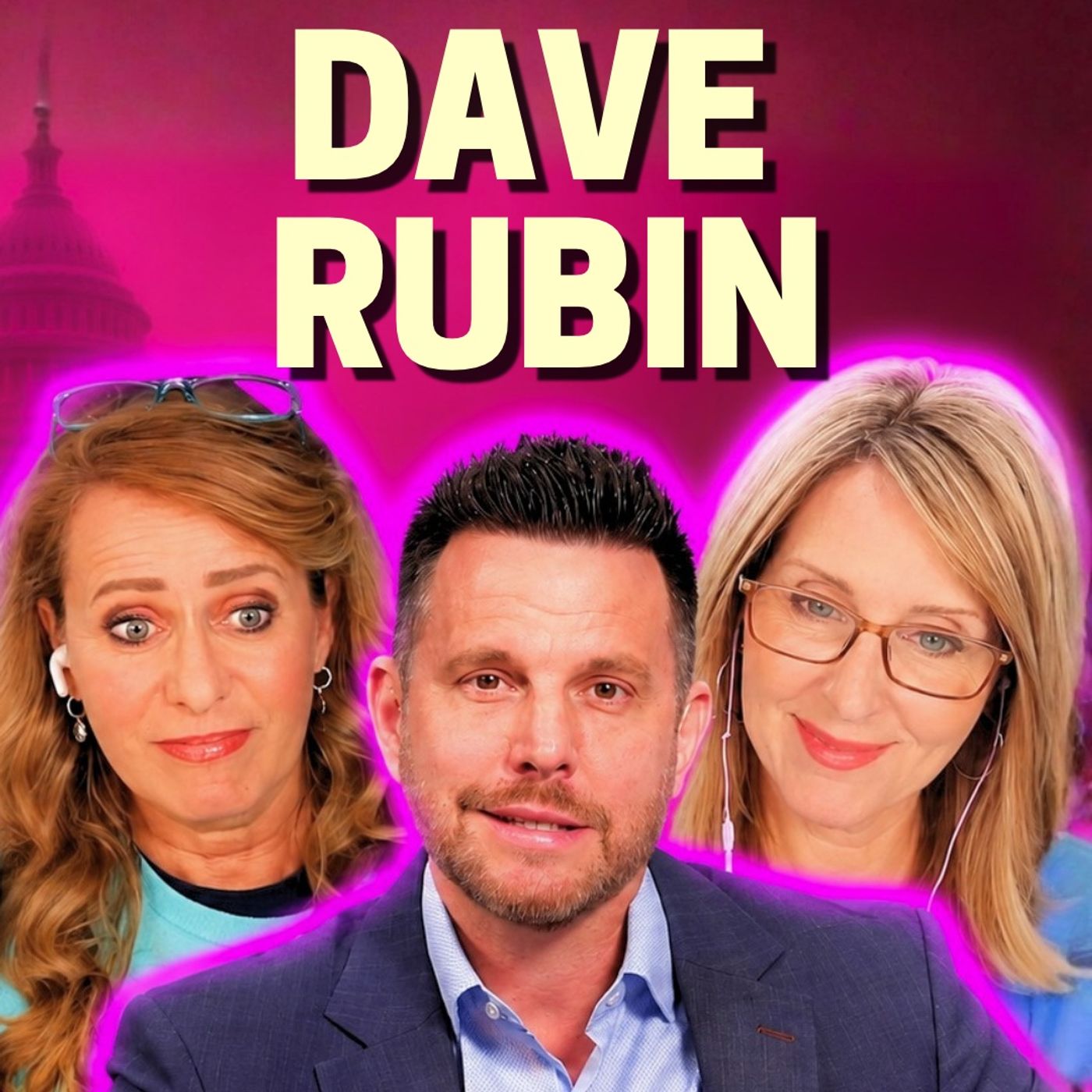
Is the Republican Party heading for a major reckoning in 2028? Dave Rubin joins The Chicks on the Right for a brutally honest conversation about Trump's final two years, the future of the GOP, and the growing divisions threatening conservatives. Dave weighs in on the Republican Party's recent election losses, whether JD Vance, Marco Rubio, or Ron DeSantis can carry Trump's agenda forward, and why he's increasingly concerned about the political direction of America. The conversation heats up as Dave takes on Nick Fuentes, the rise of extremist voices on the right, and the socialist movement gaining influence within the Democratic Party. He also discusses radical Islamism, antisemitism, the dangers of online outrage, and why he believes Western civilization faces serious challenges. Plus, with cyberattacks, banking disruptions, and nationwide outages raising concerns, Dave shares his thoughts on whether Americans should be preparing for more chaos. And don't miss the lighter side of Dave
Catch up on the latest headlines with The Daily Show News Team. Jon Stewart recaps the major tech outages from the past weekend (including a nationwide FAA ground stop) and calls out Trump for "cherishing" AI and the tech oligarchs behind it despite the dystopian future they're designing for us all. Michael Kosta weighs in on the ongoing outages, the reported threat of an Iranian dirty bomb in D.C., Democrat Mary Peltola winning Alaska's Senate race, and the president's visit to Asia, where he caught some Z's during an APEC summit meeting. Plus, Kosta breaks down Trump's trilateral sitdown with besties Xi Jinping and Vladimir Putin. -- The Daily Show airs weeknights at 11/10c on Comedy Central.
After a week of tech chaos with flights grounded, plus outages at Microsoft, Apple, US banks, and the National Security Agency, questions continue to be asked about the cause of the disruption and whether it’s more than a series of coincidences. Now the government’s top cyber security official, Sean Cairncross, is leaving his post, with CBS reporting he was fired. Trump says these were “individual events”. But Republican Senator Josh Hawley says if it is all a coincidence, “it’s like the greatest coincidence in the history of the world”. So who’s right? In this episode, Sarah, Marianna and Anthony discuss the doubts over the official explanation, cuts to America’s cyber defences, and whether people trust what they’re being told by the White House. Plus, Sarah talks to the cybersecurity and cyberespionage expert Dmitri Alperovitch about the fall of Nvidia’s Jensen Huang and the race with China over AI chips. Are rushed fixes for problems found by AI behind the disruption? HOSTS • Sarah
Ahead of Donald Trump’s highly anticipated meeting with Xi Jinping and Vladimir Putin, questions remain over Nvidia CEO Jensen Huang’s relationship with an alleged Chinese spy. Did the company’s prized H200 AI chips end up in China despite US export restrictions? And, after a week of cyber-related issues across many of America’s key industries, the secretary of state has sought to reassure the world that the US is not under attack from cyber criminals or “malign actors of any kind.” Is his statement enough to dismiss widespread concerns about a series of recent tech outages that have grounded planes and disrupted services at some of America’s biggest banks? Plus, Justin and Sarah discuss the latest and final Democrat victory in this year’s midterm elections. After a long delay, Mary Peltola has finally been confirmed as the winner in the Alaska Senate race and seals a 56-44 Senate majority. What can the party do with their majority in Congress? HOSTS: • Sarah Smith, North America Edito
High-profile Democrats have been putting forward their views on what to focus on once they’re in charge of Congress in January, and how they should be working with US President Donald Trump. At a conference in Denver called “What’s Next”, Texas Senator-elect James Talarico said Democrats “must work with President Trump”, while Michigan Senator Elissa Slotkin wants bills on healthcare and housing that dare the president to veto them. Sumi - who was in Denver with the Dems - joins Justin and Anthony to discuss where the party goes next, and the different views on how they should be using their majority. They look at Pete Buttigieg’s call for a “rapid fire” of laws to tackle the cost of living, how the party handles its progressive wing as Bernie Sanders argues voters now back his ideas, and where impeachment might fit in. Plus, the race for 2028 has already begun. Who should we be watching, what are the signs for who will put themselves forward, and why won’t Pennsylvania Governor Josh S
Scarce treatments should be allocated by medical need rather than ability to pay.
Share your view, then see how readers voted. No sign-in required. This poll is shared across stories.
Do you agree or disagree?
Common Quandary
A Common Quandary to discuss
Another conversation to explore, separate from this news story.
Your neighbor keeps playing music at midnight. How many friendly warnings do they get?
A neighbor regularly plays music late enough to disturb your sleep. Friendly requests help briefly, but a formal complaint could threaten their lease in a building with few affordable options.
How far should empathy extend when someone repeatedly ignores your needs?