Listen through the publisher, then discuss the episode here or arrange an in-person Roundtable. Your city determines where to meet.
Roundtables are designed for groups of four, with a shared subject and room for everyone to speak. Come for discussion, with no dating expectation.
On this week's Quite right!, Michael Gove is joined by Reform UK's shadow home secretary Zia Yusuf for a wide-ranging conversation about immigration and the future of the British Right. Zia sets out Reform's plans for mass deportations, explains why he believes Jeremy Corbyn would have allowed fewer migrants into Britain than Boris Johnson, and argues that Uniting the Right could be worse than Labour. They also discuss the growing threat from Rupert Lowe's Restore, Reform's battle to win back voters and what a Nigel Farage government might look like. Hosted on Acast.
Episode information is provided by the publisher. Listening takes place on the publisher’s service.
Some strange things are happening out in space and down here on Earth. Earlier this week, astrophysicist Neil deGrasse Tyson joined Aishah Hasnie (https://www.youtube.com/watch?v=yor7TRWw67k) to unpack a fast-moving object known as 1998 KY26 orbiting the Sun, UAP discussions, and the physics behind what a first alien encounter might actually look like. Tyson broke down why its trajectory doesn't follow standard gravity alone, weighed theories ranging from space junk to the Yarkovsky effect, and shared insights from his book Take Me to Your Leader: Perspectives on Your First Alien Encounter. They also dove into growing concerns around artificial intelligence, tech vulnerabilities, and why Tyson says global guardrails are essential—plus why he’d choose the future if he had a time machine. The conversation was full of laughs and interesting perspectives on space and the potential for extraterrestrial life, but it was too long for our regular midweek Rundown. So, on today's FOX News Rundow
A pilgrimage to England’s biggest Poundland, a celebration of Parliament’s “sitting Fridays” and the GB News presenter who thought Robert Pattinson wasn’t British. Anoosh Chakelian and Will Dunn round up the stories of the week. LISTEN AD-FREE: MORE FROM THE NEW STATESMAN: Hosted on Acast.
Joanna Coles and Hugh Dougherty break down a chaotic week for Donald Trump, from his summit with Vladimir Putin and Xi Jinping to the air traffic and banking outages that left his administration scrambling for answers. They discuss what Trump got from his trip to China, why his appearance alongside Putin and Xi raised concerns about American power and what his decision to fly home on “Grift Force One” reveals about his priorities. They also look at Jon Ossoff’s rise in the polls, the questions surrounding former White House press secretary Katie Zacharia and the revelations about the millions Trump adviser Jason Miller has made from clients seeking influence in Washington. #ad Right now, save 30% on mattresses and up to 35% on everything else when you go to https://Casper.com #ad Don’t miss NOBL’s Biggest Sale of the Year!
Newsround Part 1. Lewis Aspinall returns with another edition of Newsround on Anfield Index, discussing Virgil van Dijk's uncertain Liverpool future, positive developments in Trey Nyoni's contract talks and Ronald Araújo's potential permanent move to Anfield. With Virgil van Dijk approaching the end of his current Liverpool contract, Lewis admits he is becoming increasingly concerned that the Reds could lose their captain this summer. Despite Van Dijk insisting he still has several years of top-level football ahead of him, Liverpool face a difficult decision over the defender's age, wages and the development of their younger centre-backs. Lewis examines Van Dijk's performances and underlying statistics, explaining why the Dutchman remains one of the Premier League's outstanding defenders and why his leadership could be invaluable to Jeremy Jacquet, Giovanni Leoni and Ifeanyi Ndukwe. Could Liverpool offer Van Dijk another two-year contract, or will the club's long-term planning lead to
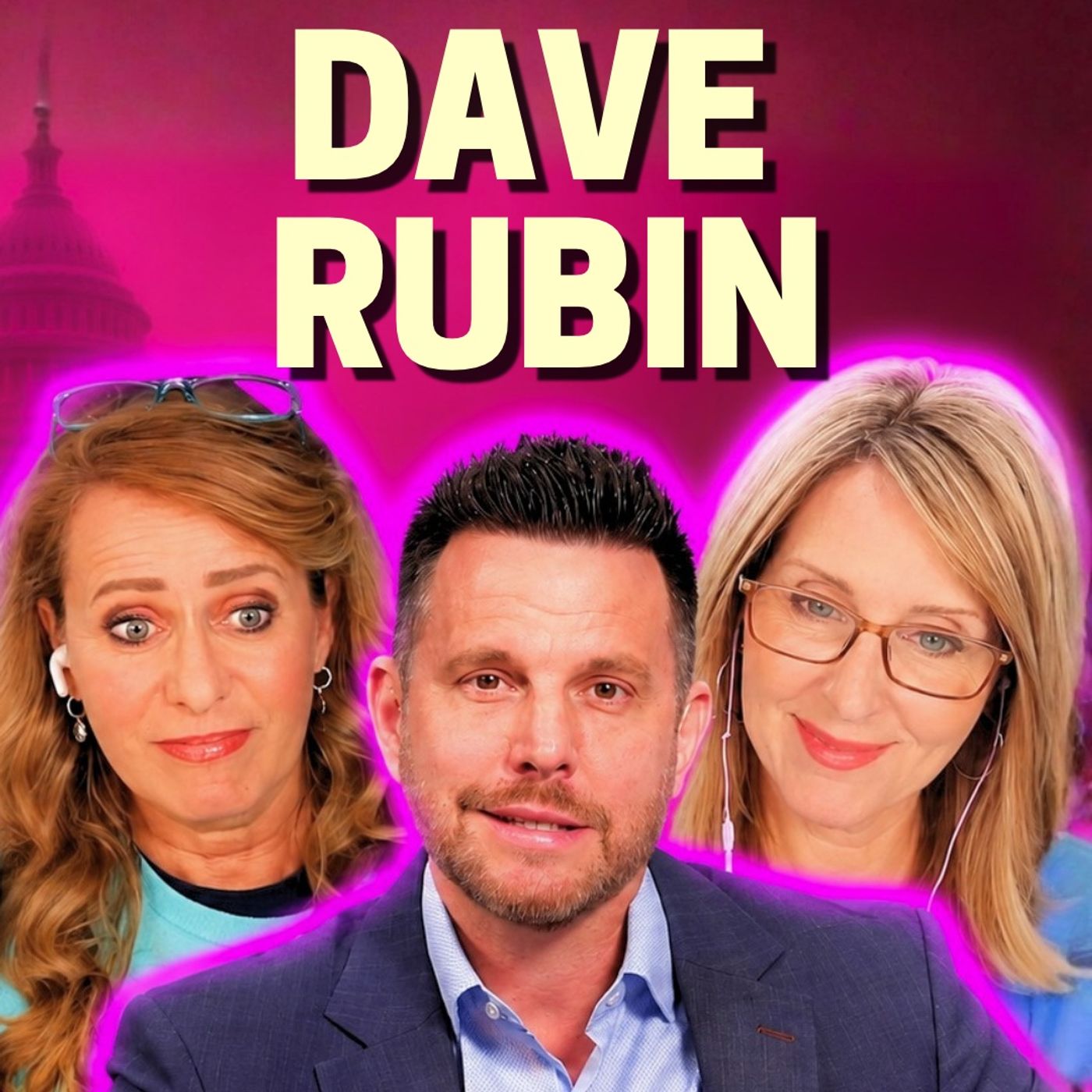
Is the Republican Party heading for a major reckoning in 2028? Dave Rubin joins The Chicks on the Right for a brutally honest conversation about Trump's final two years, the future of the GOP, and the growing divisions threatening conservatives. Dave weighs in on the Republican Party's recent election losses, whether JD Vance, Marco Rubio, or Ron DeSantis can carry Trump's agenda forward, and why he's increasingly concerned about the political direction of America. The conversation heats up as Dave takes on Nick Fuentes, the rise of extremist voices on the right, and the socialist movement gaining influence within the Democratic Party. He also discusses radical Islamism, antisemitism, the dangers of online outrage, and why he believes Western civilization faces serious challenges. Plus, with cyberattacks, banking disruptions, and nationwide outages raising concerns, Dave shares his thoughts on whether Americans should be preparing for more chaos. And don't miss the lighter side of Dave
Read: Matthew 28:19-20; Hebrews 4:12 (https://www.biblegateway.com/passage/?search=Matthew+28%3A19-20%3B+Hebrews+4%3A12) Sheri clutched her new book to her chest as she held the phone to her ear. “Yes, you totally need to read it! The last few chapters are great!” “You always find such fun books! I’ll look for it at the library the next time I go,” her friend Megan said. “Oh, my dad is calling. I’ve got to go.” Sheri hung up, then went into the family room and plopped on the couch beside Mom. “You really enjoyed that book, didn’t you?” Mom said as she folded some towels. “Yes!” Sheri flipped through it. “It’s the best I’ve read in ages! There’s romance, heroes and villains, battles of good versus evil, and so much more!” “That does sound exciting.” Mom smiled. “I know of another book like that, filled with good versus evil, heroes battling villains, and even romance. It’s my favorite.” Sheri furrowed her brow. “What book is that?” Mom held up the book beside her. “The Bible. Have you t
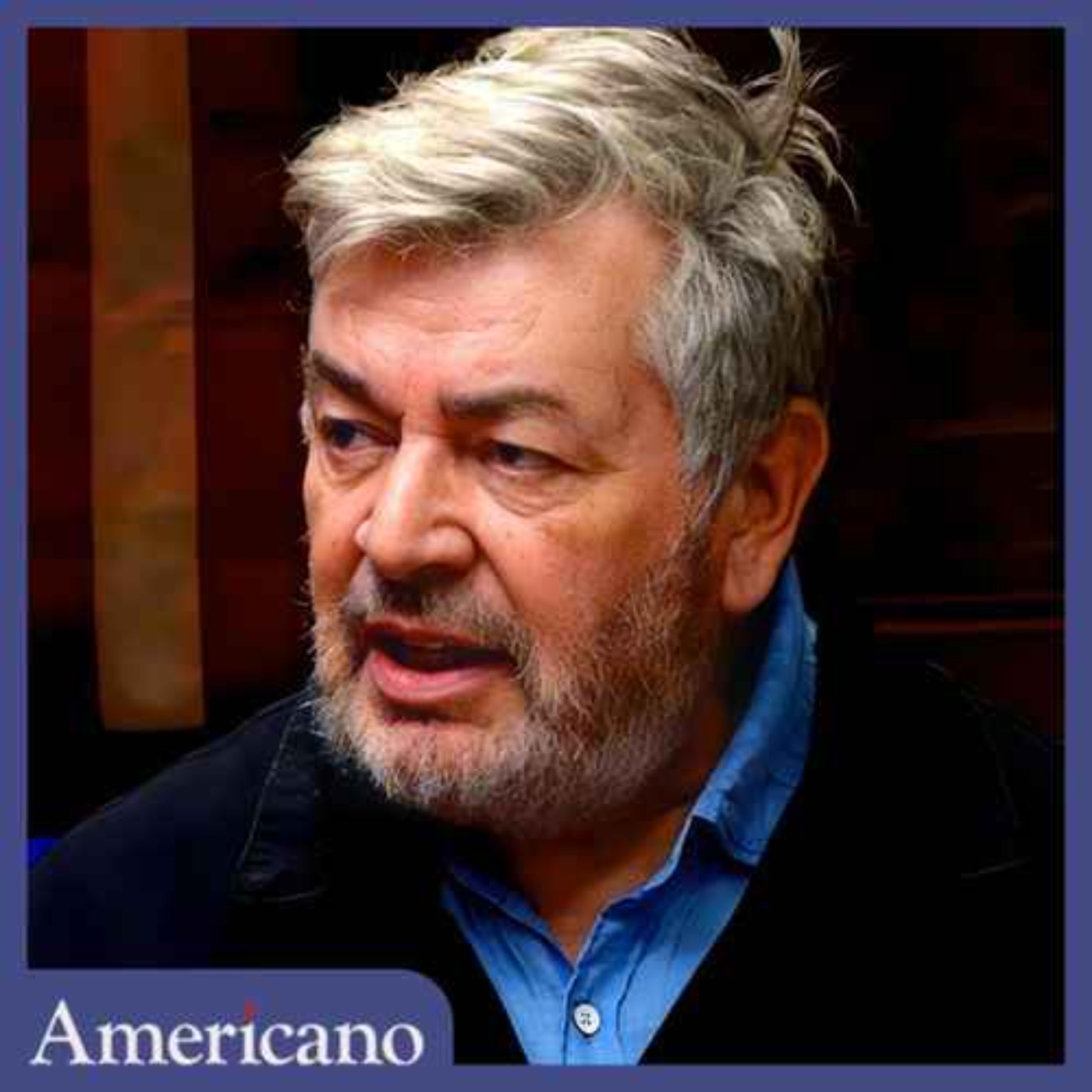
In this episode of Americano, Freddy Gray welcomes journalist and author David Aaronovitch into the studio for a candid, wide-ranging, and frequently fiery debate as the two clash over whether the media frenzy surrounding Brand is driven by genuine moral reckoning or political hypocrisy, while also locking horns over the legacy and excesses of the MeToo era. Hosted on Acast.
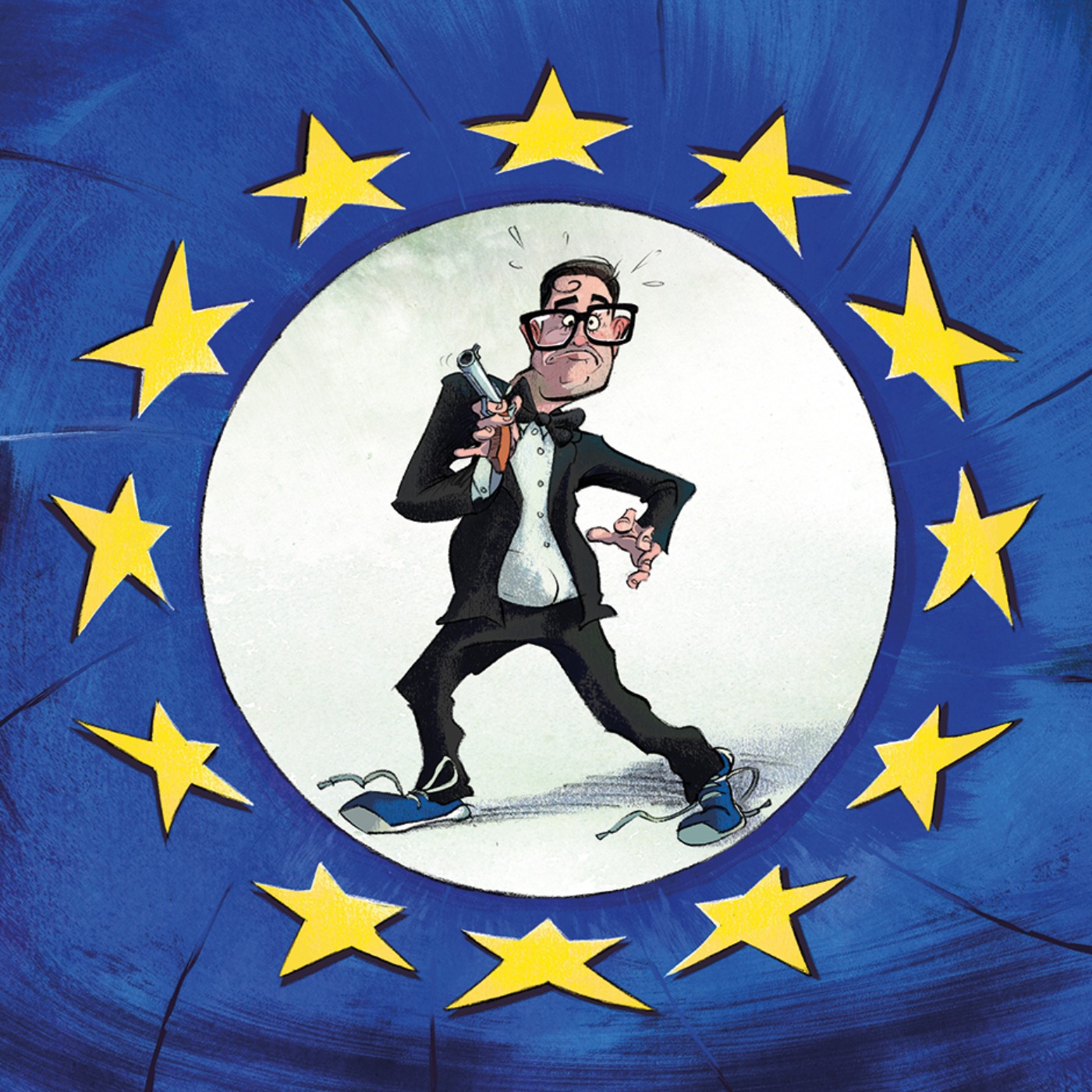
Lara Prendergast is joined by The Spectator's political editor Tim Shipman, broadcaster Jon Sopel and Noble Rot founder Dan Keeling to discuss Andy Burnham's plans to get closer to the EU, Nigel Farage's renewed Brexit campaign and whether Boris Johnson could be tempted back onto the battle bus. Plus, why are so many young men turning to influencing instead of traditional careers? Is Robert Pattinson the right choice for the next James Bond? And Dan shares his tips for finding a great bottle of wine without breaking the bank. Hosted on Acast.
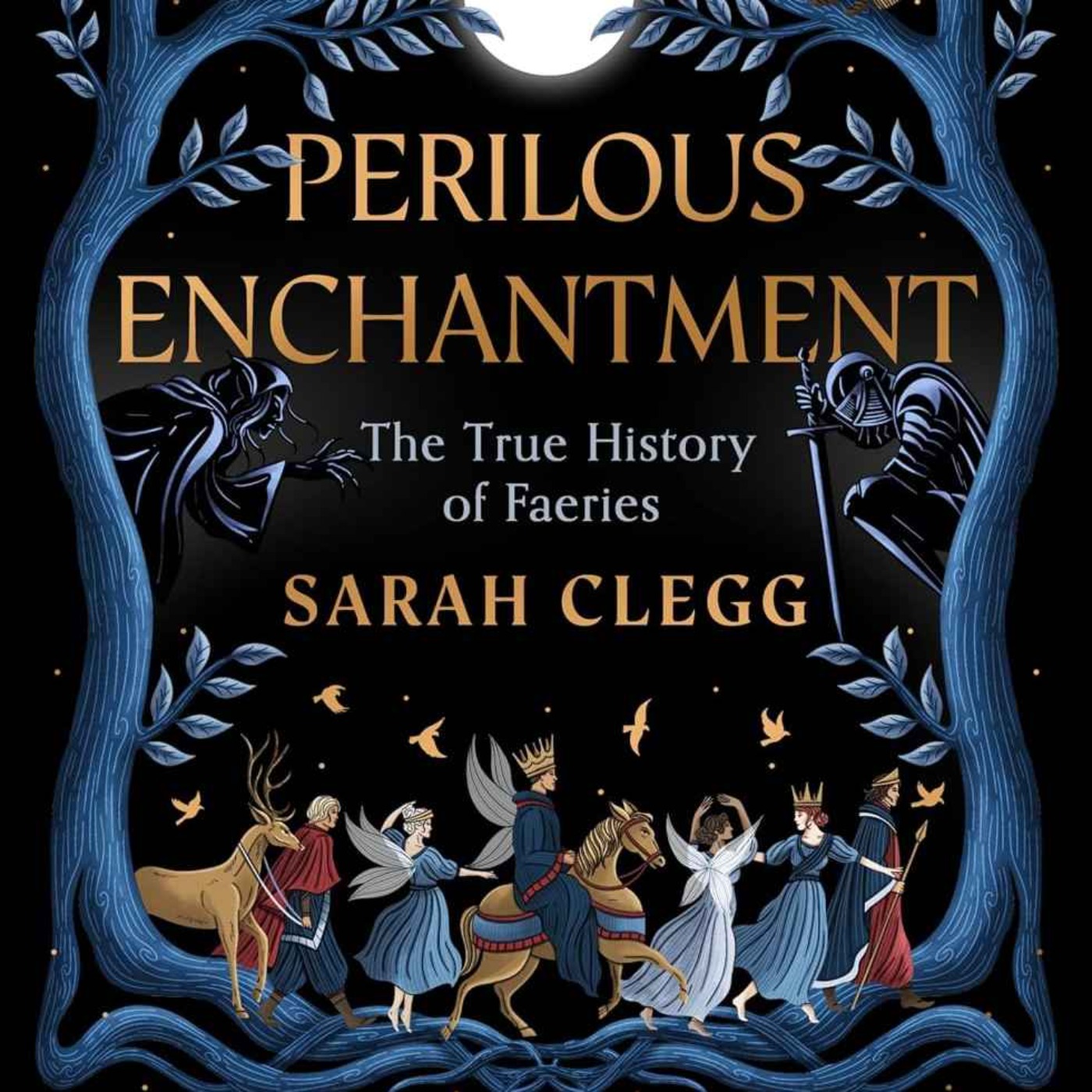
Forget the glitter, wings and magic wands – fairies were once far darker, more dangerous and considerably more seductive creatures. In this episode of Book Club, Sam Leith is joined by historian and author Sarah Clegg to discuss her new book, Perilous Enchantment: The True History of Fairies. From baby-snatching demons and Shakespeare’s sprites to Tinker Bell and the modern romantasy boom, Sarah traces how our understanding of fairies has evolved over the centuries. How did these powerful, often terrifying beings become the innocent creatures of children’s stories? And why are they now enjoying a distinctly sexier revival in popular fiction? Produced by Abigail Brierley. Hosted on Acast.
Governments should provide plain-language explanations of major policies.
Share your view, then see how readers voted. No sign-in required. This poll is shared across stories.
Do you agree or disagree?
Common Quandary
A Common Quandary to discuss
Another conversation to explore, separate from this news story.
Your anonymous gift could inspire millions more if you reveal your name. Do you?
A donor wants to make a transformative gift without recognition. The charity believes announcing the gift and the donor's identity would encourage matching contributions and help far more people.
Can the opportunity to create more good outweigh a preference for privacy?