Reality Check: is the AI boom a bubble – or the next big revolution?
33 min
Listen through the publisher, then discuss the episode here or arrange an in-person Roundtable. Your city determines where to meet.
Roundtables are designed for groups of four, with a shared subject and room for everyone to speak. Come for discussion, with no dating expectation.
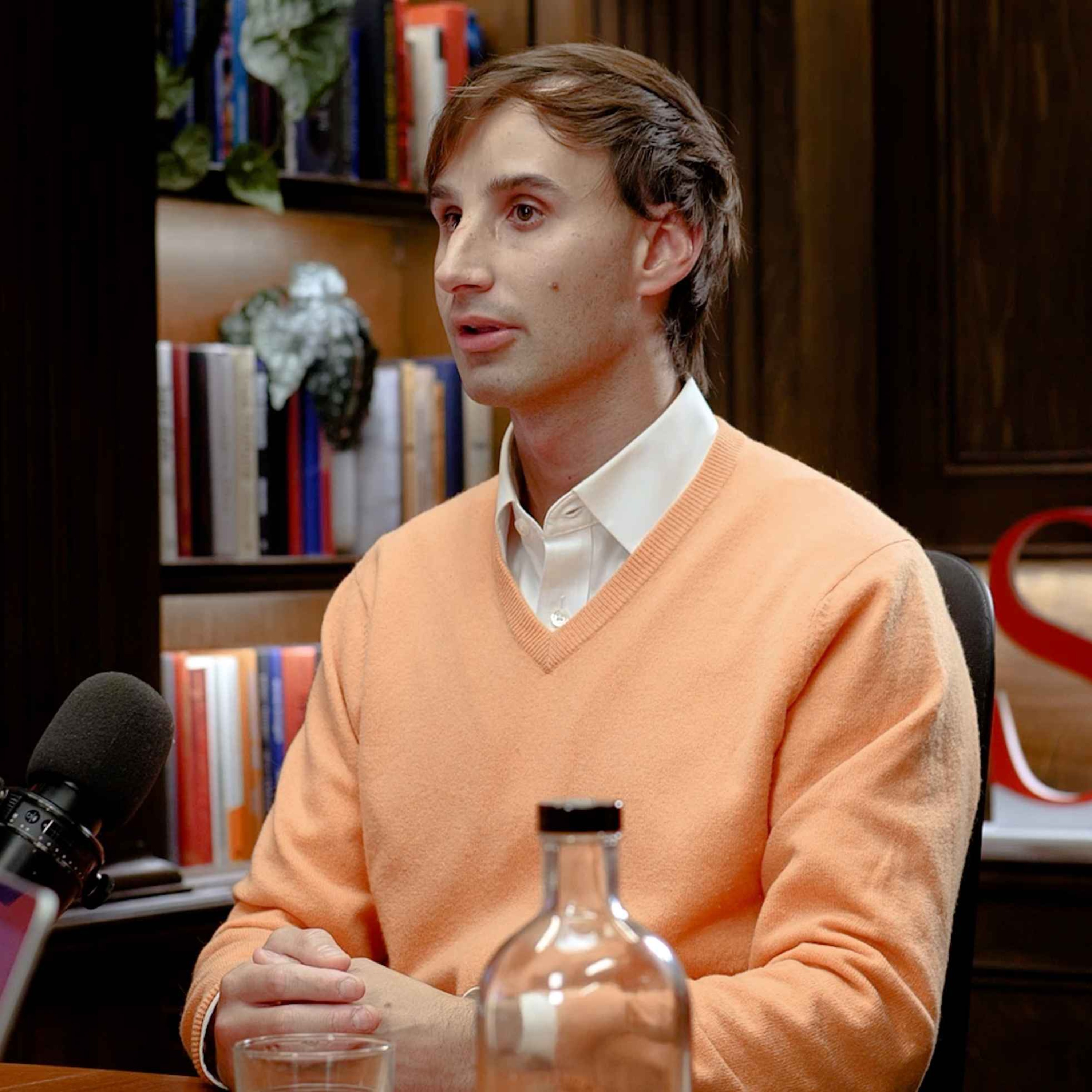
Is the AI bubble about to burst or is the boom only just beginning? As investors pile into AI stocks, tech valuations soar and central banks raise interest rates, comparisons with the dotcom crash are growing. But are we really heading for another market meltdown? To make sense of it all, Michael Simmons speaks to Giulio Bertini, a former European Central Bank employee and hedge fund trader – author of Ten Moments That Defined Markets – about the extraordinary rise and collapse of the dotcom bubble. They discuss the similarities with today's AI boom, why he actually believes the market still has further to run – and what there is to be positive about the British approach to AI. You can find Giulio’s book Ten Moments That Defined Markets here (https://www.amazon.co.uk/dp/3033125514?bestFormat=true&ref=cm_sw_r_ffobk_cso_wa_apin_dp_JCM2BJJ89VRQTWA2XSRG&ref_=cm_sw_r_ffobk_cso_wa_apin_dp_JCM2BJJ89VRQTWA2XSRG&social_share=cm_sw_r_ffobk_cso_wa_apin_dp_JCM2BJJ89VRQTWA2XSRG&th=1). Produced by Patrick Gibbons and Henry Lloyd. Hosted on Acast.
Episode information is provided by the publisher. Listening takes place on the publisher’s service.
Crypto News: Bitcoin, altcoins, and the crypto market crash along with stocks, gold, and silver. Will we see a recovery soon? ️ Learn Crypto with Expert Commentary - http://MyCryptoCourse.com (http://mycryptocourse.com/) iTrustCapital Representative: [email protected] ⭐️ Trade crypto perps with a free $25 bonus on Kalshi. ♂️Merlin - http://tinyurl.com/MerlinTCYouTube “I am a Merlin partner and get compensated for purchases made through links in this content"this content"Follow on social media: ️ X(Twitter) - https://x.com/thinkingcrypto ️ Facebook - https://www.facebook.com/thinkingcrypto/ ️ LinkedIn - http://linkedin.com/company/thinking-crypto ️ Instagram - https://www.instagram.com/thinkingcrypto/ ️ TikTok - https://www.tiktok.com/@thinkingcrypto5 ️ Threads - https://www.threads.net/@thinkingcrypto ️ Website - https://www.ThinkingCrypto.com/ (https://www.thinkingcrypto.com/) Business Inquiries [email protected]⏰ Time Stamps ⏰ 00:00 (https://rumble.com/v7inwo8-da
Until a little under two weeks ago, Silicon Valley Bank was the sixteenth largest bank in the United States, the favoured choice of tech startups due to the tailored services it provided. But by 10th March 2023, American authorities were taking control of SVB following its collapse. It had assets of over $200bn, making for the second biggest bank failure in US history. There were a number of factors behind the collapse, and it’s causing concern as it’s common for one bank collapse to be followed by another, due to what’s called financial contagion. Indeed, just a few days later it was the turn of New York-based Signature Bank to collapse. And over in Europe, Switzerland’s second largest bank Crédit Suisse had to take out a $54bn to stay afloat, before then being bought out by the country’s largest bank UBS, in a bid to halt the crisis. Why did Silicon Valley Bank collapse? How do stock market crashes happen? In under 3 minutes, we answer your questions! To listen to the last episodes,
The Democrats swept the midterms. Donald Trump is still president. What will the next two years look like? And what can history teach us about what comes next? Martin Wolf speaks to historian Heather Cox Richardson about the cycles in the past 250 years of US politics — how renewal (and division) can both follow periods of oligarchy, and how the Democrats should react to a “constitutional crisis”. To enjoy future episodes, be sure to subscribe to ‘Martin Wolf on the World’ wherever you get your podcasts. You can also watch Martin’s podcast series on the FT’s YouTube channel here:https://www.youtube.com/@FinancialTimeshttps://www.youtube.com/@FinancialTimes Host: Martin Wolf Producer: Mischa Frankl-Duval Senior producer: Laurence Knight Video editor: Richard Topping Senior audio engineer: Breen Turner Broadcast engineer: Andrew Georgiades Podcast development: Laura Clarke FT Global Head of Audio: Flo Phillips Learn more at www.ft.com/martin-wolf-on-the-world (http://www.ft.com/martin-wo
Project Synapse: Markets in Freefall, Fragile Infrastructure, and AI's Perfect Storm The hosts banter through the show's intro before focusing on a sense that "things are out of control," citing a WallStreetBets suicide-hotline post amid a market crash and discussing cascading system failures involving Microsoft, the FAA, and a reported NSA internal communications outage. They argue politicians and leadership lack technical competence and clear messaging, increasing panic, while emphasizing that many problems stem from aging, underfunded infrastructure and complex, brittle software (PHP, NGINX, Java), not proven AI attacks—more a "perfect storm" of crises. They debate whether AI should help fix complexity, stressing critical thinking, accountability, and using multiple AIs to verify each other. In a lightning round they cover Anthropic's IPO performance, mixed reactions and token limits with ChatGPT 6.2 (favoring "Sol" over "Astra"), Google's cheaper Neon model and confusing UX, Loblaw
Cognitive AI Lab Community Update + consensus, books, and my next steps Episode release date: 19 Aug 2022 Core Ideas: Metamodernism: Narratives and emergence view of reality - Reduce suffering - Increase prosperity - Increase understanding mantra: Seek knowledge. DISCLAIMER: This is a community-driven show. ------------ Keywords: tech singularity, post labor economics, ai agents, chatbots, agi, machine learning
Read: Matthew 28:19-20; Hebrews 4:12 (https://www.biblegateway.com/passage/?search=Matthew+28%3A19-20%3B+Hebrews+4%3A12) Sheri clutched her new book to her chest as she held the phone to her ear. “Yes, you totally need to read it! The last few chapters are great!” “You always find such fun books! I’ll look for it at the library the next time I go,” her friend Megan said. “Oh, my dad is calling. I’ve got to go.” Sheri hung up, then went into the family room and plopped on the couch beside Mom. “You really enjoyed that book, didn’t you?” Mom said as she folded some towels. “Yes!” Sheri flipped through it. “It’s the best I’ve read in ages! There’s romance, heroes and villains, battles of good versus evil, and so much more!” “That does sound exciting.” Mom smiled. “I know of another book like that, filled with good versus evil, heroes battling villains, and even romance. It’s my favorite.” Sheri furrowed her brow. “What book is that?” Mom held up the book beside her. “The Bible. Have you t
In this episode of Americano, Freddy Gray welcomes journalist and author David Aaronovitch into the studio for a candid, wide-ranging, and frequently fiery debate as the two clash over whether the media frenzy surrounding Brand is driven by genuine moral reckoning or political hypocrisy, while also locking horns over the legacy and excesses of the MeToo era. Hosted on Acast.
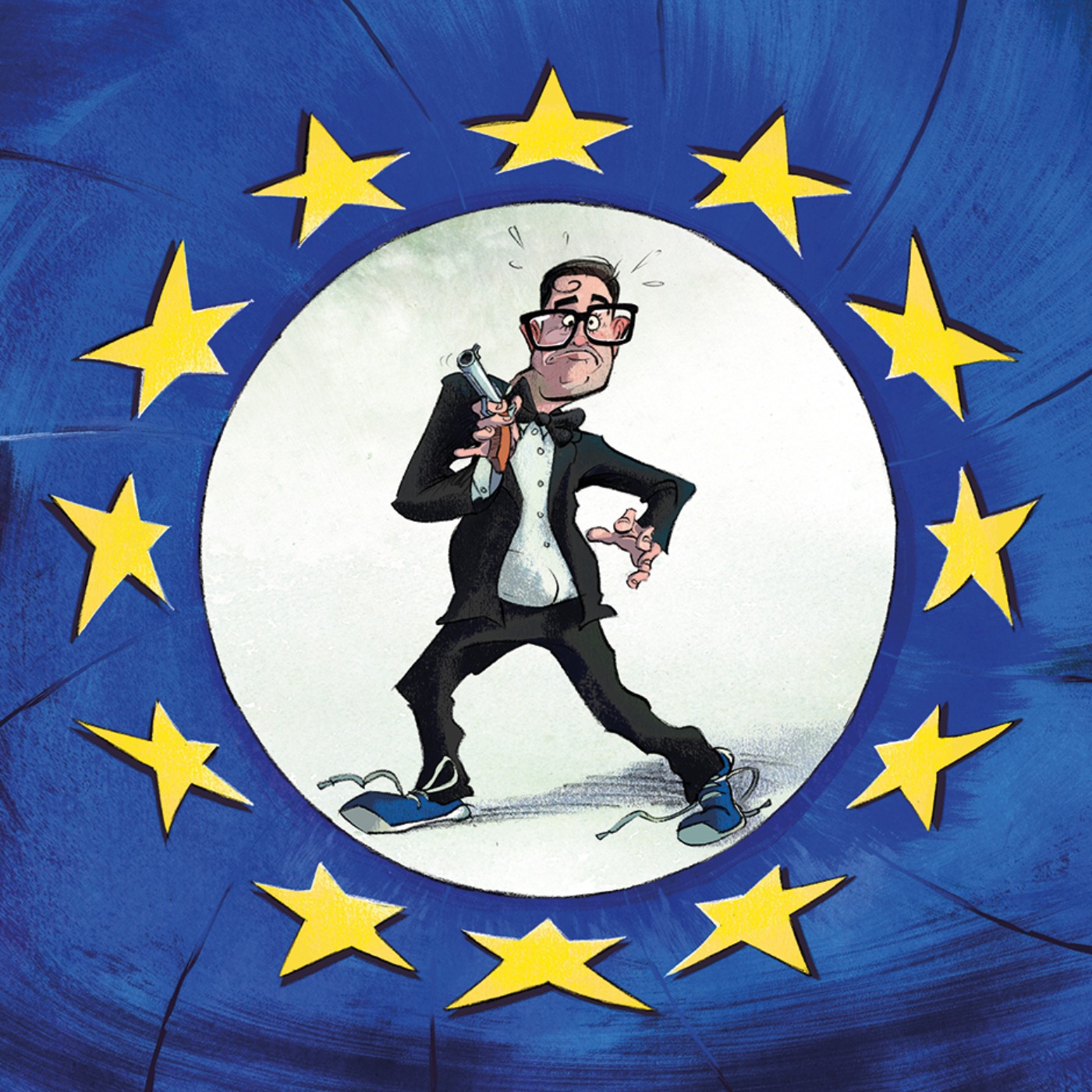
Lara Prendergast is joined by The Spectator's political editor Tim Shipman, broadcaster Jon Sopel and Noble Rot founder Dan Keeling to discuss Andy Burnham's plans to get closer to the EU, Nigel Farage's renewed Brexit campaign and whether Boris Johnson could be tempted back onto the battle bus. Plus, why are so many young men turning to influencing instead of traditional careers? Is Robert Pattinson the right choice for the next James Bond? And Dan shares his tips for finding a great bottle of wine without breaking the bank. Hosted on Acast.
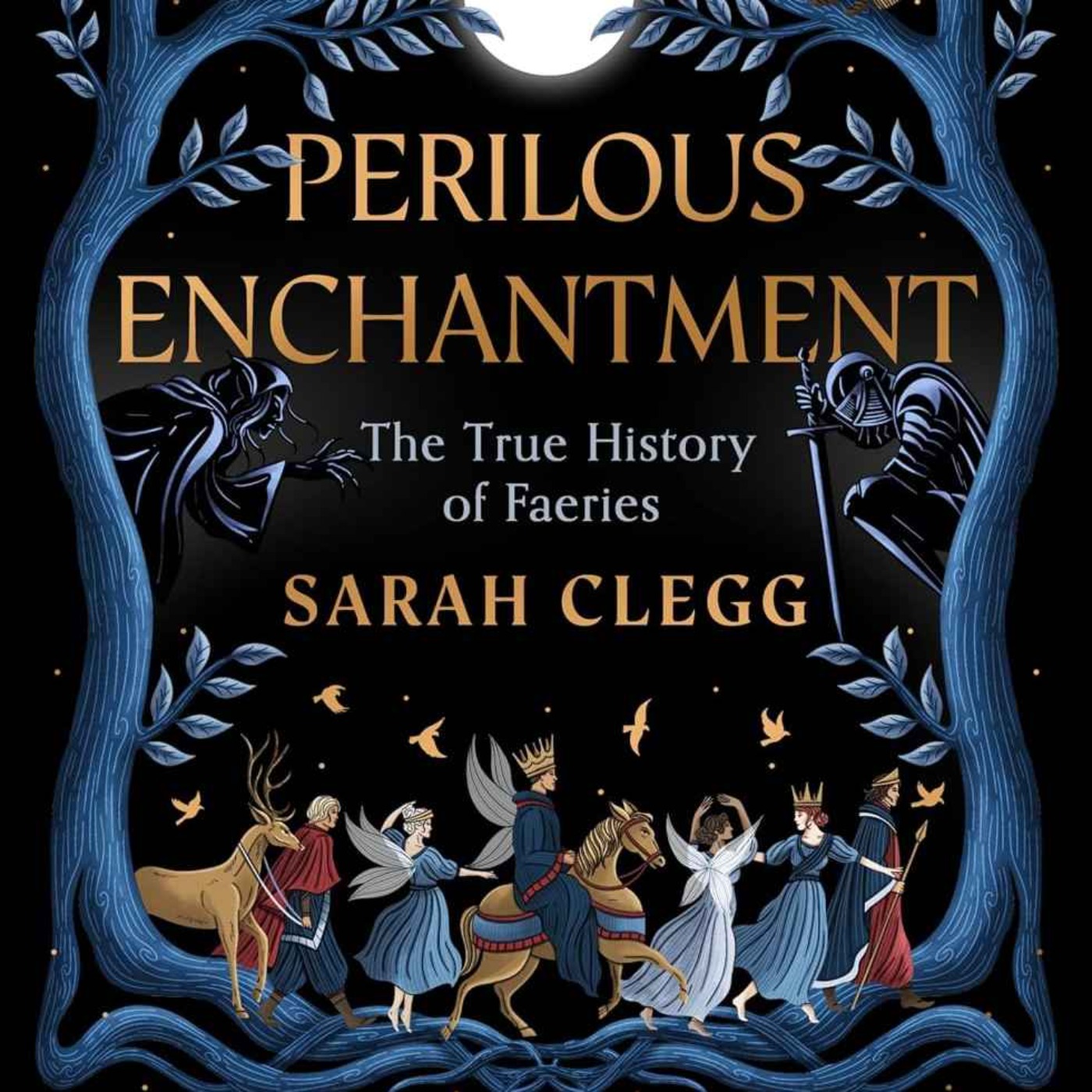
Forget the glitter, wings and magic wands – fairies were once far darker, more dangerous and considerably more seductive creatures. In this episode of Book Club, Sam Leith is joined by historian and author Sarah Clegg to discuss her new book, Perilous Enchantment: The True History of Fairies. From baby-snatching demons and Shakespeare’s sprites to Tinker Bell and the modern romantasy boom, Sarah traces how our understanding of fairies has evolved over the centuries. How did these powerful, often terrifying beings become the innocent creatures of children’s stories? And why are they now enjoying a distinctly sexier revival in popular fiction? Produced by Abigail Brierley. Hosted on Acast.
Schools should restrict personal phone use during lessons.
Share your view, then see how readers voted. No sign-in required. This poll is shared across stories.
Do you agree or disagree?
Common Quandary
A Common Quandary to discuss
Another conversation to explore, separate from this news story.
The stadium can ban violent fans by scanning every face at the gate. Would you walk in?
A stadium can use facial recognition to identify people banned for violence and shorten security lines. Every visitor would be scanned, error rates are not zero, and the resulting biometric data could become useful to police or advertisers.
How much privacy may a crowd be asked to trade for collective safety?