English-language podcasts

Best of the Spectator

Reality Check: Why we don't know how many people are unemployed – with Chris Curtis MP
34 min

Listen through the publisher, then discuss the episode here or arrange an in-person Roundtable. Your city determines where to meet.

Roundtables are designed for groups of four, with a shared subject and room for everyone to speak. Come for discussion, with no dating expectation.

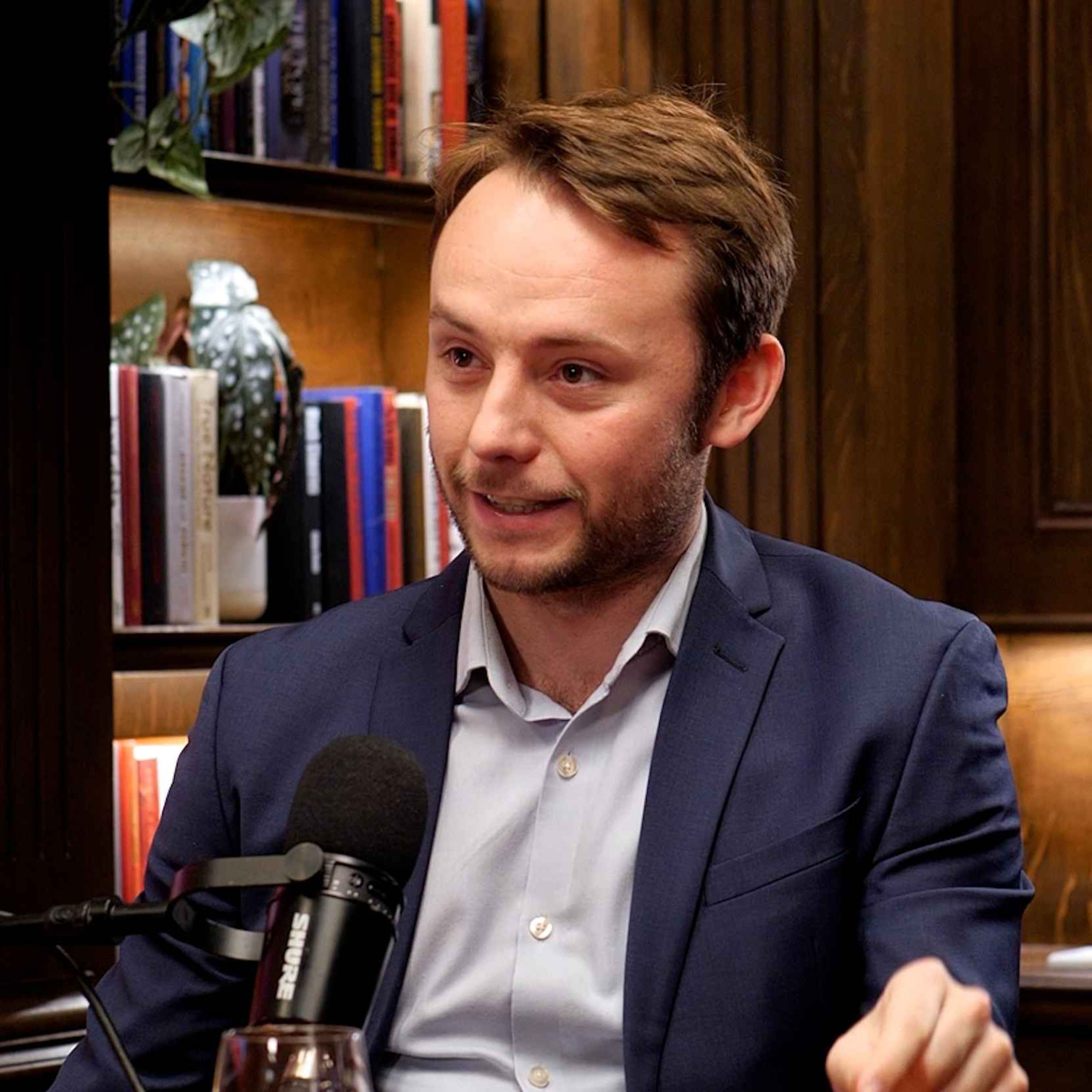
Is unemployment in Britain rising or falling? The worrying answer is that we don't really know. The Office for National Statistics (ONS) is struggling to produce reliable employment figures, with fewer than four in ten people now responding to its Labour Force Survey. But what does this mean for government policy, interest rates and our understanding of the British economy? Michael Simmons speaks to Labour MP and former pollster Chris Curtis about why Britain's economic statistics have become so unreliable, whether the UK's youth unemployment crisis is as bad as we think and how flawed data has distorted our understanding of productivity. They also discuss whether Britain relies too heavily on evidence-based policymaking, why Chris wants to make participation in the Labour Force Survey compulsory and whether better use of government data could help fix the problem. Produced by Patrick Gibbons. Hosted on Acast.

Episode information is provided by the publisher. Listening takes place on the publisher’s service.

Listen at the source ↗

Featured places to meet in Palo Alto, CA

Explore these places and arrange a conversation through ThinkMatch.

City guide for Palo Alto, CA

More from Best of the Spectator

Best of the Spectator

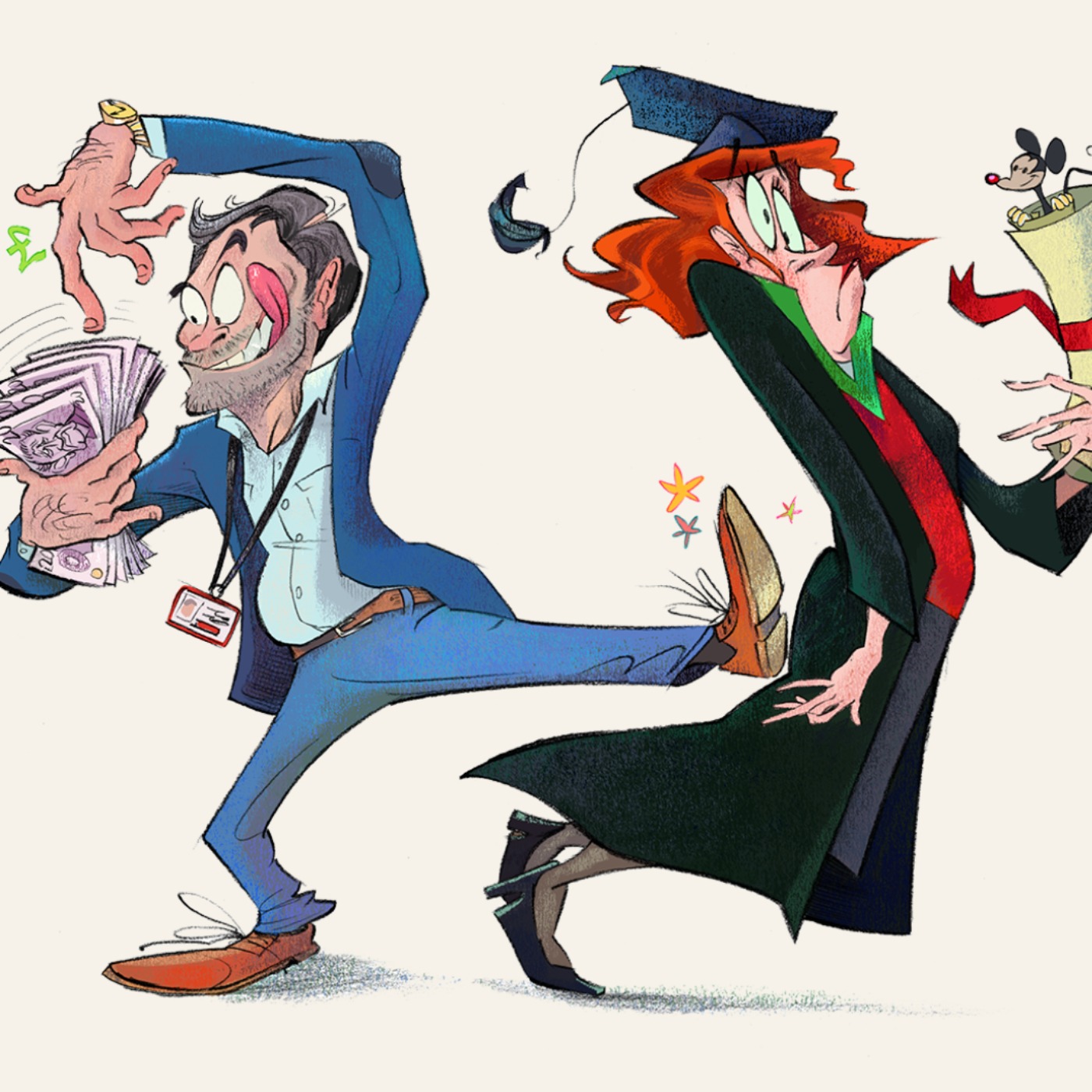
The Edition: Are Britain's universities selling worthless degrees?

56 min

For this week’s Edition, William Moore is joined by the Spectator’s economics editor Michael Simmons, writer-at-large Max Jeffery and the historian Alice Loxton. This week: are Britain’s universities becoming degree factories? William Finlator explains the extraordinary growth of franchised universities – institutions which can make huge profits while offering courses with poor academic outcomes and, in some cases, little of the traditional university experience at all. Michael asks what universities are actually for, while Alice warns that low-quality degrees risk devaluing the reputation of British higher education. Is a bad degree worse than no degree? Also: how did Bangladesh’s violent politics end up on the streets of east London? Max explains how Britain has become a major arena for the country’s political factions, following the fall of Sheikh Hasina, with rival groups clashing on the streets while exiled politicians lobby British MPs. Is Britain equipped to deal with foreign po

Discuss this episode

Best of the Spectator

The Book Club: Jilly Cooper – literary magpie or plagiarist?

40 min

When does literary borrowing become outright theft? This week, the literary world has been rocked by allegations that one of Britain's best-loved novelists, Jilly Cooper, plagiarised passages in her 1978 novel Prudence. Sam Leith is joined by Kate Maltby, the journalist behind the Observer investigation, and novelist Philip Hensher, a passionate defender of Cooper. They discuss the distinction between plagiarism and literary influence, whether fiction should be held to the same standards as non-fiction, and whether our affection for a national treasure has clouded our judgement. Should the revelations change how we read Jilly Cooper? And, as AI makes it easier to uncover plagiarism, could there be more literary scandals to come? Produced by Abigail Brierley & Henry Lloyd Hosted on Acast.

Discuss this episode

Best of the Spectator

Quite right!: Burnham, Brexit and brain rot

48 min

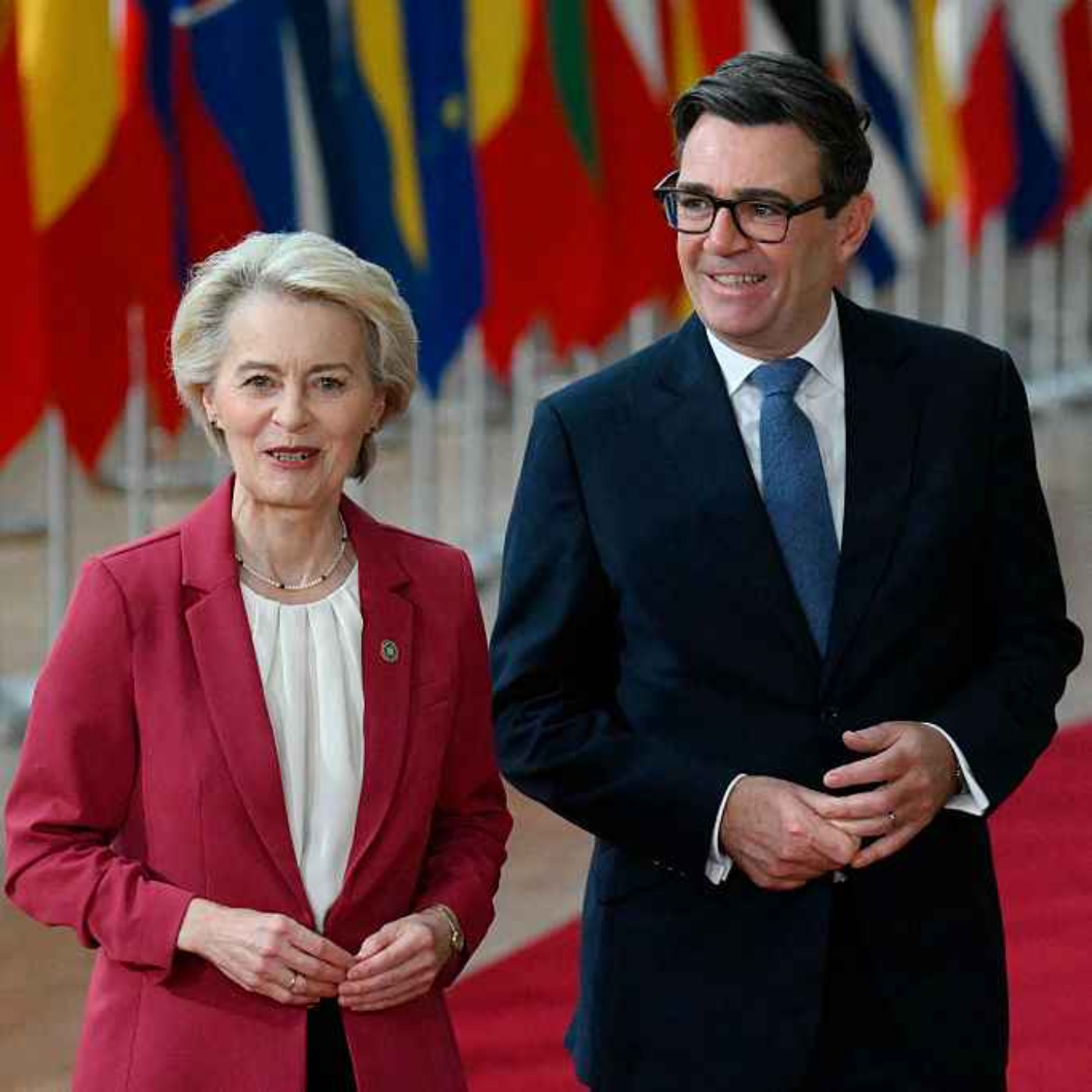
Andy Burnham is seeking closer ties with Brussels, despite warnings from David Cameron and Theresa May. Michael Gove and Lara Brown ask whether the reset is a distraction or the first step towards rejoining. They also look at what it would mean for the bacon sandwich, and at the EU's demand that its students pay home tuition fees. Also: Downing Street has opened its doors to TikTok stars and reality TV contestants. Is the influencer interview a clever way to reach voters, or are the public starting to feel patronised? Produced by Henry Lloyd Hosted on Acast.

Discuss this episode

Community Poll

Scarce treatments should be allocated by medical need rather than ability to pay.

Share your view, then see how readers voted. No sign-in required. This poll is shared across stories.

Do you agree or disagree?

Choose one answer

Common Quandary

A Common Quandary to discuss

Another conversation to explore, separate from this news story.

Five friends join the person ahead of you after a forty-minute wait. Do you object?

You wait forty minutes for a popular event. Just before the doors open, five friends join the person directly ahead of you, who says they have been holding everyone's place from the beginning.

What unwritten agreement does joining a line create?

Explore this quandary