English-language podcasts

The Brian Lehrer Show

Redemption on Death Row
30 min

Listen through the publisher, then discuss the episode here or arrange an in-person Roundtable. Your city determines where to meet.

Roundtables are designed for groups of four, with a shared subject and room for everyone to speak. Come for discussion, with no dating expectation.

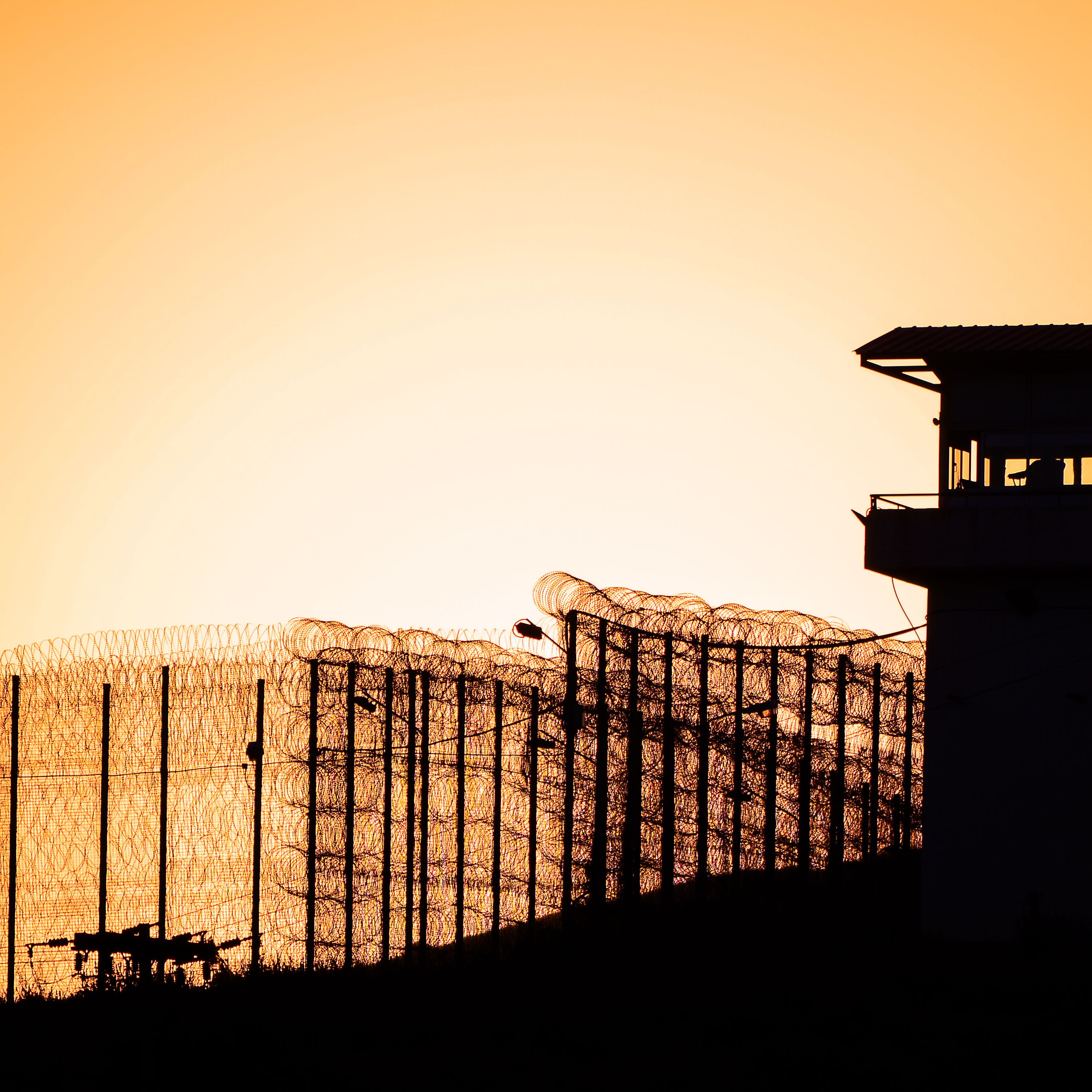
Lawrence Wright,staff writer for The New Yorker, (https://www.newyorker.com/contributors/lawrence-wright)a playwright, a screenwriter, and the Pulitzer Prize-winning author several books, including The Looming Tower (Knopf, 2006) and his latest, Redemption: Faith, Justice, and Sisterhood on Death Row (Knopf, 2026) (https://www.penguinrandomhouse.com/books/803565/redemption-by-lawrence-wright/) talks about a group of women on death row in Texas and the nuns who visit them and what he learned about justice and redemption in writing the book. Photo: Gatsi via Getty Images Hosted by Simplecast, an AdsWizz company.

Episode information is provided by the publisher. Listening takes place on the publisher’s service.

Listen at the source ↗

Featured places to meet in Palo Alto, CA

Explore these places and arrange a conversation through ThinkMatch.

City guide for Palo Alto, CA

More from The Brian Lehrer Show

The Brian Lehrer Show

How the Senate's 'Permitting Reform' Bill Would Affect Green Energy, Data Centers and More

44 min

The Senate recently passed a "permitting reform" bill, which would speed up the process to build green energy and less clean energy infrastructure. Austin Corona, energy reporter at Grist, (https://grist.org/author/austin-corona/) and Pavan Acharya, Politico reporter covering energy policy on Capitol Hill, (https://www.politico.com/staff/pavan-acharya) talk about what is in the bill, what it would change and what the chances are of it becoming law. Photo: Solar farm at Daggett 3 Solar Power + Battery Energy Storage System Clearway Solar + Energy Storage on Wednesday, Oct. 18, 2023 in Daggett, CA. (Irfan Khan / Los Angeles Times via Getty Images) Hosted by Simplecast, an AdsWizz company.

Discuss this episode

The Brian Lehrer Show

The Resurgence of Measles in the United States

36 min

The United States has lost its measles elimination status. Now what? Amy Maxmen, PhD, public health correspondent and editor at KFF Health News (https://www.kff.org/person/amy-maxmen/), talks about how the infection disease came back. Photo: UCSF Health measles alert poster listing symptoms and asking patients to wear a mask and notify the front desk in San Francisco, California, November 13, 2026. (Smith Collection/Gado via Getty Images) Hosted by Simplecast, an AdsWizz company.

Discuss this episode

The Brian Lehrer Show

Monday Morning Politics: War Funding; Abolishing the Filibuster and More

48 min

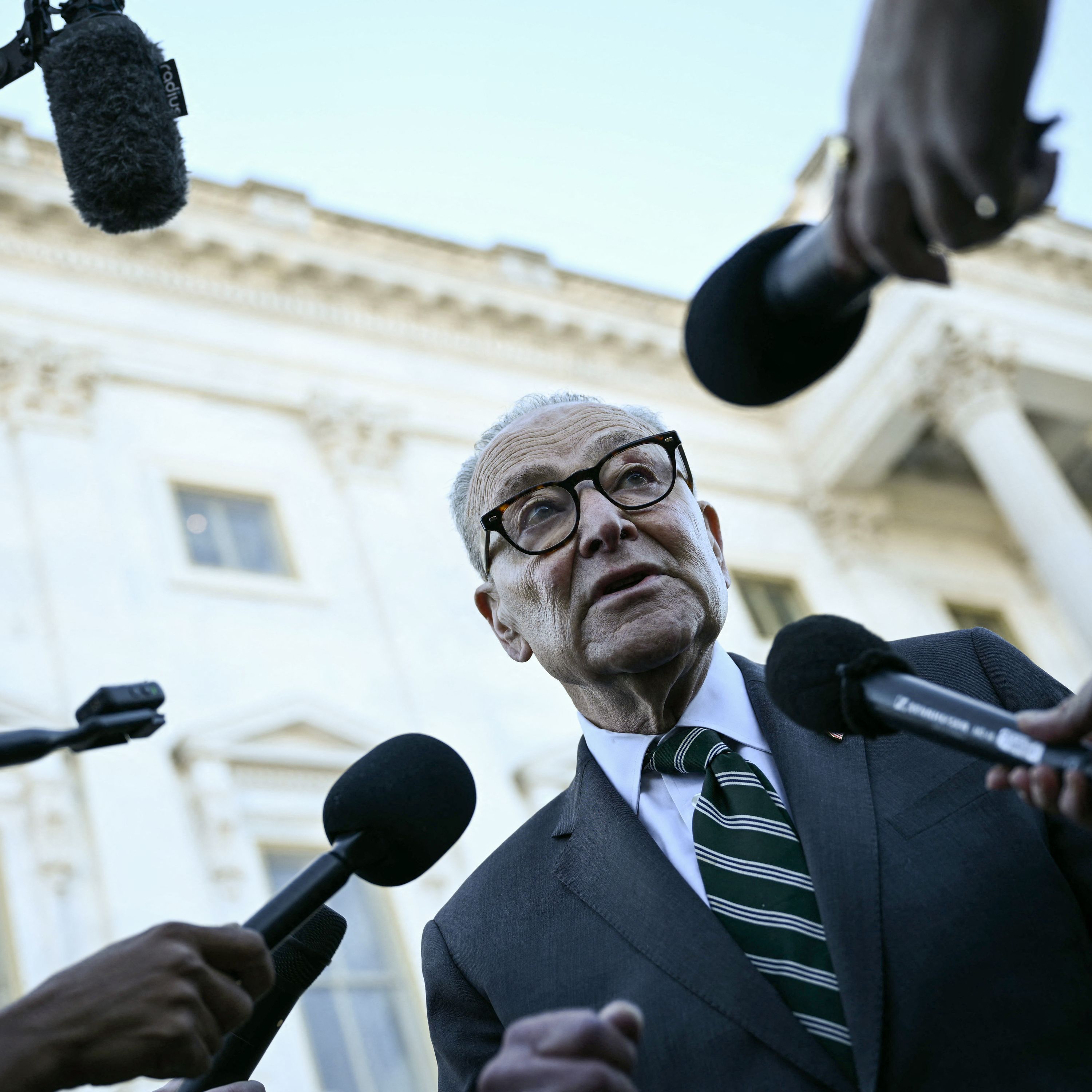
Leigh Ann Caldwell, (https://puck.news/authors/leigh-ann-caldwell?adset_id=176331673387&campaign_id=21689104315&campaign_type=&gad_campaignid=21689104315&gad_source=1&gbraid=0AAAAABTpuUW1TFjRGl8PVrElWs-tpLOO7&placement=g) chief Washington correspondent for Puck News, talks about the national political news of the week, including the leadership race between Schumer and Van Hollen, the debate over the Iran war as the government funding deadline approaches, the debate over abolishing the filibuster and more. Photo: US Senate Minority Leader Chuck Schumer, Democrat from New York, speaks to reporters outside the US Capitol in Washington, DC, on November 18, 2026.(Brendan SMIALOWSKI / AFP via Getty Images) Hosted by Simplecast, an AdsWizz company.

Discuss this episode

Community Poll

Athletes should have more influence over schedules affecting their health.

Share your view, then see how readers voted. No sign-in required. This poll is shared across stories.

Do you agree or disagree?

Choose one answer

Common Quandary

A Common Quandary to discuss

Another conversation to explore, separate from this news story.

The restaurant forgot your expensive entrée. Do you point it out?

After a crowded dinner, you notice the restaurant omitted your most expensive entrée from the bill. Service was slow, the server seemed overwhelmed, and correcting it may create trouble for the person who made the mistake.

Does protecting someone from consequences ever justify benefiting from their error?

Explore this quandary