Review Show: London Museum and Rob Brydon in the TV sitcom Bill's Included
43 min
Listen through the publisher, then discuss the episode here or arrange an in-person Roundtable. Your city determines where to meet.
Roundtables are designed for groups of four, with a shared subject and room for everyone to speak. Come for discussion, with no dating expectation.
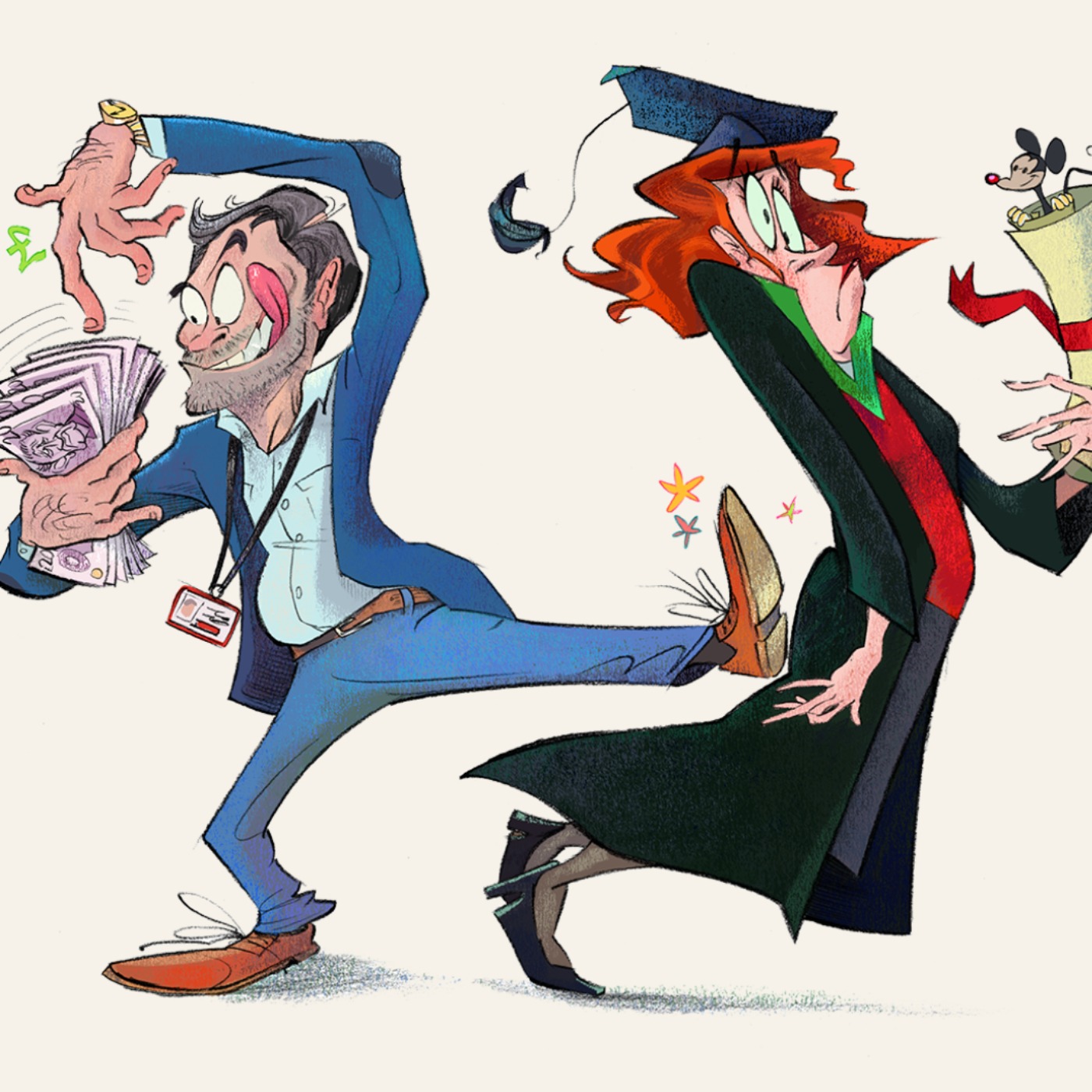
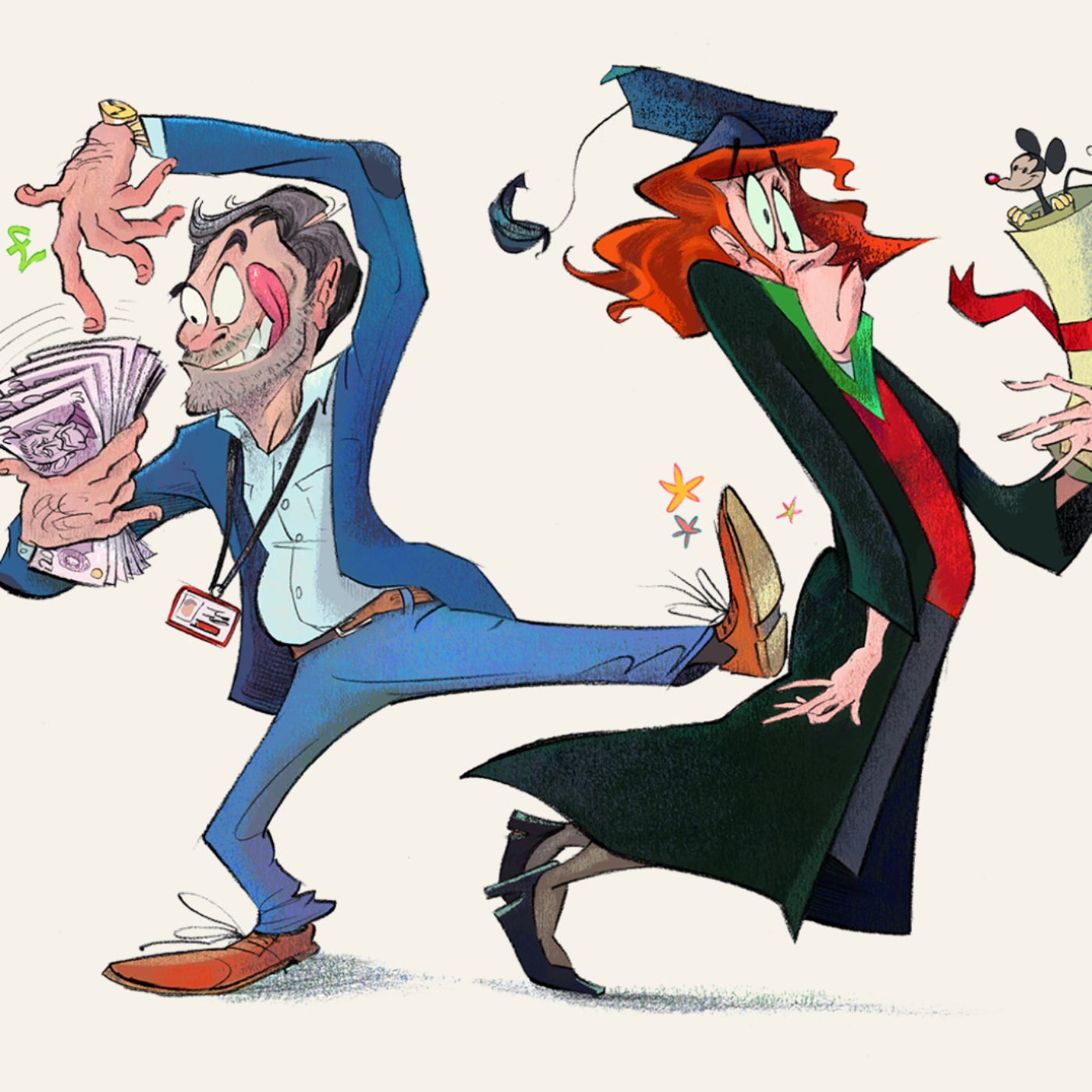
Critics Natalie Jamieson and Ben Luke join Tom Sutcliffe to review the £437 million re-opening of the London Museum. The Museum of London closed in December 2022 to prepare for the move to the new site at Smithfield in central London. They also discuss the Cannes Grand Prix winning film Minotaur by Andrey Zvyagintsev. Set in Russia, a successful company director's carefully ordered life begins to unravel. New research has revealed how much UK artists are losing out from private copying of their work. Christian Zimmermann from the Design and Artists Copyright Society explains how a proposed Smart Fund would help compensate artists. And Tom and guests offer their verdicts on the BBC 1 sitcom Bill's Included, starring Rob Brydon as a lonely and broke landlord who attempts to befriend his student tenants. Presenter Tom Sutcliffe Producer: Claire Bartleet
Episode information is provided by the publisher. Listening takes place on the publisher’s service.
In this interview, I sit down with journalist Tiffany Cianci to look at how the AI boom, data centers, giant food companies, and your retirement savings may all be connected. She explains why she believes we are building more data centers than we need, and how the BAJA bill, which passed the Senate and still needs a House vote, could put family farmland and clean water at risk. Learn more about Tiffany and her work at https://tiffanycianci.com (https://tiffanycianci.com/) and http://mahascorecard.com (http://mahascorecard.com/). Get the WAVwatch (Special Black Friday Offer): https://wavwatch.com/seth. WEEKLY MAN IN AMERICA PODCAST SCHEDULE: Wednesday, Saturday & Sunday 6:00PM PT / 8:00PM CENTRAL / 9:00PM ET #podcast #prepare #sethholehouse #maninamerica #independent DISCLAIMERS: I hope you do! PROTECT YOUR FINANCES: STAY HEALTHY: ONLY when you call! Use code SETH to save. – Buy Dr. -- Got pets? You probably got parasites too. BE PREPARED NOW: – Get a FREE Chapter of Prep Like Noah! --
Poundland, one of Britain's best-known discount retailers has collapsed into administration putting 11,000 jobs at risk and raising fresh questions about the future of the high street. For many shoppers, Poundland has been a place to pick up affordable everyday essentials. But it's also a major employer of women - many of whom are drawn to the flexibility and accessibility that high street retail jobs offer. To discuss the impact of the close on women, Chloe Tilley is joined by Joanne Thomas, general secretary of Usdaw, the Union of Shop, Distributive and Allied Workers, Catherine Shuttleworth, CEO of Savvy Marketing, and Dr Daniella Jenkins, Executive Director of the Women's Budget Group. In 2022 the body of 19-year-old Leah Croucher, who went missing while walking to work in February 2019, was discovered at a house in Milton Keynes, less than half a mile from her home. Leah had been killed by a repeat sex offender who had been on the run from the police at the time. Leah's family are
For this week’s Edition, William Moore is joined by the Spectator’s economics editor Michael Simmons, writer-at-large Max Jeffery and the historian Alice Loxton. This week: are Britain’s universities becoming degree factories? William Finlator explains the extraordinary growth of franchised universities – institutions which can make huge profits while offering courses with poor academic outcomes and, in some cases, little of the traditional university experience at all. Michael asks what universities are actually for, while Alice warns that low-quality degrees risk devaluing the reputation of British higher education. Is a bad degree worse than no degree? Also: how did Bangladesh’s violent politics end up on the streets of east London? Max explains how Britain has become a major arena for the country’s political factions, following the fall of Sheikh Hasina, with rival groups clashing on the streets while exiled politicians lobby British MPs. Is Britain equipped to deal with foreign po
For this week’s Edition, William Moore is joined by the Spectator’s economics editor Michael Simmons, writer-at-large Max Jeffery and the historian Alice Loxton. This week: are Britain’s universities becoming degree factories? William Finlator explains the extraordinary growth of franchised universities – institutions which can make huge profits while offering courses with poor academic outcomes and, in some cases, little of the traditional university experience at all. Michael asks what universities are actually for, while Alice warns that low-quality degrees risk devaluing the reputation of British higher education. Is a bad degree worse than no degree? Also: how did Bangladesh’s violent politics end up on the streets of east London? Max explains how Britain has become a major arena for the country’s political factions, following the fall of Sheikh Hasina, with rival groups clashing on the streets while exiled politicians lobby British MPs. Is Britain equipped to deal with foreign po
Happy Friday EIChicken Nuggets… Whether you’re listening at dawn, dusk, twilight, or golden hour… we’re back with another episode of your favourite pop culture and society podcast. Beth and Ruchira have been gamer girls this week, we’re diving into a million-dollar podcasting betrayal and Oenone is finally borrowing Ruchira’s Hayu login! Are we living in a simulation? Are the aliens playing a prank on us? TikTok creator Max Balegde has been discussed in Parliament this week after filming a lip-sync outside Number 10. Does the story actually warrant the coverage? Florence Pugh has spoken out against speculation around her getting cosmetic surgery. What did you make of her statement and could she have gone further for the greater good? Courtesy of The New Yorker, we’re wading back into the heteropessimism discourse. Is there any real merit in relationship advice? And what even is memetic desire? Finally, we’re talking about The Body Netflix’s new sapphic Catholic psychological drama. Wit
Day 1,733. Today, as Russia sets an all-time record for monthly losses, Poland reportedly asks Nato to consider shooting down Moscow’s missiles over Ukraine. Meanwhile, we unpack reports of a Ukrainian counterattack near Kupyansk and Kyiv shoots down a Russian jet-powered attack drone with a laser for the first time. Then, US envoy Jared Kushner gives one of his longest interviews to date, and echoes Russian talking points in the process. Contributors: Adélie Pojzman-Pontay (Host on Ukraine: The Latest). @Adeliepjz on X. Dominic Nicholls (Host on Ukraine: The Latest). @DomNicholls on X. SUPPORT US – JOIN OUR MEMBERS’ CLUB For more from the team, join UTL+. NOW IN FULL VIDEO WITH MAPS & BATTLEFIELD FOOTAGE: CONTENT REFERENCED: Watch the War Room: Can you outsmart Russia? Poland Asks NATO to Shoot Down Russian Missiles Over Ukraine (Bloomberg) Russian sabotage in Europe growing more capable even as more plots are foiled, IISS finds Kushner: Europe has no convincing plan for peace (The Te
One of the finest actors of his generation - Michael Sheen -breathes new life into one of Wales’s most defining stories. He stars as Owain Glyndŵrin in Owain & Henry, an epic new play by Gary Owen about a lord of a small northern land in the 15th century who rises in rebellion against King Henry IV. The production, at the Welsh Millennium Centre in Cardiff, is the second production by the new Welsh National Theatre, and Sheen co-directs as well as appears on stage. He talks to us about bringing one of Wales's most defining stories to the stage. From tombstones and altar pieces to rusty nails, battle masks, the remains of a horse and leather shoes worn by children, a new exhibition at the National Museum of Scotland in Edinburgh explores repeated attempts by the Romans to conquer Scotland. Writer and presenter Alistair Heather and writer, comedian and history fanatic Susan Morrison discuss what the artefacts they left behind reveal about that story. How can musicians collaborate with AI
David Fincher has directed many modern classic movies - Fight Club, Seven, The Social Network, Gone Girl - and now The Further Misadventures of Cliff Booth, based on the character from Quentin Tarantino's Once Upon a Time in Hollywood. Turner Prize artist Kira Freije creates lifesize figures made from slender welded steel strips, creating volumes or forms that resemble graphite drawings in space. Oliver Soden, has written a biography of satirist writer Saki - Super Beast - and discusses Saki's importance with writer and fan, Eley Williams. 2 of the young judges for the inaugural Children's Booker Prize - Myla and Luna - talk about what they're looking for in the books under consideration. The shortlisted books are: The Worst Thing That Could Possibly Happen by Guy Bass Tadpole Summer by Catherine Bruton War by Eoin Colfer and Andrew Donkin The Night I Borrowed Time by Iqbal Hussain The Teller of Tall Tales by Liz Hyder The Rambler’s Curse by Mikey Please Séamus Almost Famous by Jessica
Stephen Schwartz on creating his hugely successful Tony and Grammy award winning musical Wicked, from the first try outs in San Francisco to celebrating 20 years in the West End. Ryan Calais Cameron is an Olivier Award-winning British playwright. His latest work, at London’s Royal Court theatre is The Afronauts, about the 1964 Zambian space programme which set out to beat America and the Soviet Union to get a person on the Moon. John Lloyd remembers the co-curator of Spitting Image, Peter Fluck And Samira hears from the Chief Executive of the Society of Authors, Anna Ganley, about the issues facing writers around AI. Presenter: Samira Ahmed Producer: Andrea Kidd
Urgent public needs can justify simplifying normal approval procedures.
Share your view, then see how readers voted. No sign-in required. This poll is shared across stories.
Do you agree or disagree?
Common Quandary
A Common Quandary to discuss
Another conversation to explore, separate from this news story.
A pricey AI tutor can turn B students into A students. Should schools let them use it?
An effective AI tutor adapts to each student and dramatically improves performance, but its subscription is expensive. A public school cannot provide it to everyone and worries that allowing its use will deepen existing inequality.
Should access be limited when a beneficial tool cannot yet be shared fairly?