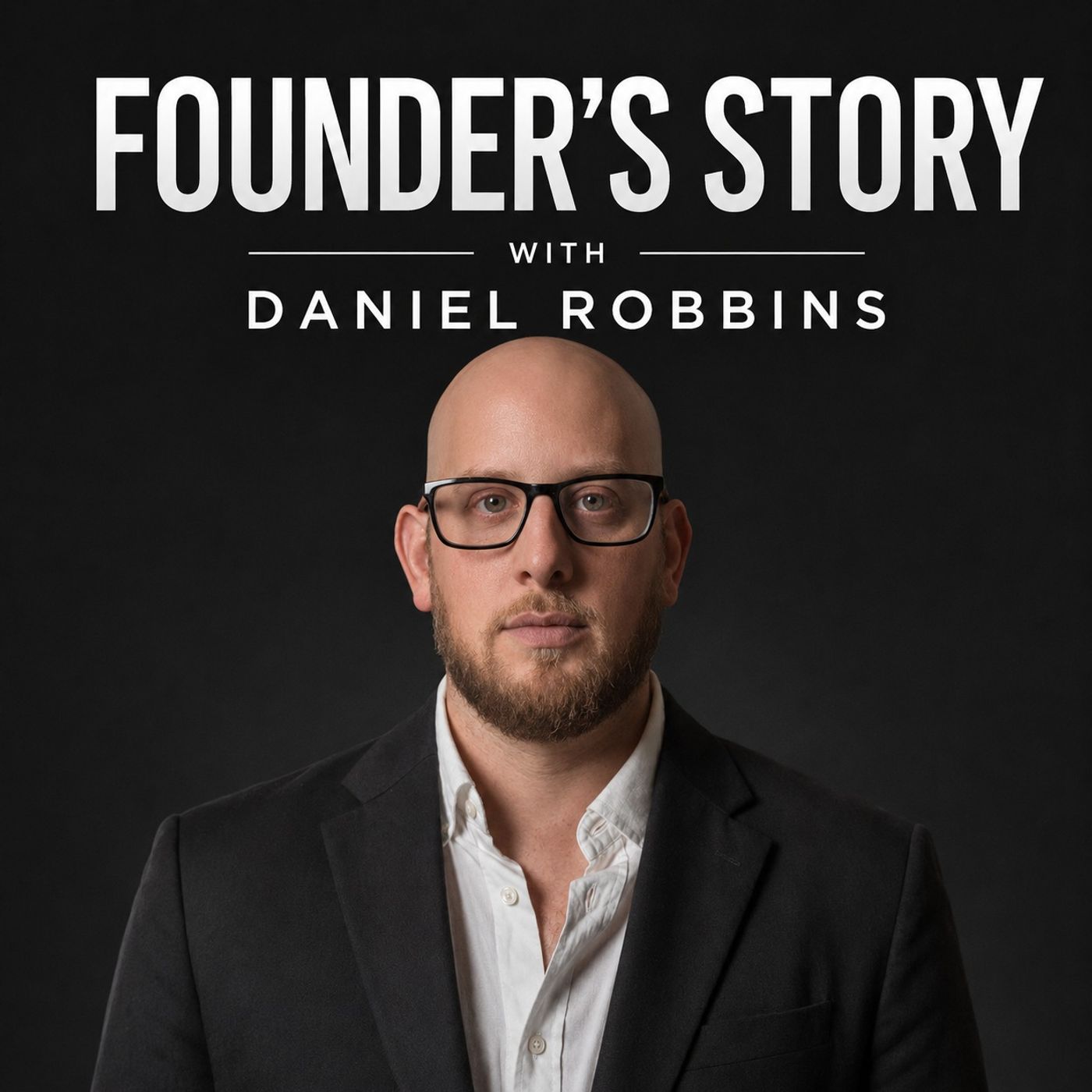
Robert Herjavec: Why Most Founders End Up Broke (And Why I Walked Off Shark Tank)
Listen through the publisher, then discuss the episode here or arrange an in-person Roundtable. Your city determines where to meet.
Roundtables are designed for groups of four, with a shared subject and room for everyone to speak. Come for discussion, with no dating expectation.
Daniel sits down with Robert Herjavec to explore why successful entrepreneurs can still struggle with money, how obsession fuels business growth, and what it really takes to build a company from nothing. Robert reflects on getting fired, bootstrapping his businesses, selling companies, and the surprising challenges that came with having access to significant capital. The conversation also explores behind-the-scenes disagreements on Shark Tank, including his reaction to MrBeast's $50,000 giveaway, the sacrifices founders make for success, and why Robert believes ambition without purpose can lead to unhappiness. Key Discussion Points Why successful founders still end up broke: Robert explains that entrepreneurship and wealth management require fundamentally different skills. Building a company demands risk-taking, speed, and conviction, while preserving wealth requires patience, diversification, and long-term thinking. From getting fired to building a $200 million company: Robert recalls losing his job and starting a business because he needed to make his mortgage payment. He shares how he relied on credit cards and multiple mortgages, eventually building a company to $200 million before taking a bank loan. The Shark Tank disagreement that made him walk off set: Robert reveals how he and Mark Cuban walked off the set after fellow Sharks agreed to invest in a founder without examining the business numbers. He also discusses why MrBeast's decision to give a contestant $50,000 for zero equity bothered him and how it challenged his understanding of what Shark Tank represents. Why bootstrapping can eventually hold founders back: Robert explains how the financial discipline that helped him build successful companies became a disadvantage after selling to a major investment firm. He struggled to adjust from spending a few million dollars carefully to investing significantly more capital to accelerate product development and growth. The hidden sacrifices behind entrepreneurial success: Robert reflects on the early years when the business consumed nearly every minute of his life, including vacations and family time. He explains why building something meaningful often requires more than passion and why obsession plays such a powerful role in entrepreneurship. Money, happiness, and the immigrant mindset: Robert discusses growing up with very little, his early dream of owning and paying off a home, and how financial success changes the way people think about security. He also opens up about raising children who have everything he lacked growing up and why sharing life with loved ones matters more than material success. Takeaways Being a successful founder doesn't make you a good investor. Robert explains that the skills required to create wealth are often the opposite of those required to preserve it. Entrepreneurs must learn when to transition from taking concentrated risks to protecting what they've built. Obsession matters more than passion when building a business. Robert recalls Mark Cuban challenging a founder's passion by asking about their obsession. In Robert's experience, early-stage entrepreneurship requires a level of commitment that goes beyond simply loving an idea. The habits that build a company can eventually limit its growth. Robert's ability to stretch every dollar helped him bootstrap successful businesses. But when larger financial resources became available, his reluctance to spend aggressively sometimes slowed down opportunities. Financial security means something different to everyone. For Robert, his earliest goals were to own a home, earn a comfortable income, and afford a used Corvette. Achieving those milestones helped him overcome the fear of losing everything that had shaped his early entrepreneurial journey. Ambition without purpose can become destructive. Robert has met extraordinarily wealthy people who remain deeply unhappy because they continue chasing more without understanding what they're working toward. He believes happiness cannot always be defined by what someone still lacks. Success means nothing if you have no one to share it with. Despite his financial achievements, Robert says his happiest experiences come from spending time with his wife and children. He believes meaningful relationships ultimately matter more than money, recognition, or material possessions. Closing Thoughts Robert Herjavec's Founder’s Story episode offers a rare look at the mindset behind a successful entrepreneur who has experienced poverty, business ownership, major exits, and decades of investing on television. His journey from getting fired and struggling to pay his mortgage to building multimillion-dollar companies reveals how ambition, discipline, and obsession can create extraordinary opportunities. But Robert's most important lessons go beyond making money. He challenges founders to understand the difference between building wealth and keeping it, recognize when ambition becomes unhealthy, and define success before the pursuit consumes their lives. His message is that entrepreneurship can give you incredible freedom, but true success comes from having a purpose and people you love to share it with. Today's Sponsor: Turn live shopping into a real business with Whatnot, where sellers build relationships, move inventory in real time, and reach buyers across collectibles, electronics, luxury, beauty, and more. Search Whatnot in the App Store and start selling today. Build the real thing with Base44. Built for those who stay in the flow. Learn more at Dell.com/Dell-Pro. Hosted by Simplecast, an AdsWizz company.
Episode information is provided by the publisher. Listening takes place on the publisher’s service.
Listen at the source ↗