Listen through the publisher, then discuss the episode here or arrange an in-person Roundtable. Your city determines where to meet.
Roundtables are designed for groups of four, with a shared subject and room for everyone to speak. Come for discussion, with no dating expectation.
Murdoch doesn’t really need much of an introduction- we all know about Murdoch, we all know how powerful and influential he has been throughout his life- but in this episode we look at the very beginnings, the influence of his father, a powerful newspaper executive. We see how young Murdoch started with just 2 newspapers, was underestimated from the get go but battled his way to the top of the media business in Australia by the age of 37 before setting his sights on the UK- it’s a cracking story, enjoy.
Episode information is provided by the publisher. Listening takes place on the publisher’s service.
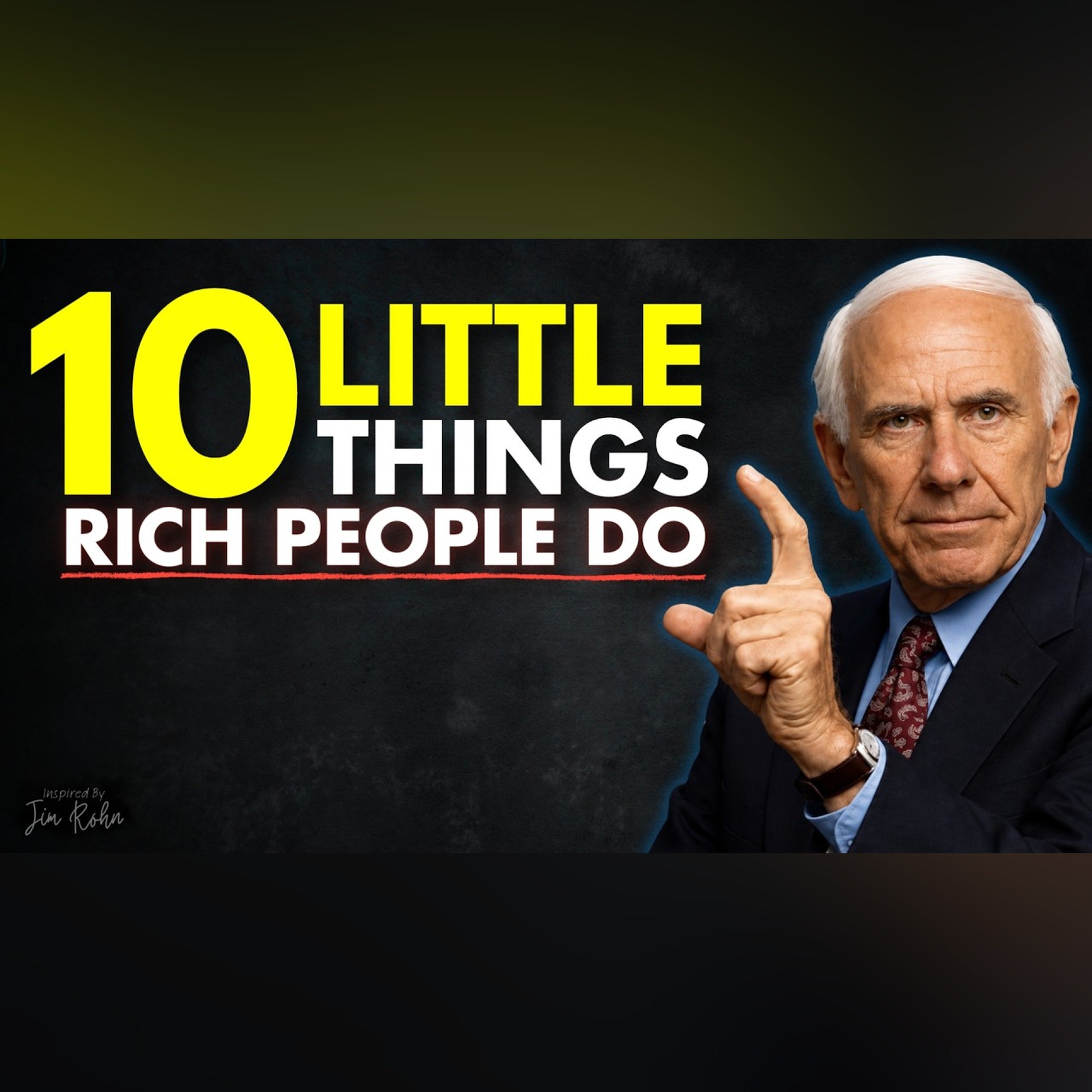
Most people are looking at wealth wrong. They think it comes from doing something big — picking the right stock, starting the right business, inheriting the right money, catching the right break. Uploaded 15-06-26 They're watching for the big move. The dramatic decision. The lucky moment that's going to change their financial life. They're watching in the wrong direction. Wealth doesn't come from a big move. Wealth comes from a thousand small ones, done quietly, every single day, for decades. The people who actually have money — not the people who look like they have money, but the people who actually have it — share a set of habits that are almost embarrassingly quiet. None of these habits would make a good news story. None of them would sell a book. None of them feel like the answer when you first hear them. They are too small, too slow, too unimpressive. But the quiet habits are doing the work. While other people are looking for the big move, the quietly wealthy are running these ha
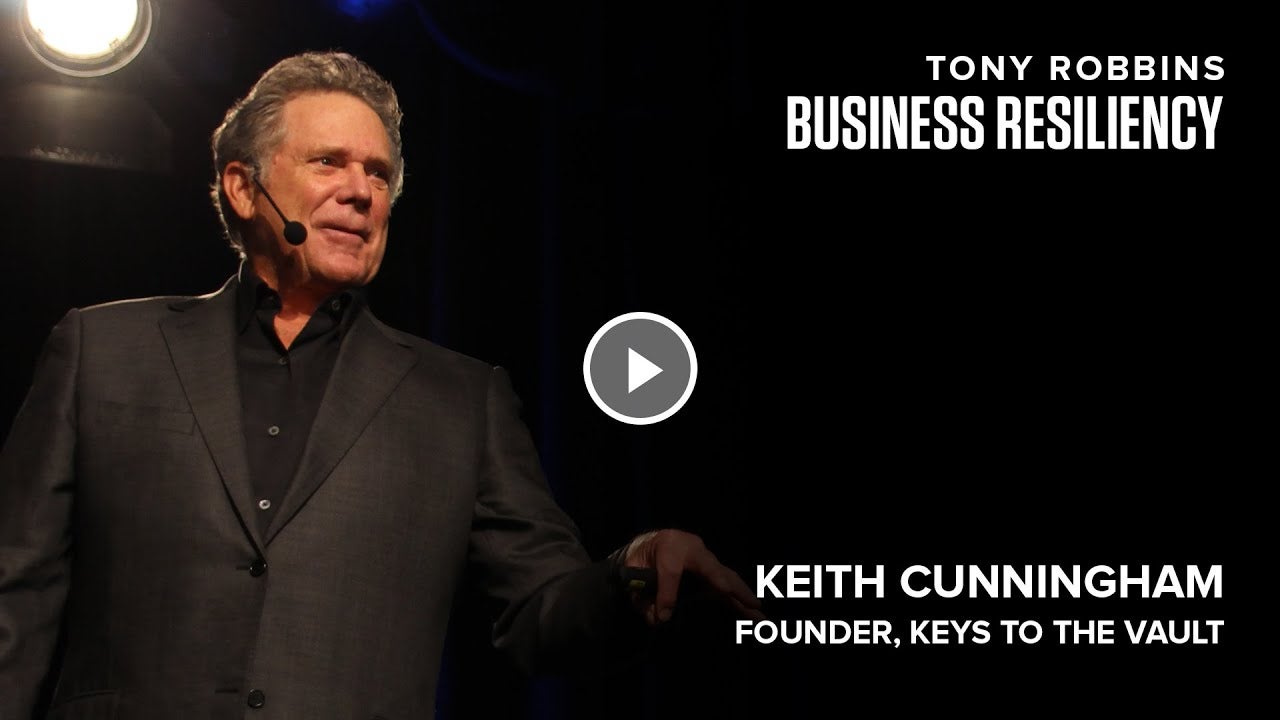
Keith Cunningham – renowned business expert, entrepreneur and speaker – highlights the critical crisis management questions that you must ask yourself to maximize periods of “thinking time.” Uploaded 28-04-20 What’s “thinking time”? Some business owners might call it an economic downturn. Tony Robbins calls it economic winter. But the most successful people call it an opportunity. They’re able to see that with the right mindset, a crisis can create breakthroughs, instead of breaking you. Hear what Tony had to say about creating breakthroughs on his podcast at https://www.tonyrobbins.com/podcasts/3-steps-breakthrough and get started creating yours today. Keith says in the video, “Cursing the wind doesn’t stop the hurricane.” In times of hardship, we have no choice but to play the hand we’ve been dealt. And as the saying goes, it’s not the hand you’ve been dealt, but how you play the hand that determines whether you win the game. How can you ensure you’re playing your hand in the best po
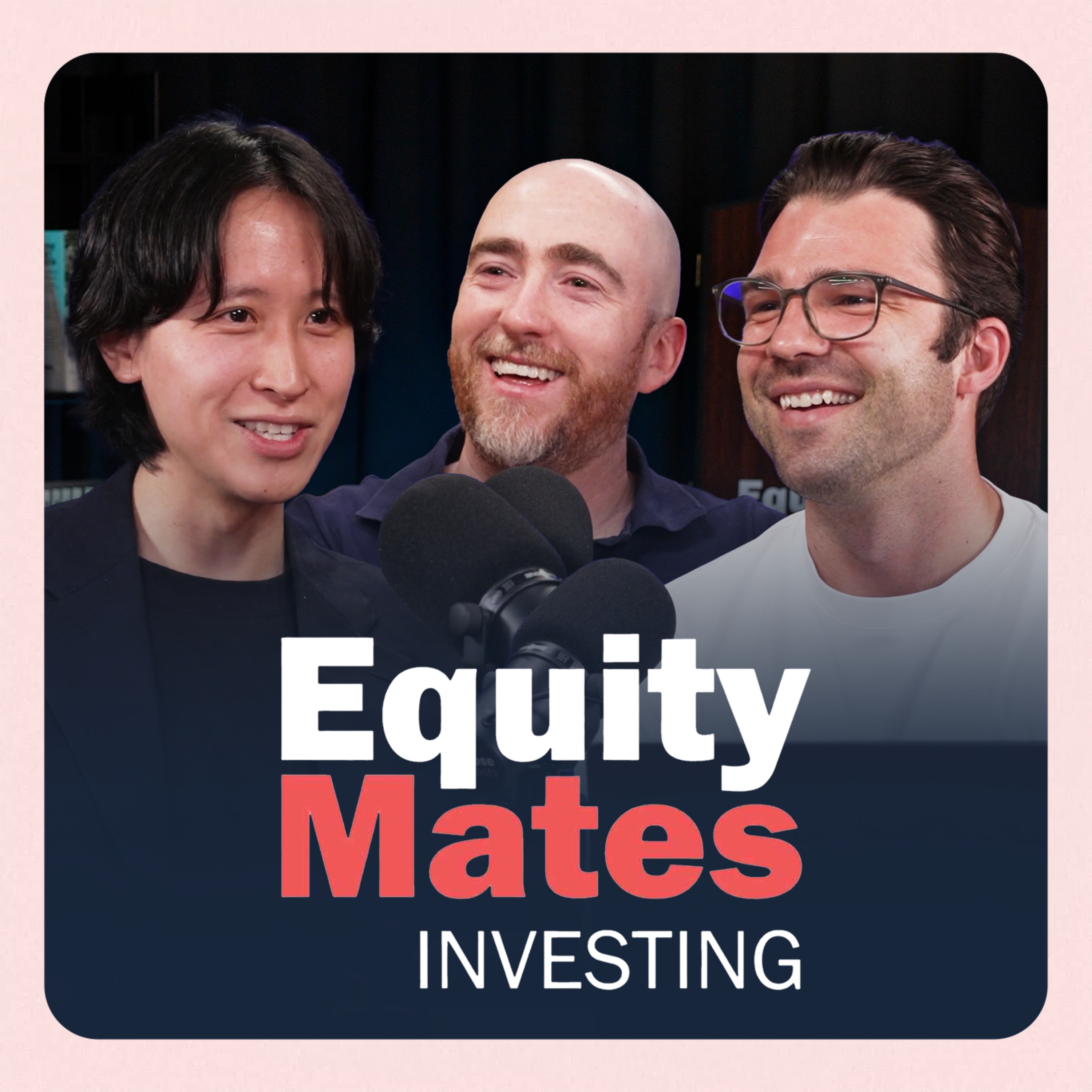
AI has dominated the headlines, but the bigger story might be happening in hardware. Bryce and Ren sat down in New York with Andrew Kang, CEO of RoboStrategy, who argues robot intelligence is now where AI was in 2022. With physical work making up roughly half the world's labour, they unpack why specialised robots will arrive before humanoids in your home, how the US and China really compare, and what it means to invest in a theme that is still mostly privately held. In this episode: 00:00:00 Are Robots The Next Trillion-Dollar Investment Opportunity? 00:02:48 Inside The Robotics Revolution At Figure AI 00:04:19 Why Robotics Is Where AI Was In 2022 00:07:51 How Big Could The Robotics Industry Become? 00:09:42 Where Robots Are Already Being Used Today 00:11:37 Why Specialised Robots Could Win First 00:14:22 Who Is Winning The Robotics Race: US Or China? 00:16:54 Why Robots Could Cost Just $2 An Hour 00:19:31 How Andrew Picks The Next Robotics Winners 00:24:33 The Company Powering America
Starting next year, roughly 20 million people will need to prove they’re working, volunteering, going to school, or have an exemption to keep their Medicaid. Republicans pushed through big changes to the program as part of President Donald Trump's tax and spending law from last year, including these so-called “work requirements.” Today, we dig into the timeline, how states are communicating changes, and more. But first: how energy prices are fueling global inflation. Every story has an economic angle. Want some in your inbox? Marketplace Morning Report is more than a radio show.
After five interest rate hikes this year, Australia's economy is starting to show some worrying signs. Unemployment has hit a five-year high, and recession fears are growing. Has the Reserve Bank gone too far in its cutting? And what is a closely watched recession indicator telling us? Plus, it's been a brutal week on Wall Street - even the biggest IPO in history couldn't rescue the AI trade. Is this a correction we had to have, or the start of something much worse? Lin Lin and ABC Business Reporter Steph Chalmers break it all down on ABC Business Daily. Read Lin's latest analysis here (https://www.abc.net.au/news/2026-11-23/sahm-rule-recession-indicator-australia-november-2026/107408750). Got a burning business question? We'd love to hear your questions!
Why do technologies that look like bad ideas in one era become enormous companies in the next? Originally recorded in 2018, Brian McCullough and Chris Dixon trace the companies, failures, and accidents that built the modern internet. They revisit the battle between the open web and more centralized visions of the “information superhighway,” why eBay helped establish trust between strangers online, what Napster understood about digital media, and how Google found a business model for search. They also look at the dot-com crash and the ideas that arrived before the technology was ready, from cloud storage to grocery delivery, asking what those cycles can teach founders about spotting the next wave. Resources: Follow Brian McCullough on X:https://x.com/brianmcc Follow Chris Dixon on X:https://x.com/cdixon Stay Updated: Find a16z on YouTube: YouTube (https://www.youtube.com/@a16z) Find a16z on X (https://x.com/a16z) Find a16z onLinkedIn (https://www.linkedin.com/company/a16z) Follow our ho
I first came across the Hunt family in Bryan Burroughs excellent book The Big Rich- it's a great read- also wrote Barbarians at the Gate. And the star of this story is Nelson Bunker Hunt and here’s a great piece from a New York Times obituary on Bunker: “He was a nonsmoking teetotaler who cultivated a devil-may-care Texas mystique by inhabiting cheap suits, a battered seven-year-old Cadillac, economy-class airline seats, burger and chili joints, and dusty barnyards in the raucous company of ranch hands. He loathed the federal government, warned of international communist conspiracies, spouted anti-Semitic sentiments, did business with the Saudi royal family and bankrolled expeditions to salvage the Titanic and to find Noah’s Ark”. So this is the guy who together with his brothers tried to corner the silver market in the 1970’s - this is a brilliant story- enjoy.
Thor Björgólfur's story is fascinating in one way because it gives us a great insight into Iceland’s catastrophic banking collapse in 2008, but there are also so many other great stories in Thor's own business career—like the 10 years he spent building his first business in Russia, some very big question marks about Thor’s dealings while he was there, how he sold his Russian brewery to Heineken and made $100 million, went back to Iceland to rehabilitate his family name, became Iceland's first billionaire, and how it all came crashing down and he became a pariah in his country.
Canceling a digital subscription should be as easy as starting one.
Share your view, then see how readers voted. No sign-in required. This poll is shared across stories.
Do you agree or disagree?
Common Quandary
A Common Quandary to discuss
Another conversation to explore, separate from this news story.
Your father is becoming a dangerous driver. Would you report him behind his back?
Your father values the independence his car gives him. He has not caused an accident, but his reactions have noticeably slowed and several recent drives frightened you. He refuses an assessment.