S2 Ep1717: Jenny: Making Christmas Magic and Accessible For My Daughter
12 min
Listen through the publisher, then discuss the episode here or arrange an in-person Roundtable. Your city determines where to meet.
Roundtables are designed for groups of four, with a shared subject and room for everyone to speak. Come for discussion, with no dating expectation.
For many people, Christmas is a fantastic joyful time of year, however, it can sometimes come with challenges to making it accessible. in this podcast, Hubert chats to Jenny, a mother with sight loss, who each year despite accessibility challenges manages to make Christmas a special time for herself and most importantly her daughter.
Episode information is provided by the publisher. Listening takes place on the publisher’s service.
In January 1897, blacksmith Edward Shue washed and dressed his bride of three months for burial before the coroner ever reached their log house in Greenbrier County, West Virginia, and at her funeral he kept fussing with her head and neck, propping it on a pillow and wrapping a scarf around her high collar. Her mother, Mary Jane Heaster, had never liked him, and for weeks afterward she prayed every evening for her daughter to come back and tell her what had really happened. FEATURED STORIES IN THIS EPISODE: This Weird Darkness episode runs from the Greenbrier Ghost, the 1897 West Virginia murder victim whose mother said she came back to name her killer, to a bottomless pit in Washington, a wave of Mothman sightings over Chicago, and a London tomb rumored to be a time machine. Elva Heaster was dead – but that didn’t stop her ghost from solving the murder. *** In Stephen King’s “Pet Semetery”, beloved family pets could come back from the dead. *** In Washington there is a hole that some
AI is making it easier to write, prepare, and polish what we say, but it may also be changing the way we communicate. Stanford communication expert Matt Abrahams explains why sounding human could become even more important in the age of AI, how to use these tools without outsourcing your own thinking, and why being a little less polished may actually be a good thing. Plus, with Thanksgiving around the corner, how to handle those real-life, in-the-moment conversations when AI can't step in for you. Learn more about our guest(s): https://www.theNewsWorthy.com/shownotes (https://www.thenewsworthy.com/shownotes) Join us again for our 15-minute daily news roundups every Mon-Fri! Become an INSIDER and get ad-free episodes here: https://www.theNewsWorthy.com/insider (https://www.thenewsworthy.com/insider) Get The NewsWorthy MERCH here: https://www.theNewsWorthy.com/merch (https://www.thenewsworthy.com/merch) Upgrade your sleep now with Boll & Branch during their best sale of the year. Stop pi
Today, Mel is doing something she's never done before on The Mel Robbins Podcast. She's bringing members of her team into the studio for live coaching with world-renowned communications expert Vinh Giang. Vinh is known for teaching millions of people online how to stop sounding insecure, speak more clearly, and get people to listen when you talk. And when you hear him coaching today, it will be like he’s coaching you. One person freezes when they're put on the spot. Another can't stop interrupting people. Someone else has great ideas but stays quiet because they're afraid of being judged. Does any of that sound familiar? And Vinh isn't just giving advice. He's coaching real people through practical exercises, right there in the studio, so you can hear the difference and start making those same changes in your own life. As Mel says, put yourself in their shoes. As Vinh works with each person, you'll recognize things you struggle with, too. You'll learn: -What to do when your mind goes b
DISCOVER GRAD SCHOOL: https://nci.university/home-v2?utm_source=chase_youtube&utm_medium=social_video&utm_campaign=nci4_promo (https://nci.university/home-v2) Uploaded 02-05-26 LEARN ABOUT NCI LEVEL 2: https://nci.university/nci-2?utm_source=chase_youtube&utm_medium=social_video&utm_campaign=nci2_promo (https://nci.university/nci-2) There’s a moment in every conversation where everything gets decided. It happens before logic. Before persuasion. Before anyone thinks they’re “in control.” And most people miss it completely. That’s why conversations feel unpredictable… Why people react in ways that don’t make sense… Why you can say the right thing — and still lose the room. Because the outcome was already set. This video breaks down the hidden structure behind human interaction: * how conversations organize themselves before words matter * how frames control behavior without force * how categories decide what’s allowed (and what isn’t) * how identity and metaphor quietly shape every respo
Each week, RNIB Connect Radio's Allan Russell sits down with Simon Antrobus, CEO of RNIB, to look at some of the big stories coming from the UK sight loss charity. This week Simon talks about the Milburn report on youth employment. The Vision Partnership and eye care in the NHS 10 year plan. If you, or someone you know, would like information on the support and services available from RNIB, go to www.rnib.org.uk (http://www.rnib.org.uk/) You can call our Helpline on 0303 123 9999 Or ask your Smart speaker to call RNIB's Helpline. #RNIBConnect Headshot photograph of Simon Antrobus smiling for the camera. He is a white man with neat, short brown hair, dressed in a white shirt and charcoal suit jacket.
Thanksgiving is here, and some of your aunts and uncles may have softened their stances since last year. So, should you engage when politics comes up? And if so, how? Jessica Tarlov, co-host of Raging Moderates and Fox News’s The Five returns to the show to offer some tips for handling Thanksgiving (and the rest of the year), discusses her new book, and she and Sarah listen to some voters talk about how political divisions have affected their lives…and what those voters think of people who think differently. Show links: Raging Moderates with Scott Galloway and Jessica Tarlov (https://www.youtube.com/@RagingModerates) Jessica’s book, I Disagree: Winning Arguments Without Losing Friends (https://www.penguinrandomhouse.com/books/803493/i-disagree-by-jessica-tarlov/) Feeling frustrated by the state of American democracy? The Context, a podcast from the Charles F. Kettering Foundation, explores the challenges facing democracy, how to fix what’s broken, and what we can do to make it work bet
In this podcast, Hubert speaks to actor L.A Davis, who voices a character called Tiger in a kids show called Maybee which is now available to watch on BBC iPlayer. They discuss how voice acting works, get some tips to start, and how meaningful this is for L.A Davis.
Are you aware just how helpful the RNIB Bookshare service is for blind and partially sighted children and students? In this podcast, Hubert chats to Keira Mills about how useful RNIB Bookshare is for her, and how her use of it has changed over the years.
Barry Snell caught up with visually impaired singer-songwriter Laurie McMahon, to chat about his love of music, working towards his debut album and also to find out a bit more about his sight-loss journey. Image shows the RNIB Connect Radio logo. On a white and black background ‘RNIB’ written in bold black capital letters and underline with a bold pink line. Underneath the line: ‘Connect Radio’ is written in black in a smaller font.
Publicly supported activities should offer reduced prices to people who cannot afford admission.
Share your view, then see how readers voted. No sign-in required. This poll is shared across stories.
Do you agree or disagree?
Common Quandary
A Common Quandary to discuss
Another conversation to explore, separate from this news story.
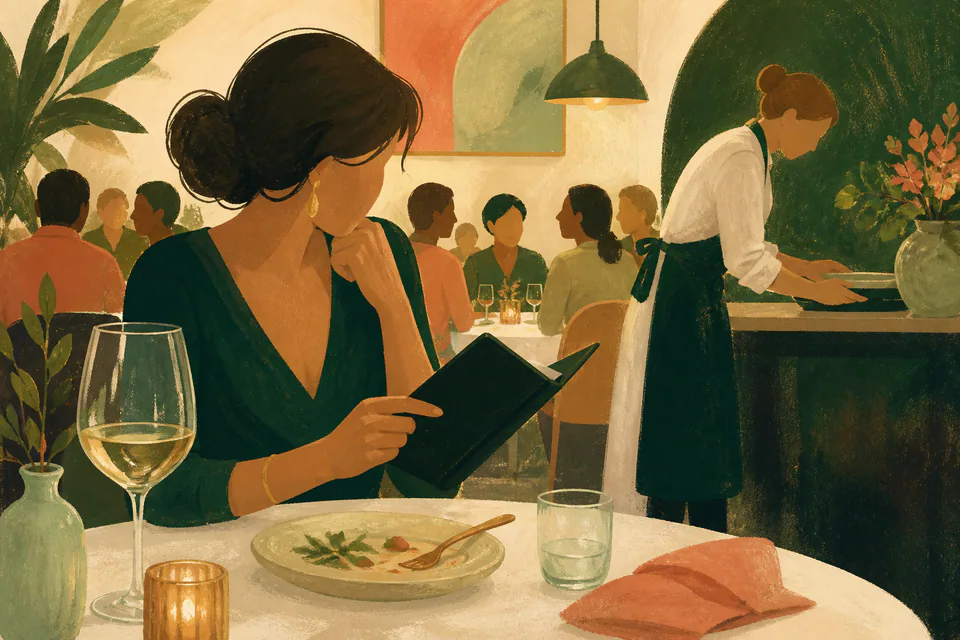
The restaurant forgot your expensive entrée. Do you point it out?
After a crowded dinner, you notice the restaurant omitted your most expensive entrée from the bill. Service was slow, the server seemed overwhelmed, and correcting it may create trouble for the person who made the mistake.
Does protecting someone from consequences ever justify benefiting from their error?