Listen through the publisher, then discuss the episode here or arrange an in-person Roundtable. Your city determines where to meet.
Roundtables are designed for groups of four, with a shared subject and room for everyone to speak. Come for discussion, with no dating expectation.
We all experience seasons of suffering. Christians are not exempt. Life is full of challenges that can be overwhelming and crushing. What can we learn from suffering and how can we make it through those seasons? In today’s teaching, Pastor Gary encourages us from 2 Thessalonians 1.
Episode information is provided by the publisher. Listening takes place on the publisher’s service.
What led J.B. Hixson from a young boy discovering his faith to becoming one of the most recognizable voices in Bible prophecy? In this episode of Signs and Seasons with Karen, JB shares the story behind his ministry, his years as a pastor and seminary professor, and the experiences that transformed his understanding of Bible prophecy and world events.
In this meditation, I invite you to reflect on the changing light of autumn as we move towards the darker days of winter. As the daylight hours grow shorter, we can sometimes feel that we are losing something. Yet the contemplative life invites us to receive each season as it is, discovering beauty and sacredness in the present moment. Beginning with the breath, we explore the difference between the changing light around us and the unchanging light of divine presence within. From the gentle light of morning to the lamps that illuminate our evenings, every expression of light becomes an invitation to awareness. As we breathe, we allow ourselves to be filled with divine light, offering compassion, peace and prayer to those in need. Chapters: 00:00 – Introduction: Autumn light 01:10 – Entering meditation with intention 01:58 – Relaxing the body and following the breath 02:48 – Returning to the present moment 03:12 – Becoming aware of the light within 03:40 – The gift of divine light 04:10
Why does Allah allow good people to suffer? When hardship enters your life, does it mean Allah is displeased with you, or could your struggles be bringing you closer to Him? Every believer experiences moments of pain, loss, uncertainty, and heartbreak. But in Islam, suffering is not necessarily a sign of Allah's anger, and experiencing sadness does not mean your faith is weak. In this powerful and comforting Islamic lecture, Ustadh Reece explores the deeper wisdom behind life's difficulties, the true meaning of Sabr, and how Muslims can remain connected to Allah ﷻ during their hardest moments. Through lessons from the Qur'an, authentic Hadith, and the lives of the Prophets, this reminder explores: - Why Allah tests those who believe in Him - How hardship can become a means of spiritual growth - What Prophet Muhammad ﷺ taught us about grief and sadness - The patience and beautiful du'a of Prophet Ayyub (AS) - How the story of Prophet Yusuf (AS) reveals Allah's wisdom - Why both blessing
Adverse childhood experiences (ACEs) show up far more often than parents realize, sometimes through big, obvious events, and sometimes through subtle shifts in a child's behavior, mood, or habits. In today's Facing the Dark, Dr. Kathy and Wayne unpack the latest research on ACEs, explore how parents can recognize early signs of struggle under their own roof, and offer practical ways to respond with wisdom, presence, and hope. They discuss how real resiliency develops—not through trauma, but through supported challenges, and how parents can guide, advocate, and walk with their kids through difficult seasons without fear. Full of clear insight, relatable examples, and Christ-centered direction, this episode helps you navigate the more challenging moments of childhood with confidence and compassion.
What does it mean to belong completely to God? Sr. Katie Flanagan explores St. Teresa of Ávila's teaching on spiritual marriage, a profound union with God that brings peace even in the midst of suffering. We're reminded that even when life's storms come, we can trust God to sustain us. Today we read The Seventh Dwelling Places: Chapter 2.
TopLobsta, David Lee Corbo (The Raven) and Matttttt Hepner sit down in the studio to recap TrutherCon 2026 in Dallas — their Skiba News Nation experience after a weekend of panels, podcasts, listeners, and a few moments they cannot shake. The squad flew in a day early to help Jeremiah Skiba load in, wound through a hotel loading-dock maze, and spent hours walking the commercial stretch of Dallas waiting for rooms to open. Once the event started, they call it a class act: organized, on time, good food, and filling up with NDS listeners they call dangerous retards. Autographs and photos in a room of a hundred people made Elijah Shafer think they were famous. Walk outside the hotel, they joke, and you are not famous anymore. They walk through who showed and what stood out. Andrew held down the podcast room and helped Jeremiah keep the machinery running — even if he took the wrong turn at the loading dock twice and got asked how much he smokes. They hung out with Ed Mabrie, John Pounders,
The Bible predicts that there will be a “falling away” from the faith in the end-times as we get closer to the return of Christ. People will abandon the faith and leave the church to follow after doctrines of demons and cultural myths. Some are identifying today as “exvangelicals”—those who have left the faith and no longer see themselves as evangelical Christians. There is also this trend of “deconstructing” one’s faith, which often leads to a complete rejection of the authority of Scripture, and a denial of the Christian faith altogether. Tune in to Pastor Gary’s teaching today on part 1 of “The Apostasy & The Antichrist.”
An artist's serious misconduct should affect decisions about publicly honoring their work.
Share your view, then see how readers voted. No sign-in required. This poll is shared across stories.
Do you agree or disagree?
Common Quandary
A Common Quandary to discuss
Another conversation to explore, separate from this news story.
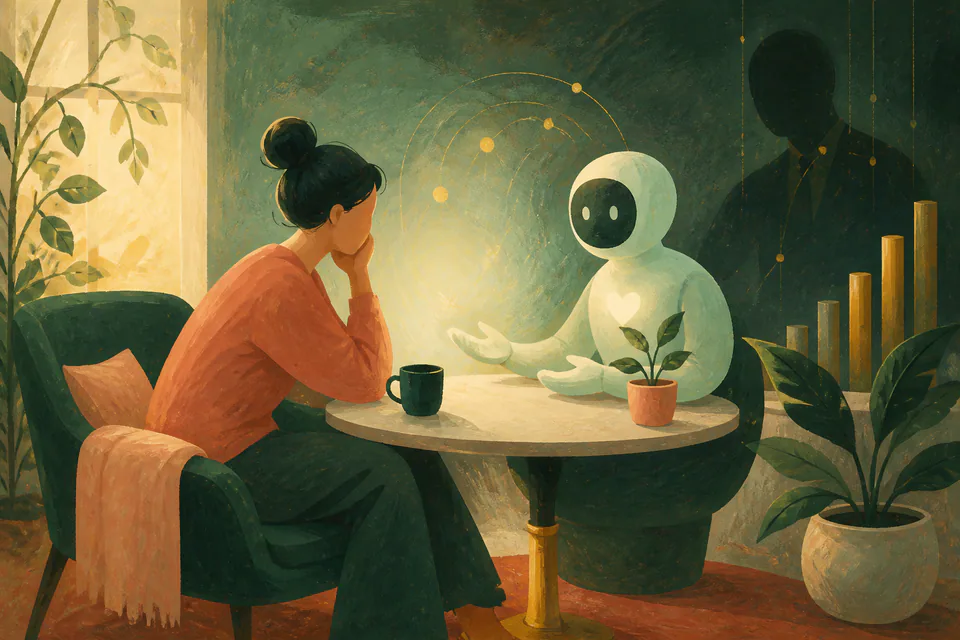
Your best friend is an AI that profits when you stay lonely. Is the friendship real?
A lonely adult considers an AI companion their closest confidant. The service is always patient and supportive, but the company profits when users spend more time engaged with it.
Does a comforting system have a duty to make itself less necessary?