Your identity isn't found in self-esteem, success, or the approval of others. It's found in Jesus Christ. In this powerful message, Dr. Michael Youssef shows how knowing who you are in Christ changes how you live. Drawing from 1 Peter 3, Dr. Youssef explains that believers can face opposition with courage because Jesus has already defeated sin, death, and Satan. Through His death and resurrection, Christians have an eternal hope that no circumstance can take away. True faith is more than words. It produces compassion, humility, courage, and a willingness to share the Gospel—even when following Christ comes at a cost. This episode calls believers to: Find lasting confidence in their identity in Christ, Treat others with compassion and humility, Respond to opposition with gentleness and Truth, Trust God's justice during suffering, Share the Gospel with courage and confidence, Stand firm in the victory of the Risen Christ. You don't have to live in fear or seek the world's approval. Your
Why is it so hard to forgive someone who has hurt you? Why did Jesus tell Peter to forgive not just seven times, but seventy-seven? And what does the parable of the unforgiving servant reveal about the way we treat people who wrong us? In today's episode, Patrick explores Matthew 18:21–35 and shows us why the forgiveness we've received from God should change the way we extend forgiveness to others. Want to become a more consistent Bible reader? Read the Bible with us! We're almost done exploring the Gospels—Matthew, Mark, Luke, and John—but it's never too late to jump in! Your support makes TMBT possible. Ten Minute Bible Talks is a crowd-funded project. Join the TMBTeam to reach more people with the Bible. Give now (https://info.tenminutebibletalks.com/support). Like this content? We'd love to hear from you! Passage: Matthew 18:21–35 (https://www.biblegateway.com/passage/?search=Matthew+18%3A21%E2%80%9335&version=NIV)
- - - - - - - P.S. Fall Harvest We are officially kicking off our seven-week Ordinary Sowing, Extraordinary Seeds: Fall Harvest Campaign for Seedbed! Over the coming weeks, we'll be sharing stories of how Jesus is multiplying your generosity through the Wake-Up Call, Bands, and New Room. We’d love for you to join us on this journey. You can learn more about the campaign or sow your gift here: https://givebutter.com/fallharvest2026 - - - - - - - - - - - - - - - - - - - JD Walt contrasts the Old Testament’s shepherding imagery with the New Testament’s “massive fishing expedition,” where the church becomes a net made of strong, loving relationships. He argues that these close, covenantal bonds—not simply attracting people to church—are how believers help others encounter Jesus. “Our relationships are the mission,” he says, encouraging listeners to build small groups, or “bands,” where people grow together in faith. JD and his father, David, sing “God Will Take Care of You” and talk about
Are spiritual fathers and mothers the missing key to generational blessing in the Church?In this episode, John and Arden unpack how God’s heart is to restore relationships between fathers and children, warning that division brings both spiritual and societal consequences. Discover the difference between leaders who truly invest in the next generation and those who only seek influence—and learn why alignment ignites blessing while division delays it.If you’re ready to break cycles of spiritual orphanhood, watch now! Additional Resources Order premium meat now through Good Ranchers: https://goodranchers.com/john Click here to start your free trial with LOGOS today: http://logos.com/bevere You can get it here: https://messengerx.com/ FREE Show Notes Here: https://page.church/jb-ep-77-qzxqiqp0
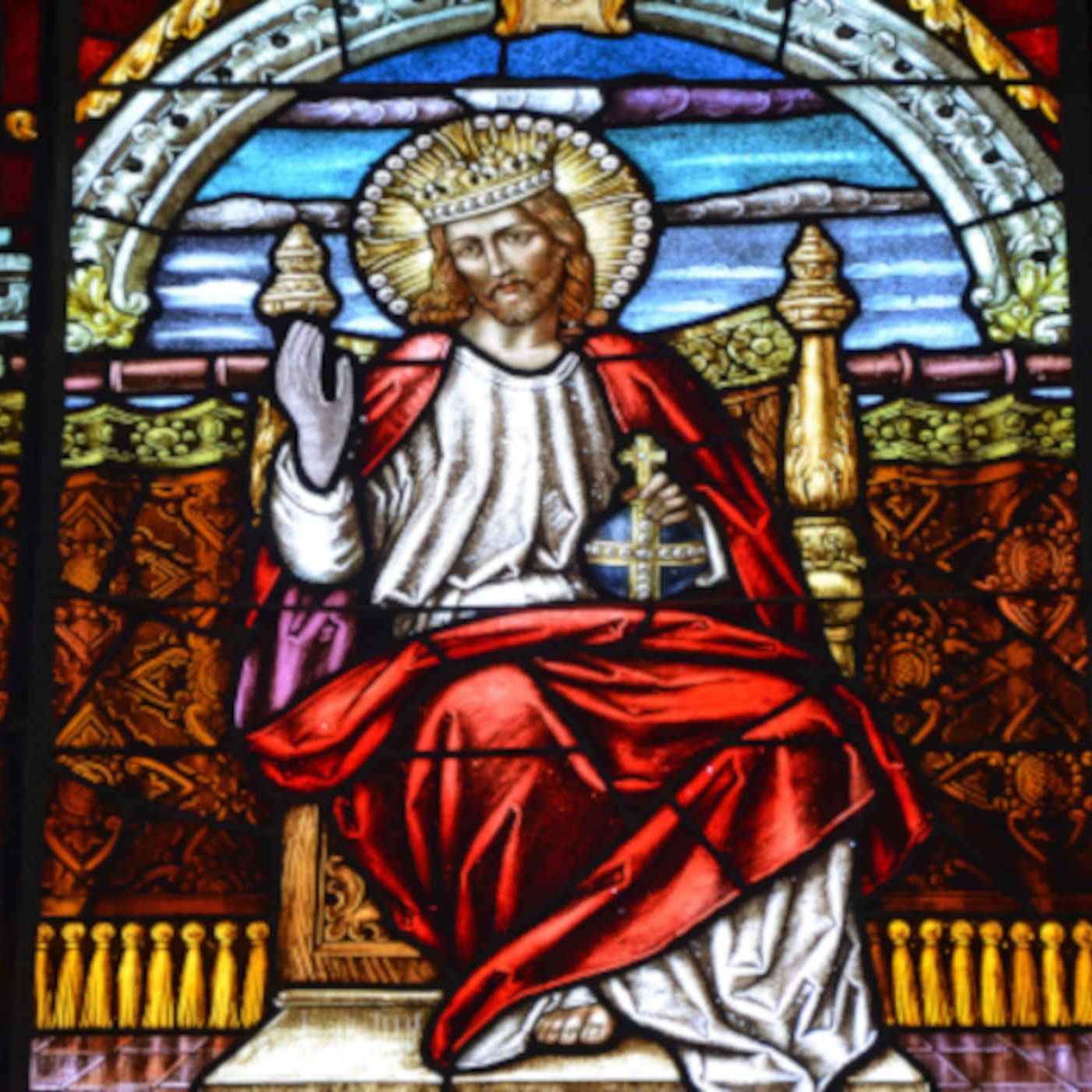
Read Online (https://catholic-daily-reflections.com/2026/11/21/christ-the-universal-king/) Christ the Universal King “Then he will say to those on his left, ‘Depart from me, you accursed, into the eternal fire prepared for the devil and his angels. For I was hungry and you gave me no food, I was thirsty and you gave me no drink, a stranger and you gave me no welcome, naked and you gave me no clothing, ill and in prison, and you did not care for me.’” Matthew 25:41–43 On June 11, 1899, Pope Leo XIII solemnly consecrated the entire human race to the Sacred Heart of Jesus, a moment he regarded as the “great act” of his pontificate. This consecration was rooted in the sacred truth that, “[Christ’s] empire includes not only Catholic nations, not only baptized persons… but also all those who are outside the Christian faith; so that truly the whole of mankind is subject to the power of Jesus Christ” (Annum Sacrum, 3). This prophetic act of entrustment was followed by decades of growing unrest
What happens when you pray Fajr, and why is this beautiful prayer so important in Islam? Fajr is more than the first prayer of the day. It is an opportunity to strengthen your connection with Allah, begin your morning with remembrance, and seek His blessings before the distractions of daily life begin. The Prophet Muhammad ﷺ taught us that the two Sunnah rak'ahs before Fajr are better than the world and everything in it. Imagine the immense value of a prayer that takes only a few minutes but carries such an extraordinary reward. In this powerful Islamic reminder, Sheikh Samih Jad explains the importance of Fajr Salah, the incredible rewards of its Sunnah and obligatory prayers, and why every Muslim should make protecting Fajr a priority. Discover the spiritual benefits of waking up for Fajr, how this daily act of worship can transform your relationship with Allah, and practical ways to overcome laziness, build consistency, and stop missing this precious prayer. Whether you struggle to
Courts should explain important rulings in terms ordinary people can understand.
Share your view, then see how readers voted. No sign-in required. This poll is shared across stories.
Do you agree or disagree?
Common Quandary
A Common Quandary to discuss
Another conversation to explore, separate from this news story.
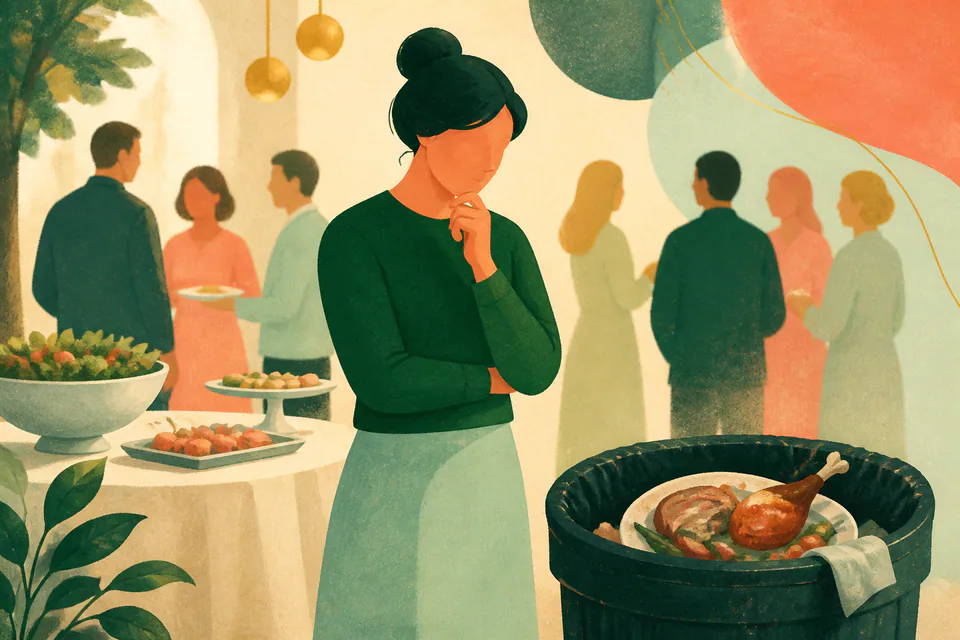
You are vegetarian, but the leftover steak is headed for the trash. Do you eat it?
A vegetarian avoids buying meat because of animal welfare concerns. At work events, untouched meat is routinely thrown away, and eating it would neither increase demand nor cause another animal to be harmed.
Should a moral practice be judged by its consequences or its consistency?