SEN Mornings with Adam White - Monday Full Show (09.11.26)
113 min
Listen through the publisher, then discuss the episode here or arrange an in-person Roundtable. Your city determines where to meet.
Roundtables are designed for groups of four, with a shared subject and room for everyone to speak. Come for discussion, with no dating expectation.
Adam White hosted Whateley for Monday morning, speaking to Australian Tennis gun Rinky Hijikata after his victory over Novak Djokovic last week, former Carlton star Marc Murphy about his ownership in Birdman after its group one win at Flemington, professional all-abilities golfer Lachlan Wood who shared his nremarkable story, the wisdom and experience of Robert Craddock and former NFL punter Arryn Siposs, plus more.
Episode information is provided by the publisher. Listening takes place on the publisher’s service.
MAHI MONDAY The day has come, where words have come back to haunt that who spoke them, where the tables have turned… JORDAN reacts to the news of Robert Pattinson being casted as the NEW James Bond!… What words can be used to describe the ENERGY that was experienced last week as we became one of the first in the world to play GTA VI… A huge shoutout to Reel Factory, Chorus, Creative Technology, Foot Locker, Chemist Warehouse, Twitch and MOST importantly… YOU, join joining us throughout the 12hours of mayhem… We have an exciting announcement coming soon, so stay tuned!… POWERED BY THE PEOPLES MEDIA CO. www.chemistwarehouse.co.nz/ (https://www.chemistwarehouse.co.nz/) 00:00 - INTRO 01:38 - CHECK IN (GTA VI STREAM REVIEW) 14:01 - DAILY BREAD 22:35 - REACTION TO ROBERT PATTINSON NEWS, ALL BLACKS VS WALES + MATUA'S BUNGEE JUMP STORY 48:11 - OUTRO
OVERVIEW Monday's fantasy basketball slate features 10 games to start Thanksgiving week, with a particular focus on injury news, streaming options, and changing player roles due to absences around the league. I break down key injury situations, highlight players gaining value—especially in shallower leagues—and address the volatility and risks around trending waiver adds. Listeners get specific advice for both category and points formats, plus practical streaming and schedule strategies. KEY TAKEAWAYS Mikal Brown Jr. is a streaming candidate with Nolan Traore out, and there's a chance he could start, but his minutes remain volatile. Saddiq Bey's fantasy value is questionable, especially with Zion Williamson and Trey Murphy expected back—don't bank on consistent production. Injury updates are critical: Grayson Allen, Grant Williams, and Norman Powell are sidelined, while Collin Murray-Boyles, Jaylon Tyson, and Jaylen Brown are likely returning; always double-check status before making a
Maggie Zampella began losing her vision as an adult, forcing her to surrender her car keys, leave teaching and reconsider what independence meant. She joins Chase Parham to discuss the fear, depression and social isolation that followed—and how therapy, adaptive skills, a white cane and guide dog Frankie helped her rebuild her confidence. Maggie explains what she can see, how a guide dog works, how she experiences Ole Miss sporting events and what sighted people should know when offering help. Her story is not about pretending vision loss is easy. It is about learning that asking for assistance does not make someone a burden—and that it is okay to be okay again. Hosted by Simplecast, an AdsWizz company. See https://pcm.adswizz.com for information about our collection and use of personal data for advertising.
You bought the rookie card. The wrestler got called up. What happens next? Adam and Ryan examine WWE prospecting through the NXT call-up classes since 2022. They discuss what keeps collectors interested after a debut, why some wrestlers need years to connect, and what they see in names like Ethan Page and Oba Femi. They also break down the Topps Royalty previews, debate another John Cena WrestleMania patch autograph, and discuss sales of Scott Hall, Seth Rollins, and Dennis Rodman cards. With Royal Rumble approaching and more releases ahead, where do you want your collecting dollars to go? Check out RbiCru7 (https://rbicru7.com/) for all your wrestling and sports card needs! Join Adam's Main Event Wrestling Cards (https://www.patreon.com/cw/MainEventWrestlingCards) group for free Follow Ryan: | Instagram (https://www.instagram.com/rbicru7/) | Website (https://rbicru7.com/) | YouTube (https://www.youtube.com/user/rbicru7) Follow Adam: | X (https://x.com/SCUncensored) | Instagram (https:
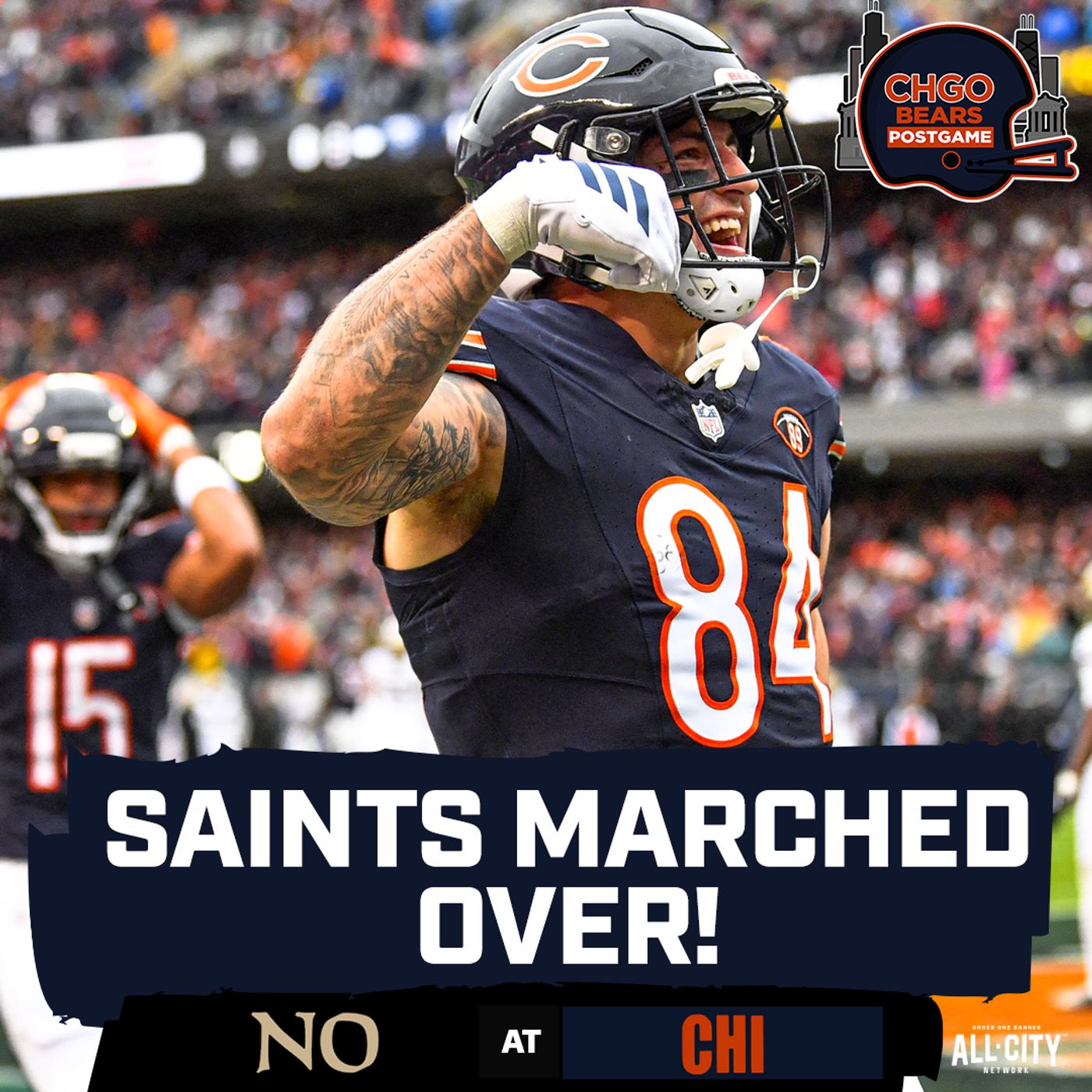
The Chicago Bears never trailed in a wire-to-wire victory over the New Orleans Saints in NFL Week 11. The Bears jumped out to a 16-0 advantage after TDs from D’Andre Swift and Colston Loveland. Alvin Kamara cut into that lead with a TD of his own and the Bears led 16-10 at the break. The Bears defense took care of business as Dillon Thieneman recorded his second career interception while Jeffery Simmons picked up three sacks and Montez Sweat picked up a crucial safety on a sack of Tyler Shough. The Bears went on to win 21-13. Join Adam Hoge, Mark Carman and Greg Braggs Jr. with appearance from former Bears Lance Briggs, Corey Wootton and Jerry Azumah and Adam Jahns reporting live from Soldier Field. Hosted by Simplecast, an AdsWizz company. See https://pcm.adswizz.com advertising.
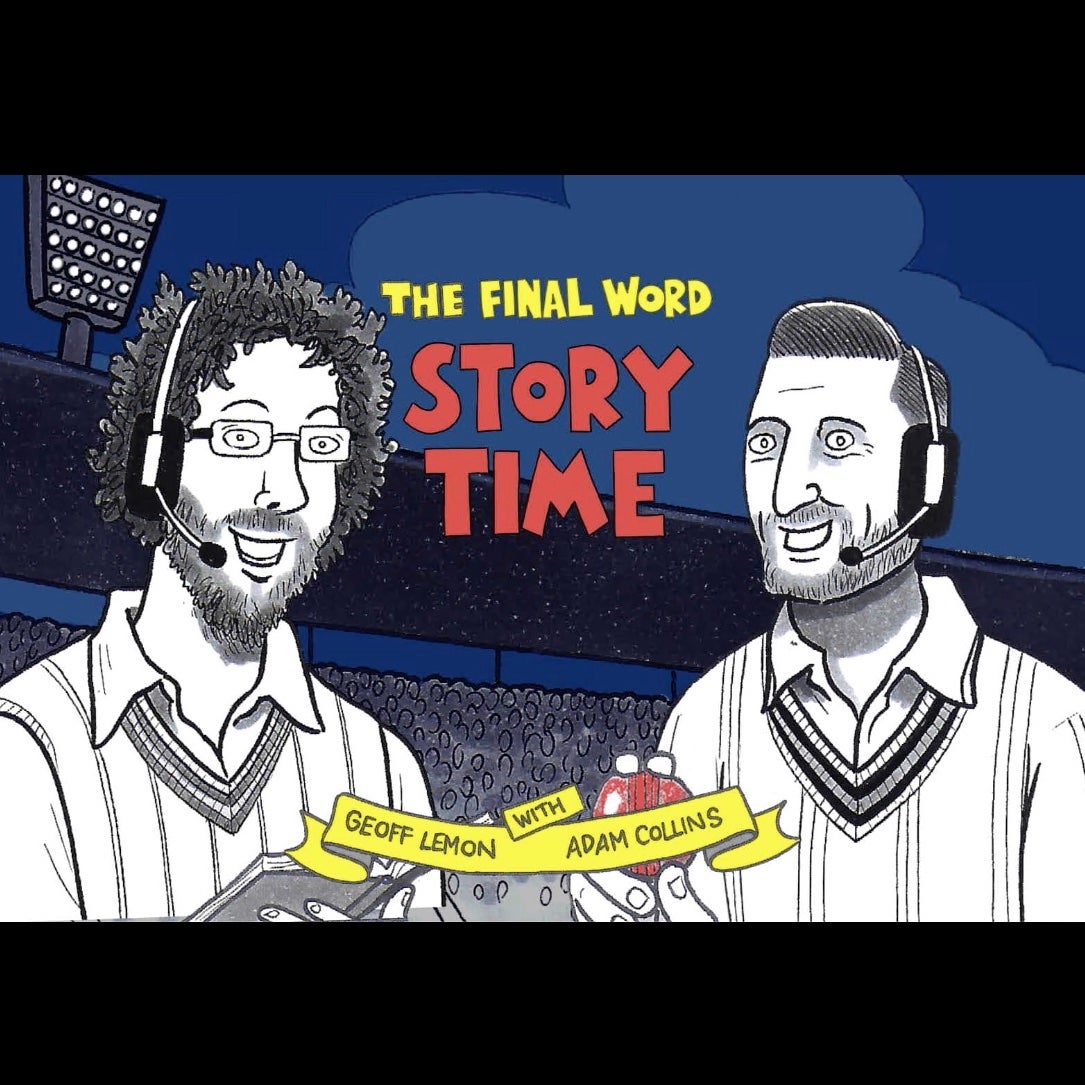
It’s Story Time, our weekly walk through cricket history. This week, we're used to coincidences looping through our stories, but our opening story this week may set a new record. Let's go back to the 1890s, via another brief visit to Arthur Conan Doyle, to assess the quality of soil in Rotterdam. Also this week, Adam has never seen Shrek, and who loved hitting sixes while batting slowly? Your Nerd Pledge numbers for this week: 1.50 - History of the Netherlands 2.94 - Chris Wright 4.71 - Peter Ryan Could you support the show? Stop snoring this Black Friday with Zeus Sleeps. The Final Word Hazy Pale Ale from Stomping Ground is back! Browse their entire range stompingground.beer (https://www.stompingground.beer/)
Join Adam White as he guides you through the Thursday edition of SEN Mornings! He is joined by a wide range of guests covering off on all the pressing news, topics and headlines! Gerard Whateley - SEN Cricket commentator Ben Tippett - the manager of Cam Bancroft James Pitcher - from Odyssey Sports to preview the draft Mark Bosnich - SEN Football expert Ben Graham - SEN NFL expert
Former NFL punter and current SEN NFL expert Ben Graham joins Adam White to previews Week 11 of the NFL, and look back at the stories of the last week including Aidan Hutchinson, Kirk Cousins and all of the big winners.
SEN Football expert and former Manchester United and Socceroos goalkeeper Mark Bosnich joins Adam White to dicuss the Socceroos recent friendly results, the future of Tony Popovic, England's key victory over Spain, Manchester United, and Juan Mata.
Access to effective legal representation should not depend mainly on personal wealth.
Share your view, then see how readers voted. No sign-in required. This poll is shared across stories.
Do you agree or disagree?
Common Quandary
A Common Quandary to discuss
Another conversation to explore, separate from this news story.
You inherit a fortune made in ways you despise. Can you keep it?
You inherit a substantial sum from a relative who accumulated it through practices you consider exploitative. Keeping it would improve your family's security; donating it could support people harmed by similar practices.
Can ownership be morally clean when its history is not?