Should the record-low net migration figures numbers delight or worry us?
139 min
Listen through the publisher, then discuss the episode here or arrange an in-person Roundtable. Your city determines where to meet.
Roundtables are designed for groups of four, with a shared subject and room for everyone to speak. Come for discussion, with no dating expectation.
Should the record-low net migration figures numbers delight or worry us? Joining Iain Dale on Cross Question are LabourList Editor Emma Burnell, Former Conservative Transport Minister Steve Norris, plus Political Commentators Albie Amankona and Theresa Bischof.
Episode information is provided by the publisher. Listening takes place on the publisher’s service.
On Thursday’s episode ofhttps://www.telegraph.co.uk/podcasts/the-daily-t-podcast/The Daily T (https://www.telegraph.co.uk/podcasts/the-daily-t-podcast/), Camilla Tominey and Tim Stanley unpack the latest UK net migration numbers, which have hit 77,000 – the lowest figure since 1997, apart from the Covid pandemic. Camilla and Tim are joined by Sam Ashworth-Hayes to look at what is actually driving the numbers down. Rather than a crackdown on illegal immigration, the drop is largely fuelled by 661,000 people leaving the UK, including a 67 per cent surge in working-age British nationals heading overseas, taking vital skills and tax revenue with them.Elsewhere, Camilla and Tim also react to the trailer for ahttps://www.telegraph.co.uk/news/2026/11/26/huw-edwards-channel-4-documentary/documentary about Huw Edwards, the disgraced BBC News presenter (https://www.telegraph.co.uk/news/2026/11/26/huw-edwards-channel-4-documentary/), in which he claims he committed child sex offences because he “
Net migration has fallen to 77,000, the lowest since 1997. After years of political debate about reducing the numbers, James asks whether the news will change the conversation around immigration, or the way migrants are treated. Callers share their views on what the fall could mean for Britain and its economy. Then, as it's reported that the government will forcer drivers over the age of 70 to take regular eye tests, how do you tell a parent it’s time to stop driving? James hears from callers who have faced that difficult decision, including families dealing with dementia and declining eyesight. They discuss the worry of keeping a loved one and other road users safe, the loss of independence that can come with giving up a car, and the moment a child becomes responsible for the parent who once looked after them. This episode was recorded on the 26th of November. James O’Brien Daily is a Global production, available every weekday on Global Player or wherever you get your podcasts. Make s
Ian Collins discusses the news that this afternoon, the government is set to publish its shiny new treaties with the European Union. Already, the backlash is roaring. Red Wall MPs are reportedly in open revolt over what's being called an EU reset disaster—warning Andy Burnham that his dream of re-joining is, and I quote, "going down like a bucket of spew." Meanwhile, Nigel Farage has launched "Project Hope" to keep Britain out of Brussels' orbit, though he reckons Marine Le Pen will beat Burnham to the punch and block it anyway. Andy Burnham will leave Britain with 'a NEET on every street', it has been claimed after official forecasts suggest a million more people will be signed off work sick under Labour. New figures slipped out by the Government indicate the number of people on sickness benefits will exceed 3million this year before hitting 3.5m by the start of the next decade. The expected figure for 2031-32 is 200,000 higher than the previous prediction made just six months ago by
Samanth Subramanian, London-based journalist, managing editor of Equator and author of The Web Beneath the Waves: The Fragile Cables That Connect Our World, joins former MI6 chief Sir Richard Dearlove and guest co-host Rosanna Lockwood to explain the hidden network that carries 95% of all international data traffic. Undersea fiber optic cables are no thicker than a garden hose, and in the deep ocean they are largely unarmored. Subramanian explains why gray-zone warfare, with military boats posing as fishing boats, makes cable cutting deniable, why there is almost no law to stop it in open water, and why Starlink can't replace the cables. He also covers how Amazon, Google, Meta and Microsoft came to control around half of undersea bandwidth, why the internet is splitting into American and Chinese networks, whether cables can be tapped, and how Taiwan is preparing for China to cut its lines. Sir Richard explains why he believes cable cuts around Europe, including one that took the Shetla
Spend your Thanksgiving with this special "Best Of" edition of The Brian Kilmeade Show, bringing together Brian’s most unforgettable interviews from the past few months. From explosive behind-the-scenes stories of Trump’s second term and urgent AI warnings to raising resilient kids, healing political division, and keeping woke politics out of rock 'n' roll, this episode has everything you need for the holiday. 00:00 - Thanksgiving Special Intro: Axios Founders on Simplifying Your Life 07:45 - How to Say "No" & Eliminate Decision Fatigue 14:15 - AI Doomsday Warning: Is Artificial Intelligence a Threat to Humanity? 27:45 - Midterm Election Outlook: Iran, Gas Prices & The Economy 31:55 - Putting Daily Habits on Autopilot to Win Back Your Time 37:30 - Jonathan Swan: Inside the "Imperial Presidency" of Trump 2.0 44:15 - Liberation Day Tariffs, Scott Bessent & Dealing with China 51:45 - What Happens If Democrats Win the House? Iran, Cuba & Oversight 58:40 - Secret Oval Office Clash: Scott Be
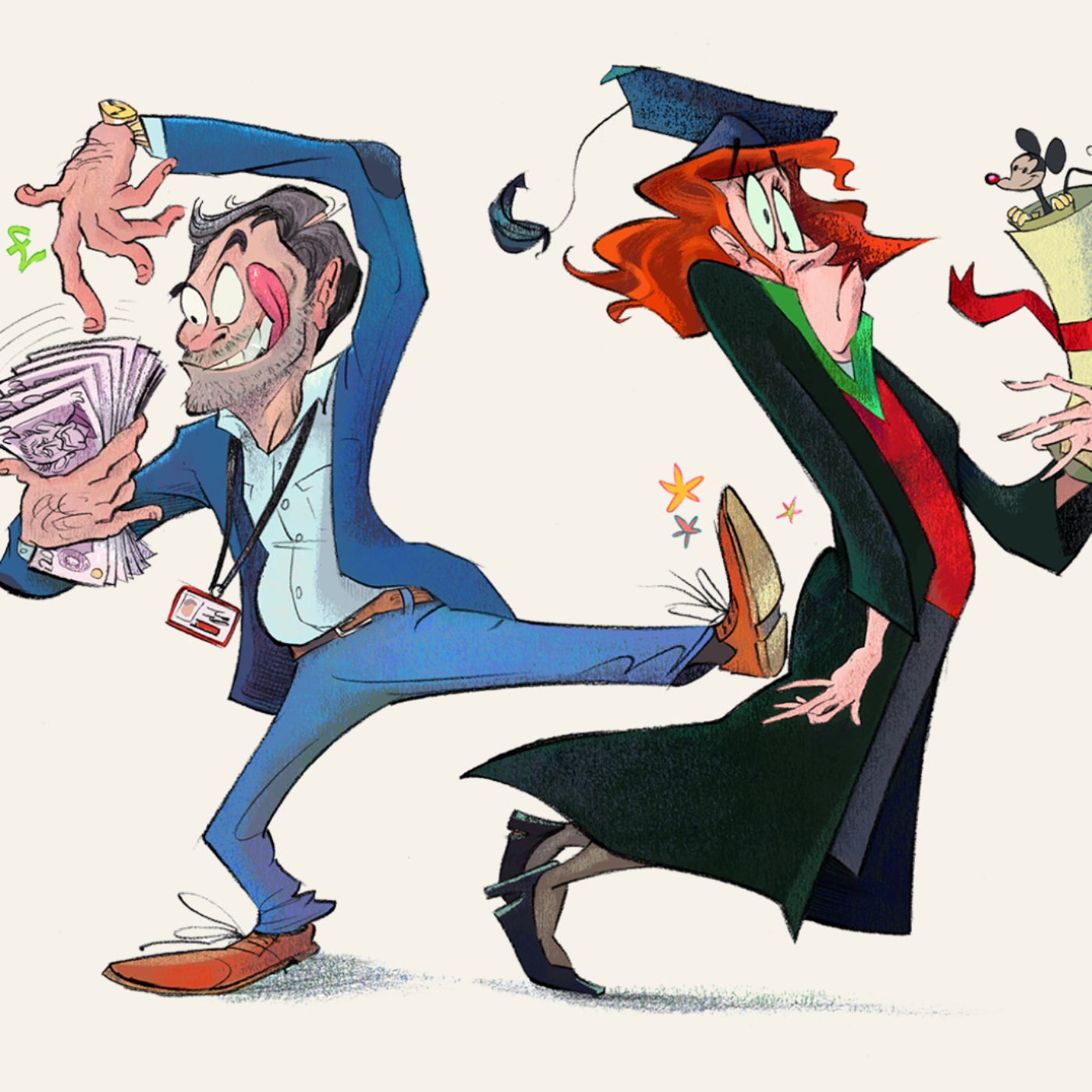
For this week’s Edition, William Moore is joined by the Spectator’s economics editor Michael Simmons, writer-at-large Max Jeffery and the historian Alice Loxton. This week: are Britain’s universities becoming degree factories? William Finlator explains the extraordinary growth of franchised universities – institutions which can make huge profits while offering courses with poor academic outcomes and, in some cases, little of the traditional university experience at all. Michael asks what universities are actually for, while Alice warns that low-quality degrees risk devaluing the reputation of British higher education. Is a bad degree worse than no degree? Also: how did Bangladesh’s violent politics end up on the streets of east London? Max explains how Britain has become a major arena for the country’s political factions, following the fall of Sheikh Hasina, with rival groups clashing on the streets while exiled politicians lobby British MPs. Is Britain equipped to deal with foreign po
Why is drug-driving not being taken seriously by our society? Joining Iain Dale on Cross Question are journalists Rachel Cunliffe from the New Statesman and Jeremy Warner from the Daily Telegraph, Labour MP Brian Leishman, plus the Conservatives' deputy leader in London's City Hall Emma Best.
Are you convinced that the government really does want to reduce welfare spending? Joining Iain Dale on Cross Question are Labour MP and former Starmer government Environment Minister Mary Creagh, Conservative Shadow Energy Security Minister Sir Ashley Fox, POLITICO Europe's Anne McElvoy, plus the former Boris Johnson communications strategist Guto Harri.
After his affairs with two of them, is the return of Nvidia's chief executive fair on the company's employees? How can it possibly be ethical for Trump to be as involved in this issue as he has become? Joining Iain Dale on Cross Question are the Labour Mayor of Greater Manchester Bev Craig, Conservative Shadow Housing Minister Gareth Bacon, the SNP's leader in Westminster Dave Doogan, plus the Daily Telegraph columnist Annabel Denham.
Research participants' welfare should take priority over possible benefits to society.
Share your view, then see how readers voted. No sign-in required. This poll is shared across stories.
Do you agree or disagree?
Common Quandary
A Common Quandary to discuss
Another conversation to explore, separate from this news story.
You spot your friend's partner on a dating app. Do you send the screenshot?
While browsing a dating app, you see the long-term partner of a close friend. The profile looks active, but you have no way to know whether it is current, permitted, fake, or simply forgotten.
When does loyalty require sharing uncertain information?