Stocks Rebound as AI, Fed and Housing Risks Test Markets
44 min
Listen through the publisher, then discuss the episode here or arrange an in-person Roundtable. Your city determines where to meet.
Roundtables are designed for groups of four, with a shared subject and room for everyone to speak. Come for discussion, with no dating expectation.
November 25, 2026; 4pm: Closing Bell: Overtime breaks down a dramatic stock-market rebound from deep morning losses as AI trade worries, Treasury yields, PCE inflation and Fed policy dominate investor debate. Melissa Lee and Mike Santoli also examine housing-market stress, options positioning, holiday retail demand and whether washed-out sentiment points to a potential market floor. Hosted by Simplecast, an AdsWizz company.
Episode information is provided by the publisher. Listening takes place on the publisher’s service.
November 25, 2026; 10am: Squawk on the Street breaks down a sharp tech-led sell-off, Nvidia pressure, sticky inflation data, stronger-than-expected GDP and housing numbers, and the market’s growing concern that AI weakness could spill into the broader economy. Guests weigh in on equity strategy, Nvidia’s leadership saga, Fed policy, AI adoption, IPO weakness, bank stocks and options flows. Hosted by Simplecast, an AdsWizz company.
This episode is sponsored by Fidelity Investments and the all-new Fidelity Trader+ platform. Try Fidelity’s most powerful trading experience yet: Fidelity.com/TraderPlus (https://fidelity.com/TraderPlus) Fidelity Investments and Risk Reversal are not affiliated. Views, opinions, products, services, and strategies discussed are not endorsed or promoted by Fidelity Investments. Fidelity Brokerage Services LLC, Member NYSE, SIPC. Guy Adami and Dan Nathan discuss heightened market volatility ahead of Thanksgiving, focusing on weakness in hyperscalers, semis, and memory stocks like SanDisk and Micron despite a sharp Nvidia rebound. They argue the AI-led boom is unwinding after months of deterioration, citing extreme prior gains, poor recent price action in names like Dell, and IPO declines in Anthropic and SpaceX. The hosts criticize Nvidia CEO Jensen Huang’s judgment and corporate governance issues amid SEC/FBI scrutiny, warn about circular financing and leverage in “NeoCloud” companies su
Listen to What the Hack?, an award-winning, true cybercrime podcast: https://pod.link/1571482669Jason Pizzino, founder of TIA Investing, discusses the 18-year economic cycle, growing risks across stocks, real estate, precious metals and Bitcoin, and how investors can identify market turning points and new buying opportunities.*This video was recorded on November 25, 2026Subscribe to my clips channel: https://www.youtube.com/@DavidLinReportClipsSubscribe to my free newsletter: https://davidlinreport.substack.com/Listen on Spotify: https://open.spotify.com/show/510WZMFaqeh90Xk4jcE34sListen on Apple Podcasts: https://podcasters.spotify.com/pod/show/the-david-lin-reportFOLLOW JASON PIZZINO:X (@jasonpizzino): https://x.com/jasonpizzinoJason Pizzino: https://www.youtube.com/@JasonPizzinoOfficialFOLLOW DAVID LIN:X (@davidlin_TV): https://x.com/davidlin_TVTikTok (@davidlin_TV): https://www.tiktok.com/@davidlin_tvInstagram (@davidlin_TV): https://www.instagram.com/davidlin_tv/For business inqui
We track how a single corporate reversal and a perceived government backstop can reshape risk, pricing, and investor behavior overnight. We also map how Fed messaging, the US dollar, and exchange margin rules collide with gold and silver, then turn it into a simple framework you can apply to your own account. • Nvidia’s $954B one-day move and why it signals a different market regime • the incentive story behind board decisions, concentrated wealth, and “follow the money” thinking • what an AI backstop means and why bailout logic breaks normal price signals • why rescued markets become fragile and harder for ordinary investors to navigate • a practical way to read rule changes instead of reacting to headlines • Fed guidance on inflation and rates, and how it feeds into dollar strength • how the US dollar impacts gold pricing and global demand • why CME margin hikes can force selling in gold and silver futures • Turkey’s gold selling pressure and how multiple headwinds stack up fast • wh
The Australian share market declined as hotter than expected inflation data spooked investors, though afternoon recovery limited losses. The session followed a strong day on NVIDIA sentiment. Key themes included sector volatility, retailer performance ahead of the Christmas season, and upcoming US inflation data tonight. The RBA decision looms next month, with markets watching for guidance on future rate moves. Steve Daghlian and Laura Besarati are Market Analysts at CommSec. Each episode, they break down the day's market movements and explain what the numbers really mean. Instagram (https://www.instagram.com/commsec/) YouTube (https://www.youtube.com/@CommSecTV/featured) TikTok (https://www.tiktok.com/tag/commsec)
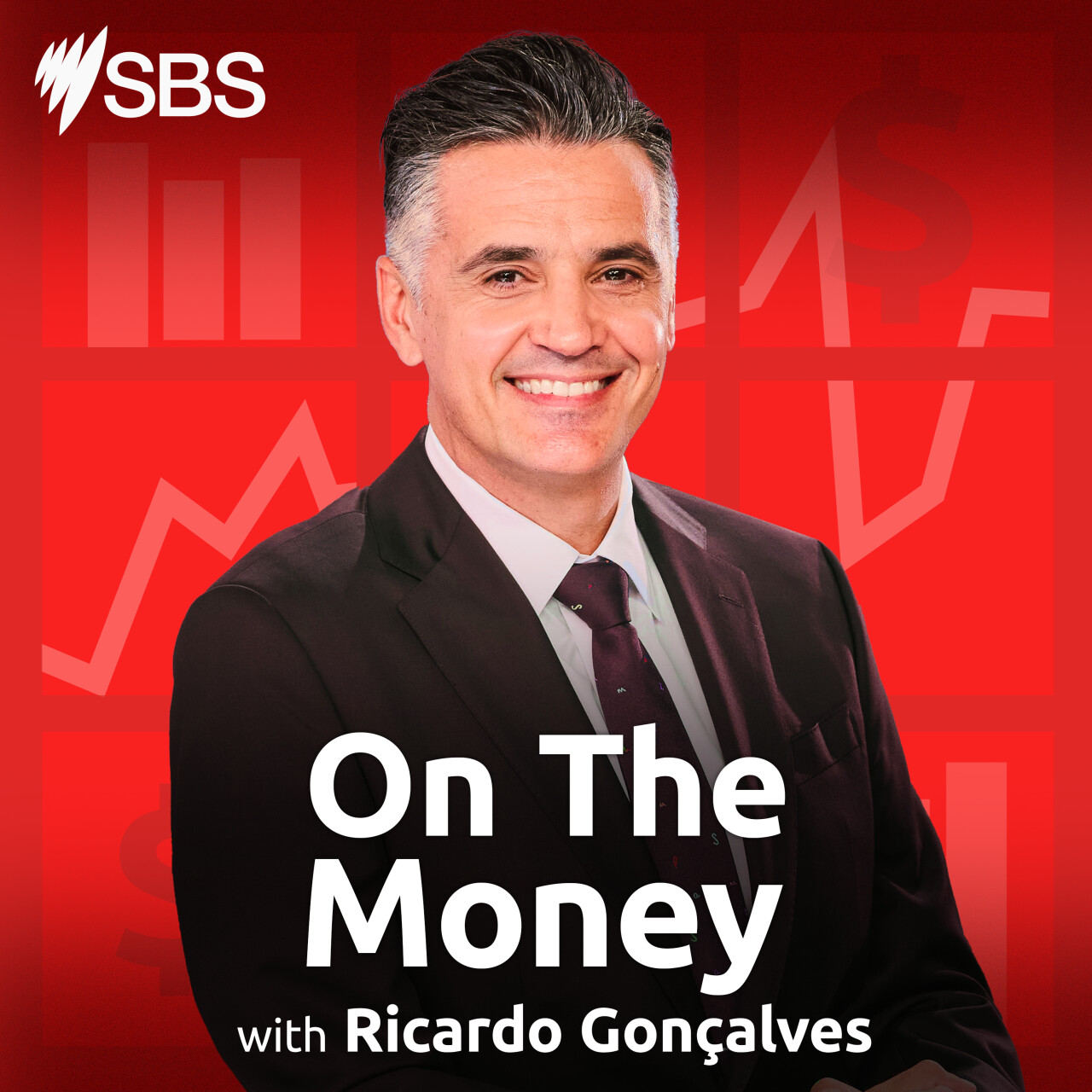
Inflation and unemployment are both at 4.9%, leaving the RBA with a dilemma. Could Australia be heading for stagflation? Australia's inflation rate has surged to 4.9 per cent, driven by soaring electricity, petrol and housing costs, while unemployment has also climbed to 4.9 per cent. Could the economy be heading towards stagflation, and what does this mean for interest rates? SBS Finance Editor Ricardo Gonçalves speaks with Citi Australia's Faraz Syed about the outlook. Plus, Perpetual's Head of Investment Strategy Matt Sherwood explores the Australian dollar's slide to an 11-month low, the latest sharemarket movements and opportunities for investors. In this episode: What's driving Australia's inflation surge, including rising electricity, petrol and new home construction costs. Why inflation and unemployment both sitting at 4.9 per cent present a major challenge for the RBA, and whether another interest rate rise is on the cards. Whether Australia is heading towards stagflation, and
November 24, 2026; 4pm: Melissa Lee and Mike Santoli track tech weakness, Nvidia leadership fallout, the AI trade, retail earnings and the Fed outlook as markets weigh semis against defensive strength. Guests debate whether capitulation has created a buying opportunity, whether holiday demand can hold up, and how housing lock-in is reshaping mobility. Hosted by Simplecast, an AdsWizz company.
November 24, 2026; 3pm: Scott Wapner and the Closing Bell team break down extreme market volatility, NVIDIA’s post-rally pullback after Jensen Wong’s reinstatement, the AI trade’s CapEx and earnings risks, and a defensive rotation into banks, health care, staples and energy. Guests weigh whether the sell-off has washed out positioning or exposed deeper pressure in semis, with additional coverage of Dell earnings, Sanofi-Innsmed, NFL Thanksgiving expansion and market technicals. Hosted by Simplecast, an AdsWizz company.
November 23, 2026; 4pm Closing Bell: Overtime breaks down NVIDIA’s 31% surge after Jensen Huang returned as CEO, the market’s historic rebound, and why unresolved legal, regulatory, financing, and AI-demand questions remain. Melissa Lee and Mike Santoli also examine whether the rally can hold, the housing market freeze, and key earnings and economic reports ahead. Hosted by Simplecast, an AdsWizz company.
A merger should be approved only when there is a credible case that customers will benefit.
Share your view, then see how readers voted. No sign-in required. This poll is shared across stories.
Do you agree or disagree?
Common Quandary
A Common Quandary to discuss
Another conversation to explore, separate from this news story.
A disgraced billionaire's name is on the beloved campus library. Does it come down?
A major donor funded a beloved public building decades ago. New evidence shows they also caused serious harm that was legal and accepted by many peers at the time. Removing the name may jeopardize future donations.
What does an institution owe the truth when its history funded the present?