Listen through the publisher, then discuss the episode here or arrange an in-person Roundtable. Your city determines where to meet.
Roundtables are designed for groups of four, with a shared subject and room for everyone to speak. Come for discussion, with no dating expectation.
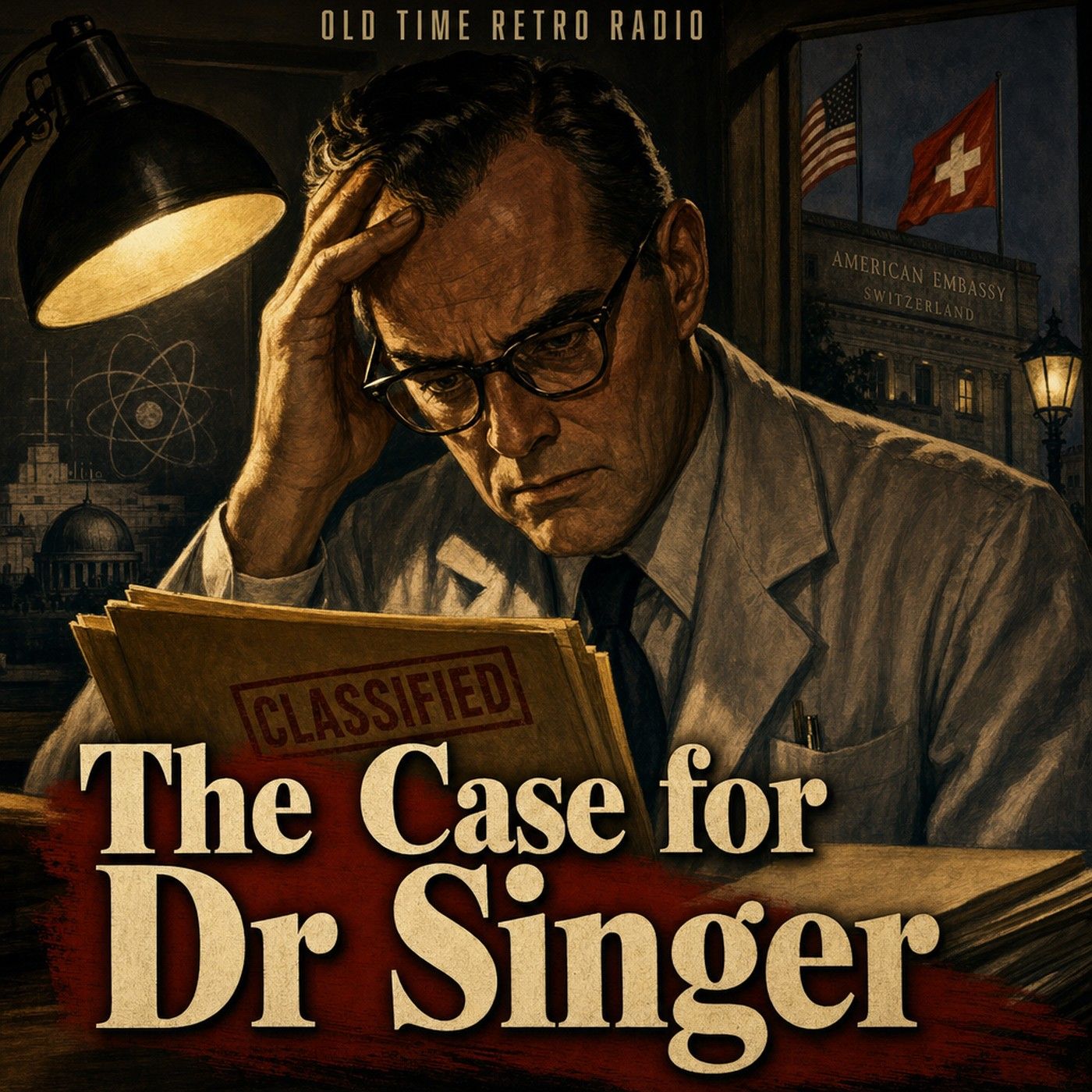
Suspense presents “The Case for Dr Singer,” originally broadcast on CBS on June 28, 1951. This Cold War-era drama, episode 435, stars Joseph Kearns as Dr. Singer and was sponsored by Auto-Lite. After classified information from a secret American thermonuclear-weapons project appears to be reaching the Soviet Union, FBI Special Agent Whiteside and Atomic Energy Commission representative General Busher begin a tense counterintelligence inquiry. With suspicion falling on trusted scientists—including Dr. Singer—the investigation stretches from a Swiss Embassy incident to the guarded world of atomic research. Chapters: 00:00 Victor Sterling Introduction 00:52 Original Broadcast 30:34 Closing
Episode information is provided by the publisher. Listening takes place on the publisher’s service.
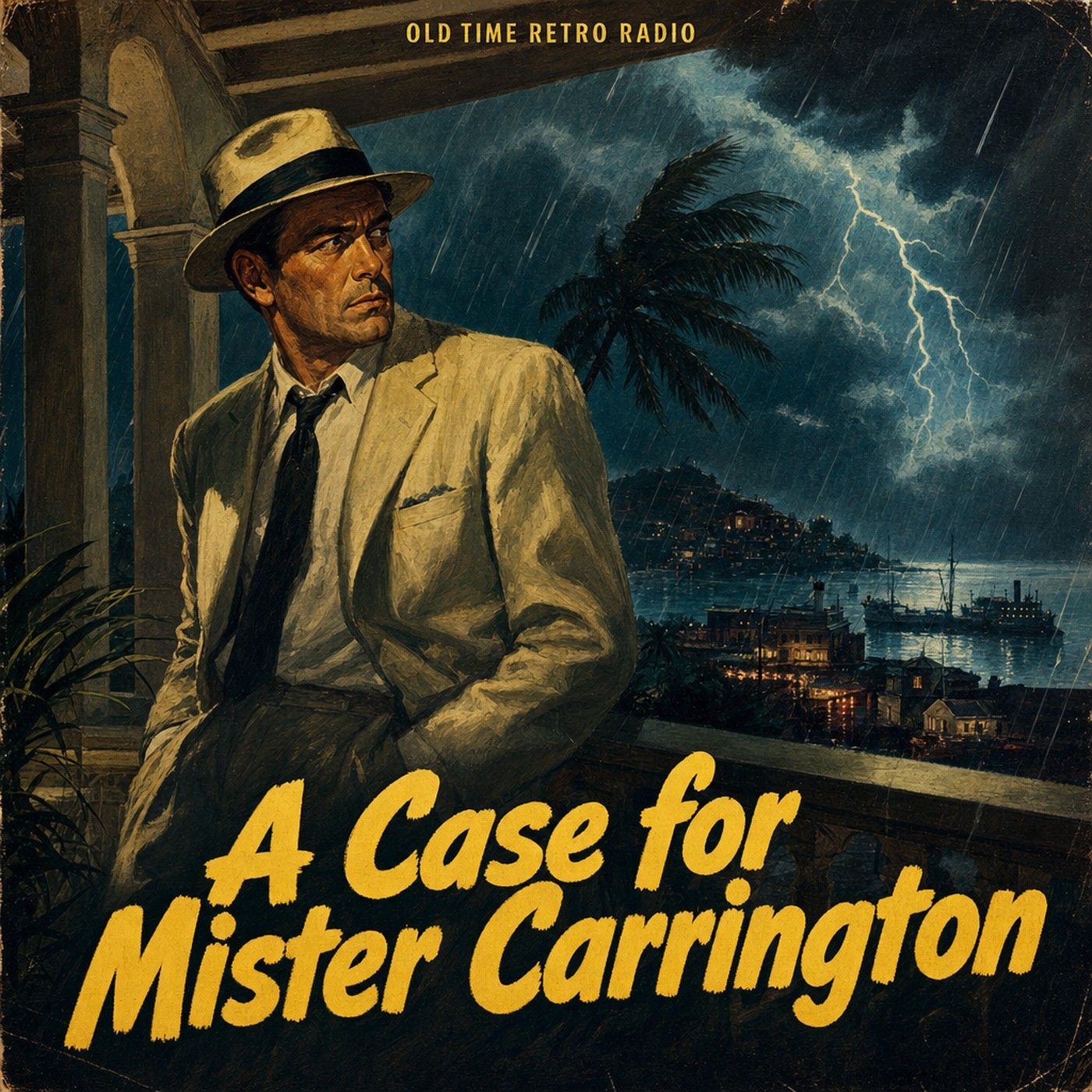
Old Time Retro Radio presents The Whistler, “A Case for Mister Carrington,” originally broadcast October 22, 1947. This is episode 282 of the CBS suspense anthology series, sponsored by Signal Oil Company. Against the gathering storm clouds of Kingston, Jamaica, financially troubled plantation partner Gordon Stone faces mounting pressure over business, romance, and divided loyalties. At the Myrtle Bank Hotel and the Wakefield sugar plantation, Inspector Charles Carrington’s hard-earned views on motive and murder add to the tension. Featured performers include Gerald Mohr and Mary Jane Croft; the script was by Joel Malone and Harold Swanton. Chapters: 00:00 Victor Sterling Introduction 00:51 Original Broadcast 30:22 Closing
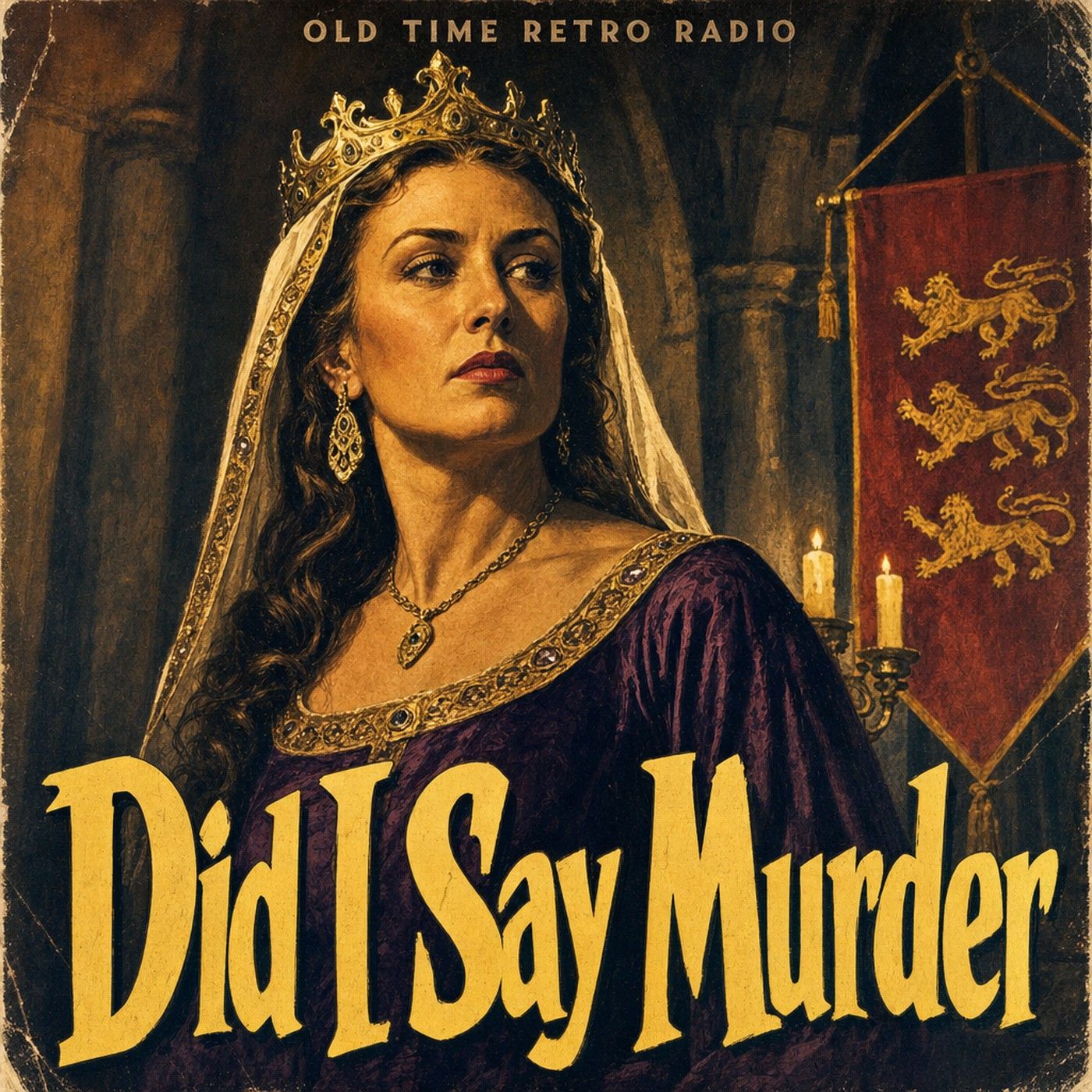
CBS Radio Mystery Theater presents “Did I Say Murder,” originally broadcast March 27, 1981, as episode 1177. Written by Sam Dann and directed by Himan Brown, this historical drama stars Tammy Grimes. Through Eleanor of Aquitaine’s perspective, the story revisits her marriage to Henry II as royal ambition, personal loyalty, and the growing influence of Thomas Becket bring the crown into conflict with the church. Set amid the courts of 12th-century France and England, it is a tense portrait of power and intimacy in an age of kingdoms. CBS Radio Mystery Theater presents this original broadcast with a newly produced contextual introduction, a short closing announcement, and gently cleaned/mastered audio for a more consistent listening experience. Chapters: 00:00 Victor Sterling Introduction 00:55 Original Broadcast 46:33 Closing
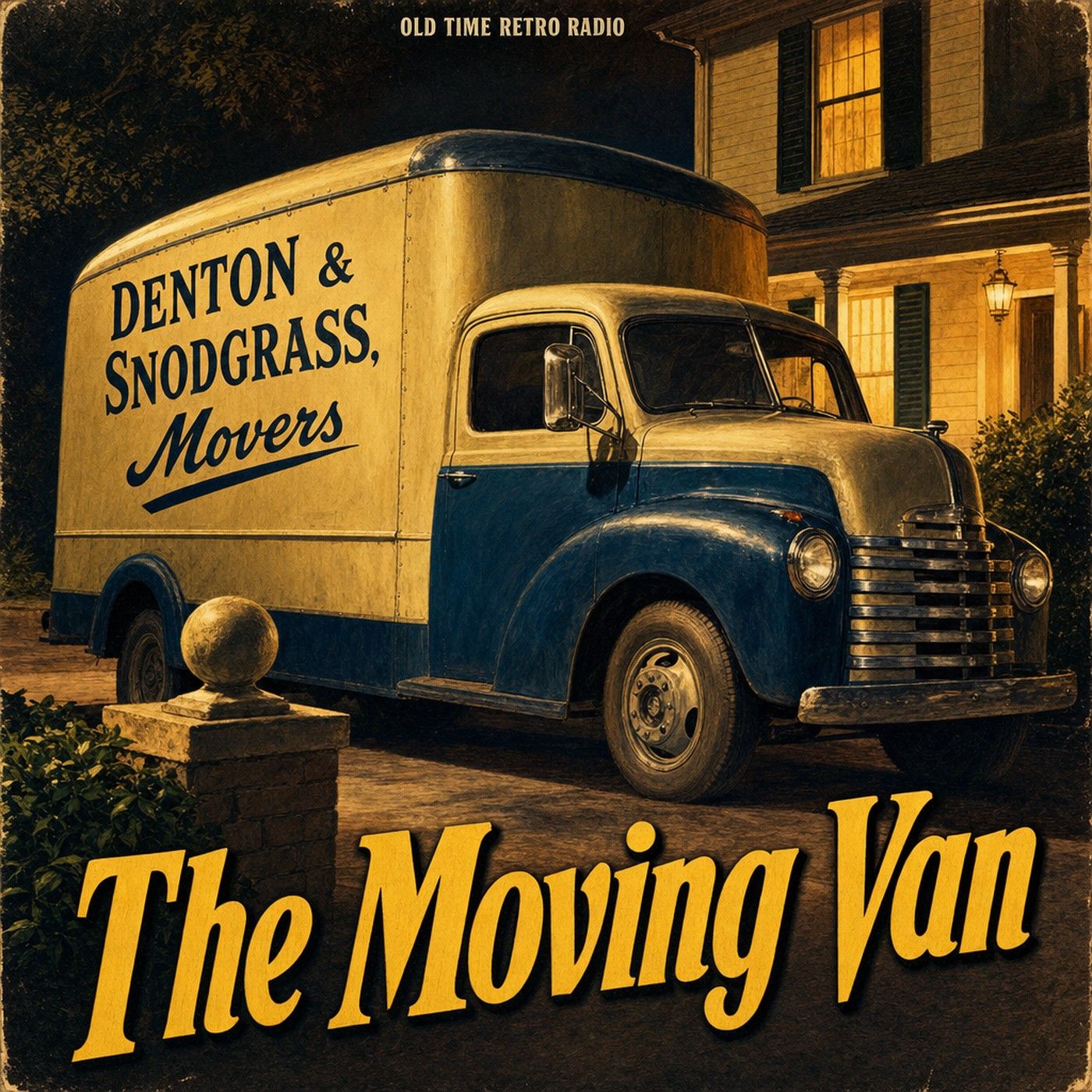
Our Miss Brooks presents “The Moving Van,” episode 223, originally broadcast on CBS on November 15, 1953. Eve Arden stars as Madison High’s ever-resourceful English teacher, Connie Brooks. Walter Denton and Bones Snodgrass launch Denton & Snodgrass, Movers, but their new van soon becomes an unexpectedly useful hotel on wheels. Mrs. Davis, Mr. Conklin, and the Madison High crowd are drawn into the complications in this comedy written and directed by Al Lewis. Chapters: 00:00 Victor Sterling Introduction 00:48 Original Broadcast 26:30 Closing
On the night of October 27, 1962, as the Cuban crisis comes to the edge, a flash goes off high over the Alleghenies that the radar men call a Soviet weapon nobody had heard of, and the Army caretakers of Project Greek Island seal sixty-one congressmen, clerks and staff into the secret bunker beneath the Greenbrier resort at White Sulphur Springs, West Virginia. The blast never touches them. It shakes the bunker loose from its Earth, and from then on, every time a blast door seats on its frame and opens again, it opens onto the next Earth over, never back, while a door left standing open keeps them where they are. By the drill they opened only to take a radiation reading and sealed again whenever the counter crackled, so the first openings, a West Virginia almost like theirs and then the hotel lit and full of diners on a night with no war at all, went by behind a crackling counter, and only after a hillside of black glass and a forest of wire-thin trees under a green sky did the bunker'
Project Azorian, the Glomar Explorer, and the lost Soviet submarine K-129: the full story of how the CIA built a giant ship, disguised it as a Howard Hughes mining venture, and tried to lift a sunken nuclear missile submarine from three miles down while Soviet ships watched. This is a calm, slow-paced sleep story told in a steady voice with no sudden sounds, made for falling asleep, relaxing, or listening quietly in the background.
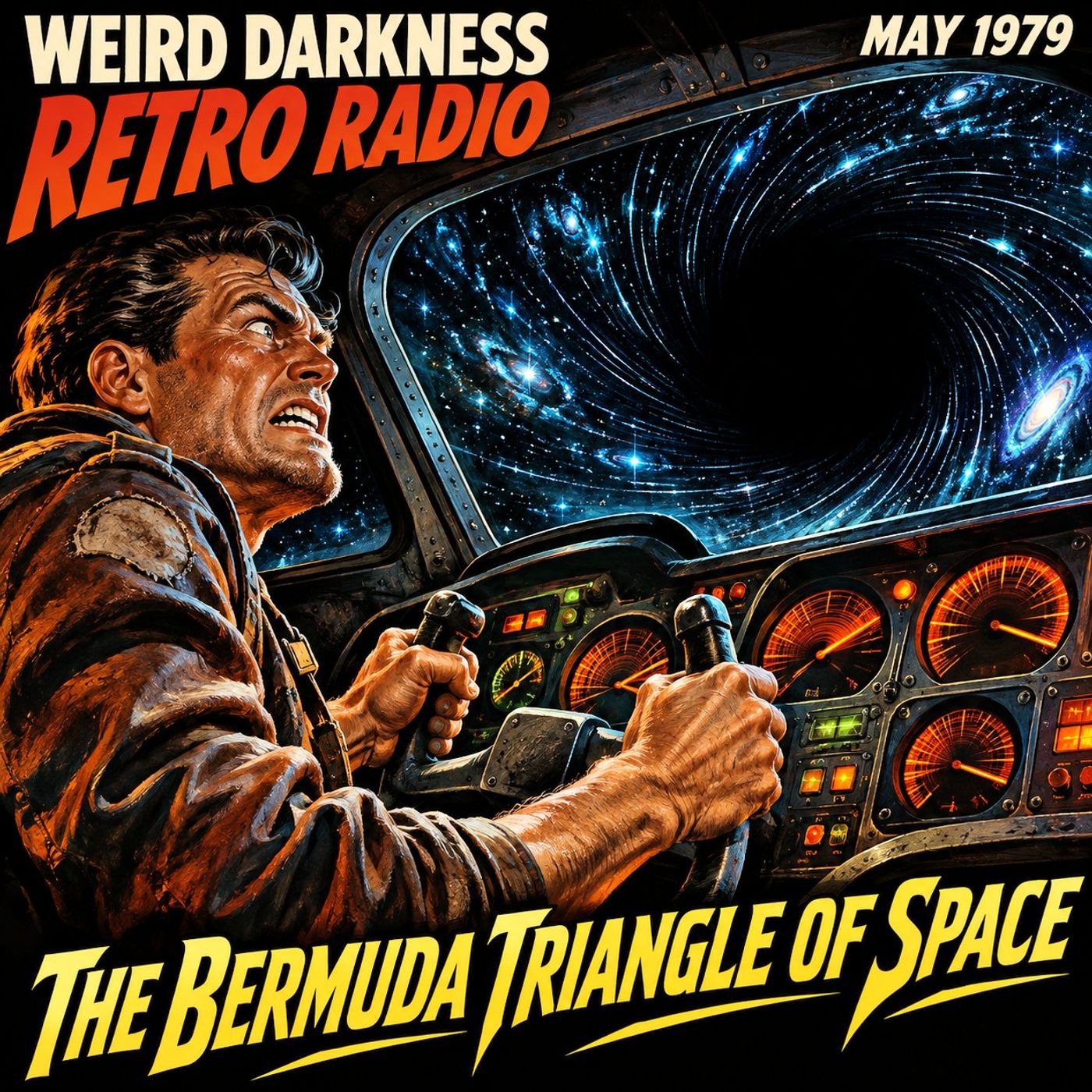
Space smuggler Roger Thorpe swore he'd never fly through the hole in the sky again, a twisted stretch of space where ships go in and never come out, but a fixer offers him half the take on a load of contraband and only six days to deliver it. He goes through, and he comes out over a world whose stars he doesn't recognize. CHAPTERS & TIME STAMPS (All Times Approximate)… 00:00:00.000 = Show Open 00:01:30.028 = CBS Radio Mystery Theater, “The Hole In The Sky” (September 05, 1979) ***WD 00:45:48.973 = Suspense, “A Friend To Alexander” (June 15, 1944) ***WD 01:15:05.742 = Tales of Tomorrow, “The Other Now” (January 22, 1953) 01:45:54.351 = The Saint, “Music Murder” (June 18, 1950) ***WD 02:15:14.241 = Theater 10:30, “The Pedestrian” (1968-1971) ***WD 02:41:57.759 = 2000 Plus, “Worlds Apart” (November 29, 1950) ***WD 03:11:40.165 = The Unexpected, “Fool’s Silver” (1947-1948) ***WD 03:27:18.063 = Unsolved Mysteries, “The Witch Doctor” (1936) ***WD 03:43:18.010 = Columbia Workshop, “Carmilla”
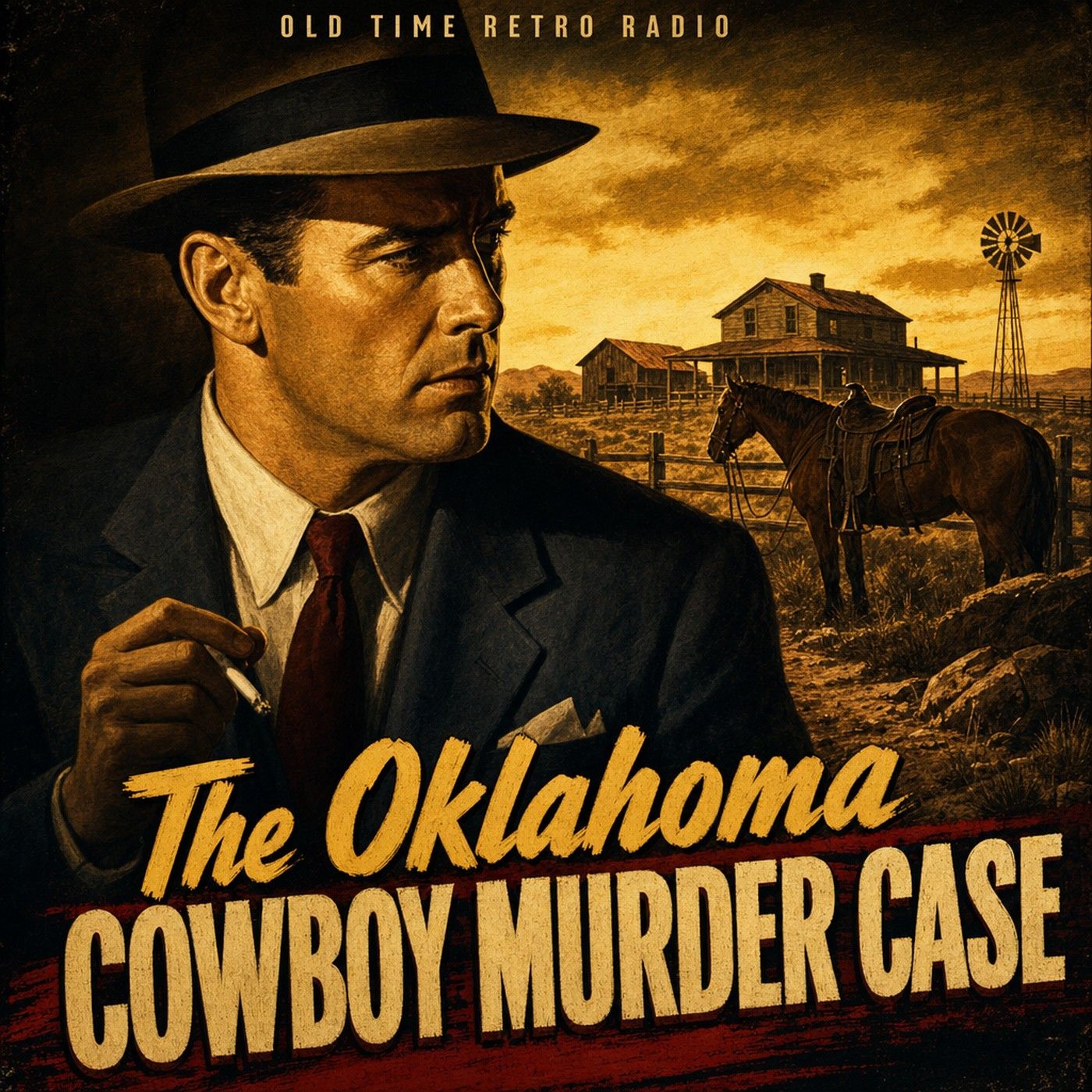
Richard Diamond, Private Detective presents “The Oklahoma Cowboy Murder Case,” originally broadcast on September 27, 1950. In this Rexall-sponsored NBC Radio Network drama, Dick Powell stars as the smooth New York detective Richard Diamond. The script was written by Blake Edwards. Oklahoma rancher Clay Baxter hires Diamond after his brother Will’s death is dismissed as a riding accident. Traveling from Manhattan to Okmulgee and the Baxter ranch country, Diamond finds a troubled estate, conflicting local accounts, and plenty of reason to question what really happened. Virginia Gregg and Hal March are featured. Chapters: 00:00 Victor Sterling Introduction 00:46 Original Broadcast 30:16 Closing
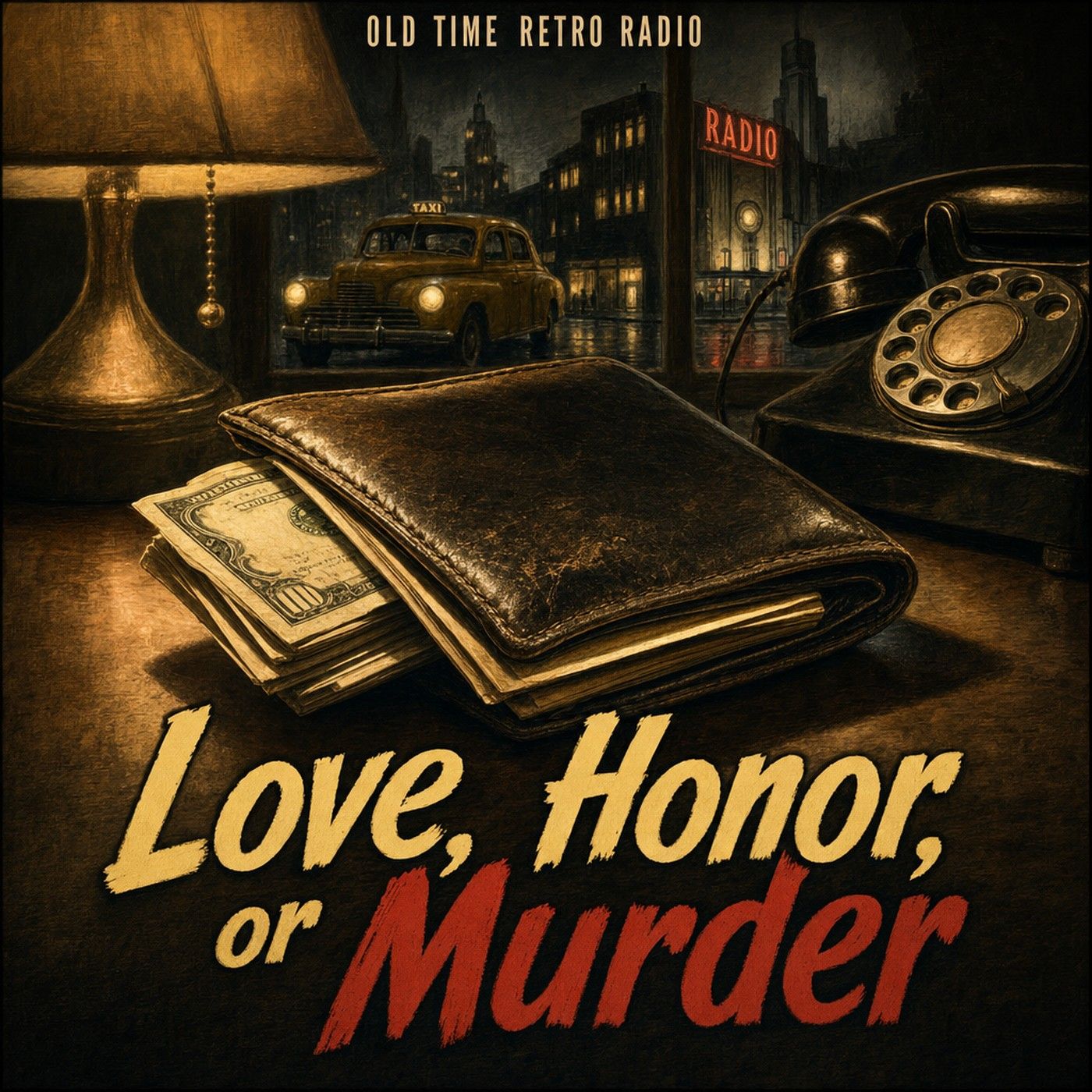
Suspense presents “Love, Honor, or Murder,” originally broadcast on June 29, 1950. This CBS Radio Network thriller was written by Larry Marcus and produced by William Spier. Taxi driver Harry Blake finds a wallet containing $12,000 after a regular passenger leaves it behind. Harry wants to return the money, but his wife Helen has other ideas—and an ordinary evening becomes a tense domestic drama of conscience, temptation, and mounting suspense. Elliott Lewis and Cathy Lewis star as Harry and Helen Blake. Chapters: 00:00 Victor Sterling Introduction 00:52 Original Broadcast 31:31 Closing
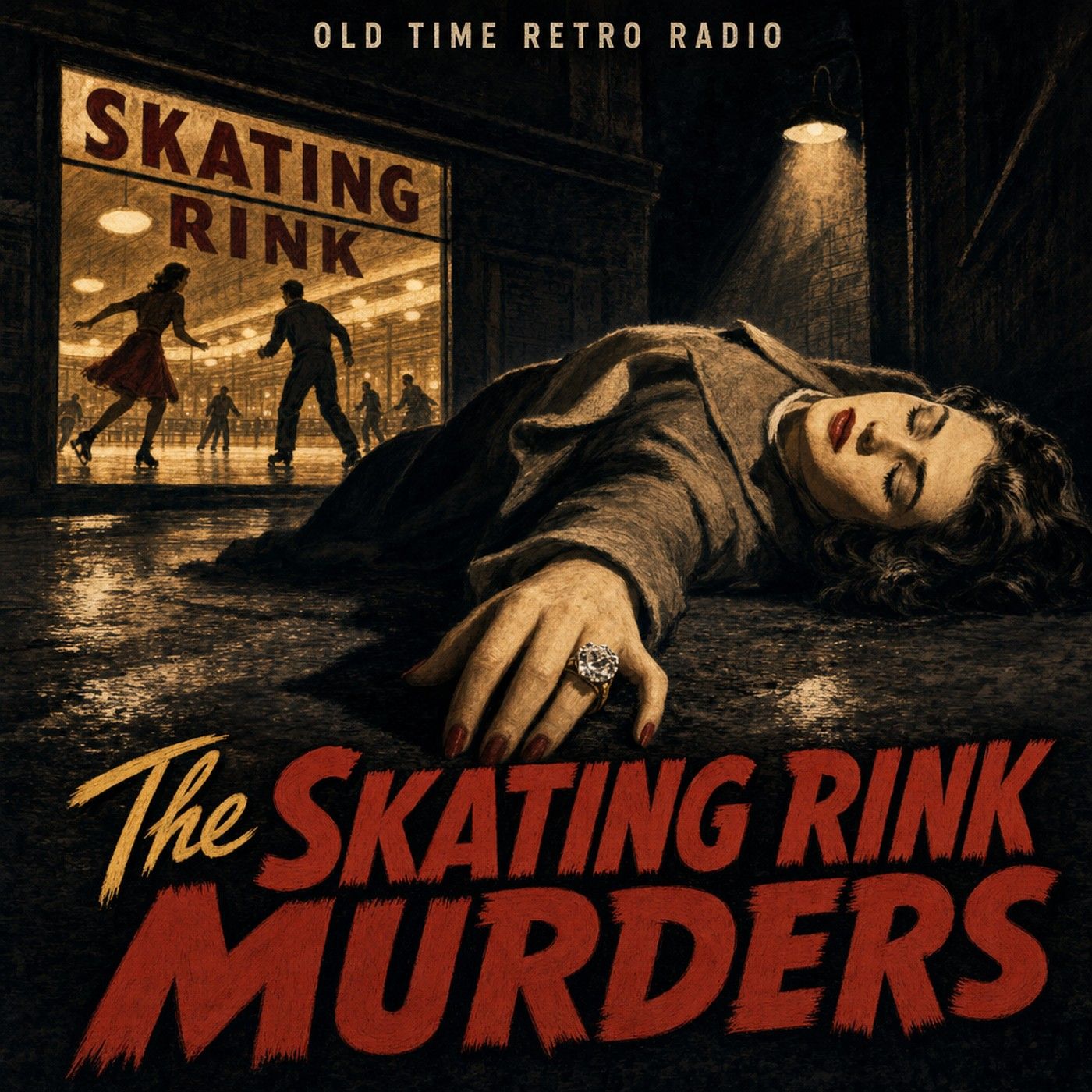
Boston Blackie, “The Skating Rink Murders” (original broadcast July 9, 1946; episode 78). Also known as “The Dead Girls and the $50,000 Ring,” this suspenseful case stars Richard Kollmar as Boston Blackie, with Jan Miner as Mary Wesley and Maurice Tarplin as Inspector Faraday. While Blackie and Mary are roller-skating, a scream outside the rink leads to the body of Jane Carter—and a dazzling $50,000 diamond ring she seemingly had no reason to own. As Inspector Faraday follows the official trail, Blackie investigates a tangle of conflicting identities, a supposed husband, and clues that point beyond an ordinary robbery. Chapters: 00:00 Victor Sterling Introduction 00:48 Original Broadcast 30:35 Closing
Youth sport should prioritize lasting participation over early selection of elite performers.
Share your view, then see how readers voted. No sign-in required. This poll is shared across stories.
Do you agree or disagree?
Common Quandary
A Common Quandary to discuss
Another conversation to explore, separate from this news story.
A stranger is behaving horribly in public. Do you record them?
You witness a stranger berating a service worker in public. Recording could create accountability and protect the worker, but posting the video could expose everyone involved to a permanent online audience.
Who gets to decide when public behavior becomes public content?