The 2026 Booker Longlist, hits and near misses • with Phil Chaffee, Elizabeth Eva Leach and Charlotte Kearsley
Listen through the publisher, then discuss the episode here or arrange an in-person Roundtable. Your city determines where to meet.
Roundtables are designed for groups of four, with a shared subject and room for everyone to speak. Come for discussion, with no dating expectation.
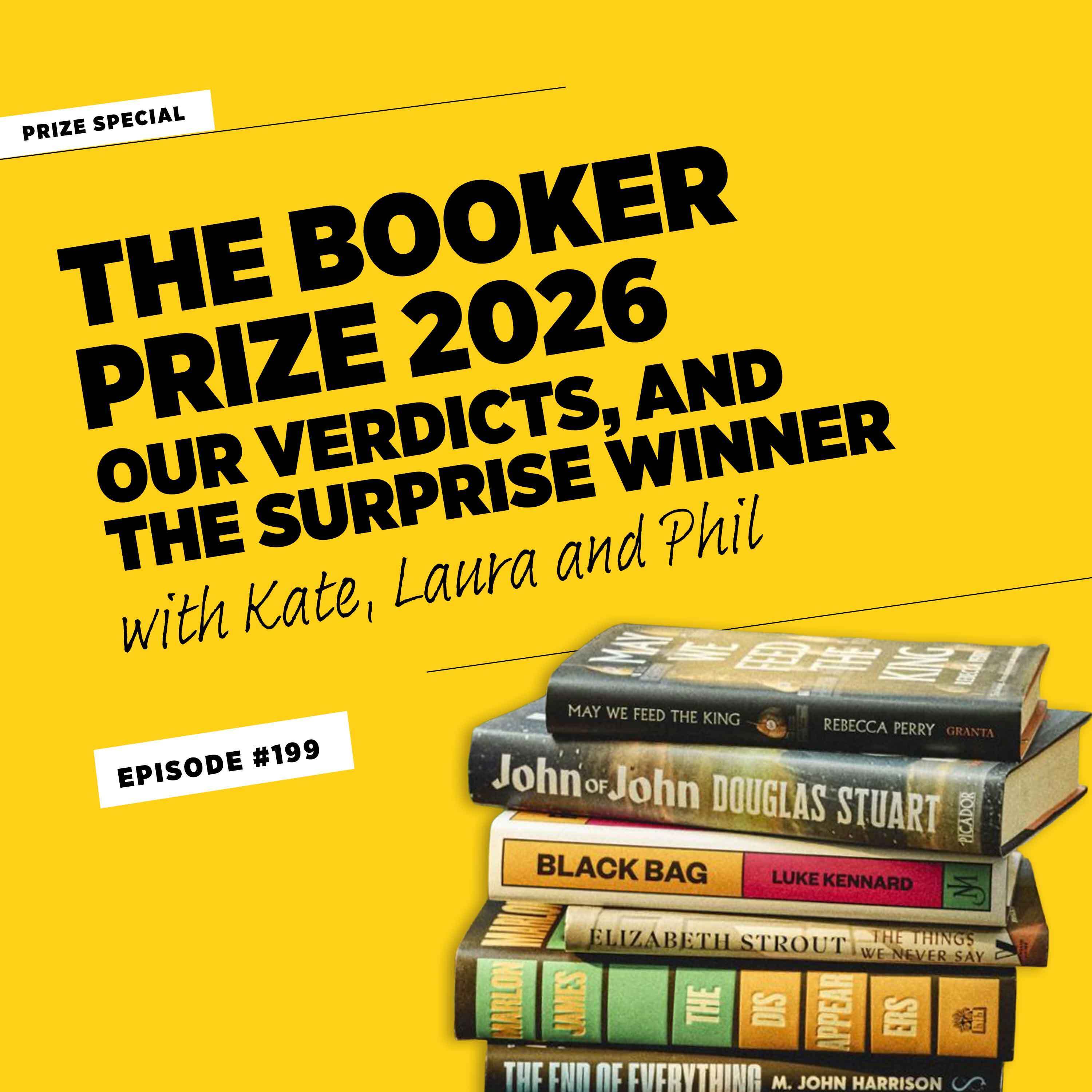
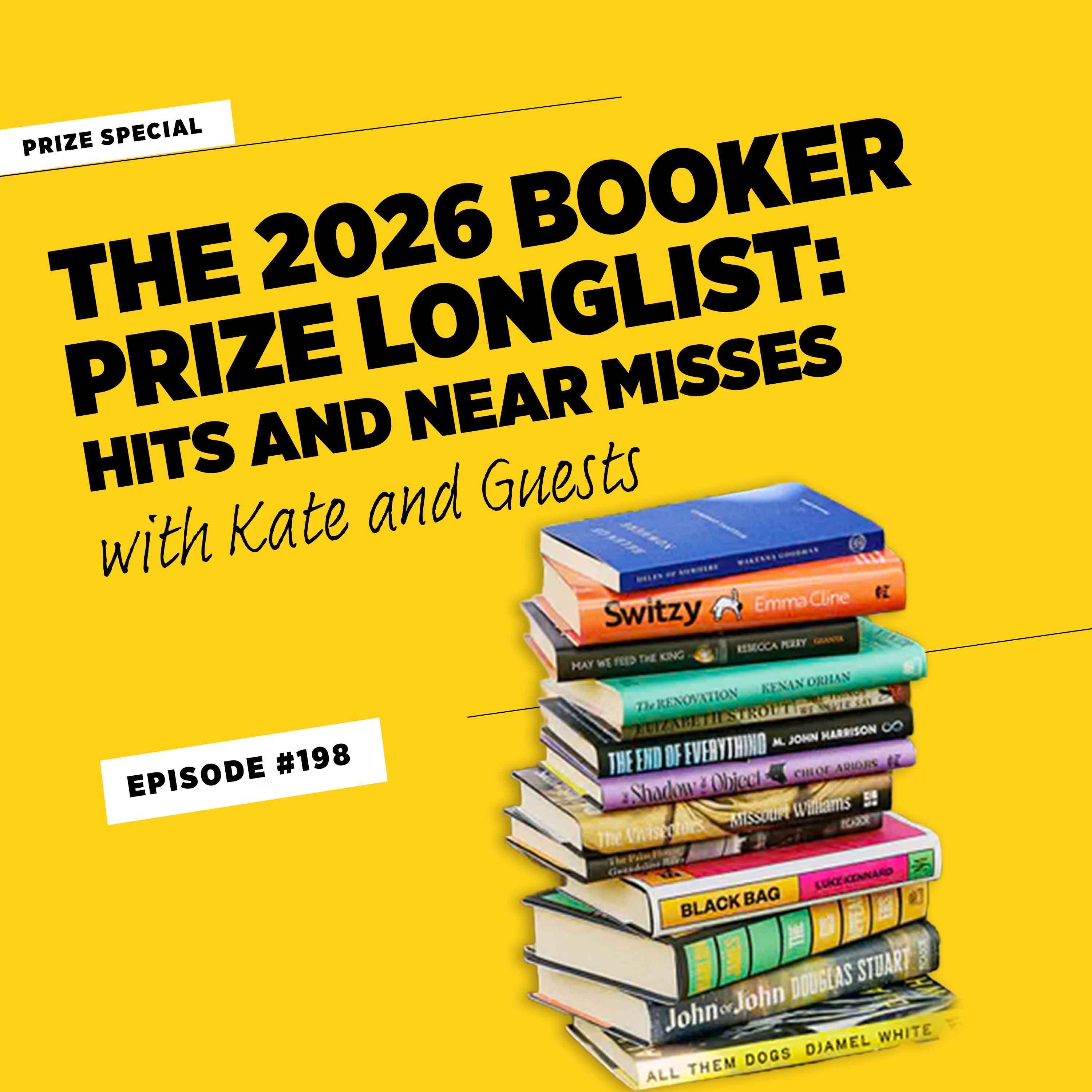
The Booker judges have made their choices, and six novels have made it through to the shortlist. But what about the books left behind? In this episode, Kate is joined by regular-contributor Phil Chaffee, and Elizabeth Eva Leach and Charlotte Kearsley (both Patreon members) to give the best-of-the-rest their moment in the spotlight. Between them, they've read their way through the Booker dozen, now it's time for their full and frank reviews. If the books on the longlist have one thing in common, Elizabeth thinks, it's a preoccupation with the idea of the failure of knowledge, while Charlotte noticed a split between authors who chose to be highly specific, and others who resisted doing that, which was a characteristic of many of the books on the list. Leaving no stone unturned, we're considering all seven books that didn't make the shortlist and singling out those books we don't want listeners to miss. And of course we're taking a brief look at favourites from the shortlist and thoughts on the potential winner. This is Part One of our Booker coverage. Coming soon Part Two: our discussion of the six shortlisted novels, and then our reaction to the winner. Books discussed The Shadow of the Object – Chloe Aridjis Switzy – Emma Cline Helen of Nowhere – Makenna Goodman The Renovation – Kenan Orhan The Palm House – Gwendoline Riley All Them Dogs – Djamel White The Vivisectors – Missouri Williams Other books mentioned The Rouse – China Miéville The Power Broker – Robert A. Caro The Guest, Daddy and The Girls – Emma Cline Milkman – Anna Burns Hello Phantoms and First Love – Gwendoline Riley The Finkler Question – Howard Jacobson Flesh – David Szalay Consider supporting the pod for a whole range of benefits, from book club membership to extra episodes, ad free listening and community membership. Find all the details and how to sign up at Patreon.com/thebookclubreview
Episode information is provided by the publisher. Listening takes place on the publisher’s service.
Listen at the source ↗