The Backyard Prowler: Recognizing Predatory Surveillance Before an Attack
4 min
Listen through the publisher, then discuss the episode here or arrange an in-person Roundtable. Your city determines where to meet.
Roundtables are designed for groups of four, with a shared subject and room for everyone to speak. Come for discussion, with no dating expectation.
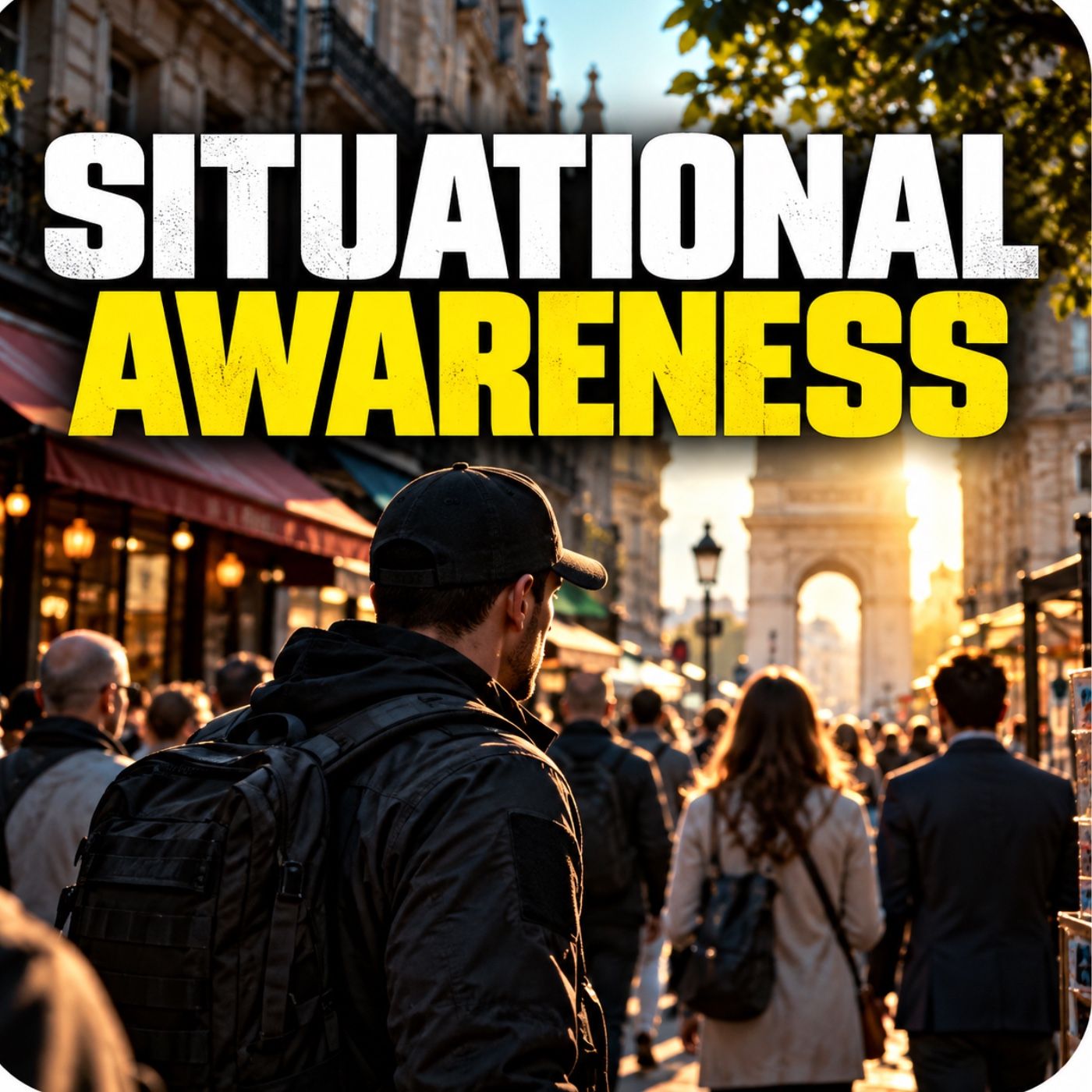
A stranger repeatedly appears near residential windows. Someone notices unfamiliar footprints, disturbed gates, or a person watching the same house on multiple evenings. When does suspicious behavior warrant greater concern? This episode explores surveillance indicators, repeated boundary violations, home security, and the importance of documenting and reporting suspicious activity without unnecessarily confronting a potential offender.
Episode information is provided by the publisher. Listening takes place on the publisher’s service.
Master the skills that change lives — enroll in your free human behavior course today: https://nci.university/learn Uploaded 01-03-26 Iran didn’t slowly become what you see on the news — it was psychologically taken. In this episode, I break down the real mechanism behind Iran’s transformation: the difference between a people and the system that cages them, how revolutions don’t shift power but shift who gets to use violence, and why fear — not religion — became the enforcement tool. From a modern, secular Iran in the 60s and 70s to a regime sustained by narrative control, surveillance, and compliance rituals, this is a case study in how educated civilizations get hijacked without realizing it. We’ll dissect the psychological trap that started in 1979, why today’s protests are memory colliding with fear, and the three paths Iran is likely to take next. This isn’t just about Iran — it’s a preview of what happens anywhere belief becomes mandatory and truth becomes a liability. Please not
For most of her life, Emily Mayles, tonight's guest, felt right at home in the woods of southeastern Ohio. Whether she was mushroom hunting, digging ginseng, or simply enjoying the outdoors, being surrounded by nature was something she loved. That all changed after a series of terrifying experiences convinced her that something enormous and mysterious was lurking in the forests near her home. Emily's first frightening experience happened in March of 2020, when an unbelievably powerful scream erupted from the woods behind her house. The sound was so terrifying that she found herself practically paralyzed with fear. Years later, she and her husband heard something equally disturbing while standing on their back deck. This time, however, the sounds seemed to be coming from multiple locations. As frightening as those experiences were, neither could have prepared Emily for what she would witness on the Fourth of July, while riding through the Ohio countryside on the back of her husband's mo
#JimRohnMotivation #JimRohn #JimRohnSpeech Success is not about complexity—it is about mastering the fundamentals. Most people spend their lives looking for shortcuts, hacks, and quick fixes, only to stay stuck in the same cycle of frustration and mediocrity. The truth is, success is built on simple habits, simple disciplines, and simple decisions—repeated consistently over time. In this Jim Rohn Motivation video, learn the timeless principles that separate those who win from those who quit. Key Topics From This Motivational Video: Why most people fail—not because they are not capable, but because they are not consistent The difference between working hard once in a while and executing daily at a high level Why mindset, habits, and discipline are more important than talent or intelligence How the most successful people in the world operate with precision and focus The truth about motivation—it is unreliable, and success comes from discipline This Jim Rohn Motivational Video Is Perfect
To check the transcript: https://www.buzzsprout.com/2379282 Imagine someone who has lived abroad for many years. One evening, they're talking to a friend about their hometown. They mention the streets they used to walk down, the familiar voices, and the little things they never thought they'd miss. Their friend asks: “Why do you get so emotional whenever you talk about your hometown? Do you want to move back?” They reply: “It's not that simple. It goes deeper than that. I miss a version of my life that doesn't exist there anymore.” Hello everyone, and welcome to Daily English. Today's expression is “It goes deeper than that.” We use this expression when something is more complicated, meaningful, or emotionally significant than it first appears. In other words, there's something beneath the surface that people might not immediately recognize. In our opening example, the person isn't necessarily longing to return to their hometown. What they miss might be their childhood, the people they
Today, Mel is doing something she's never done before on The Mel Robbins Podcast. She's bringing members of her team into the studio for live coaching with world-renowned communications expert Vinh Giang. Vinh is known for teaching millions of people online how to stop sounding insecure, speak more clearly, and get people to listen when you talk. And when you hear him coaching today, it will be like he’s coaching you. One person freezes when they're put on the spot. Another can't stop interrupting people. Someone else has great ideas but stays quiet because they're afraid of being judged. Does any of that sound familiar? And Vinh isn't just giving advice. He's coaching real people through practical exercises, right there in the studio, so you can hear the difference and start making those same changes in your own life. As Mel says, put yourself in their shoes. As Vinh works with each person, you'll recognize things you struggle with, too. You'll learn: -What to do when your mind goes b
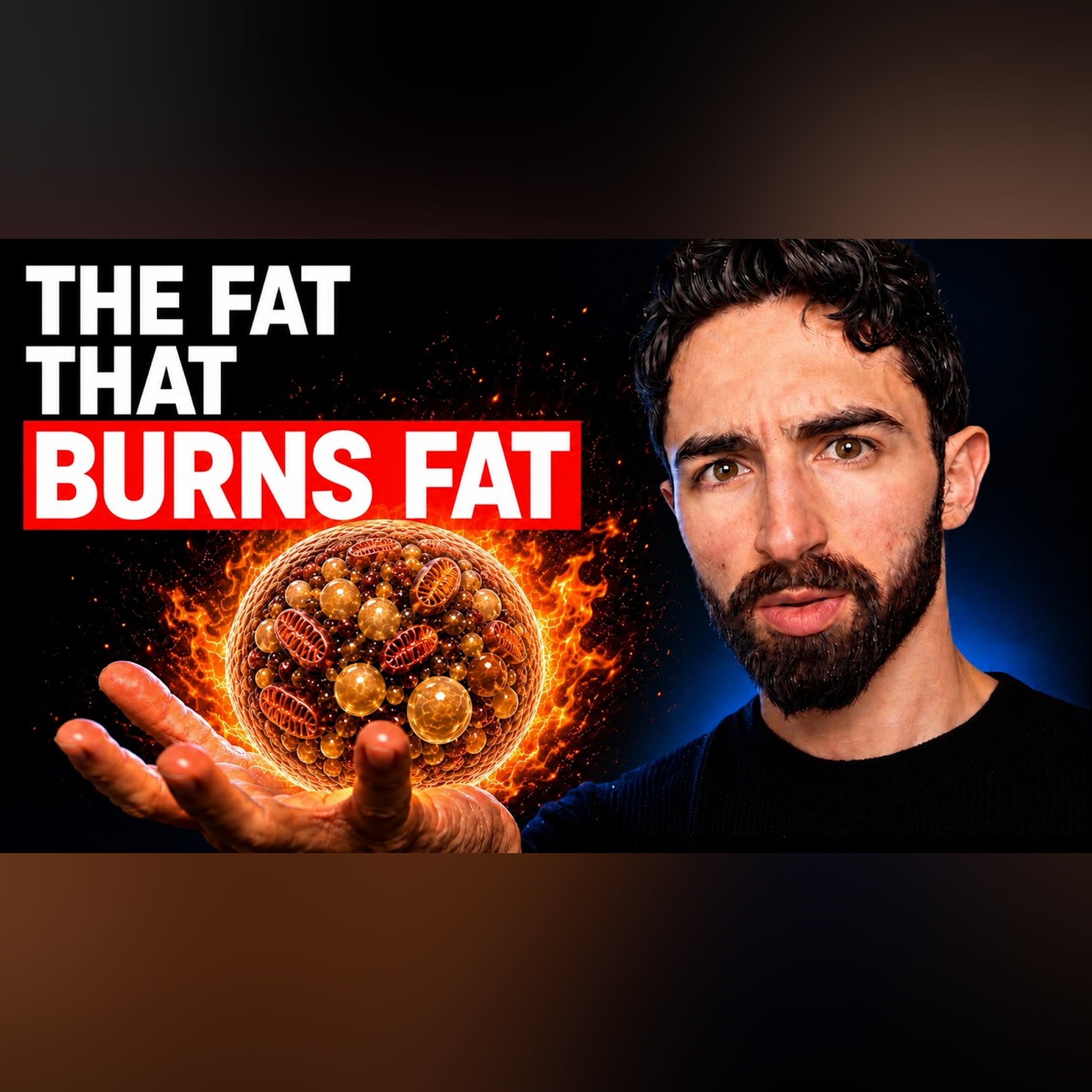
For a written breakdown, early access to content like this, and extra nuances, see the associated StayCurious Metabolism newsletter: https://open.substack.com/pub/staycuriousmetabolism/p/are-we-close-to-unlocking-the-secret?r=40ekz2&utm_campaign=post&utm_medium=web&showWelcomeOnShare=true (https://open.substack.com/pub/staycuriousmetabolism/p/are-we-close-to-unlocking-the-secret?r=40ekz2&showWelcomeOnShare=true) Winnow Microplastic Binding Probiotic: https://www.winnowlabs.com/STAYCURIOUS25 Microplastics Heart Health, Letter https://staycuriousmetabolism.substack.com/p/microplastics-in-my-heart-its-worse?r=40ekz2 Microplastics Brain Health, Letter: https://staycuriousmetabolism.substack.com/p/this-graph-changed-how-i-think-about?r=40ekz2 Nattokinase Video: https://youtu.be/LGQO227_Mto Description: What if you could burn hundreds of extra calories per day, without changing your exercise routine or activity? It sounds impossible. But controlled human trials suggest that simply lowering p
Someone knocks on your door late at night and identifies themselves as a police officer or FBI agent. How can you verify their identity, communicate safely, and understand when officers have legal authority to enter? This episode examines practical situational awareness, law enforcement impersonation, voluntary consent, and the importance of avoiding unnecessary confrontation. Learn how to balance personal safety with an understanding of your constitutional rights.
Conventional wisdom suggests that water washes away fingerprints. Yet FBI researchers demonstrated that identifiable prints could survive on submerged firearms for up to 70 days under experimental conditions. This episode examines the evidence behind that finding, the limitations of the research, and why laboratory success does not guarantee that fingerprints will survive on every weapon recovered from a real crime scene.
Ted Bundy sometimes approached potential victims by pretending to be injured or requesting assistance. This episode examines how offenders can exploit politeness, sympathy, and ordinary social obligations to create opportunities for violence. Learn how to recognize escalating boundary violations, maintain distance, and offer assistance without surrendering control over your surroundings.
Governments should provide plain-language explanations of major policies.
Share your view, then see how readers voted. No sign-in required. This poll is shared across stories.
Do you agree or disagree?
Common Quandary
A Common Quandary to discuss
Another conversation to explore, separate from this news story.
You lecture everyone about climate change—then get invited on a dream flight. Do you go?
A close friend living overseas invites you to an important celebration. Flying is affordable but carbon-intensive. Your individual decision will not determine whether the flight operates, yet it conflicts with commitments you publicly encourage others to make.
When is a small personal contribution to a large harm morally significant?