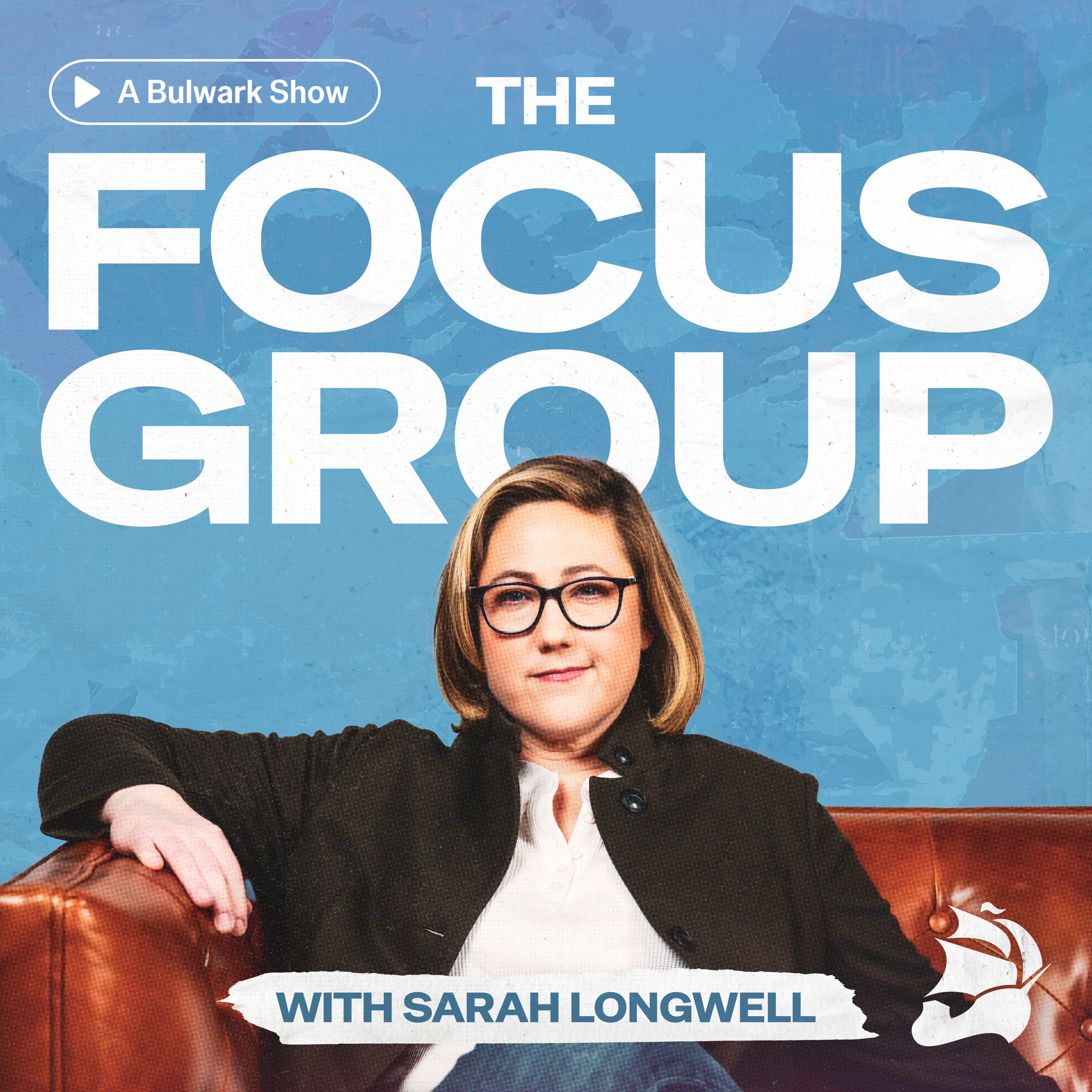
Listen through the publisher, then discuss the episode here or arrange an in-person Roundtable. Your city determines where to meet.
Roundtables are designed for groups of four, with a shared subject and room for everyone to speak. Come for discussion, with no dating expectation.
While job hunting have you ever spotted a job ad that never seems to go away? When you apply you don’t get a reply, let alone a rejection. You may have spotted a ghost! Or a ghost job. In fact, it’s happening so much ‘ghost jobs’ was on the shortlist for Collins dictionary word of the year (mogging won in the end). According to a study across the US, UK and Germany up to 22% of jobs posted online last year were listed with no intent to hire. We speak to BBC Business reporter, Megan Lawton about why some companies are choosing to post ‘ghost jobs’ and why some governments are trying to ban them. Plus, we hear from Sundus who is searching for work and we get some tips from Patricia, a career coach from Nyche careers. Instagram: @bbcwhatintheworld Email: [email protected] WhatsApp: +44 330 12 33 22 6 Presenter: Hannah Gelbart Producers: Mollie Perella and Emma-Louise Amanshia Video Producer: Benita Barden Editor: Verity Wilde
Episode information is provided by the publisher. Listening takes place on the publisher’s service.
Wild turkey has a reputation for drying out—and both recipes in this episode are built to beat that. Chef Gavin Jobe of Meribo Restaurant (https://www.meribopizza.com/) stuffs a butterfly-cut breast with a buttery rice-and-pecan roulade and finishes it sous vide. Meanwhile, up in West Virginia, Chris Ellis of Timney Triggers (https://timneytriggers.com/) and Jack Ellis spatchcock a fall bird brined in pickle juice and finish it with homemade turkey neck bone gravy. Together, they crack the code on one of hunting’s toughest table fare challenges. This Gun Talk Hunt is brought to you by Smith & Wesson (https://www.smith-wesson.com/), ZEISS (https://www.zeiss.com/corporate/us/home.html), Shooting Sports Life (https://www.shootingsportslife.com/), Savage Arms (https://savagearms.com/), and Range Ready Studios (https://rangereadystudios.com/). About Gun Talk Hunt Gun Talk Media's Gun Talk Hunt (http://guntalk.com/gun-talk-hunt), with Kevin “KJ” Jarnagin, pairs decades of experience with tod
After a deluge of speculation, the next James Bond has been chosen: British actor Robert Pattinson will be the next face of the franchise. The public response has been overwhelming, if somewhat divided. To celebrate, we’re revisiting an episode from June, about a behind-the-scenes David and Goliath battle between the family business which has held creative control of the franchise since the 1960s and its new owners, Amazon. It is now up to Jeff Bezos’s tech conglomerate to decide how to run the series. In an era when Hollywood studios are desperate to eke out every last dollar from movie franchises, can James Bond retain its mystique and appeal to a new generation of cinema-goers? We speak to Wall Street Journal enterprise reporter Erich Schwartzel. Producers: Xandra Ellin and Lucy Pawle Video producers: Richard Kenny and Jem Westgate Mixed by: Travis Evans Executive producers: James Shield and Martine Powers Senior news editor: China Collins Photo: Robert Pattinson as James Bond. Jaap
Screen time in schools, kids and AI: why Australian students just posted their worst ever reading and maths results. The federal Education Minister says screens are part of the problem. Sweden led the world putting tablets in classrooms and is now pulling them back out. NSW will cap kindy kids at 15 minutes of screen time a day from next year. So were the "hippie" Steiner schools ahead of their time all along? Karl sits down with Andrew Hill, CEO of Steiner Education Australia, which represents 53 schools that keep screens out of early childhood classrooms. Andrew explains why some Silicon Valley tech executives sent their own kids to a screen-free Steiner school, who has profited from a laptop for every kid ("the terrible thing about handwriting is that it's free"), and why he believes Bluey's creator modelled the show's school on a Steiner school in Queensland. Karl also puts the tough questions: Will kids without screens be left behind? Is it all woo-woo? What about bullying, fees a
Runaway government spending, rising costs, and a new wave of legal battles over constitutional rights. With Democrats preparing to take control of Congress and several state governments, Republicans are confronting a very different political landscape. John Solomon and Amanda Head welcome Montana Senator-elect Kurt Alme, who says Washington must get serious about reining in spending, lowering inflation, and making everyday life affordable again. Already preparing for his arrival in the Senate, Alme discusses his priorities for protecting Montana's way of life, keeping taxes low, creating good-paying jobs, and working across party lines when possible. He also addresses the challenges Republicans face in the minority, the remaining lame-duck session, and concerns about efforts to expand the Supreme Court and eliminate the filibuster. Then, Southeastern Legal Foundation President Kimberly Hermann joins the show with a warning about potential policy reversals in states where Democrats have
This week on The Necessary Conversation, it's Chad, Haley, and Mary Lou. Bob is still recovering but sent in a video message about Trump calling Putin his friend that we watch together. 🇷🇺 Trump held the first-ever three-way talks with Putin and Xi, called it a "12 out of 10," and produced nothing. Then at a press conference he called Putin his friend — and when asked if Putin is a friend to America, the president of the United States said, "I can't speak to America." That same day, Trump's friend Putin launched massive strikes into Ukraine, hit Poland with two missiles — an act of war against a NATO ally — then struck near a Ukrainian restaurant and drone-bombed the first responders, killing a 7-year-old child and a 20-year-old paramedic. We watch Bob's video and ask Mary Lou: is Russia our friend? 🇨🇳 The House Foreign Affairs Committee revealed Trump's Commerce Department approved nearly 880,000 advanced AI chips for Chinese military-linked companies including Alibaba, Tencent, a
Thanksgiving is here, and some of your aunts and uncles may have softened their stances since last year. So, should you engage when politics comes up? And if so, how? Jessica Tarlov, co-host of Raging Moderates and Fox News’s The Five returns to the show to offer some tips for handling Thanksgiving (and the rest of the year), discusses her new book, and she and Sarah listen to some voters talk about how political divisions have affected their lives…and what those voters think of people who think differently. Show links: Raging Moderates with Scott Galloway and Jessica Tarlov (https://www.youtube.com/@RagingModerates) Jessica’s book, I Disagree: Winning Arguments Without Losing Friends (https://www.penguinrandomhouse.com/books/803493/i-disagree-by-jessica-tarlov/) Feeling frustrated by the state of American democracy? The Context, a podcast from the Charles F. Kettering Foundation, explores the challenges facing democracy, how to fix what’s broken, and what we can do to make it work bet
More and more of our tech is connected to the internet. Maybe you're wearing a fitness tracker right now, or you've got a smart doorbell, speaker or lamp at home. So what happens when those devices get hacked? And is there anything you can do to protect them? You might remember that in October, supermarkets across Europe were hit by a major cyber hack that caused fridge and freezer systems to heat up. Some stores say that their fridge temperatures rose as high as 50C (122F). BBC tech reporter Shiona McCallum explains how older, internet-connected refrigeration tech with weak protections and remote management can be exploited, and why the wider risk extends to other connected systems in areas like banking, agriculture and utilities. Plus cybersecurity educator Joan Nwafor shares tips on how to keep your smart devices safe and secure from cyber hacks. Instagram: @bbcwhatintheworld Email: [email protected] WhatsApp: +44 330 12 33 22 6 Presenter: Hannah Gelbart Producers: William Le
GTA 6 — among the most-anticipated video games ever — is finally out. Reviews have been overwhelmingly positive, with fans and critics alike praising the life-like graphics, the catchy soundtrack and the inclusion of Lucia, the game’s first-ever female protagonist since the franchise went 3-D. Tom Richardson, our gaming reporter, shares his experience playing the game and tells us about its minor bugs and glitches. We also hear from GTA fans around the world and from DJ Lag, a South African producer whose music can be heard on AfroBank FM in the game. Instagram: @bbcwhatintheworld Email: [email protected] WhatsApp: +44 330 12 33 22 6 Presenter: Hannah Gelbart Producers: Mollie Perella, William Lee Adams, Rita Behadini Editor: Verity Wilde
The Voyager 1 space probe reached the milestone of travelling one light day away from Earth this week. That’s the furthest any manmade object has ever travelled. It’s one of two spacecrafts NASA launched in 1977 hoping to explore the outer reaches of our solar system. Just in case aliens intercept either of the space probes, NASA placed identical gold-plated records on each of them carrying a message from planet Earth. The NASA team chose dozens of sounds, songs and pictures to represent our planet. BBC journalist Kaine Pieri explains what’s on the records and how NASA’s team decided what to put on them. We also hear from Ann Druyan, creative director of the golden record project, and Jon Lomberg, its design director. Instagram: @bbcwhatintheworld Email: [email protected] WhatsApp: +44 330 12 33 22 6 Presenter: Hannah Gelbart Producers: William Lee Adams and Benita Barden Editor: Verity Wilde
A majority vote should not override the basic rights of a smaller group.
Share your view, then see how readers voted. No sign-in required. This poll is shared across stories.
Do you agree or disagree?
Common Quandary
A Common Quandary to discuss
Another conversation to explore, separate from this news story.
You inherit a fortune made in ways you despise. Can you keep it?
You inherit a substantial sum from a relative who accumulated it through practices you consider exploitative. Keeping it would improve your family's security; donating it could support people harmed by similar practices.
Can ownership be morally clean when its history is not?