Listen through the publisher, then discuss the episode here or arrange an in-person Roundtable. Your city determines where to meet.
Roundtables are designed for groups of four, with a shared subject and room for everyone to speak. Come for discussion, with no dating expectation.
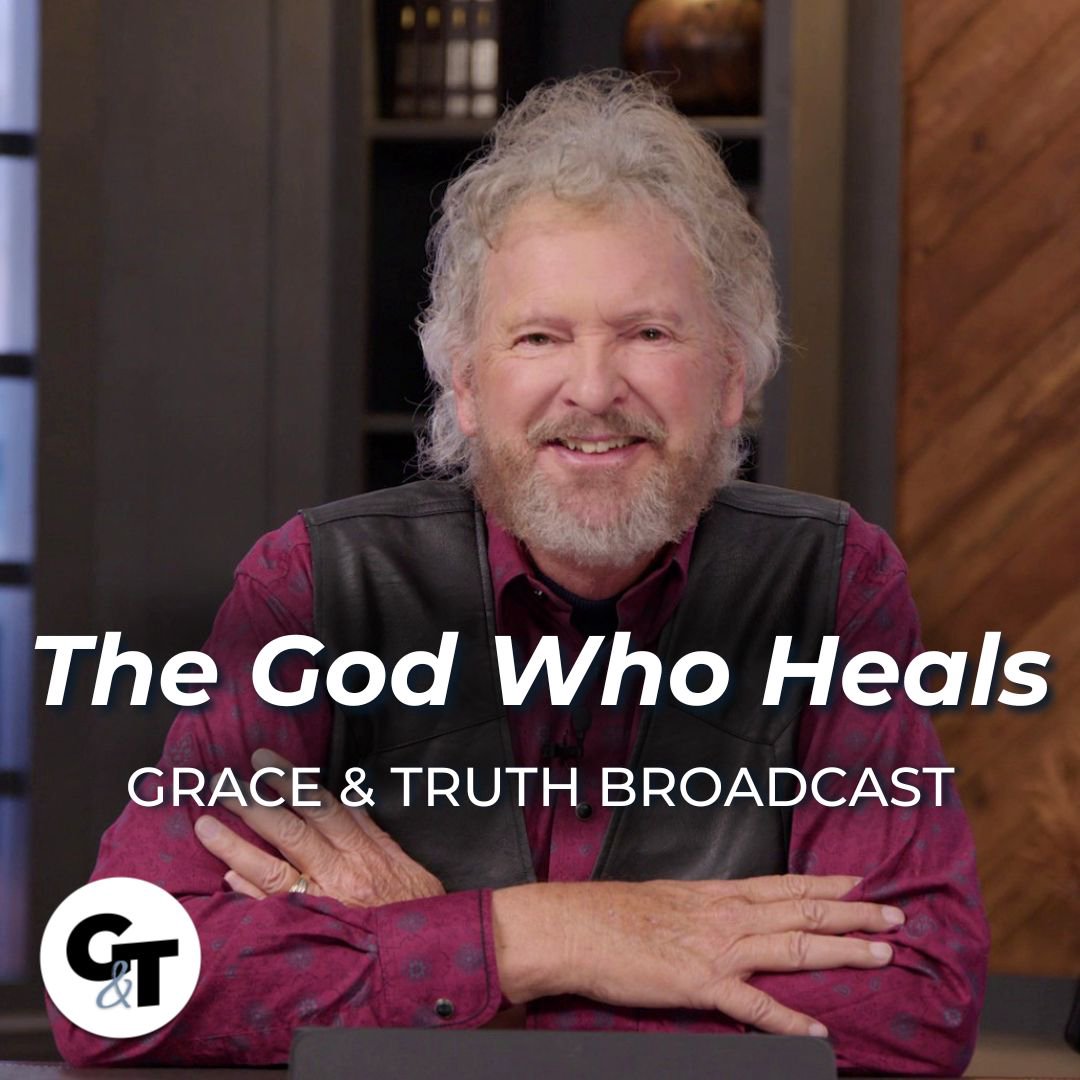
The anointing of oil is a simple but often overlooked method God has ordained for healing. God gives clear instruction in James 5: if anyone is sick, they are to call the elders of the church, be anointed with oil in the name of the Lord, and trust in the prayer of faith. No qualifications, no exemptions, just clear direction. In Episode 14 of "The God Who Heals," Duane Sheriff teaches how the anointing of oil becomes a point of faith and obedience through which we can receive the grace God has already provided. When a sick person calls for the elders, they take a step of faith by humbling themselves, believing God's Word, and claiming His provision for healing. Duane also shares a personal testimony from early in his walk with God. After suffering a groin injury before an important tennis tournament, a godly woman showed him James 5, anointed him with ordinary cooking oil, and prayed the prayer of faith. Duane says he was immediately healed and went on to compete and win the tournament. The power was not in the oil itself, but in faith in God, His Word, and His provision.
Episode information is provided by the publisher. Listening takes place on the publisher’s service.
Friday 20 November 2026 Today is Friday the 20th of November, in the 33rd week of Ordinary Time. Continuum Choir sings, ‘Upon Your Heart’ by Eleanor Daley: Set me as a seal upon your heart, As a seal upon your arm, For love is strong as death. Many waters cannot quench love, Neither can the floods drown it. If you keep my commandments, You shall abide in my love, Love one another as I have loved you, Then shall your joy be complete. As you hear these words sung, let them carry you into prayer... Today’s reading is from the Book of Revelation. Revelation 10:8-11 Then the voice that I had heard from heaven spoke to me again, saying, ‘Go, take the scroll that is open in the hand of the angel who is standing on the sea and on the land.’ So I went to the angel and told him to give me the little scroll; and he said to me, ‘Take it, and eat; it will be bitter to your stomach, but sweet as honey in your mouth.’ So I took the little scroll from the hand of the angel and ate it; it was sweet as
Noah built an ark in response to a warning about things he had not yet seen, while Abraham left his homeland because God called him to a destination he had not been shown. Neither man had the complete picture of what lay ahead. We ask God to reveal the next five years when He may be asking us to trust Him with the next decision. Faith does not mean abandoning wisdom or planning; it means refusing to make complete understanding a condition for obedience. Sometimes, clarity comes as we walk, not before we begin. Every contribution counts. Thank you for being part of our journey!
Matthew 25: 31-46 - 'I was naked and you clothed me; sick, and you visited me.' Catechism of the Catholic Church Paragraphs: - 544 (In 'The Kingdom of God is at hand') - Jesus identifies himself with the poor of every kind and makes active love toward them the condition for entering his kingdom (abbreviated) - 1033-1034 (in 'I Believe in Life Everlasting') - Our Lord warns us that we shall be separated from him if we fail to meet the serious needs of the poor and the little ones who are his brethren...Jesus often speaks of "Gehenna" of "the unquenchable fire" reserved for those who to the end of their lives refuse to believe and be converted, where both soul and body can be lost. Jesus solemnly proclaims that he "will send his angels, and they will gather . . . all evil doers, and throw them into the furnace of fire," and that he will pronounce the condemnation: "Depart from me, you cursed, into the eternal fire!" - 2447 (in 'Love for the Poor') - The works of mercy are charitable acti
What happens when you pray Fajr, and why is this beautiful prayer so important in Islam? Fajr is more than the first prayer of the day. It is an opportunity to strengthen your connection with Allah, begin your morning with remembrance, and seek His blessings before the distractions of daily life begin. The Prophet Muhammad ﷺ taught us that the two Sunnah rak'ahs before Fajr are better than the world and everything in it. Imagine the immense value of a prayer that takes only a few minutes but carries such an extraordinary reward. In this powerful Islamic reminder, Sheikh Samih Jad explains the importance of Fajr Salah, the incredible rewards of its Sunnah and obligatory prayers, and why every Muslim should make protecting Fajr a priority. Discover the spiritual benefits of waking up for Fajr, how this daily act of worship can transform your relationship with Allah, and practical ways to overcome laziness, build consistency, and stop missing this precious prayer. Whether you struggle to
The debate over Christian nationalism raises some uncomfortable questions about faith, politics, and the role of government. Al, Zach, John Luke, and Christian examine how Christianity transformed the Roman Empire and why the early church flourished despite intense persecution. The guys also revisit the Garden of Eden, questioning whether Adam's failure to protect Eve was the first sin and what his actions reveal about responsibility and obedience. They consider what history teaches us about the dangers of unchecked power and why Christians must put their allegiance to God's kingdom above any earthly government. In this episode: Genesis 2, verses 15–17; Genesis 3, verses 1–7; Daniel 2; John 1, verses 4–5; Matthew 5, verses 27–30; Matthew 28, verses 18–20; John 11, verses 49–52; Luke 23, verses 6–12; Galatians 3, verse 28; 1 Timothy 2, verses 11–14; Romans 13, verses 1–7 Today’s conversation is about Lesson 6 of Western Heritage: From the Book of Genesis to John Locke taught by various
- - - - - - - P.S. Fall Harvest We are officially kicking off our seven-week Ordinary Sowing, Extraordinary Seeds: Fall Harvest Campaign for Seedbed! Over the coming weeks, we'll be sharing stories of how Jesus is multiplying your generosity through the Wake-Up Call, Bands, and New Room. We’d love for you to join us on this journey. You can learn more about the campaign or sow your gift here: https://givebutter.com/fallharvest2026 - - - - - - - - - - - - - - - - - - - JD Walt contrasts the Old Testament’s shepherding imagery with the New Testament’s “massive fishing expedition,” where the church becomes a net made of strong, loving relationships. He argues that these close, covenantal bonds—not simply attracting people to church—are how believers help others encounter Jesus. “Our relationships are the mission,” he says, encouraging listeners to build small groups, or “bands,” where people grow together in faith. JD and his father, David, sing “God Will Take Care of You” and talk about
The gifts of the Holy Spirit are for everyone, not a select few, nor just confined to the early church. Scripture reveals them as God-given ways the Holy Spirit works through the Body of Christ to bring healing, miracles, and supernatural ministry to others. In Episode 15 of "The God Who Heals," Duane Sheriff teaches how the gifts of the Spirit operate according to God's will and are distributed throughout the Body of Christ for the benefit of all. Although spiritual gifts have sometimes been misused or abused, those failures do not change the truth of God's Word. These gifts are especially powerful when believers walk together in unity, honor, and love. Drawing from 1 Corinthians 12, Duane explores the gifts of the Spirit such as the word of knowledge, the gift of faith, gifts of healing, and the working of miracles. He also shares testimonies of supernatural healing through these gifts, including the remarkable story of his grandson Urias, who was raised from the dead after 30 minute
What if the very methods God uses to bring healing into our lives are themselves proof of His will to heal us? The laying on of hands is one of the biblical ways God has provided for His healing power to flow through people of faith. Scripture is filled with accounts of heaven's power touching hurting bodies through human hands, revealing a simple but powerful point of contact between faith and the grace of God. In Episode 13 of "The God Who Heals," Duane Sheriff teaches how God's healing power can flow through believers as they lay hands on the sick in faith. Jesus laid hands on a woman bound by a spirit of infirmity, and she immediately stood straight. He touched a blind man at Bethsaida and restored his sight. Jairus asked Jesus to lay hands on his dying daughter because he believed she would be healed. Yet unbelief can hinder what God desires to do. In Jesus' own hometown, Scripture says He could do no mighty work there because of their unbelief, even though He laid hands on a few
What if the healing we seek has already been provided, and faith is how we receive what God has made available? In Episode 12 of The God Who Heals, Duane Sheriff explores the different ways God has made healing available to us, starting with personal faith. Just as God's willingness to forgive does not change because some people fail to receive forgiveness, His will to heal does not change because healing is not always received. In the story of the woman with the issue of blood in Matthew 9, Duane shows how faith receives what grace has already provided. Surrounded by a crowd, she believed that if she could just touch Jesus, she would be made whole. Jesus did not initiate the miracle or even know who had touched Him, yet healing power flowed from Him, and He told her, "Your faith has made you well." Using electricity as an illustration, Duane explains that the power has already been supplied, so faith is like turning on the switch. Discover why faith does not command or manipulate God,
Commercially funded research should disclose sponsors' influence over its design and publication.
Share your view, then see how readers voted. No sign-in required. This poll is shared across stories.
Do you agree or disagree?
Common Quandary
A Common Quandary to discuss
Another conversation to explore, separate from this news story.
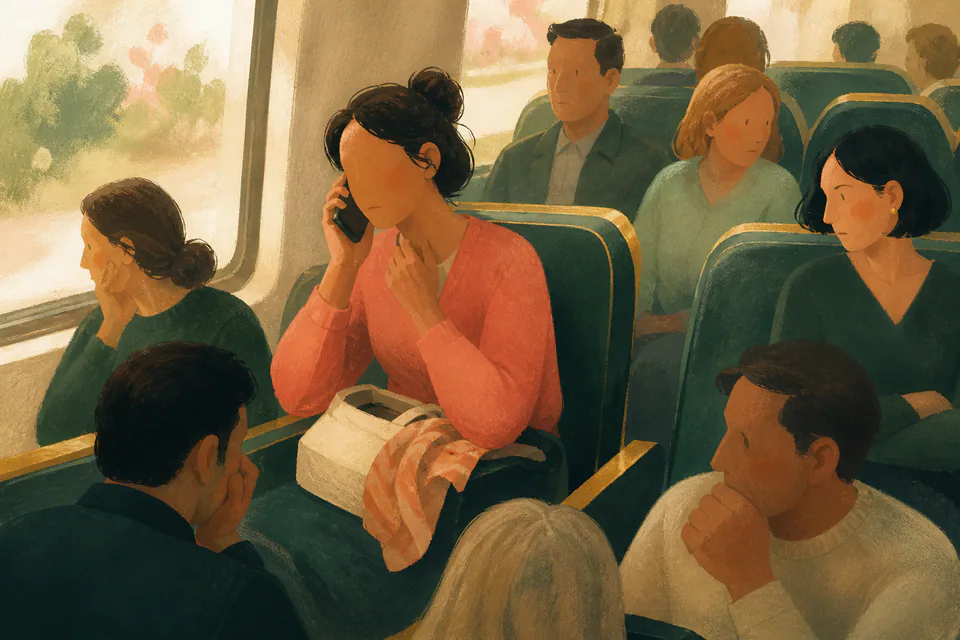
A stranger takes an emotional call in the quiet car. Do you shush them?
On a crowded train's designated quiet car, a passenger answers a call and begins discussing an apparent family emergency. They are speaking softly but continuously, and everyone nearby is listening despite trying not to.
Do public rules make room for private emergencies?