Listen through the publisher, then discuss the episode here or arrange an in-person Roundtable. Your city determines where to meet.
Roundtables are designed for groups of four, with a shared subject and room for everyone to speak. Come for discussion, with no dating expectation.
Has King Charles shown Andy Burnham how to handle the row over slavery reparations? Following the Commonwealth summit, historian Robert Tombs joins James Heale to discuss why the King’s carefully worded speech struck the right tone – and whether Burnham’s intervention risks opening the door to billions in compensation claims. They also discuss Britain’s role in abolishing the slave trade, the growing demands for reparations and whether the Commonwealth still has a future. Produced by Oscar Edmondson. This episode is brought to you by Raymond James. Investment involves risk. raymondjames.uk.com Contact us: [email protected] Hosted on Acast.
Episode information is provided by the publisher. Listening takes place on the publisher’s service.
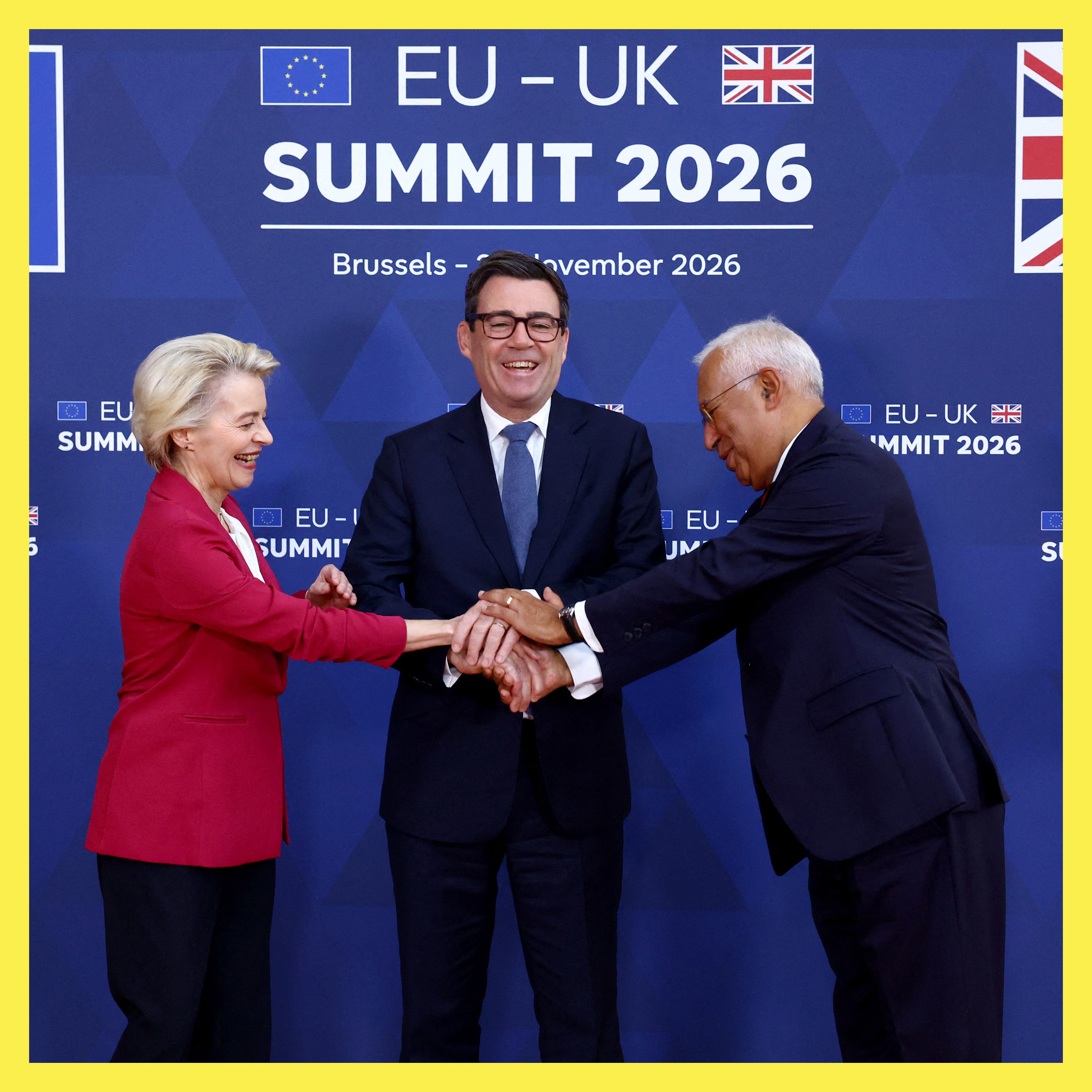
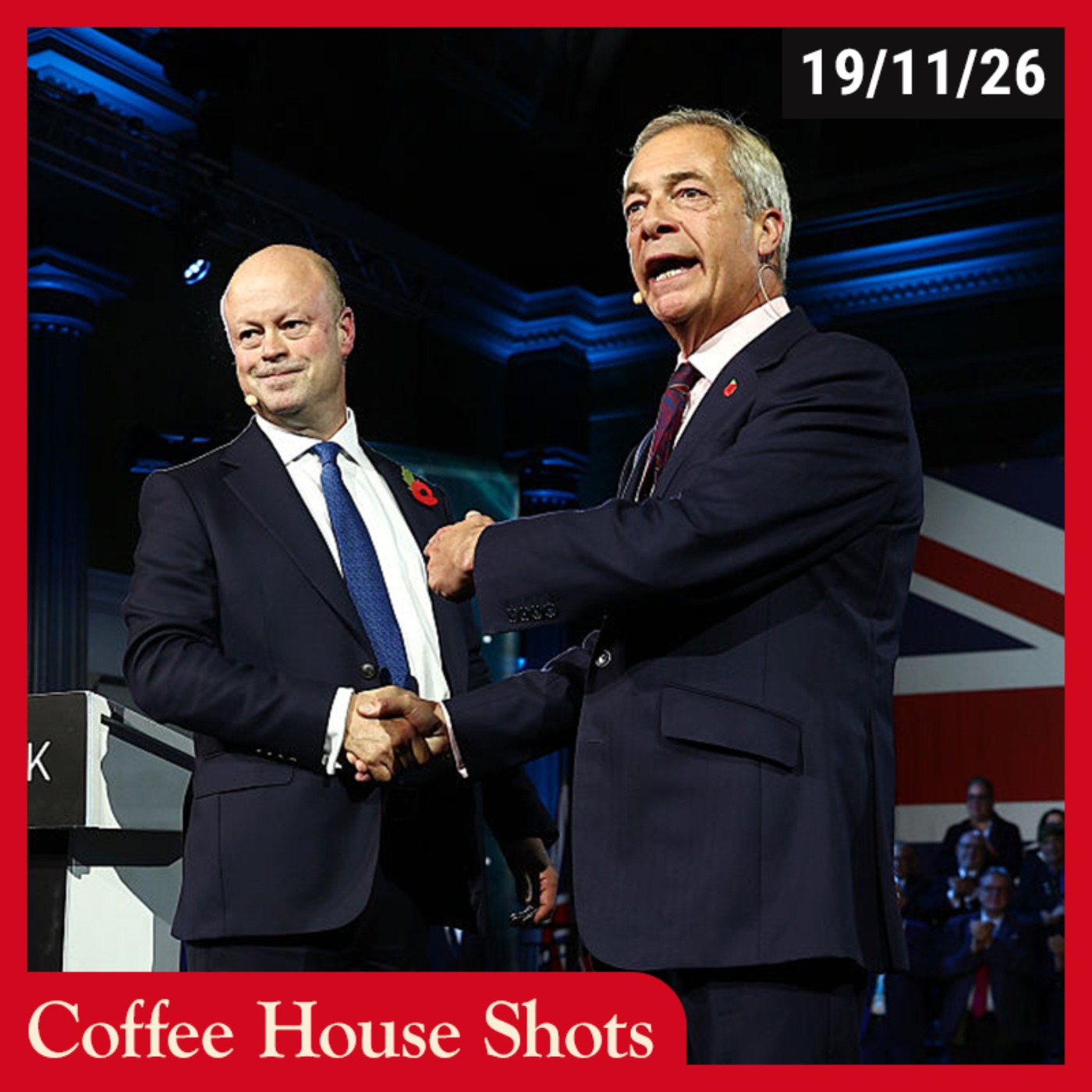
Andy Burnham travelled to Brussels today for a summit with his EU counterparts. Our colleagues on The State of It podcast have been analysing what happened. Expecting a smooth signing ceremony for his reset deal with the European Union, Andy Burnham faced a classic EU ambush: none of it will be implemented until Britain gives ground on lowering tuition fees for EU students. We unpack what is actually in the agreement, from cutting border checks on food and scrapping the foie gras ban to a 100,000-person youth mobility scheme that has already led to friction with Alan Milburn over opportunities for British young people. Fresh off the Eurostar with Nigel Farage, Patrick explains why the Reform UK leader is dismissing the deal as small-scale. And what he thinks Andy Burnham's long game is: "he wants to rejoin and he thinks he can win the argument." Hosts: Steven Swinford, political editor, The Times Lara Spirit, deputy political editor, The Sunday Times Patrick Maguire, chief political co
Andy Burnham struck a landmark deal with the EU in Brussels on Friday, promising closer ties, fewer trade barriers and a boost to the UK economy. The agreement, which has been three years in the making and began under Sir Keir Starmer’s premiership, includes a new youth mobility scheme and freer trade in food and drink. But, in a painful reminder of past EU negotiations, stumbling blocks remain, including a row over tuition fees for EU students. So is this just tinkering around the edges or is the UK now on a path back to the EU? Host Lucy Fisher is joined in the studio by FT columnist Stephen Bush and public policy editor Chris Smyth, while political editor George Parker beams in from the summit in Brussels to unpack the deal and its political fallout. Plus, the panel discusses Alan Milburn’s plans to tackle youth unemployment. Follow Lucy on X or Bluesky @LOS_Fisher (https://x.com/LOS_Fisher?lang=en), @lucyfisher.ft.com (https://bsky.app/profile/lucyfisher.ft.com); Stephen @stephenkb
Today on Kinsey Schofield Unfiltered, Kinsey is joined by The Royals Uncensored’s Katie Nicholl and former royal press secretary Dickie Arbiter to discuss Prince William and Catherine’s triumphant three-day visit to Mumbai, India. Marking their first joint overseas working trip in four years and Catherine’s first long-haul overseas visit since her cancer diagnosis, the tour offered a compelling glimpse into the future of the British monarchy. The panel explores Catherine’s deeply personal Earthshot Prize speech, how the Palace accommodated her recovery, and whether the challenges of recent years have strengthened William and Catherine’s marriage. From street cricket and electric rickshaw rides to Bollywood and fashion diplomacy, the trio examines the couple’s natural chemistry, the power of royal soft diplomacy, and how William is modernizing his father’s environmental legacy through the Earthshot Prize. Has the successful visit silenced critics of their royal workload? And did India g
The King Charles series builds to a defining moment as King Charles III delivers a masterclass in diplomacy during his pivotal United States visit. From a historic address to Congress to moments of quiet connection in New York, this episode explores how decades of preparation, scrutiny, and patience culminated in a performance that reshaped perceptions of the King. As global tensions simmered and expectations remained high, Charles stepped into the role fully, not as the successor to Queen Elizabeth the Second, but as a monarch in his own right. This is the moment the waiting ended, and the reign truly began. One subscription, the whole family, no ads. Try it free for 30 days: tap Try Free in Apple Podcasts. Got an App Store gift card? This is a good use for it. New episodes every day. Follow on Apple Podcasts, Spotify, or wherever you listen. Part of the Caloroga Media network. Also check out new seasons of
After a deluge of speculation, the next James Bond has been chosen: British actor Robert Pattinson will be the next face of the franchise. The public response has been overwhelming, if somewhat divided. To celebrate, we’re revisiting an episode from June, about a behind-the-scenes David and Goliath battle between the family business which has held creative control of the franchise since the 1960s and its new owners, Amazon. It is now up to Jeff Bezos’s tech conglomerate to decide how to run the series. In an era when Hollywood studios are desperate to eke out every last dollar from movie franchises, can James Bond retain its mystique and appeal to a new generation of cinema-goers? We speak to Wall Street Journal enterprise reporter Erich Schwartzel. Producers: Xandra Ellin and Lucy Pawle Video producers: Richard Kenny and Jem Westgate Mixed by: Travis Evans Executive producers: James Shield and Martine Powers Senior news editor: China Collins Photo: Robert Pattinson as James Bond. Jaap
On this week’s edition of “Happy Hour,” Emily Jashinsky tackles whether America’s political system is irreparably broken, the growing distrust of political institutions, and why voters are increasingly fed up with corruption and self-serving politicians. She discusses Thomas Massie’s political future, the possibility of breaking up the two-party system, why she generally distrusts ProPublica’s reporting, and the ethics of the Supreme Court. She also weighs in on the dangers of authoritarian communism, foreign influence in Washington, and why maintaining faith in elections is so important. Emily addresses the political risks of embracing artificial intelligence, which careers might survive the technological revolution, and why she struggles to unplug from work. Finally, she shares her favorite time to visit Washington, D.C., her thoughts on Robert Pattinson as the next James Bond, and more… Hosted by Simplecast, an AdsWizz company.
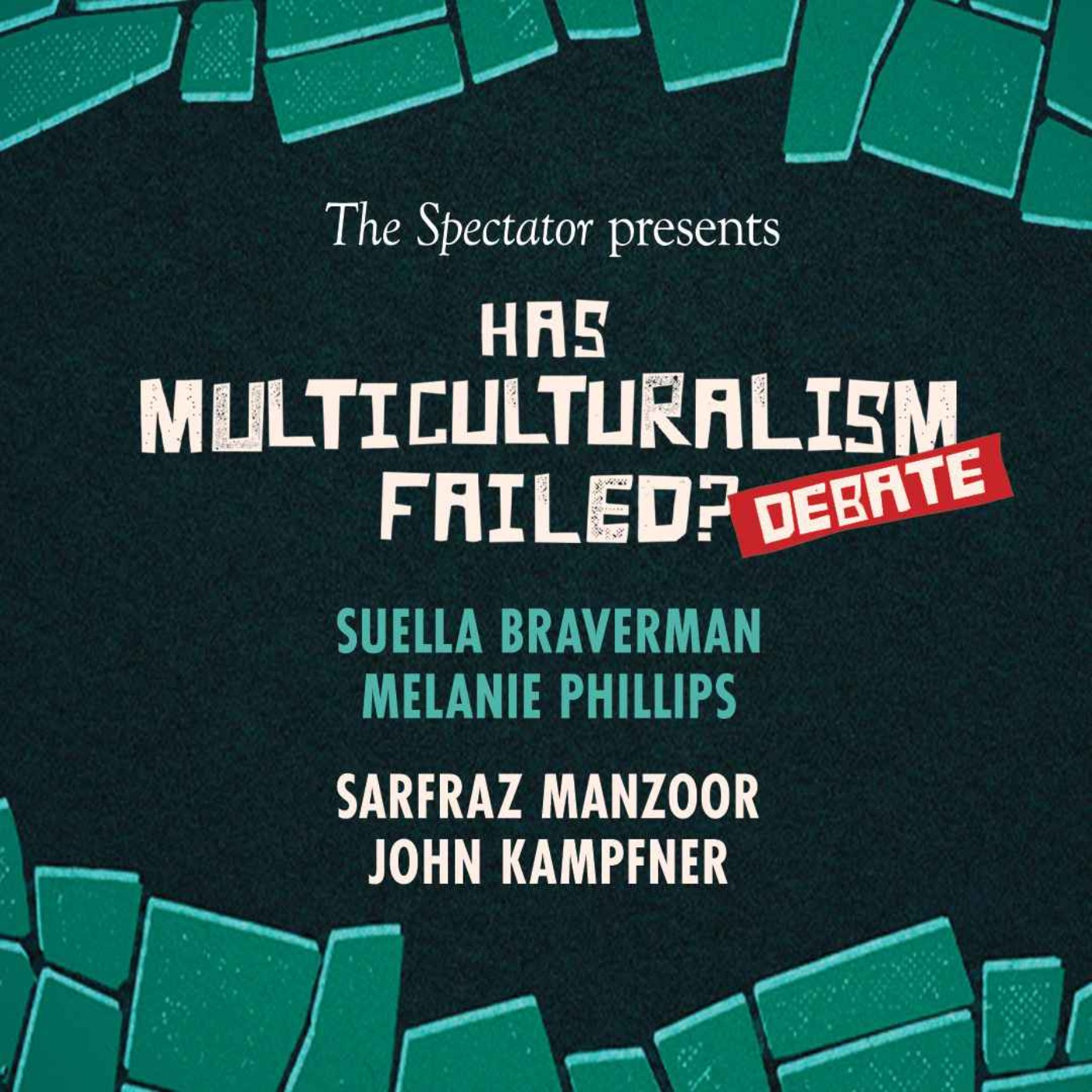
Earlier this week The Spectator’s editor Michael Gove chaired a lively debate on whether multiculturalism has failed. Former home secretary Suella Braverman and columnist Melanie Phillips went head-to-head with journalist and author John Kampfner and broadcaster Sarfraz Manzoor, tackling some of Britain’s most divisive questions. Spectator subscribers can watch the full debate here (https://spectator.com/article/livestream-multiculturalism-debate/). This episode is brought to you by Raymond James. Investment involves risk. raymondjames.uk.com Contact us: [email protected] Hosted on Acast.
Ahead of today's UK-EU summit, Andy Burnham is pushing for closer ties with Brussels. But is the Prime Minister laying the groundwork for Britain to rejoin the EU - and does he have a plan to get there? James Heale and Tim Shipman speak to Anand Menon, director of UK in a Changing Europe, to discuss Burnham’s Brexit ambitions, the political risks of reopening the debate and whether public opinion has really shifted. Could Britain be heading towards another referendum? And what would Brussels demand in return? Produced by Abigail Brierley. This episode is brought to you by Raymond James. Investment involves risk. raymondjames.uk.com Contact us: [email protected] Hosted on Acast.
Reform UK's new defence spokesman, Angus McIntyre, joins Tim Shipman to discuss his move from a 40-year military career into politics. Why has he lost faith in the Conservatives? And can Reform deliver on its promises to rebuild Britain's armed forces? McIntyre warns that Britain is dangerously unprepared for the threats it faces. He discusses the need to overhaul defence procurement, increase military spending and confront the growing threat from Russia. Plus: what does McIntyre make of Nigel Farage's position on Ukraine, the government's plans to take in people from Gaza, and the treatment of British veterans over historic allegations? Produced by Oscar Edmondson & Abigail Brierley. This episode is brought to you by Raymond James. Investment involves risk. raymondjames.uk.com Contact us: [email protected] Hosted on Acast.
Keeping food affordable should not require producers to work for an unsustainable income.
Share your view, then see how readers voted. No sign-in required. This poll is shared across stories.
Do you agree or disagree?
Common Quandary
A Common Quandary to discuss
Another conversation to explore, separate from this news story.
Rich parents want to buy their public-school class an art teacher. Should the school say no?
Parents at a well-resourced public school raise enough money for art teachers and smaller classes. Nearby schools cannot raise comparable amounts, widening differences within the same district.
Can helping your own community become unfair to the larger one?