Listen through the publisher, then discuss the episode here or arrange an in-person Roundtable. Your city determines where to meet.
Roundtables are designed for groups of four, with a shared subject and room for everyone to speak. Come for discussion, with no dating expectation.
Grief. Caregiving. An illness you can’t shake, or an injury that keeps you out of the gym. In some seasons of life, simply not gaining weight is the win, and nobody talks about that enough. Gina, who has kept off more than 100 pounds for over 30 years, explains why your weight is meant to ebb and flow, why your set point is a range rather than a single number, and the real reasons people regain weight: not giving the body time to adjust, life changes that knock out your routine, and old coping habits creeping back in unnoticed. She also shares how to rethink what you eat when you can’t move the way you used to. This podcast aligns with Day 57 of our Fall Program, members can find video in our Livy Method app and community group: https://www.facebook.com/groups/livymethod Hosted on Acast.
Episode information is provided by the publisher. Listening takes place on the publisher’s service.
Most people never think about that person. The one waiting out there in the years ahead. They live for the week in front of them, for the feeling they want right now, and they leave the future version of themselves to clean up whatever they didn't want to deal with. Uploaded 15-10-26 Tonight I want to talk about the opposite. The small things, the ordinary things you can do today that the person you become will look back on with gratitude. Not regret. Gratitude. Here is the truth: your future is not built out of grand gestures. It is built out of what you do on a Tuesday afternoon when nobody is watching and nothing feels urgent. The future self is the sum of today's small choices, repeated. This seminar walks through 10 things you must understand about the gifts you can plant today for the person you are going to be. CHAPTERS 0:00 Intro — the person waiting for you 2:01 #1 — Move your body 4:07 #2 — Save a little money 6:37 #3 — Read every day 9:21 #4 — Say the words to the people you
Is your body weight stable, but you're still not eating enough to properly fuel your training, recovery, and overall health? Introducing Why Stable Weight Doesn't Always Mean You're Eating Enough from Jeff Hoehn of the Mind Muscle Connection Podcast (https://www.buzzsprout.com/1508401). Just because your weight isn't changing doesn't necessarily mean you're adequately fueled. In this episode, Jeff breaks down why maintaining a stable body weight doesn't always mean you're meeting your body's energy needs, especially if you're training hard, staying lean, or spending long periods dieting. You'll learn: Why stable body weight doesn't automatically mean adequate energy availability Who is most at risk of underfueling, even when their weight isn't changing How high training output, staying too lean, and chronic dieting can contribute to low energy availability The potential signs of underfueling, including changes in performance, recovery, hormones, and menstrual health Why spending too lo
In this meditation, I invite you to reflect on the changing light of autumn as we move towards the darker days of winter. As the daylight hours grow shorter, we can sometimes feel that we are losing something. Yet the contemplative life invites us to receive each season as it is, discovering beauty and sacredness in the present moment. Beginning with the breath, we explore the difference between the changing light around us and the unchanging light of divine presence within. From the gentle light of morning to the lamps that illuminate our evenings, every expression of light becomes an invitation to awareness. As we breathe, we allow ourselves to be filled with divine light, offering compassion, peace and prayer to those in need. Chapters: 00:00 – Introduction: Autumn light 01:10 – Entering meditation with intention 01:58 – Relaxing the body and following the breath 02:48 – Returning to the present moment 03:12 – Becoming aware of the light within 03:40 – The gift of divine light 04:10
Are we in an AI stock bubble, or are investors betting on a genuinely bigger economy? Justin Wolfers examines AI stock valuations with Stacey Vanek Smith, separating what the technology could do for the economy from what investors might actually earn. A deliberately hypothetical valuation exercise shows why a trillion-dollar company isn't automatically absurd—but a breakthrough for society doesn't guarantee profits for shareholders. Competition can give you powerful tools at low prices while squeezing the companies selling them. The Thanksgiving turkey problem illustrates why a long run of good news can hide rare, severe risks. Justin connects that analogy to fat tails and the peso problem, then explains why spotting a bubble and successfully betting against it are different challenges. He also unpacks what the CAPE ratio can—and can't—tell you about whether stocks are overpriced. The stakes are your savings, not just Wall Street's scoreboard: Justin discusses an S&P 500 decline of 7.5
Today, Mel is doing something she's never done before on The Mel Robbins Podcast. She's bringing members of her team into the studio for live coaching with world-renowned communications expert Vinh Giang. Vinh is known for teaching millions of people online how to stop sounding insecure, speak more clearly, and get people to listen when you talk. And when you hear him coaching today, it will be like he’s coaching you. One person freezes when they're put on the spot. Another can't stop interrupting people. Someone else has great ideas but stays quiet because they're afraid of being judged. Does any of that sound familiar? And Vinh isn't just giving advice. He's coaching real people through practical exercises, right there in the studio, so you can hear the difference and start making those same changes in your own life. As Mel says, put yourself in their shoes. As Vinh works with each person, you'll recognize things you struggle with, too. You'll learn: -What to do when your mind goes b
Giouli thought alcohol was the one thing that let her stop being perfect. Hear how a 30-day break she expected to end in January led her to write the first quit lit book in Greece and help change how her country talks about drinking. What happens when a question you ask yourself one January refuses to go away? For Giouli, alcohol started as freedom from perfectionism at university. It followed her through a demanding events career and into motherhood, when wine came home every night and blackouts began to scare her. Rules and moderation only left her feeling guilty. Then, holding a glass of red wine on her balcony, she asked herself who she was without it. That question led her to write two books, become a coach, and help shift the drinking culture in Greece. Why alcohol felt like freedom from perfectionism, not a way to numb The common belief about drinking at home that kept her from questioning alcohol What moderation rules did to her guilt and her sense of control The balcony moment
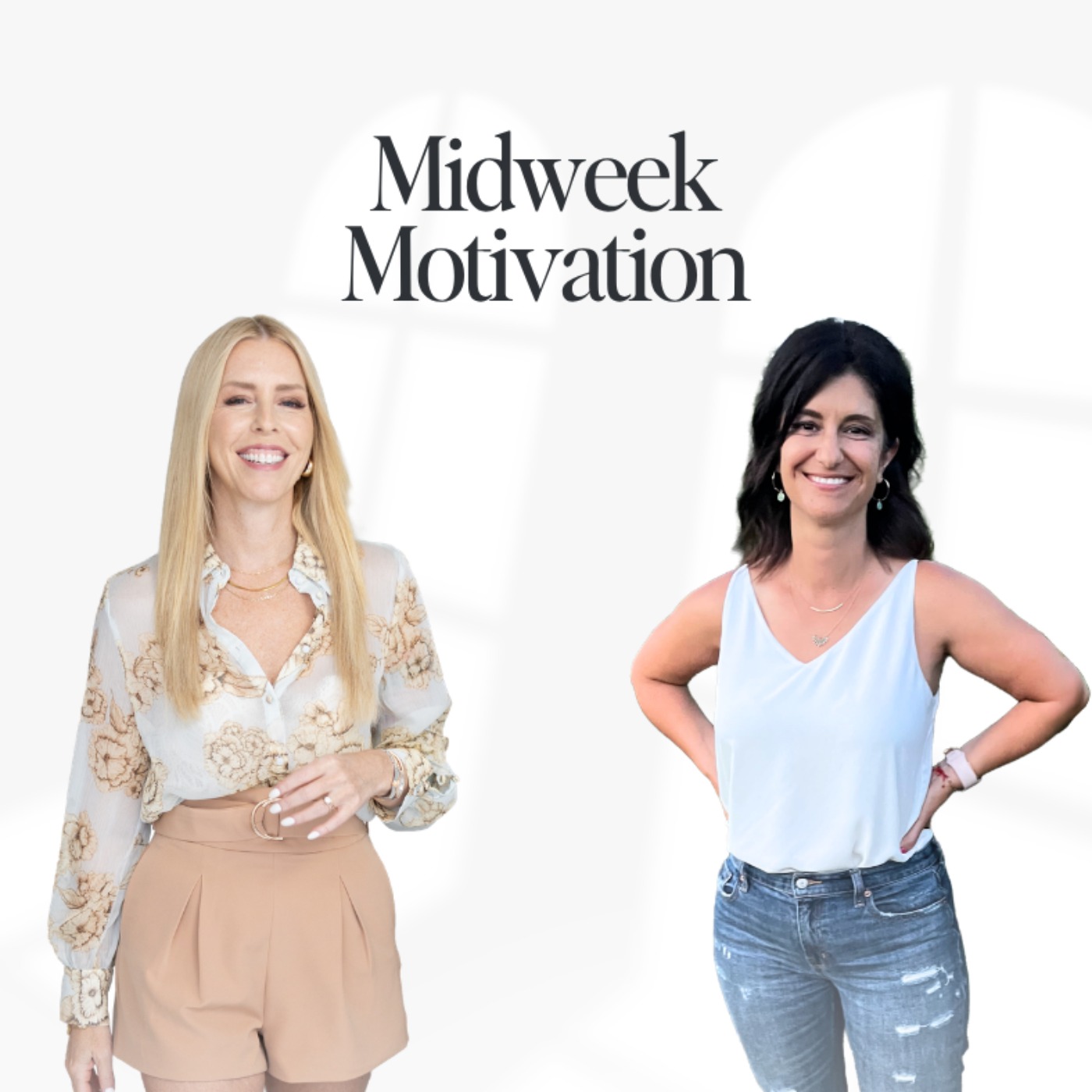
In this Midweek Motivation, Gina Livy and Odette suggest one small change in wording as holiday party season starts. Instead of asking whether you should eat something, or whether you’re allowed to, ask whether you actually want it, and how much. They talk about why so many people ask permission even for foods that were never off-limits, why your body never actually wanted the donut, and how a craving is often about what the food represents. This podcast aligns with Day 66 of our Fall Maintenance Program, members can find video in our Livy Method app or Maintenance and Mindfulness Group: https://www.facebook.com/groups/ginalivymaintenanceandmindfulness It's the perfect time to pick up the pieces you've been eyeing or get your holiday gifting done. The sale starts Monday, November 23rd. Head to: https://www.deandavidson.ca/pages/cyber-week-signup-gina-livy Hosted on Acast.
Who decided breakfast is where your energy comes from? Nine weeks in, it’s easy to eat the same meals on autopilot. That works for keeping your weight steady, but it isn’t the same as helping your body focus on fat loss. In this Tweak This Week episode, Gina Livy and Program Manager Kim break down the Week 9 food plan revamp: more protein and fat earlier in the day, protein as the star of lunch, and one afternoon snack instead of two. Gina explains why fruit and chicken leave you feeling so different hours later, why you can’t “bank” a big breakfast to use later, and why a craving is often your body asking for water, not carbs. This podcast aligns with Day 66 of our Fall Program, members can find video in our Livy Method app and community group: https://www.facebook.com/groups/livymethod Hosted on Acast.
You’re trying to lose weight while carrying grief, caregiving, bad news and a to-do list that never ends. No wonder it feels heavy. Clinical psychologist Dr. Beverley David joins Gina Livy to talk about the weight we carry that has nothing to do with the scale, and why pushing through and “keeping calm and carrying on” can make everything harder. They get into why asking for help doesn’t make you a burden and why showing up for your community can help you find your way back to yourself. “Distress isn’t usually about where we are. It’s the story we’re telling ourselves about where we think we should be by now.” - Dr. Beverley David This podcast aligns with Day 65 of our Fall Program, members can find video in our Livy Method app and community group: https://www.facebook.com/groups/livymethod Hosted on Acast.
Waste-reduction policies should make responsible choices easy for households.
Share your view, then see how readers voted. No sign-in required. This poll is shared across stories.
Do you agree or disagree?
Common Quandary
A Common Quandary to discuss
Another conversation to explore, separate from this news story.
A DNA test reveals a family time bomb. Do you tell relatives who would rather not know?
A genetic test reveals that you carry a serious inherited condition. Your siblings and adult cousins may carry it too, but one has previously said they would rather live without predictions about illnesses that cannot yet be prevented.
Can someone's wish not to know outweigh your responsibility to warn them?