The MEGA Science vs God Debate: Phil Halper vs Miles Donahue
148 min
Listen through the publisher, then discuss the episode here or arrange an in-person Roundtable. Your city determines where to meet.
Roundtables are designed for groups of four, with a shared subject and room for everyone to speak. Come for discussion, with no dating expectation.
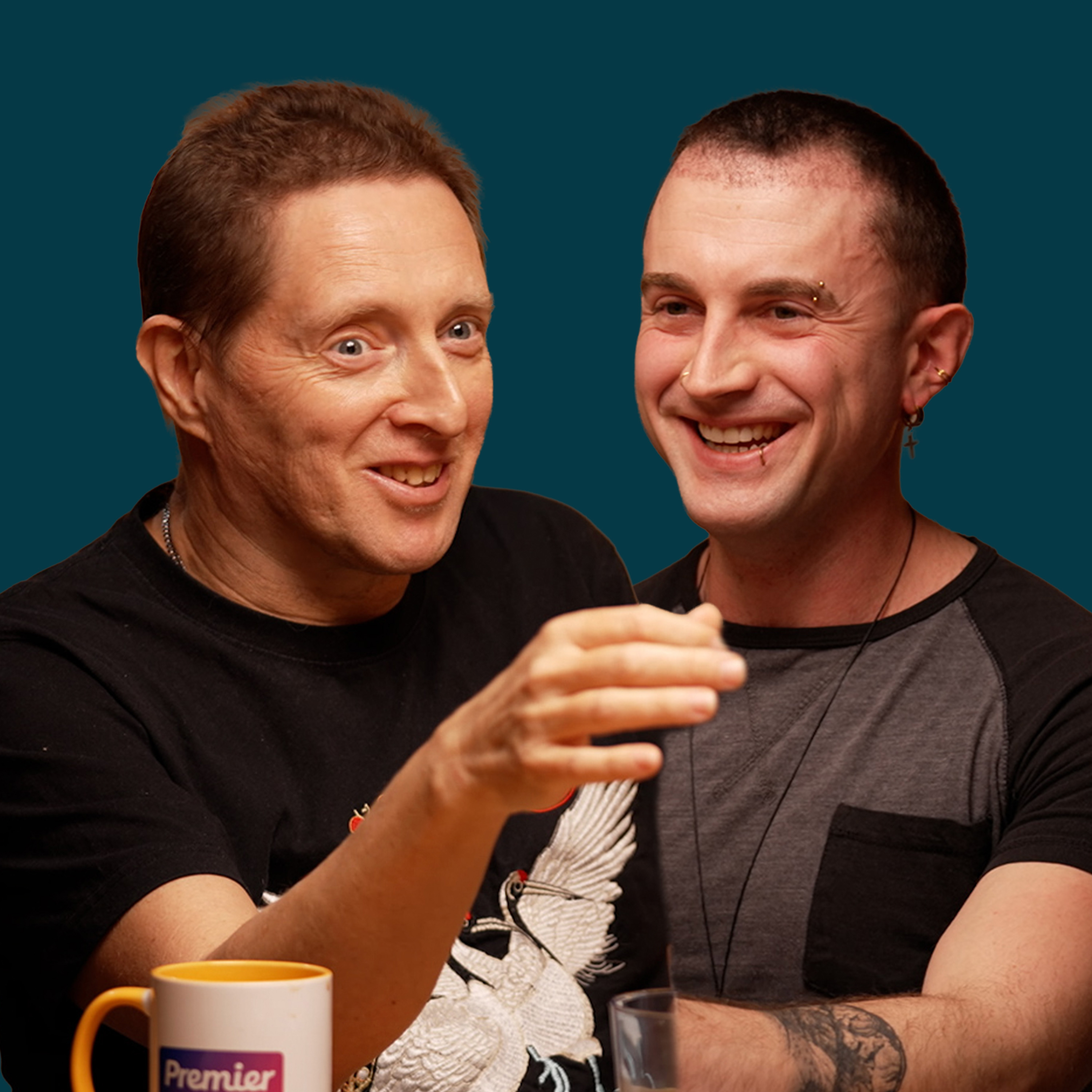
Did the universe have a beginning? If so, does it need a creator? And could the fine-tuning of the cosmos make God more likely, while the history of animal suffering points in the opposite direction? John Nelson hosts an extended Unbelievable? debate with Oxford philosophy researcher Miles K. Donahue, host of The Uncertainty Podcast, and atheist astronomer Phil Halper, co-author of Battle of the Big Bang. Together they examine the limits of cosmology, competing ideas about the universe before the Big Bang, arguments from fine-tuning and the challenge of suffering in the natural world. Can science settle the question of God, or does the evidence leave room for more than one conclusion?
Episode information is provided by the publisher. Listening takes place on the publisher’s service.
The debate over Christian nationalism raises some uncomfortable questions about faith, politics, and the role of government. Al, Zach, John Luke, and Christian examine how Christianity transformed the Roman Empire and why the early church flourished despite intense persecution. The guys also revisit the Garden of Eden, questioning whether Adam's failure to protect Eve was the first sin and what his actions reveal about responsibility and obedience. They consider what history teaches us about the dangers of unchecked power and why Christians must put their allegiance to God's kingdom above any earthly government. In this episode: Genesis 2, verses 15–17; Genesis 3, verses 1–7; Daniel 2; John 1, verses 4–5; Matthew 5, verses 27–30; Matthew 28, verses 18–20; John 11, verses 49–52; Luke 23, verses 6–12; Galatians 3, verse 28; 1 Timothy 2, verses 11–14; Romans 13, verses 1–7 Today’s conversation is about Lesson 6 of Western Heritage: From the Book of Genesis to John Locke taught by various
Does your relationship feel like home, or does it feel like standing on the edge of something you might lose? In Part 3 of our Relationship Anxiety series, clinical hypnotherapist and former paramedic Martin Hewlett guides you through the process of teaching your nervous system that love doesn't have to hurt to be real. We explore the physical manifestations of anxiety—the tight chest, the 2:00 AM racing mind, and the "stomach drop" when a text takes too long—and provide the tools to "turn down the alarm" of your internal survival response. If you are ready to stop "cherry-picking" evidence of disaster and start building a foundation of trust, this session is for you. In This Episode, We Cover: The Science of Safety: Understanding how your nervous system confuses love with danger. Guided Visualization: A journey into your own "safe room" where you are already enough. Rewiring the Brain: Moving from worst-case disaster reels to the reality of small, daily kindnesses. Breaking the Cycle:
Steve sits down with Pastor Colin Samul, creator of the Alien Revelations and Alien Illuminations series on the "Cultish" podcast, to dig into what the UFO phenomenon really is and why the government keeps hinting at disclosure. Samul explains the ontological shock that comes when materialism can’t account for the phenomenon, why insiders now openly talk about summoning nonhuman intelligence, and why the disclosure world bristles at the suggestion that it might be demonic. The two break down the occult symbolism in Spielberg’s "Disclosure Day," the rival camps of UFO whistleblowers, and the so-called Terminator hypothesis that the visitors are time travelers. Steve also presses the question the disclosure crowd can’t answer: If they have been crossing trillions of miles for centuries, where are the pilots? TODAY'S SPONSORS: JASE MEDICAL: https://jasemedical.com/ and enter code “DEACE” at checkout for a discount on your order PATRIOT MOBILE: https://patriotmobile.com/STEVE or call 972-P
This week, Laylla and Chelle have a lovely conversation with Fiona Heckels and Kazz Goodweather, better known as the Seed Sistas, about their book Witches’ Forbidden Herbs and the plants with the most wonderfully wicked reputations. Clinical herbalists, eco-activists, and self-described herbal drama queens, Fi and Kaz have spent more than twenty years bringing plant science, folklore, and magick together. They join us to explore the witching world of belladonna, henbane, and datura, and to ask who decided these herbs were forbidden. Was it the plants, their potency, or the people who knew how to work with them that made everyone so nervous? Naturally, we get into flying ointments, the stories behind a witch’s flight, and the ways plants become part of ritual. Laylla brings her Beyond Flying Ointment workshop into the conversation with talk of cannabis as an entheogen and smokable spells. We also make room for the overlooked, unloved, and decidedly ugly herbs, because apparently every p
In this Lonesome Conversation, Jonathan and I explore his reframe that recovery is really the recovery of agency — and that chasing “false freedom” can leave us more alone, not less. He makes the case that binding yourself into a marriage, a family, something with real constraints is where a surprising depth opens up, and I share my own years of love avoidance that I mistook for freedom until I realized I’d built a prison. A conversation that turns our ideas about freedom and connection upside down. About Jonathan Jonathan Dickinson is the chief executive officer and co-founder of Ambio Life Sciences. One of the world’s leading experts on ibogaine, Jonathan brings over 15 years of experience in clinical care, traditional practice, and psychedelic research to his leadership at Ambio. A Mexico-licensed psychologist and former executive director of the Global Ibogaine Therapy Alliance, he authored the field’s foundational safety guidelines and has published widely on ibogaine’s therapeuti
Why does Allah allow good people to suffer? When hardship enters your life, does it mean Allah is displeased with you, or could your struggles be bringing you closer to Him? Every believer experiences moments of pain, loss, uncertainty, and heartbreak. But in Islam, suffering is not necessarily a sign of Allah's anger, and experiencing sadness does not mean your faith is weak. In this powerful and comforting Islamic lecture, Ustadh Reece explores the deeper wisdom behind life's difficulties, the true meaning of Sabr, and how Muslims can remain connected to Allah ﷻ during their hardest moments. Through lessons from the Qur'an, authentic Hadith, and the lives of the Prophets, this reminder explores: - Why Allah tests those who believe in Him - How hardship can become a means of spiritual growth - What Prophet Muhammad ﷺ taught us about grief and sadness - The patience and beautiful du'a of Prophet Ayyub (AS) - How the story of Prophet Yusuf (AS) reveals Allah's wisdom - Why both blessing
New York Times bestselling author Dr. Martin Shaw joins Luke Martin to share his extraordinary journey from a 101-day forest vigil to Eastern Orthodox Christianity. Drawing on Liturgies of the Wild, he explores why ancient stories matter, what C.S. Lewis and Tolkien understood about faith and imagination, and whether AI threatens our capacity for wonder. A compelling conversation about spiritual hunger, the power of storytelling and rediscovering what makes us human.
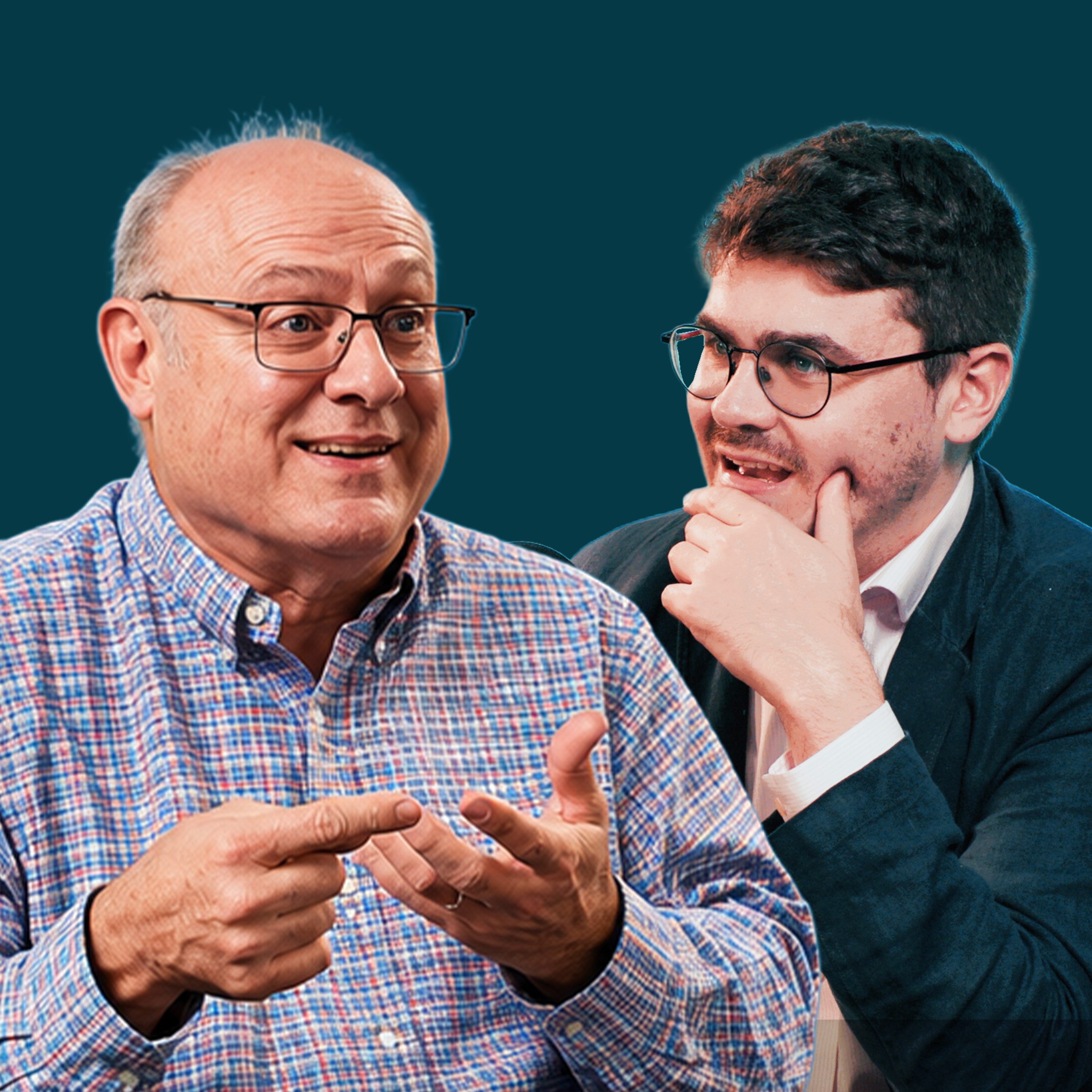
The Hidden Art of Early Christianity: Pompeii, Secret Symbols and Jesus. Did Christians leave evidence of their faith in Pompeii before AD 79? And why does an early image of Jesus appear alongside Egyptian magic? John Nelson speaks to Baylor University scholar Bruce Longenecker about the fascinating archaeological evidence for early Christianity. From mysterious crosses and coded messages to ancient church paintings and Christian graffiti, they explore how the first believers expressed their faith in a world of Roman gods, persecution and competing religious practices. Drawing on his book The Materiality of Early Christ Devotion, Longenecker reveals a much more surprising and diverse picture of early Christianity than we might expect.
Two brothers. One an outspoken atheist. The other a Christian convert. What happens when they debate God? In this Unbelievable? Classic, you will hear an extraordinary 2008 encounter between the late Christopher Hitchens, author of God Is Not Great, and his younger brother Peter Hitchens, who returned to Christianity after years as an atheist. Before an audience of 1,400 in Michigan, the brothers clash over the Iraq War, the existence of God, morality and whether religion makes the world better or worse. A fiery, personal and often entertaining exchange between two formidable thinkers. Want to hear more from Peter Hitchens? In a recent Unbelievable? The Interview, Peter joins Luke Martin to reflect candidly on his late brother Christopher, their complicated relationship, his own journey from atheism to Christianity and his concerns about Britain's future. Watch the full interview: https://www.youtube.com/watch?v=nJ2aowWdT6Q Originally recorded in 2008 by the Hauenstein Center for Presi
Equipment rules should preserve fair competition even when they limit innovation.
Share your view, then see how readers voted. No sign-in required. This poll is shared across stories.
Do you agree or disagree?
Common Quandary
A Common Quandary to discuss
Another conversation to explore, separate from this news story.
Everyone loves the group photo except you. Can you forbid them from posting it?
At a reunion, someone takes a joyful group photo that captures the night perfectly. Everyone looks wonderful except you, caught at an awful angle. The group wants to post it publicly and promises nobody else will care.
How much control should one person have over a memory shared by many?