Listen through the publisher, then discuss the episode here or arrange an in-person Roundtable. Your city determines where to meet.
Roundtables are designed for groups of four, with a shared subject and room for everyone to speak. Come for discussion, with no dating expectation.
Since God is righteous and we are sinful, the thing we need most in this world is the cross. Today, R.C. Sproul expresses why we can have no hope apart from the atoning work of Christ. Download R.C. Sproul's ebook Saved from What?, plus his 10-message teaching series The Atonement of Jesus, with your donation: https://gift.renewingyourmind.org/ Meet Today's Teacher: R.C. Explore all of our podcasts: https://www.ligonier.org/podcasts
Episode information is provided by the publisher. Listening takes place on the publisher’s service.
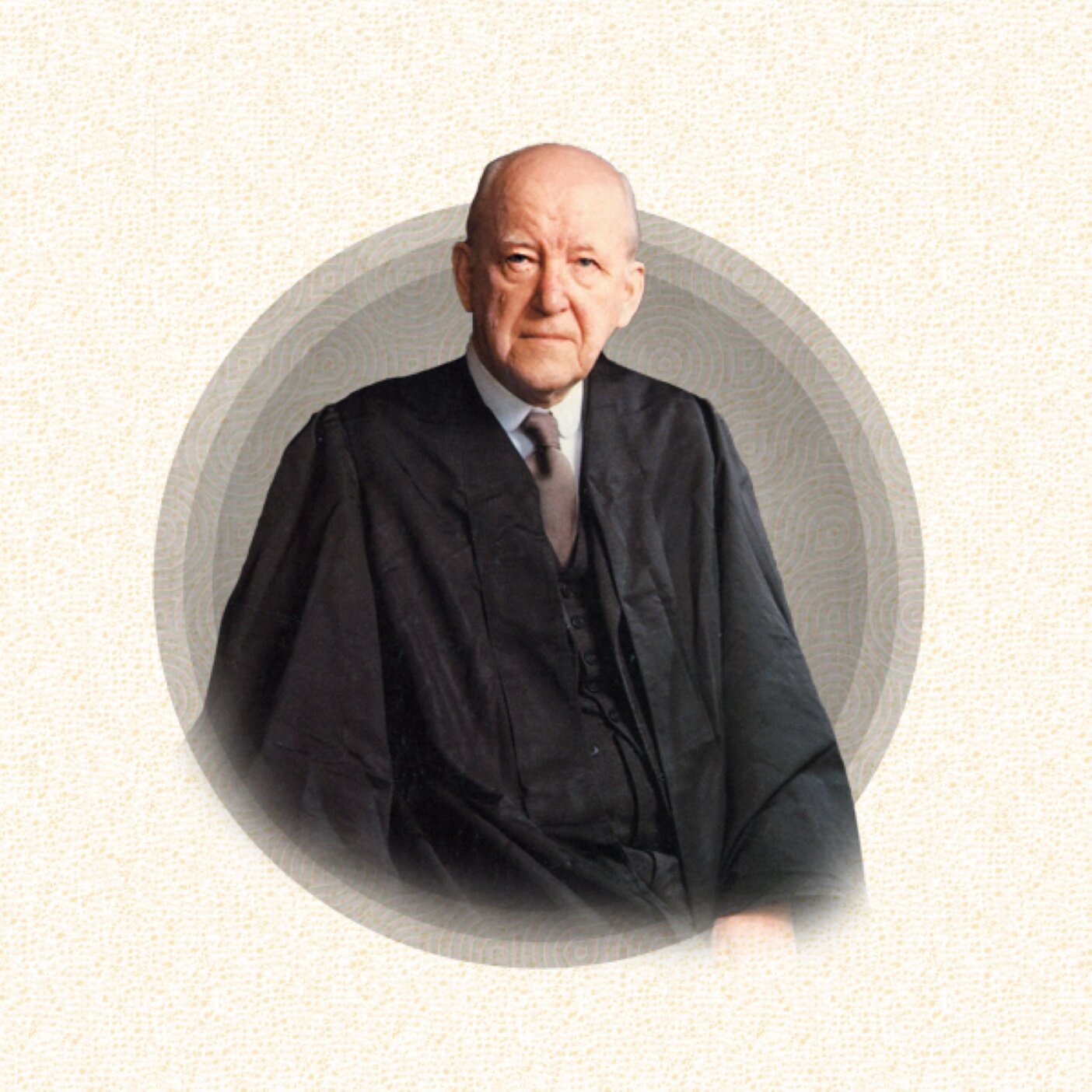
Christians often talk about the atoning death of Christ when in conversation about spiritual things. It is often mentioned regarding its relation to salvation. However, is it possible that it could mean even more? What is the impact it is supposed to have on the rest of one’s life? In this sermon on Ephesians 5:2 titled “The Atoning Work of Christ,” Dr. Martyn Lloyd-Jones instructs on how this verse and Christ’s atonement apply to the lives of believers even after they are saved. The Scriptures are never satisfied with a mere general statement about the love of God— as this verse demonstrates, God’s love is specifically written about in the Bible because the specific acts of God demonstrate His love. A person’s conduct is determined by their doctrine. Dr. Lloyd-Jones reminds that “as a man thinks, so is he.” Thus, one’s view of the doctrine of Christ’s atonement will have consequences for the Christian walk. In Christ’s atonement, one gains a clear example of the love of God. Dr. Lloyd
Life is too short to waste on things that don't last. In this powerful message, Dr. Michael Youssef challenges believers to stop living without purpose and start living fully for Jesus Christ. Drawing from 1 Peter 4, Dr. Youssef points to Jesus, who remained focused on the Father's will even as He faced the Cross. His example shows us what it means to live with spiritual purpose, resist temptation, and remain faithful when life gets difficult. A transformed identity in Christ changes your priorities. Instead of chasing comfort, approval, or worldly success, God calls you to live for what matters eternally. This episode challenges you to: Discover your purpose through Jesus Christ, Stop wasting time on temporary pursuits, Resist sin and pursue Biblical holiness, Follow Christ's example of unwavering obedience, Repent of distractions and misplaced priorities, Pray for the Church and those who don't know Christ. You were created for more than just getting through life. When Christ becomes
Why doesn’t knowing what Jesus taught always change how we live? In Episode 32 of Become New, John Ortberg talks with theologian and pastor Keith Matthews, who worked with Dallas Willard as his teaching assistant for 19 years, about what it means to learn as an apprentice of Jesus. Keith explains his Transformational Learning Cycle: hear the teaching, put it into practice, and talk with someone about what happened. From learning plumbing in high school to watching how Jesus talked with his disciples after they tried something, Keith shows why that last step matters and how to ask a trusted friend for feedback today. New episodes every weekday. One day at a time. TEXT us at 51504 EMAIL US at [email protected] GET A TEXT REMINDER FOR NEW VIDEOS: text NEW to 51504 DOWNLOAD FREE STUDY GUIDES: BecomeNew.com/study-guides Music Credits: Welcome to the World by Sarah Watson License# MB01XUUTGU633PL 0:00 Keith Matthews and why teaching should change us 1:14 What we learn by watching Jesus 2
We take a pilgrimage walk into Jerusalem that ends with a centuries-old tattoo stamp and a sudden realization on the Mount of Olives. From Mark 13, we focus on Jesus’ clear warnings about deception and persecution and ask whether we’re ready to endure when faith in Christ costs us something. • Pilgrimage through Israel and arrival in the Old City of Jerusalem • Visit to Razouk, the oldest tattoo parlor in the world, and why Christians mark pilgrimage • Meaning of the Jerusalem cross, Trinity crowns, branch, and the Sword of the Spirit • Setting and purpose of the Olivet Discourse as a private warning to the apostles • Reading Mark 13 on false messiahs, wars, earthquakes, famine, and betrayal • Two urgent themes to prepare for: deception that undermines faith and persecution that tests it • A direct challenge to men to prepare their families and churches for rising pressure Want to connect? Email [email protected]
Do you ever secretly question this whole thing? Deep down is there still a part of you that struggles to comprehend that the Creator of the universe came in human form, died on a cross so that his blood could cover your sins and there’s an unseen paradise awaiting you after this life that will never end. You believe, but you have questions. Yeah, me too. While leading a homeless man to Jesus at the park in downtown Corpus Christi this past weekend, I caught myself thinking “this could sound a little crazy”. You see there’s this man named Jesus who was God’s only son, yet still fully God at the same time – Well he was killed on a cross, and his blood is your ticket to heaven. Hmmmm … I believe that but I’ve still got questions. How about you? When I struggle with questions, I immediately move to a place of fear and shame. Will I be punished when I question? Is my reasonable doubt at times a dismissal of my faith? How does Jesus feel about our human mind and the gaps in our faith sometim
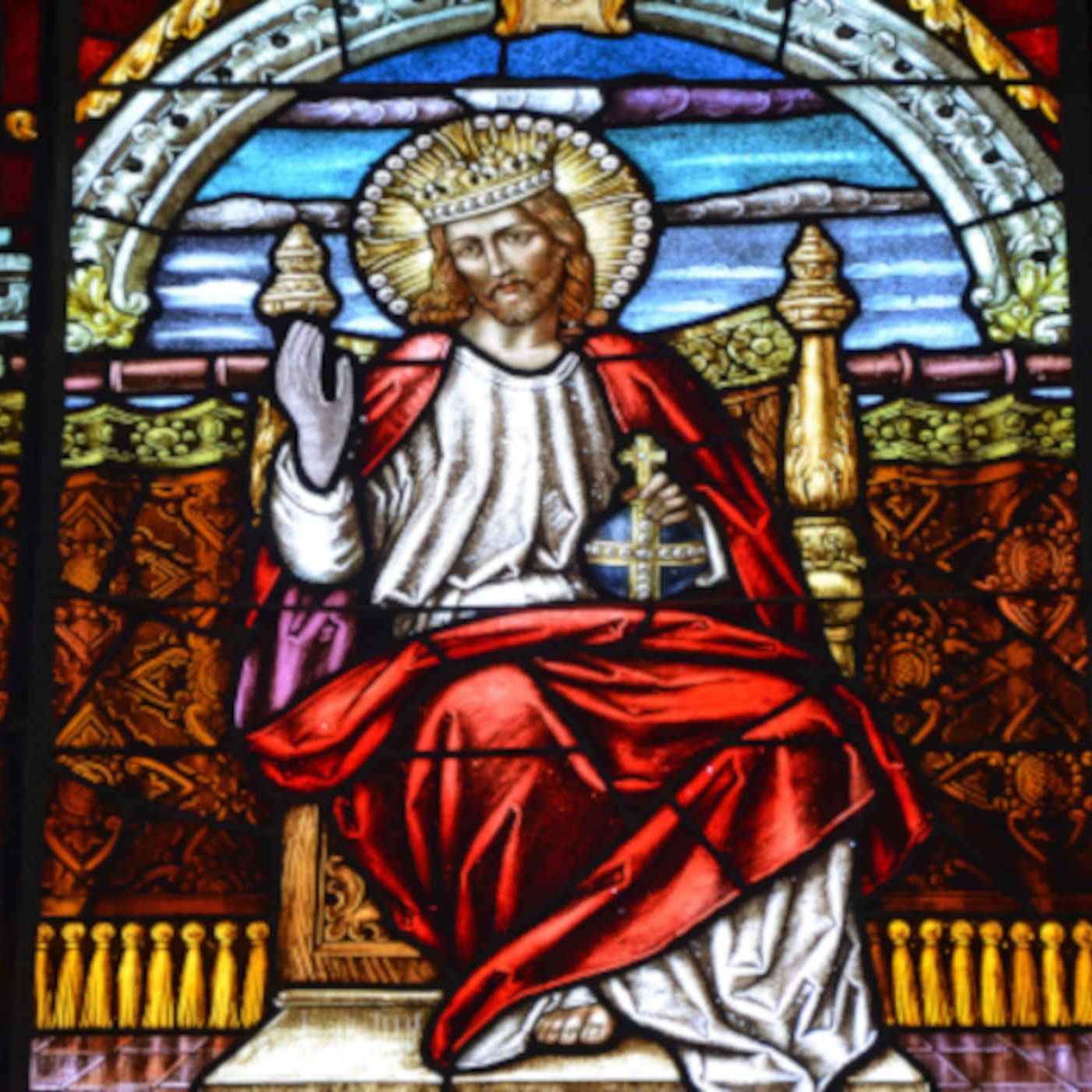
Read Online (https://catholic-daily-reflections.com/2026/11/21/christ-the-universal-king/) Christ the Universal King “Then he will say to those on his left, ‘Depart from me, you accursed, into the eternal fire prepared for the devil and his angels. For I was hungry and you gave me no food, I was thirsty and you gave me no drink, a stranger and you gave me no welcome, naked and you gave me no clothing, ill and in prison, and you did not care for me.’” Matthew 25:41–43 On June 11, 1899, Pope Leo XIII solemnly consecrated the entire human race to the Sacred Heart of Jesus, a moment he regarded as the “great act” of his pontificate. This consecration was rooted in the sacred truth that, “[Christ’s] empire includes not only Catholic nations, not only baptized persons… but also all those who are outside the Christian faith; so that truly the whole of mankind is subject to the power of Jesus Christ” (Annum Sacrum, 3). This prophetic act of entrustment was followed by decades of growing unrest
When Jesus touched a mute man, the tongue that once failed to speak was set free to declare the glory of God. In this sermon from the gospel of Mark, today R.C. Sproul shows how this miracle points to an even greater reality in the life of every Christian. Receive R.C. Sproul's ebook commentary on the gospel of Mark with your donation: https://gift.renewingyourmind.org/
How should Christians think about the visual arts—like paintings or illustrations? Today, R.C. Sproul seeks to cultivate a theology of art by examining the role of artistic expression in Scripture and church history. Download R.C. Sproul's video teaching series Recovering the Beauty of the Arts, plus the digital study guide, with your donation: https://gift.renewingyourmind.org/
Just days after he denied Jesus, Peter stood in the empty tomb of his risen Lord. Today, Derek Thomas explains how Christ's resurrection renewed Peter's hope and assures every believer that our sins are forgiven. Download Derek Thomas' 19-message video teaching series The Life of Peter, plus the digital study guide, with your donation: https://gift.renewingyourmind.org/ Meet Today's Teacher: Derek Thomas is a Ligonier Ministries teaching fellow and Chancellor's Professor of Systematic and Pastoral Theology at Reformed Theological Seminary. Explore all of our podcasts: https://www.ligonier.org/podcasts
Acting on preliminary research can be justified when the risks of waiting are high.
Share your view, then see how readers voted. No sign-in required. This poll is shared across stories.
Do you agree or disagree?
Common Quandary
A Common Quandary to discuss
Another conversation to explore, separate from this news story.
A private joke from years ago goes public. How long should it follow the person who wrote it?
Someone shares a screenshot of a tasteless joke made years ago in a private friends' chat. The person who wrote it says they were performing for a small audience, have changed, and never agreed to have the message made public.
How private should speech remain when it reveals something troubling?