Listen through the publisher, then discuss the episode here or arrange an in-person Roundtable. Your city determines where to meet.
Roundtables are designed for groups of four, with a shared subject and room for everyone to speak. Come for discussion, with no dating expectation.
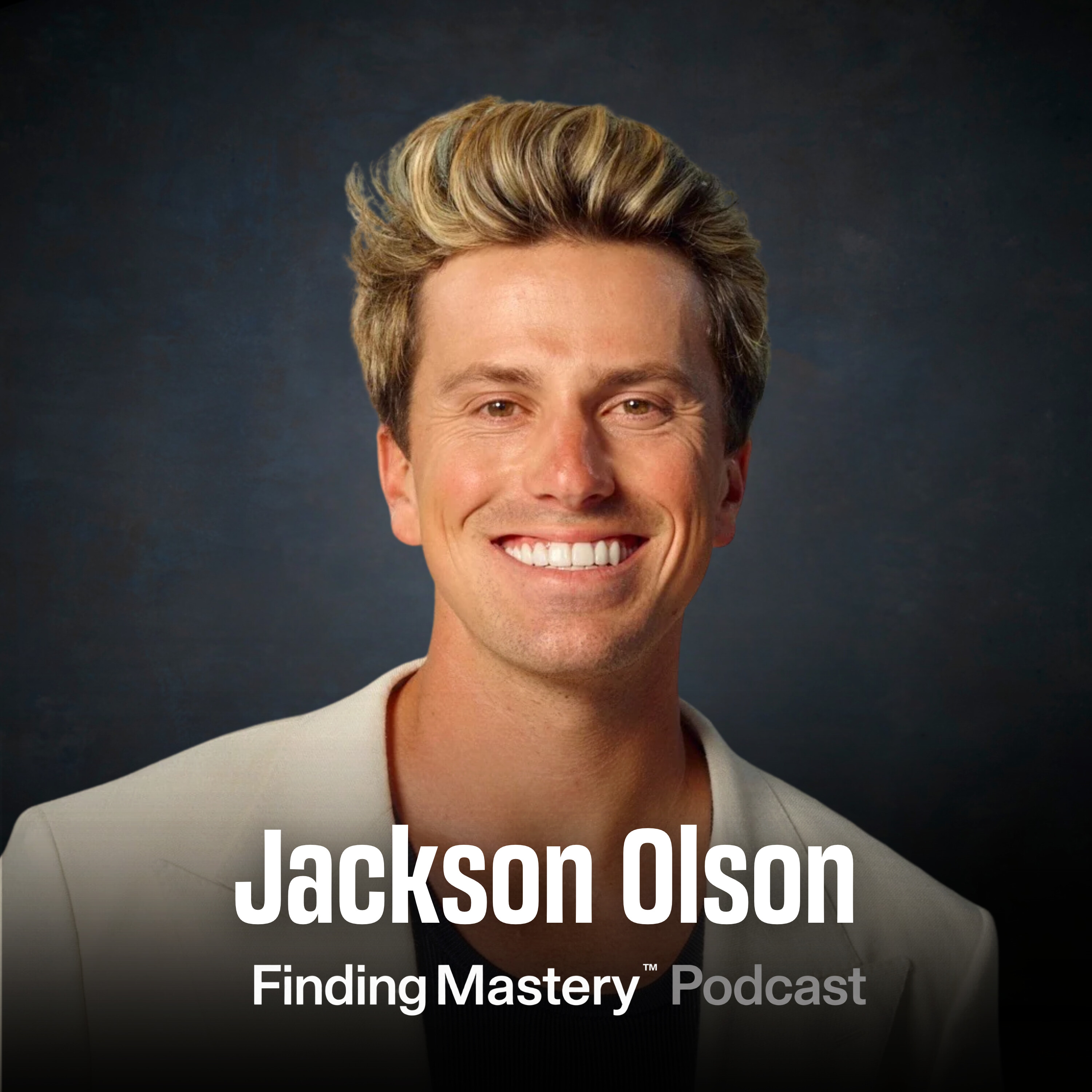
Jackson Olson was playing second base for the Savannah Bananas when his vision started to go and his heart began racing. He found himself picking up dirt and rubbing it on his face to make sure his hands were his own. He made two errors in a row on balls hit right at him, the kind he rarely misses. Then he sat in the locker room with his head in his hands for 30 minutes while his teammates walked in and out desperately trying to figure out what had happened. As a second baseman for the famed Savannah Bananas and a contestant on season 35 of Dancing with the Stars, Jackson has millions of people watching him do what he loves. From the outside, it looked like he was on top of the world. But behind the scenes, he was struggling. Jackson was embarrassed by his panic attacks. He felt a responsibility to keep being the person everyone believed him to be, including the teammates who looked to him as someone who had it all figured out. He describes it as living a double life. The turning point came when he stopped hiding, asked for help, and began focusing on the things within his control. In this week's conversation, Jackson and Mike explore the four panic attacks he experienced over a three-week stretch, the games he missed, the performance-based identity underlying his struggles, and the practices he's developed to better manage his anxiety, including a breathing exercise he used on his way to record this very episode. It's a remarkably open conversation about the pressures of performing, the courage it takes to ask for help, and learning to separate who we are from what we do. Enjoy the conversation. ___________________________________________ Links & Resources: Jackson Olson on Instagram: @jacksonolson_ (https://www.instagram.com/jacksonolson_/) Jackson Olson on TikTok: @jacksonolson_ (https://www.tiktok.com/@jacksonolson_) Jackson Olson with the Savannah Bananas: bananaball.com/savannah-bananas/roster (https://bananaball.com/savannah-bananas/roster/) Dancing with the Stars: Season 35 on ABC, partnered with Emma Slater Also mentioned: Dear Parent: Sport Isn't Easy. Here's How to Have Our Back, by Grayson Gervais: http://www.dearparentbook.com (http://www.dearparentbook.com/) Get exclusive discounts and support our amazing sponsors including Momentous (https://www.livemomentous.com/pages/findingmastery), Magic Mind (https://magicmind.com/), and Mayo Clinic's On Human Optimization (https://ce.mayo.edu/content/mayo-clinic-human-optimization) Go to: https://findingmastery.com/sponsors/ Download Dr.
Episode information is provided by the publisher. Listening takes place on the publisher’s service.
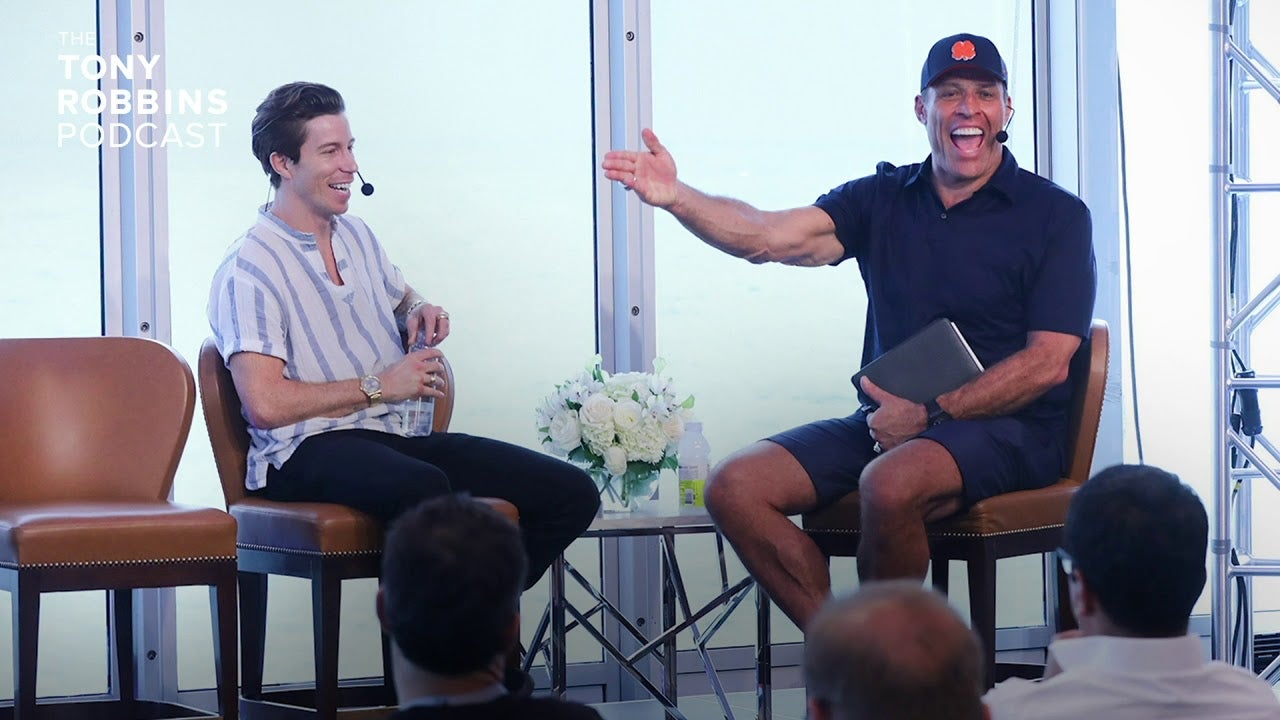
Tony Robbins uncovers the art – and science – of the comeback in this interview with snowboard legend Shaun White. As a three-time Olympic gold medalist and world record holder, Shaun knows a thing or two about success. He turned snowboard pro at 13 and skateboard pro at 16. He has the most wins of anybody in the history of the extreme sports event the X Games. Uploaded 29-06-20 His phenomenal wins didn’t come without a fight. How can you take those hits and come back? The answer lies in a deep sense of self-belief. Shaun started life with asthma and a heart defect that required surgery, but his parents never put boundaries on what he could accomplish. He says, “From the get go I believed I could do it. I saw the pros and I knew I could get to that point.” You too can create this deep belief in yourself using the tips at https://www.tonyrobbins.com/building-confidence/how-to-believe-in-yourself. Shaun also used his failures as fuel. Instead of being defeated, losing drove his desire to
What if your child already loves learning... and you’re just looking for it in the wrong place? This week, I’m exploring one of the questions I get asked more than almost any other: “My child used to be so curious. What happened?” In today’s episode, I challenge one of the biggest myths in modern parenting: that a love of learning looks like a child happily reading, sitting at a desk, completing homework without complaint, and engaging enthusiastically with educational activities. I explain what the research actually tells us and walk you through the psychology of curiosity, the science of intrinsic motivation, why children become obsessed with Minecraft, dinosaurs, trains, or random facts, and why those interests may be far more important than they appear. I also unpack why children seem to have a built‑in radar for anything that feels educational, why homework battles happen so often, and what the evidence really says about homework in the primary years. If you've ever worried that y
#JimRohn, #Motivation, #MotivationalSpeech, #SuccessMindset, What if your entire life could start changing with just a few powerful daily habits? What if success, confidence, discipline, and peace were hiding inside the small things you do every single day? Uploaded 20-05-26 In this powerful 35-minute motivational speech inspired by Jim Rohn’s timeless wisdom, you will discover the 10 life-changing habits that can completely transform your mindset, future, discipline, confidence, success, and personal growth. If you feel stuck, lost, unmotivated, lazy, confused, or tired of watching life pass you by… this speech is for you. This isn’t just motivation. This is a wake-up call. A deep lesson about discipline, consistency, regret, self-belief, mindset, personal responsibility, daily habits, success psychology, emotional growth, and becoming the person you were born to become. You’ll learn why: Small daily habits change everything Discipline matters more than motivation Your future depends
Jason is a medically retired Army veteran from Southern Illinois. After years of dealing with injuries and health challenges—including TBI, PTSD, depression, and chronic knee, back, hip, and shoulder problems—he developed a severe food addiction, gained significant weight, and was taking multiple medications. In 2018, after encouragement from a close friend and psychologist, Jason began a ketogenic diet. He ultimately lost about 80 pounds and was able to discontinue his anxiety and depression medications. In 2023, still struggling with food addiction, cravings, inconsistent energy, allergies, and inflammation, Jason transitioned to a carnivore diet. Since then, he has experienced significant improvements in each of those areas. His experience sparked a deep interest in carnivore nutrition, metabolic health, strength, longevity, and understanding how diet and lifestyle influence physical and mental performance. Today, Jason focuses on continually improving his health, strength, resilien
In this episode, you’ll learn the secret to a better, happier life: connecting with the people around you. When I met my husband Chris, I was at a bar ordering a bourbon on the rocks to go. In a plastic cup (very classy, I know). Then I heard a voice behind me say, “That sounds great. Make it two.” I turned around. And here we are, celebrating 30 years of marriage. That one moment led to three children and decades of memories. All because a stranger decided to say something. I’ve been thinking about this ever since I sat down with Dr. Nicholas Epley for today’s episode of The Mel Robbins Podcast. He’s a psychologist and behavioral scientist at the University of Chicago who has spent years studying how we connect with other people, why we so often get it wrong, and what we miss out on when we don't say something in these moments: friends, lovers, colleagues, and magic. His research has found that happiness isn't just about the occasional big moment in life. It's about all the little goo
Master the skills that change lives — enroll in your free human behavior course today: https://nci.university/learn Uploaded 09-01-26 You were never reacting to chaos — you were responding to structure. Outcomes don’t appear suddenly; they’re assembled long before you notice them. Understanding how pressure is built changes how the world feels immediately. All influence follows patterns once you know where to look. Reality doesn’t break — it gets reshaped in layers. Every system depends on predictable human responses. Given the right conditions, behavior becomes almost automatic. Once you see the architecture, panic loses its leverage. Detection beats reaction — every time. Please note that the content provided in this broadcast is for informational and educational purposes only and should not be construed as legal, medical, financial, or professional advice. No material in this communication establishes any form of professional relationship that is privileged or confidential. The insi
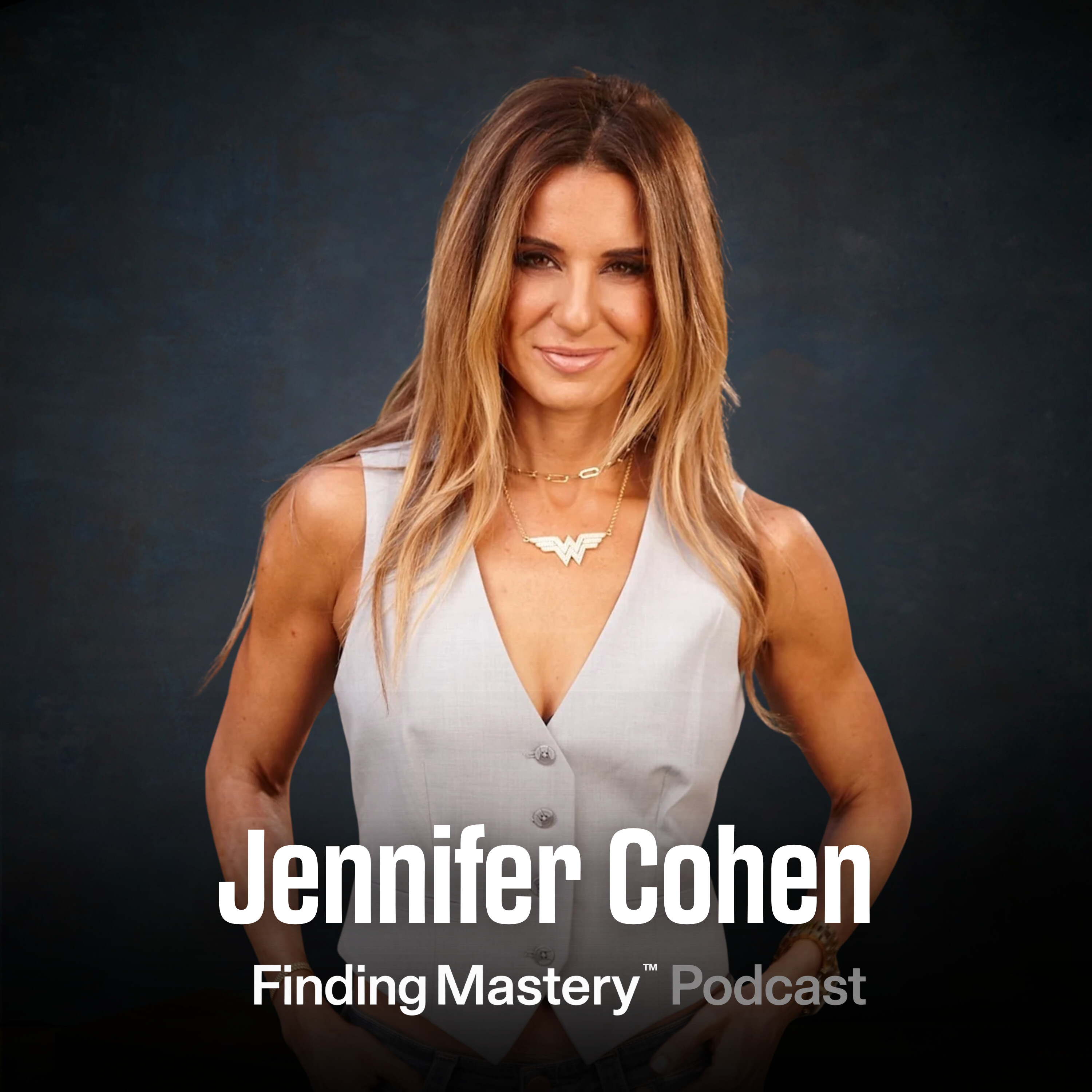
Jennifer Cohen was 17, standing outside a Winnipeg theater in minus 40 cold, waiting for Keanu Reeves to come out the back door. She had no pen and no plan. A girl in the crowd handed her a lip liner, she found a gum wrapper in her pocket and wrote her phone number on it. She didn't want an autograph. She wanted help making a demo tape. Five days later, her mother told her to check the answering machine... Jennifer Cohen is an entrepreneur and brand strategist, host of the podcast Habits & Hustle, and author of Bigger, Better, Bolder. Her TEDx talk on getting what you want has been viewed more than six million times. Jennifer and Mike get into why she calls mediocrity a superpower, the ten-attempt practice she recommends for pursuing what you want, and why she sees likability as a precursor to boldness. She is direct about the choice she made at 17: risk rejection or regret not trying. This conversation is for anyone who has been taking what is offered instead of asking for what they w
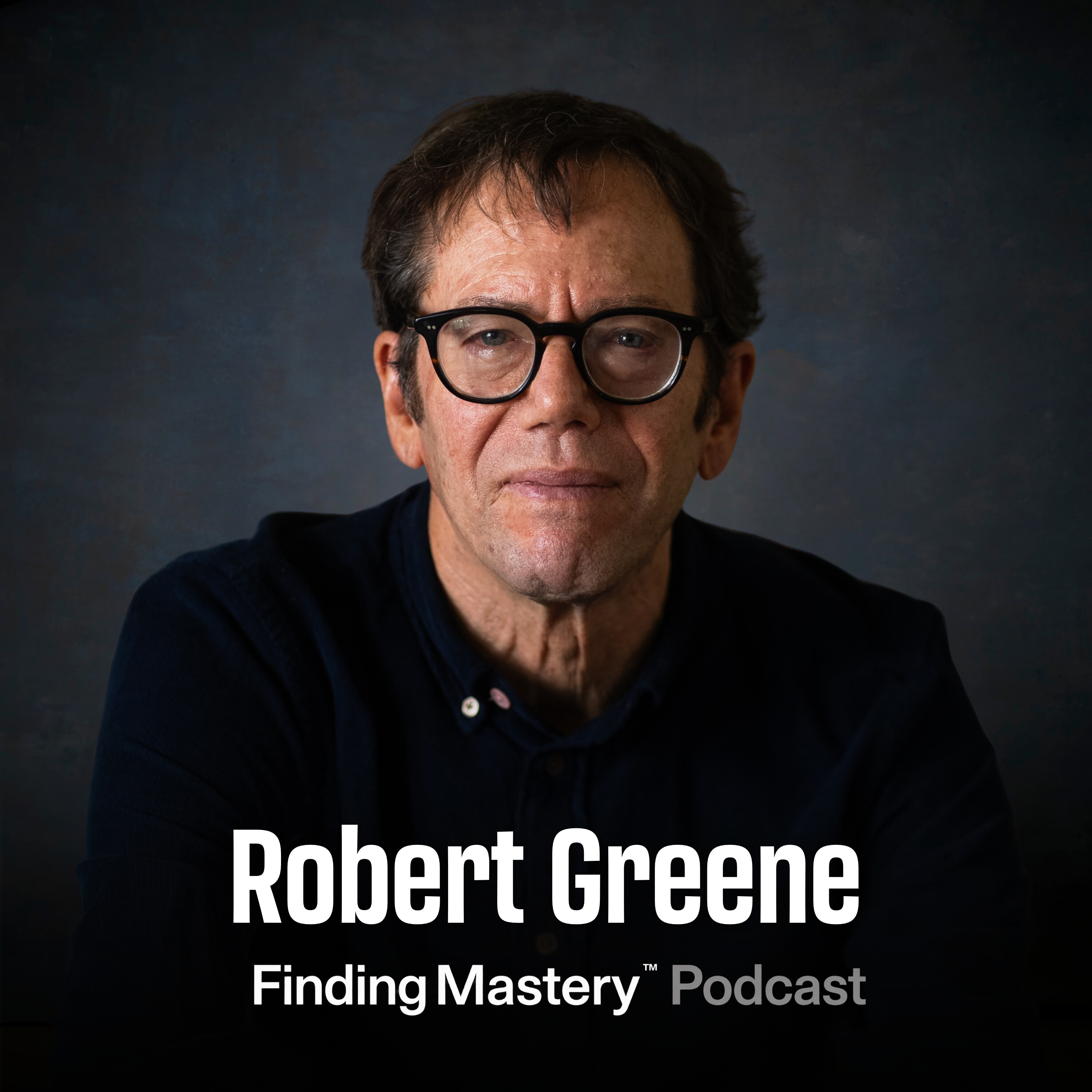
When Robert Greene woke from his stroke, he looked out the hospital window and everything had an intensity he had never experienced before. The sky seemed to glow. The leaves and the crows outside his window seemed newly alive. The word he uses is “incandescence.” He took the experience as a signal that it was time to write the book he had been thinking about for twenty years. Robert Greene is the bestselling author of The Laws of Human Nature, Mastery, and The 48 Laws of Power. His new book, The Law of the Sublime, took seven years to write. Because he could no longer type, he drafted it by hand across more than a hundred notebooks. Robert and Mike explore what the sublime is, the twelve doorways Greene describes, and how ego and self-absorption can narrow our experience of the world. What Robert wants is for you to look at the world the way he had to learn to look at it. We are only alive once, as he puts it, and most of us are not really seeing it. Enjoy the conversation. __________
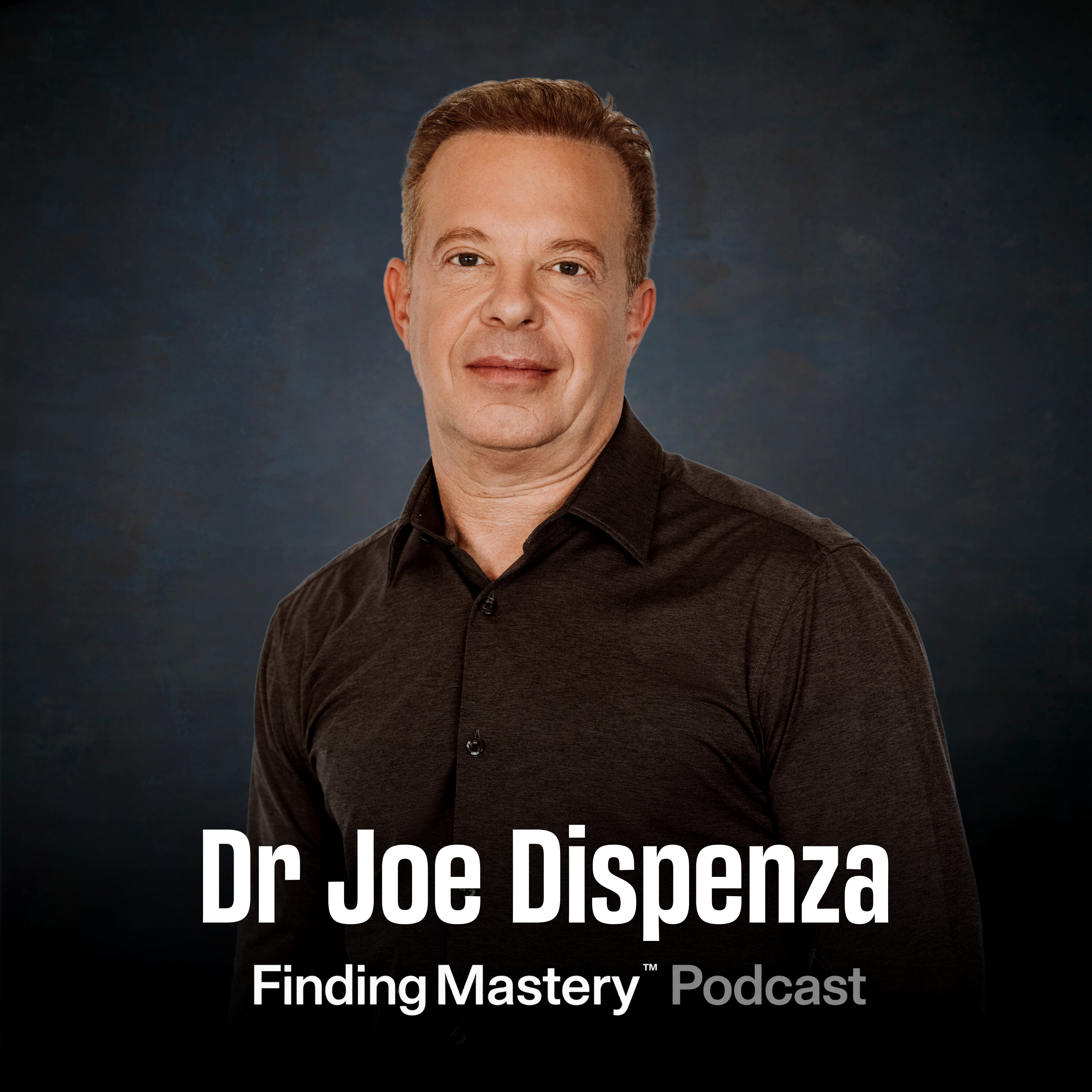
Why is change so hard, and what actually makes it possible? Dr Joe Dispenza returns to Finding Mastery to talk with Dr Michael Gervais about change, health, and the patterns that shape our lives. Dr Joe is an author, lecturer, and researcher whose work on meditation and the mind-body connection draws people from around the world to his weeklong events. He says many of us run on familiar thoughts and reactions, often without noticing them. He describes health changes he has observed among participants at his events, and explains how he interprets the data. Joe and Mike discuss the prefrontal cortex and its role in setting a clear intention, why the present moment is where we encounter the unknown, and what can shift when attention moves from a narrow focus to a wider one. Joe’s definition of mastery is knowing that you know. With it, he says, comes a kind of quiet grace. Enjoy the conversation. __________________________________________ Links & Resources Join Dr Joe for a life-changing
Sporting success should include character and contribution, not only winning.
Share your view, then see how readers voted. No sign-in required. This poll is shared across stories.
Do you agree or disagree?
Common Quandary
A Common Quandary to discuss
Another conversation to explore, separate from this news story.
You find a rare library book your father kept for forty years. Do you return it anonymously?
While clearing your father's attic, you find a rare book stamped by the local library and due in 1986. The library would be thrilled to recover it, but returning it openly would expose a secret he apparently kept for decades—and might produce a spectacular overdue fine.
Does making an old wrong right require admitting who did it?