Listen through the publisher, then discuss the episode here or arrange an in-person Roundtable. Your city determines where to meet.
Roundtables are designed for groups of four, with a shared subject and room for everyone to speak. Come for discussion, with no dating expectation.
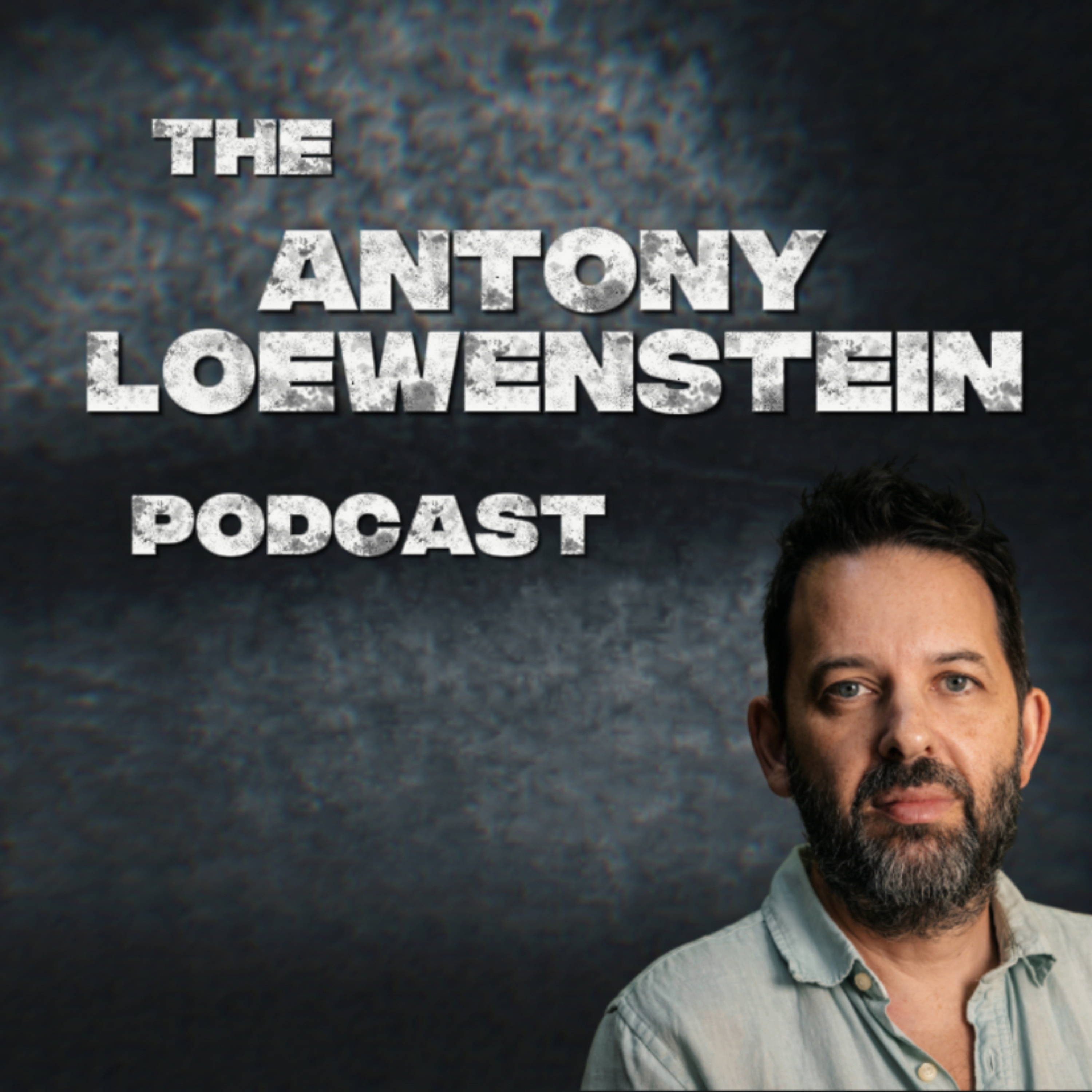
In this episode, Antony Loewenstein reflects on more than two decades in journalism, exploring why the media so often fails, how power shapes reporting, and why public trust in the press has collapsed. Drawing on examples from the Iraq War, Fox News, the Murdoch press, Gaza, and his own reporting career, he examines the dangers of insider journalism and the consequences of uncritically amplifying official narratives. Despite his deep criticisms of the mainstream media, Loewenstein argues that investigative journalism remains essential, and explains why rigorous reporting still matters in an age of growing distrust and political polarization. Buy merch: https://antonyloewenstein.bandtshirts.com.au/ Produced by Lena Helou and Lem Zakharia.
Episode information is provided by the publisher. Listening takes place on the publisher’s service.
Journalist Simon Moya-Smith and Indigenous studies professor Julie Francella join John Fugelsang for a wide-ranging conversation on Indigenous rights, environmental protections, media representation, and the cost of speaking out. They explain how the proposed American Affordability and Jobs Act could weaken environmental reviews, tribal consultation, and protections for sacred sites—and why pipelines, data centers, and other development projects can bring serious risks to Indigenous communities, including threats to water, land, and safety. They also examine racist stereotypes in political and media coverage, from a cartoon targeting Deb Haaland to a U.S. attorney’s letter mocking Senator Elizabeth Warren with harmful tropes. Simon and Julie discuss why these depictions persist, how underrepresentation in newsrooms contributes to the problem, and why precise language and Indigenous voices matter. Along the way, callers share perspectives on community activism, Native traditions, and th
Michael Knowles is about to get a CRASH COURSE in Grand Theft Auto 6 from two REAL tough guys! In this hilarious new video, Michael sits down with two self-proclaimed gangsters who teach him the ins and outs of GTA 6, from surviving the streets to mastering the criminal underworld. Can Michael keep up with these two tough guys, or is he about to discover he's NOT cut out for a life of crime? Watch as Michael gets schooled in GTA 6, and let us know if he has what it takes to survive! - - - Today's Sponsor: Helix Sleep - Take Helix’s two-minute sleep quiz to find the right mattress from more than 20 models, then try it at home with free U.S. shipping and a full 365-night sleep trial. - - - DailyWire: Watch Daily Wire's new movie "Confession" only at: https://www.dailywire.com/videos/confession Don’t dress like a squish. Shop my merch here: https://dwplus.shop/MichaelKnowlesMerch - - - Socials: YouTube — https://youtube.com/@MichaelKnowles Facebook — https://www.facebook.com/michaelknowle
Hey everybody, Tom Bilyeu here. On today’s episode of Impact Theory, we’re taking on a topic that’s got the whole world holding its breath: the escalating crisis between the United States and Iran. As tensions ratchet up, we’re asking the tough questions—how did we get stuck in this “escalation trap,” and what does it mean for America’s global leverage, our economy, and our very sense of security? The conversation focused on why the traditional idea of “strategy” might be failing policymakers, using powerful analogies—like chess versus roulette—to show how doubling down in conflict can spiral out of control. We’ll break down the risks of tactical “wins” that create even bigger crises, the real leverage Iran holds with control of the Strait of Hormuz, and the mounting pressure on President Trump as political support erodes and legacy hangs in the balance. A key theme that emerged is what happens when military might runs into decentralized opposition, and why high-stakes gambles—like the
AI is making it easier to write, prepare, and polish what we say, but it may also be changing the way we communicate. Stanford communication expert Matt Abrahams explains why sounding human could become even more important in the age of AI, how to use these tools without outsourcing your own thinking, and why being a little less polished may actually be a good thing. Plus, with Thanksgiving around the corner, how to handle those real-life, in-the-moment conversations when AI can't step in for you. Learn more about our guest(s): https://www.theNewsWorthy.com/shownotes (https://www.thenewsworthy.com/shownotes) Join us again for our 15-minute daily news roundups every Mon-Fri! Become an INSIDER and get ad-free episodes here: https://www.theNewsWorthy.com/insider (https://www.thenewsworthy.com/insider) Get The NewsWorthy MERCH here: https://www.theNewsWorthy.com/merch (https://www.thenewsworthy.com/merch) Upgrade your sleep now with Boll & Branch during their best sale of the year. Stop pi
Newsround Part 1. Lewis Aspinall returns with another edition of Newsround on Anfield Index, discussing Virgil van Dijk's uncertain Liverpool future, positive developments in Trey Nyoni's contract talks and Ronald Araújo's potential permanent move to Anfield. With Virgil van Dijk approaching the end of his current Liverpool contract, Lewis admits he is becoming increasingly concerned that the Reds could lose their captain this summer. Despite Van Dijk insisting he still has several years of top-level football ahead of him, Liverpool face a difficult decision over the defender's age, wages and the development of their younger centre-backs. Lewis examines Van Dijk's performances and underlying statistics, explaining why the Dutchman remains one of the Premier League's outstanding defenders and why his leadership could be invaluable to Jeremy Jacquet, Giovanni Leoni and Ifeanyi Ndukwe. Could Liverpool offer Van Dijk another two-year contract, or will the club's long-term planning lead to
For review: 1. Iraq has reached a compromise with the powerful Iran-backed militia Kataeb Hezbollah, three senior security officials said, after Prime Minister Ali al-Zaidi readied security forces to move against the group. Reflecting the gravity of the situation, Iraqi Shiite political sources said Esmail Qaani, commander of Iran’s elite Revolutionary Guards’ Quds Force, arrived in Baghdad late on Monday to help defuse tensions with Kataeb Hezbollah, Tehran’s most powerful militia ally in Iraq. 2. Lebanese President Joseph Aoun launched a lengthy rebuke of Iran in an Independence Day address, arguing that the Islamic Republic does not have the right to interfere in Lebanon’s internal affairs, as it long has via support for its local terror proxy, Hezbollah. 3. Yemen’s Houthis launched strikes on the Saudi capital Riyadh on Saturday, after vowing reprisals for a “special operation” by the Saudi-led coalition fighting them. The coalition later said it had “intercepted and destroyed” thr
Antony Loewenstein speaks with acclaimed artist, writer and bestselling author Molly Crabapple about her new book Here Where We Live Is Our Country, the history of the Jewish Bund, and the enduring debates around Zionism, Jewish identity and resistance. Drawing on years of research, Crabapple reflects on anti-fascist movements, the genocide in Gaza, media censorship, and the political legacy of Jewish anti-Zionist traditions. The conversation also explores the future of Jewish politics in the United States, the growing divide over Israel, and the threat posed by AI companies to artists, writers and creative workers. A wide-ranging discussion on history, power, culture and the fight for a more just future. Buy merch: https://antonyloewenstein.bandtshirts.com.au/ Produced by Lena Helou and Lem Zakharia.
As AI transforms politics, media, warfare and culture, journalist, author and filmmaker Antony Loewenstein examines the conversations that are too often missing from the mainstream debate. From questions around AI consciousness and creativity to the mass scraping of books, art and human knowledge by tech companies, he argues that the public is being asked to embrace a technology whose consequences remain largely unexamined. Loewenstein also explores the growing role of AI in warfare, surveillance and political power, asking who truly benefits from the AI revolution. Drawing connections between Silicon Valley billionaires, autonomous weapons, data centres, media boosterism and growing public distrust, he challenges the idea that AI's future is inevitable. Instead, he asks a more fundamental question: will AI serve humanity, or simply concentrate more power in the hands of the already powerful? Buy merch: https://antonyloewenstein.bandtshirts.com.au/ Produced by Lena Helou and Lem Zakhar
In this special episode after the US mid-terms, Antony Loewenstein examines the Democratic wave, the collapse of support for the Trump administration, and why issues such as affordability, the war in Iran and America's relationship with Israel played a major role in shaping the result. Loewenstein explores what the election means for the future of US foreign policy, the growing debate over support for Israel, and the far-right backlash to an increasingly diverse American political landscape. Is this the beginning of a genuine political realignment, or will the establishment resist the demand for change? Buy merch: https://antonyloewenstein.bandtshirts.com.au/ Produced by Lena Helou and Lem Zakharia.
New community initiatives should have a realistic long-term support plan before launching.
Share your view, then see how readers voted. No sign-in required. This poll is shared across stories.
Do you agree or disagree?
Common Quandary
A Common Quandary to discuss
Another conversation to explore, separate from this news story.
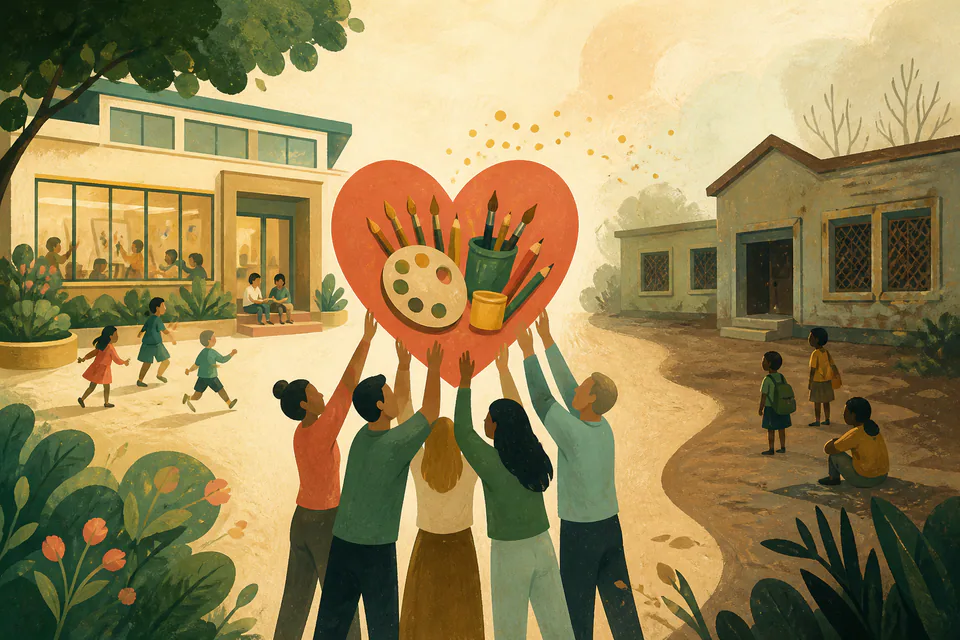
Rich parents want to buy their public-school class an art teacher. Should the school say no?
Parents at a well-resourced public school raise enough money for art teachers and smaller classes. Nearby schools cannot raise comparable amounts, widening differences within the same district.
Can helping your own community become unfair to the larger one?