THE RISE OF UNELECTED ELITES; TRUMP’S IMPLOSION; CLIMATE COPout | Australia's Future S5E19
35 min
Listen through the publisher, then discuss the episode here or arrange an in-person Roundtable. Your city determines where to meet.
Roundtables are designed for groups of four, with a shared subject and room for everyone to speak. Come for discussion, with no dating expectation.
In this episode recorded on 13 November 2026, former Australian Prime Minister and IPA Distinguished Fellow Tony Abbott joins IPA Deputy Executive Director Daniel Wild to discuss the growing power of unelected bureaucrats and judges; how Anthony Albanese is stuck between a rock and a hard place; the lessons of Australia’s pandemic response; the implications of Trump’s midterm disaster; and Australian taxpayers foot the bill for yet another pointless climate change talkfest. The ‘Australia’s Future with Tony Abbott’ podcast is a production of the Institute of Public Affairs. To find out more about the IPA’s research or to become a member visit https://ipa.org.au (https://ipa.org.au/) You can also follow the IPA’s Substack account for exclusive access to longer-form insights about a range of important topics impacting all Australians: https://theipa.substack.com/
Episode information is provided by the publisher. Listening takes place on the publisher’s service.
The COP31 summit has gone into a second day of overtime after talks were suspended for the night. There is no agreement in sight with the European Union and Pacific Island nations threatening to walk away without agreeing to a deal because the draft text makes no mention of reducing global demand for fossil fuels. Also: Croatians take to the streets over the death in hospital of a psychiatric patient who was beaten and smothered. We hear from British endurance athlete Lewis Pugh who swam through the Strait of Hormuz to highlight the environmental cost of the war between the US and Iran. Nepal's Prime Minister Balendra Shah visits India to try to secure much needed financial aid following devastating floods in the Himalayan nation. And has a maths problem that has puzzled humans for 167 years finally been solved? Follow or subscribe now and never miss a moment. Get in touch: [email protected] Photo: Members of the public visit the free-entry 'Green Zone' during the 31st United Nat
Is the Republican Party heading for a major reckoning in 2028? Dave Rubin joins The Chicks on the Right for a brutally honest conversation about Trump's final two years, the future of the GOP, and the growing divisions threatening conservatives. Dave weighs in on the Republican Party's recent election losses, whether JD Vance, Marco Rubio, or Ron DeSantis can carry Trump's agenda forward, and why he's increasingly concerned about the political direction of America. The conversation heats up as Dave takes on Nick Fuentes, the rise of extremist voices on the right, and the socialist movement gaining influence within the Democratic Party. He also discusses radical Islamism, antisemitism, the dangers of online outrage, and why he believes Western civilization faces serious challenges. Plus, with cyberattacks, banking disruptions, and nationwide outages raising concerns, Dave shares his thoughts on whether Americans should be preparing for more chaos. And don't miss the lighter side of Dave
Australia England Daily, 1st T20, Melbourne: It really is Generation Next for Australia in the shortest form, with a host of brand new or barely used players in Australian colours, including local boy Sam Harper on debut, while England boast a more experienced line-up. But that level of mismatch didn't lead to one on the field, with a combination of brilliance and errors giving us a last-over belter. Daniel Norcross joins Geoff Lemon. Could you support the show? Stream this series along with over 50 sports live and on demand with Kayo Sports. Sign up today at kayosports.com.au (http://kayosports.com.au/) Stop snoring this Black Friday with Zeus Sleeps. The Final Word Hazy Pale Ale from Stomping Ground is back! Browse their entire range stompingground.beer (https://www.stompingground.beer/)http://www.wisdenalmanack.com/subscribe
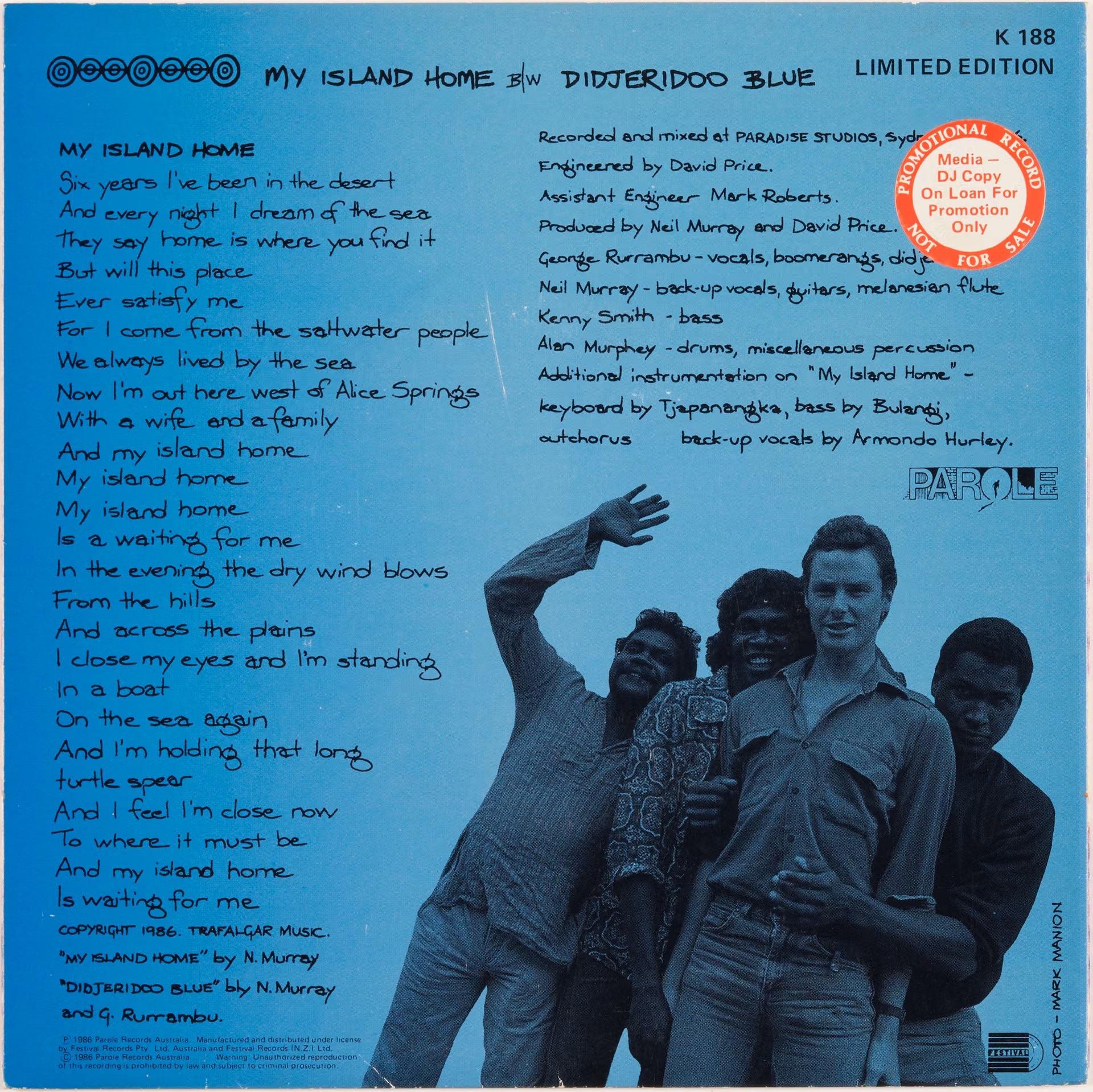
My Island Home came to Neil Murray on a bus, when he was thinking about Galiwin’ku, the island home of his Warumpi Band bandmate George Burarrwanga, and his own home country in western Victoria. This month, it was among the first 10 songs selected for the inaugural National Songbook (https://www.nfsa.gov.au/stories/deep-dives/national-songbook?gad_campaignid=24434697280&gad_source=1&gbraid=0AAAAAoyuqE8IloqWPu7EV-y2rDtcfF5WC&hsa_acc=4074694733&hsa_ad=830541886523&hsa_cam=24434697280&hsa_grp=202695137678&hsa_kw=nfsa+songbook&hsa_mt=p&hsa_net=adwords&hsa_src=g&hsa_tgt=kwd-2511061033177&hsa_ver=3), an annual collection “to honour songs that profoundly shape Australia's culture, identity and collective memory”. Neil speaks with Julian about the My Island Home story, Christine Anu's 1995 cover, and the songs he thinks should be included in the Songbook in the future. Neil will be playing (https://www.neilmurray.com.au/pages/itin.html) at The Presynct in Nambour on November 26, The Royal in N
Wall Street has its worst week since the Covid-19 pandemic as investors lose faith that billions of dollars spent on AI will pay off. Climate talks in Turkey run into extra time as countries can't agree on whether to mention quitting fossil fuels. And Republicans are exploring their options for 2028 - as JD Vance no longer seems the obvious candidate. Podcasts, breaking news, and video analysis from the source.https://reuters.sng.link/Eng86/ulfm?_dl=https%3A%2F%2Fwww.reuters.com_smtype%3D3 Download the Reuters app here. (https://reuters.sng.link/Eng86/ulfm?_dl=https%3A%2F%2Fwww.reuters.com_smtype%3D3)
It was the longest COP on record - and it ended with no deal. Minister for Climate Change and Energy Chris Bowen was president of negotiations - so is he responsible for the result? And what does this failure say about the world’s ability to work together on climate change, and other major issues, in the future? Back in Canberra it’s finally the last sitting week of 2026. Controversial bills, last minute concessions, and plenty of political horse trading will be underway - including around Digital Duty of Care, a Gas Reservation Scheme, trusts and tax, and any cost-of-living measures the government can squeeze in. So who’s getting what they want and who’s walking away empty-handed? Patricia Karvelas and Jacob Greber break it all down on Politics Now. Read PK's latest analysis here (https://www.abc.net.au/news/2026-11-23/election-victorian-labor-election-defeat-albanese-stays-away/107414442). Listen to our sister podcast, ABC Business Daily, unpack if we're already in a recession in tod
Rebuilding after a disaster should sometimes mean changing where or how people live.
Share your view, then see how readers voted. No sign-in required. This poll is shared across stories.
Do you agree or disagree?
Common Quandary
A Common Quandary to discuss
Another conversation to explore, separate from this news story.
The stadium can ban violent fans by scanning every face at the gate. Would you walk in?
A stadium can use facial recognition to identify people banned for violence and shorten security lines. Every visitor would be scanned, error rates are not zero, and the resulting biometric data could become useful to police or advertisers.
How much privacy may a crowd be asked to trade for collective safety?