Listen through the publisher, then discuss the episode here or arrange an in-person Roundtable. Your city determines where to meet.
Roundtables are designed for groups of four, with a shared subject and room for everyone to speak. Come for discussion, with no dating expectation.
Ten years after Donald Trump stunned the world by winning the 2016 election, his political movement may be approaching its end. Tuesday’s midterms delivered a historic rebuke to the Republican Party, with Democrats making astonishing gains in states Trump carried comfortably just two years ago. So … how did we get here? And is the Trump era really over for good? Today, in conversation with New York Times chief political analyst Nate Cohn, Derek goes over the six biggest lessons from the midterms: the pendulum swings of the youth vote, the death of the Trump coalition, the revival of the swing voter, the identity death of the Republican Party, the limits of money in politics, and, finally, the historical analogies over the last 100 years that should shape our understanding of what happens next. Host: Derek Thompson Guest: Nate Cohn Producer: Devon Baroldi Additional Production Support: Ben Glicksman This episode is brought to you by Jira by Atlassian. Visit https://JPMorganChase.com/CenterForGeopolitics (https://jpmorganchase.com/CenterForGeopolitics)
Episode information is provided by the publisher. Listening takes place on the publisher’s service.
The Democrats swept the midterms. Donald Trump is still president. What will the next two years look like? And what can history teach us about what comes next? Martin Wolf speaks to historian Heather Cox Richardson about the cycles in the past 250 years of US politics — how renewal (and division) can both follow periods of oligarchy, and how the Democrats should react to a “constitutional crisis”. To enjoy future episodes, be sure to subscribe to ‘Martin Wolf on the World’ wherever you get your podcasts. You can also watch Martin’s podcast series on the FT’s YouTube channel here:https://www.youtube.com/@FinancialTimeshttps://www.youtube.com/@FinancialTimes Host: Martin Wolf Producer: Mischa Frankl-Duval Senior producer: Laurence Knight Video editor: Richard Topping Senior audio engineer: Breen Turner Broadcast engineer: Andrew Georgiades Podcast development: Laura Clarke FT Global Head of Audio: Flo Phillips Learn more at www.ft.com/martin-wolf-on-the-world (http://www.ft.com/martin-wo
After some life updates (which is all the people really want to hear anyway), Jonah Goldberg turns his hand to ruminating on Trump’s villainous stupidity, the trilateral summit with Vladimir Putin and Xi Jinping, nuclear policy, New York City’s supermarkets, socialist contempt for the middle class, GDP, Ro Khanna, the Bulwark squabble, recent tech failures, the National Popular Vote Interstate Compact, and magical thinking about politics. Show Notes: —LFG AO Pod (https://thedispatch.com/podcast/advisoryopinions/should-lame-ducks-hibernate/) —Special Event: Advisory Opinions: Live! (https://www.capcitycomedy.com/shows/393484) —Mamdani on supermarkets (https://x.com/MorePerfectUS/status/2123188786926391338/video/1) —Irving Kristol in The Public Interest: “Rationalism in Economics” (https://www.nationalaffairs.com/public_interest/detail/rationalism-in-economics) —American Compass’ postelection survey (https://americancompass.org/post-midterm-survey/) —Dan Senor Remnant (https://thedispatc
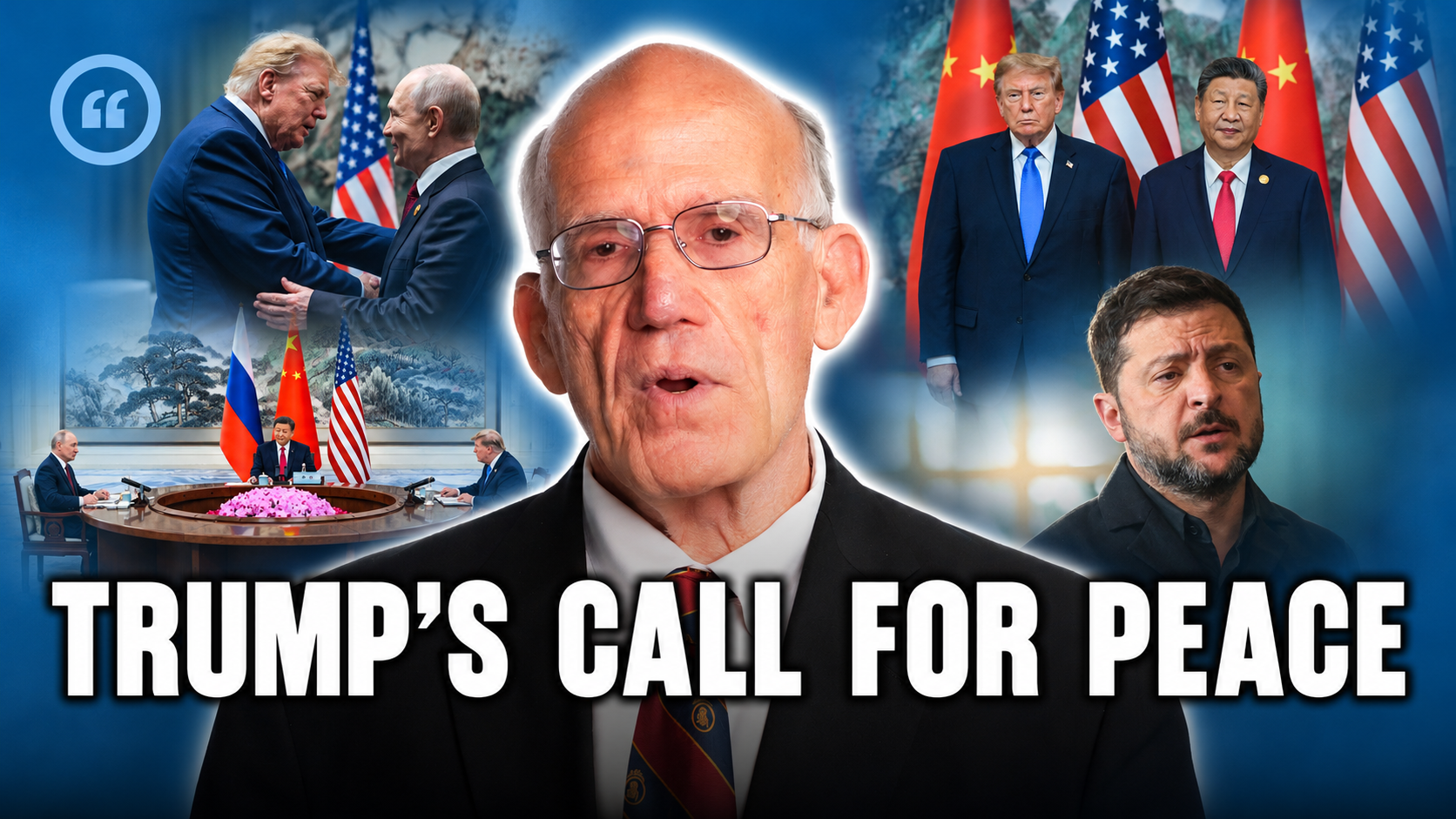
President Donald Trump's first ever trilateral summit with Vladimir Putin and Xi Jinping raises questions about the future of the war in Ukraine and whether a peace agreement could finally be within reach. Victor Davis Hanson and Sami Winc examine the summit on today’s edition of “Victor Davis Hanson: In His Own Words,” discussing Russia's declining influence, potential territorial concessions in Ukraine, and Europe's frustration over Trump's peace negotiations. Hanson criticizes Hillary Clinton's attacks on Trump's diplomacy; he also argues that European leaders have weakened their influence by neglecting defense spending and relying on American military protection. They discuss Elon Musk's shifting political allegiances, and Hanson warns that distancing himself from MAGA may not protect him from Democrat investigations. They also discuss the potential economic benefits of artificial intelligence and the challenges facing Hakeem Jeffries as Democrats prepare to take control of the Hou
Runaway government spending, rising costs, and a new wave of legal battles over constitutional rights. With Democrats preparing to take control of Congress and several state governments, Republicans are confronting a very different political landscape. John Solomon and Amanda Head welcome Montana Senator-elect Kurt Alme, who says Washington must get serious about reining in spending, lowering inflation, and making everyday life affordable again. Already preparing for his arrival in the Senate, Alme discusses his priorities for protecting Montana's way of life, keeping taxes low, creating good-paying jobs, and working across party lines when possible. He also addresses the challenges Republicans face in the minority, the remaining lame-duck session, and concerns about efforts to expand the Supreme Court and eliminate the filibuster. Then, Southeastern Legal Foundation President Kimberly Hermann joins the show with a warning about potential policy reversals in states where Democrats have
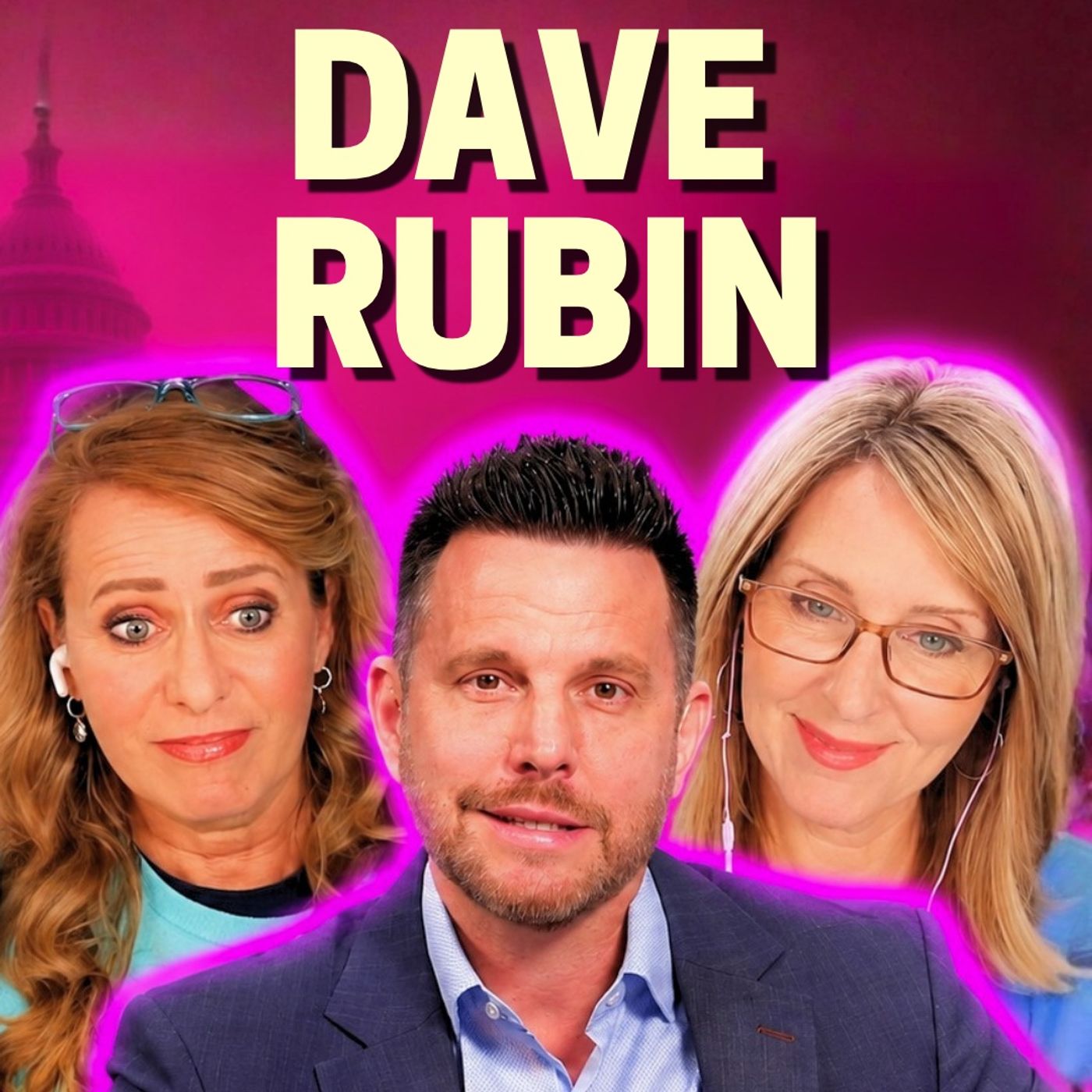
Is the Republican Party heading for a major reckoning in 2028? Dave Rubin joins The Chicks on the Right for a brutally honest conversation about Trump's final two years, the future of the GOP, and the growing divisions threatening conservatives. Dave weighs in on the Republican Party's recent election losses, whether JD Vance, Marco Rubio, or Ron DeSantis can carry Trump's agenda forward, and why he's increasingly concerned about the political direction of America. The conversation heats up as Dave takes on Nick Fuentes, the rise of extremist voices on the right, and the socialist movement gaining influence within the Democratic Party. He also discusses radical Islamism, antisemitism, the dangers of online outrage, and why he believes Western civilization faces serious challenges. Plus, with cyberattacks, banking disruptions, and nationwide outages raising concerns, Dave shares his thoughts on whether Americans should be preparing for more chaos. And don't miss the lighter side of Dave
MeidasTouch host Ben Meiselas reports on Donald Trump’s disastrous Saturday morning Fox News call-in, where Trump said he was glad FBI systems had been hacked because he thought the breach could help him dig up evidence for his “Russia, Russia, Russia” and voter fraud claims. Meiselas also breaks down the widening gap between Trump’s talk of an Iran deal and reports that Iran struck two more tankers and another MQ-1 drone, along with an unconfirmed report involving an F-16. Go to https://ground.news/MTN to cut through misinformation, critically analyze the news shaping our lives and hold the media accountable. Visit https://meidasplus.com (https://meidasplus.com/) for more! Remember to subscribe to ALL the MeidasTouch Network Podcasts: https://meidasnews.com/podcast Support the MeidasTouch Network: https://patreon.com/meidastouch (https://patreon.com/meidastouchAdd) Add the MeidasTouch Podcast: https://podcasts.apple.com/us/podcast/the-meidastouch-podcast/id1510240831Buy MeidasTouch Me
On Friday, the FAA ordered a nationwide ground stop after communication issues. Then, on Monday, United Airlines announced its own tech outage. That same day, several banks, including JPMorgan and Bank of America, said customers couldn’t withdraw funds because of a software bug. On Tuesday, the NSA announced that its communication systems had been hit by another outage. Then Apple reported difficulties of its own. And before all of this, the FBI issued a Flash warning that cybercriminals and state-aligned hackers were using AI to attack businesses and organizations around the world. Suddenly, the most important question in the news was: Why is everything breaking all at once? To figure out what’s happening and what we can do about it, Derek welcomes cybersecurity expert Nicole Perlroth and former U.S. deputy chief technology officer Jennifer Pahlka. Is this a coordinated, systemic hack? Is it just engineers rushing to fix vulnerabilities exposed by AI? Is the news media simply more sen
For roughly 25 years, the economics of the web were pretty straightforward. Publishers created information, Google indexed it, users searched Google, Google sent those users to those publishers’ websites, and the publishers monetized those visits with advertising. But last month, the stock of Alphabet, the parent company of Google, plunged nearly $500 billion when the company flagged to investors that the firm would use more AI in its search. The rise of AI doesn’t just threaten to disrupt Google; it threatens to destroy the economics of web publishing. With AI, Google doesn’t just direct our attention to the answer; it now answers the question entirely. For many publishers that live and die on search traffic and clicks, this shift is existential. News websites are shuttering, journalism layoffs are rising, and even Wikipedia reported that human page views have fallen by almost 10 percent in the last year. Artificial intelligence is very much threatening to change the business model of
What happens when the guy at the center of an entire industry is suddenly embroiled in a scandal involving corporate espionage, alleged affairs, and national security? Nvidia founder Jensen Huang’s sudden resignation has sent shockwaves throughout the tech industry and, of course, raises questions about the company’s future and the global AI race. Jordan Schneider, cofounder of ChinaTalk, and Ben Buchanan, former Biden administration AI policy official and author of ‘The Bitter Struggle,’ join the show today to unpack the allegations and its stakes, how this effects the chip war, and what comes next. Host: Derek Thompson Guest: Jordan Schneider and Ben Buchanan Producer: Devon Baroldi Additional Production Support: Ben Glicksman
Removing outdated rules is worthwhile even when it reduces some existing protections.
Share your view, then see how readers voted. No sign-in required. This poll is shared across stories.
Do you agree or disagree?
Common Quandary
A Common Quandary to discuss
Another conversation to explore, separate from this news story.
You find a rare library book your father kept for forty years. Do you return it anonymously?
While clearing your father's attic, you find a rare book stamped by the local library and due in 1986. The library would be thrilled to recover it, but returning it openly would expose a secret he apparently kept for decades—and might produce a spectacular overdue fine.
Does making an old wrong right require admitting who did it?