The first sentence you think in the morning becomes the instructions for your day. Before your feet touch the floor, before you check your phone, before the world gets a single word in, your mind is wide open. Soft, receptive, half in the dream state, ready to accept whatever you tell it. And whatever you say in those first few moments, the subconscious takes as the plan for the day. ⠀ So today the plan is the most powerful one there is. Everything is working out for me. ⠀ Play this the moment you wake up, every morning. Listen in bed, in the shower, with your first cup of coffee. Speak the declarations out loud with me if you can, softly or silently if you need to. A week in you will start to see it. A month in you will start to expect it. Small things line up first. Parking spots. Perfectly timed payments. Kind messages. Then bigger things. One morning you will wake up and realize everything really is working out for you, and it has been all along. ⠀ Free 21-Day Large Sums of Money C
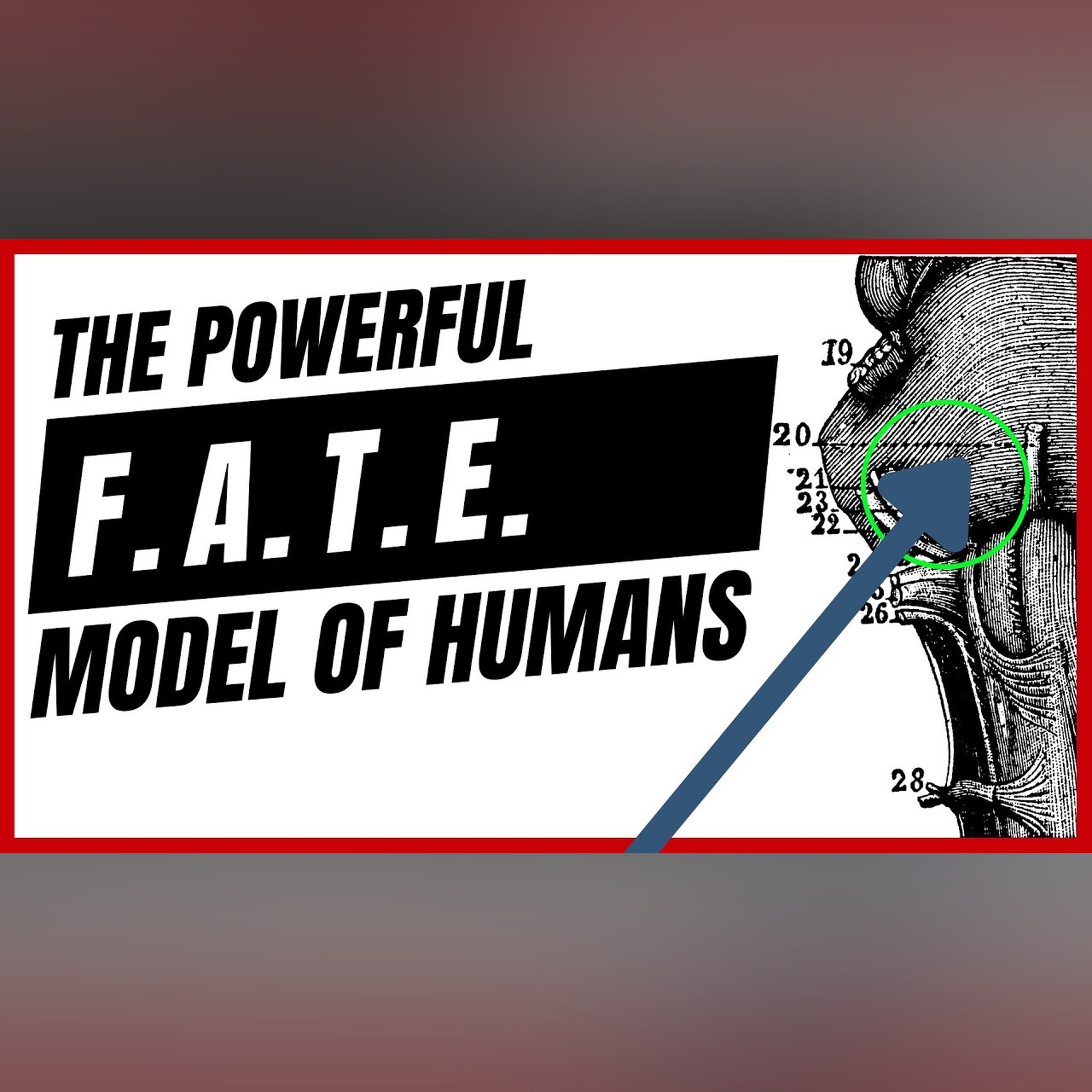
Join NCI University today to master human behavior and influence: Uploaded 10-09-22 The FATE model shows us what our ancestors prioritized to survive. The FATE Model shows us the four ‘entry points’ into the human mind and helps us understand how persuasion and influence can target unconscious processes near the spinal cord to maximize the power of any technique we need to apply. Want to join the official Chase Hughes app? TAGS: influence, persuasion, Chase Hughes, behavior surgeon, behavior panel, body language, behavior profiling, training, sales, hypnosis, success, you've been lied to, exposed, how fraud happens, exposing how the brain can be hijacked.
Saturday 21 November 2026 Welcome to the Saturday Examen. On Saturdays, we like to reflect back on the week just passed. This isn’t a memory test but instead a simple invitation to notice what we do remember with the help of the Holy Spirit, and under the loving gaze of God. We call this an examen prayer. Here’s a suggestion of an examen with pen and paper. Use your journal or a sheet of paper. You can pause to find them. Now draw two vertical lines to create three equal columns. Head the first column: ‘Life-giving’ and the last column: ‘Life-sapping’. The middle column doesn’t need a heading though you might want to invent one. Ask for God’s light as you review your week... Look back at your week starting exactly seven days ago. Consider work, leisure, people, places, activities, times of prayer and anything else that comes to mind. Note whatever comes and place it in one of the three columns... Some things may fit into more than one. When you’ve done this, look back at the page. Eith
She'd never believed in ghosts. In fact, the idea that a house could be haunted had never crossed her mind. So when a coworker asked her to housesit and care for two dogs while the family was away, she happily agreed. What could possibly go wrong? But over the next four nights, strange things began happening. Doors wouldn't stay closed, lights seemed to turn themselves on and off, and the dogs became increasingly interested in something she couldn't see. She was convinced there had to be a reasonable explanation, even wondering whether someone had gotten into the house. When the homeowners returned, she told them everything, expecting them to be just as concerned as she was. Instead, their reaction caught her completely off guard. Had this lifelong skeptic just spent four nights in a haunted house without knowing it? #RealGhostStoriesOnline #TrueGhostStories #HauntedHouse #HauntedHousesitting #DogsAndGhosts #ParanormalEncounters #AnimalIntuition #UnexplainedActivity #GhostStories #Skep
GTA 6 is consuming lives, rock legends are on our minds, plumbing is bracing for Thanksgiving impact, and Rafe is trying to pray a 314,000-mile Jeep back to life. Cam Janssen stops by, broadcasting drama heats up, and somehow everything ends with pizza, wings, and trivia. Things are getting weird. The Rizzuto Show is back with another comedy podcast packed with funny stories, parenting debates, St. Louis memories, rock history, sports drama, holiday plumbing chaos, and the kind of unfiltered morning show madness that makes this appointment listening. Rizz, Cam Janssen, Lern, Rafe Williams, and Devon have a lot to unpack today. Fortunately, some of it comes with pizza and wings. GTA 6 Has Arrived, and Apparently Nobody Has a Job Anymore The show kicks off with the release of Grand Theft Auto 6, which has apparently become a full-time occupation for certain members of the crew. Scott is allegedly in Arkansas or Overland playing GTA, while Cam Janssen admits he's been watching gameplay vi
NBC’S Chief Consumer and Investigative Correspondent, Vicky Nguyen is sharing tips on how to holiday-proof your home from trees, lighting, fireplace, and more. Also, Actresses Elizabeth Debicki and Carla Gugino are teaming up in “The Further Mis-Adventures of Cliff Booth,” a standalone sequel to Quintin Tarantino’s Oscar winning film, “Once Upon A Time In Hollywood.” Also, Actor Anthony Boyle is back on screen for the Netflix series, “The Altruists,” based on the true story of the 2022 collapse of cryptocurrency exchange FTX. Plus, Shop Today is sharing some fun holiday finds from the brands that sponsored the launch of its first-ever Holiday House. And, a recipe for a mini cheesecake Thanksgiving dessert. Hosted by Simplecast, an AdsWizz company.
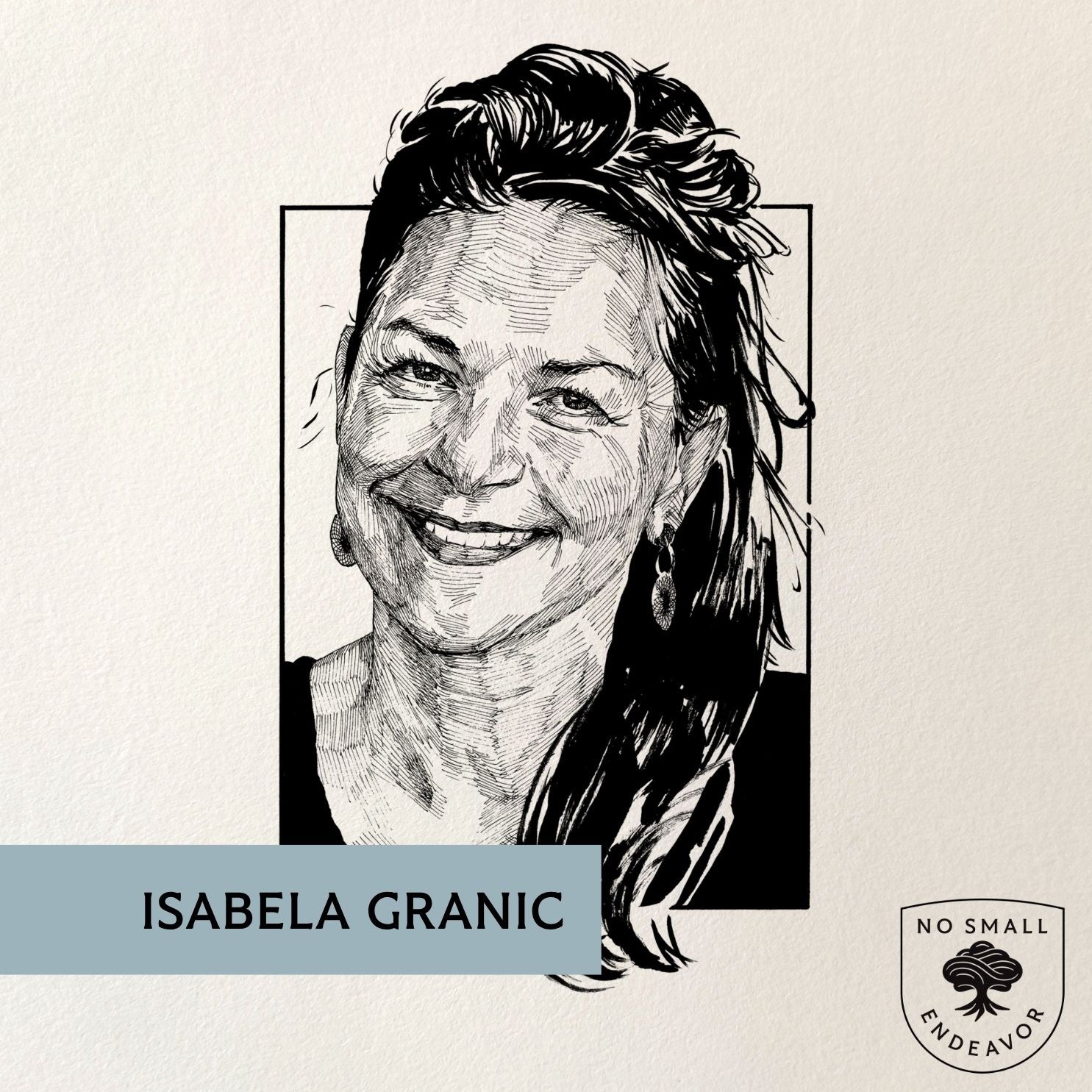
This is our unabridged interview with Isabela Granic. Developmental psychologist Isabela Granic is no technophobe. In the middle of a moral panic over kids and video games, she helped pioneer MindLight (https://playmindlight.com/), a biofeedback video game shown in clinical trials to significantly reduce anxiety symptoms in children ages 8 to 12. But as technology continues to evolve, and AI moves into every corner of childhood development, she’s worried. Isabela joins Lee C. Camp to explore what children need to grow into resilient, flourishing adults, and why a “frictionless” future may take away the very struggles that form us. This is part 2 of our 2-part series: The Cost of Outsourcing Your Humanity to Tech. This project was made possible through the support of a grant from Templeton World Charity Foundation, Inc funder DOI 501100011730) through grant https://doi.org/10.54224/35684https://doi.org/10.54224/35684. (https://doi.org/10.54224/35684%E2%81%A0%E2%81%A0%E2%81%A0.) The opin
Developmental psychologist Isabela Granic is no technophobe. In the middle of a moral panic over kids and video games, she helped pioneer MindLight (https://playmindlight.com/), a biofeedback video game shown in clinical trials to significantly reduce anxiety symptoms in children ages 8 to 12. But as technology continues to evolve, and AI moves into every corner of childhood development, she’s worried. Isabela, the CEO of Liminal Learning (https://liminal-learning.com/), joins Lee C. Camp to explore what children need to grow into resilient, flourishing adults, and why a “frictionless” future may take away the very struggles that form us. This is part 2 of our 2-part series: The Cost of Outsourcing Your Humanity to Tech. This project was made possible through the support of a grant from Templeton World Charity Foundation, Inc funder DOI 501100011730) through grant https://doi.org/10.54224/35684https://doi.org/10.54224/35684. (https://doi.org/10.54224/35684%E2%81%A0%E2%81%A0%E2%81%A0.)
This is our unabridged interview with Shannon Vallor. The promises arrive daily now. An AI that will plan your kid’s birthday party, write your essay for you, tell you just what to say in that hard conversation with your boss. Every obstacle cleared from our path. What’s being offered is a kind of freedom. But freedom from what, exactly? Tech philosopher and author of the acclaimed book The AI Mirror (https://link.amazon/B09vzwNhk), Shannon Vallor joins Lee C. Camp for a far-ranging conversation about what we stand to lose in the AI revolution, and what we might gain: a way to reclaim our human potential for moral and intellectual growth. This is part 1 of our 2-part series: The Cost of Outsourcing Your Humanity to AI. This project was made possible through the support of a grant from Templeton World Charity Foundation, Inc funder DOI 501100011730) through grant https://doi.org/10.54224/35684. The opinions expressed in this publication are those of the author(s) and do not necessarily
Improving employee pay should take priority over increasing shareholder payouts.
Share your view, then see how readers voted. No sign-in required. This poll is shared across stories.
Do you agree or disagree?
Common Quandary
A Common Quandary to discuss
Another conversation to explore, separate from this news story.
Software says a student cheated with AI. Is that enough to fail the paper?
A teacher suspects several essays were written with AI. Detection software marks one student's work as highly likely to be generated, but the software is known to make mistakes and the student denies using it.
How should responsibility be assigned when evidence is powerful but unreliable?