The Truth About Serial Killers
Listen through the publisher, then discuss the episode here or arrange an in-person Roundtable. Your city determines where to meet.
Roundtables are designed for groups of four, with a shared subject and room for everyone to speak. Come for discussion, with no dating expectation.
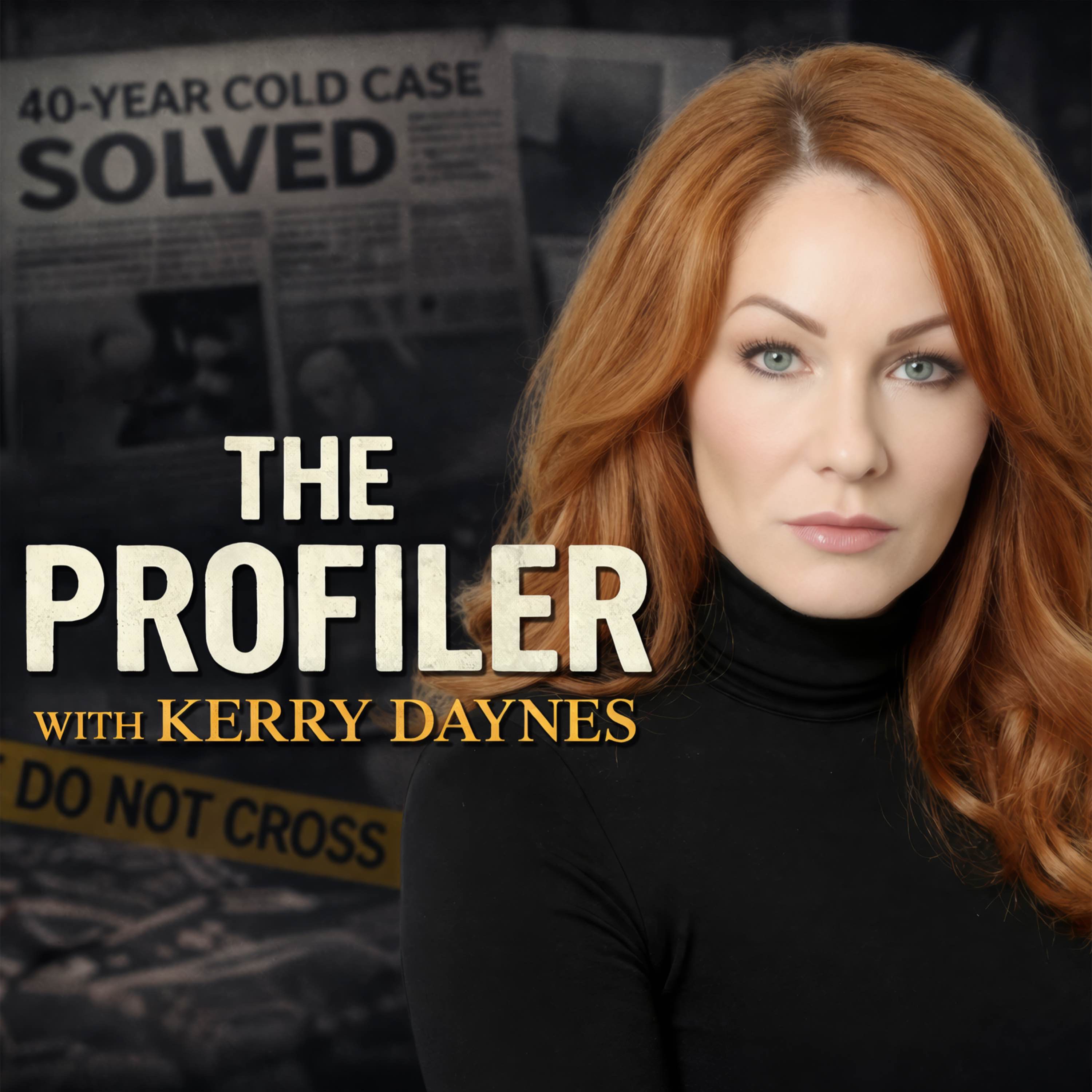
Intelligent, charismatic, sexually driven loners who leave a signature at every crime scene and feel nothing afterwards: that’s the serial killer we’ve been sold by books, films and streaming documentaries. According to forensic psychologist Kerry Daynes, almost none of it is true. Drawing on her years of assessing and interviewing some of Britain’s most notorious offenders, Kerry takes on the seven biggest myths about serial killers. Along the way she explains how the research really stacks up, and why the fiction does real harm to investigations, to victims, and to the public’s ability to recognise genuine danger. The seven myths Serial killers are intelligent. The data suggests average IQ sits slightly below the population norm, and some of the most prolific offenders evaded capture because their victims were overlooked, not because they were geniuses. Serial killers are attractive. Kerry looks at the “dark attraction” genre, and at why the sexualisation of killers is more than a harmless quirk of fan culture. Serial killers are always sexually motivated. Money, power, a warped sense of mission, and killers in healthcare and caring roles all complicate the archetype. They’re isolated, socially incompetent misfits. Many were married, employed, active in their communities and well-liked. They’re either “organised” or “disorganised”. Kerry explains where the FBI typology came from, how researchers at the University of Liverpool put it to the test, and why it still shapes real investigations. All serial killers have a “signature”. Why linking crimes is far harder, and far less dramatic, than TV suggests. Serial killers feel no remorse. The reality is more complex, and more uncomfortable, than the emotionless monster of popular culture. Why it matters When we expect a certain type of killer, cases that don’t fit the template are slower to investigate and easier to miss. Kerry argues that the people who pay the price are disproportionately women and members of marginalised communities, who are already seen as less visible and less credible. Content note: This episode discusses murder, sexual violence and the crimes of real offenders. It contains no graphic detail, but some listeners may find the subject matter upsetting. Season finale This episode brings the current season of The Profiler to a close. Kerry is taking a break to concentrate on other projects, but the show will be back. In the meantime, thank you for listening. Stay in touch Visit theprofiler.co.uk for news of new episodes and to sign up for Kerry’s weekly email. You can also follow Kerry Daynes on all social media platforms and on her Substack, where she’ll be as active as ever. If you enjoyed this episode, please follow or subscribe, leave a five-star rating or review, and share it with fellow true crime fans. Credits • Presented by Kerry Daynes • Produced by Shearwater Media and Heromedia Productions • Executive producers: Jeff Anderson and Steve Anderson • Editing and Music: Rob Warner The Profiler with Kerry Daynes is a Shearwater Media and Heromedia production. Hosted on Acast. See acast.com/privacy (https://acast.com/privacy) for more information.
Episode information is provided by the publisher. Listening takes place on the publisher’s service.
Listen at the source ↗