The Whistler - "The Go - Between" (Old Time Radio, 1950)
30 min
Listen through the publisher, then discuss the episode here or arrange an in-person Roundtable. Your city determines where to meet.
Roundtables are designed for groups of four, with a shared subject and room for everyone to speak. Come for discussion, with no dating expectation.
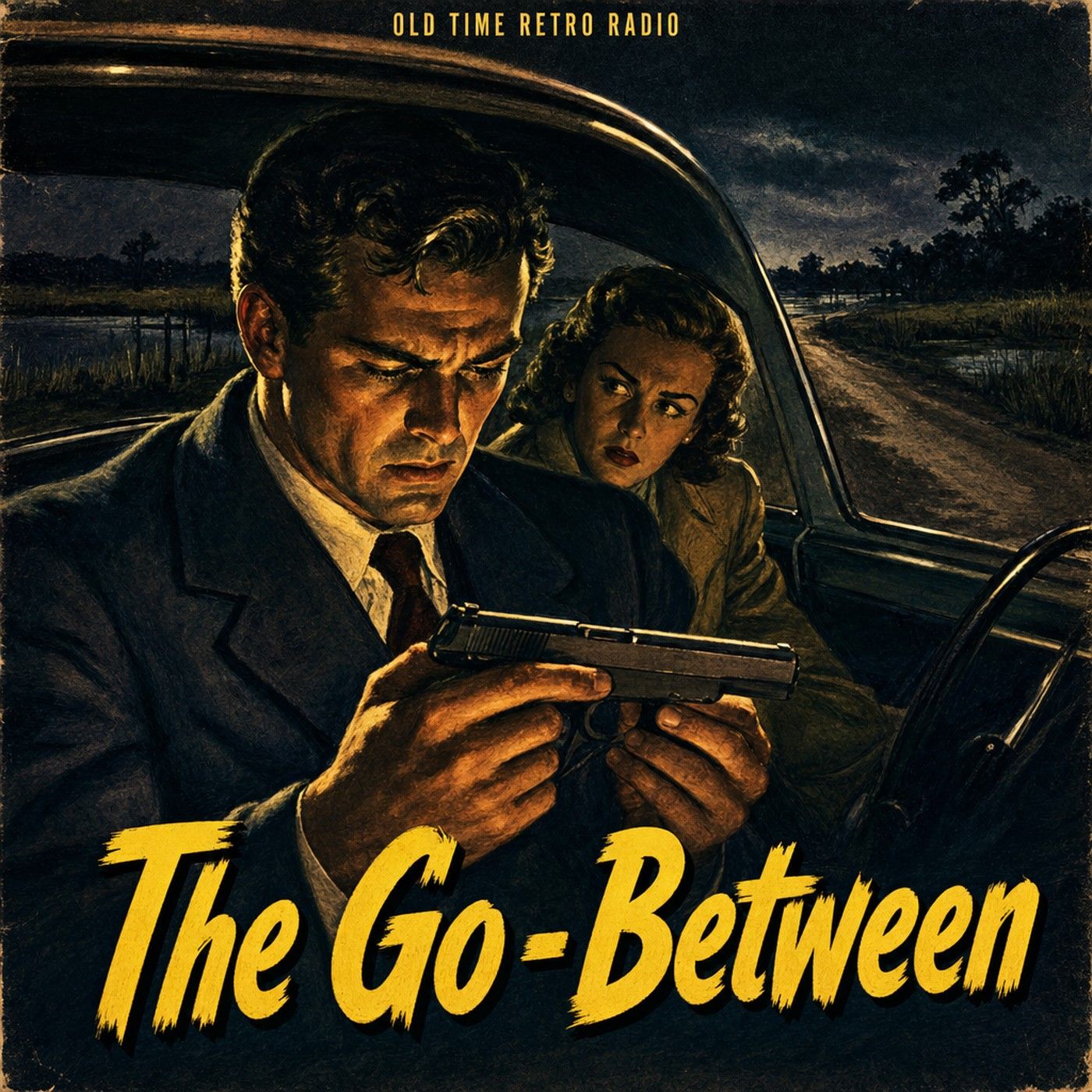
The Whistler presents “The Go-Between,” originally broadcast on CBS on January 22, 1950. Episode 399 finds the series in its classic Signal Oil-sponsored era, with Hans Conried among the episode-associated cast. Charles Grayson is caught between his wife, Ellen, and his secretary, Martha Stone, as a troubling secret and mounting pressure draw them into a tense web of loyalty, money, and suspicion. From a lonely country lane to a Malibu cottage, this shadowy crime melodrama delivers the uneasy atmosphere that made The Whistler a radio favorite. Chapters: 00:00 Victor Sterling Introduction 00:43 Original Broadcast 29:53 Closing
Episode information is provided by the publisher. Listening takes place on the publisher’s service.
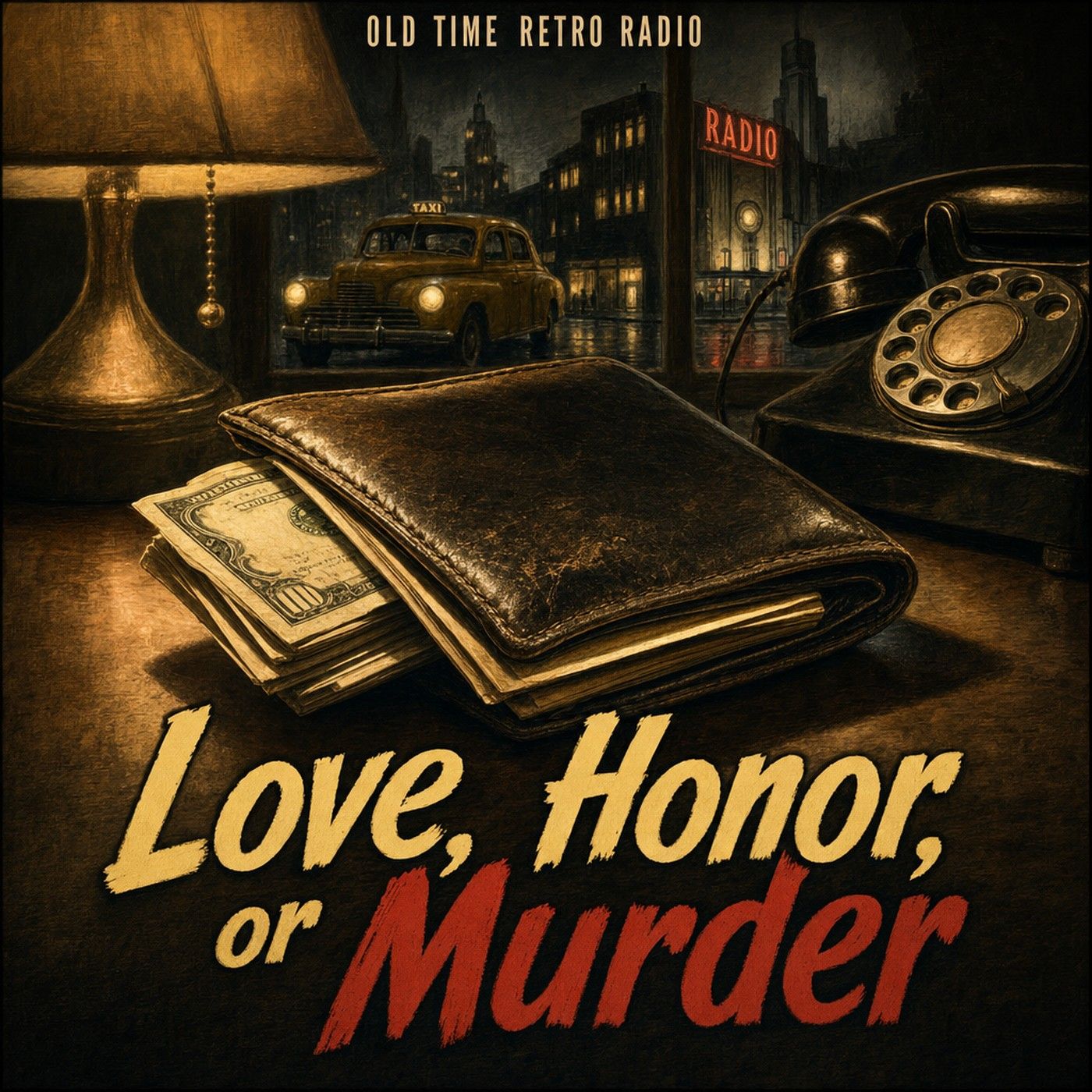
Suspense presents “Love, Honor, or Murder,” originally broadcast on June 29, 1950. This CBS Radio Network thriller was written by Larry Marcus and produced by William Spier. Taxi driver Harry Blake finds a wallet containing $12,000 after a regular passenger leaves it behind. Harry wants to return the money, but his wife Helen has other ideas—and an ordinary evening becomes a tense domestic drama of conscience, temptation, and mounting suspense. Elliott Lewis and Cathy Lewis star as Harry and Helen Blake. Chapters: 00:00 Victor Sterling Introduction 00:52 Original Broadcast 31:31 Closing
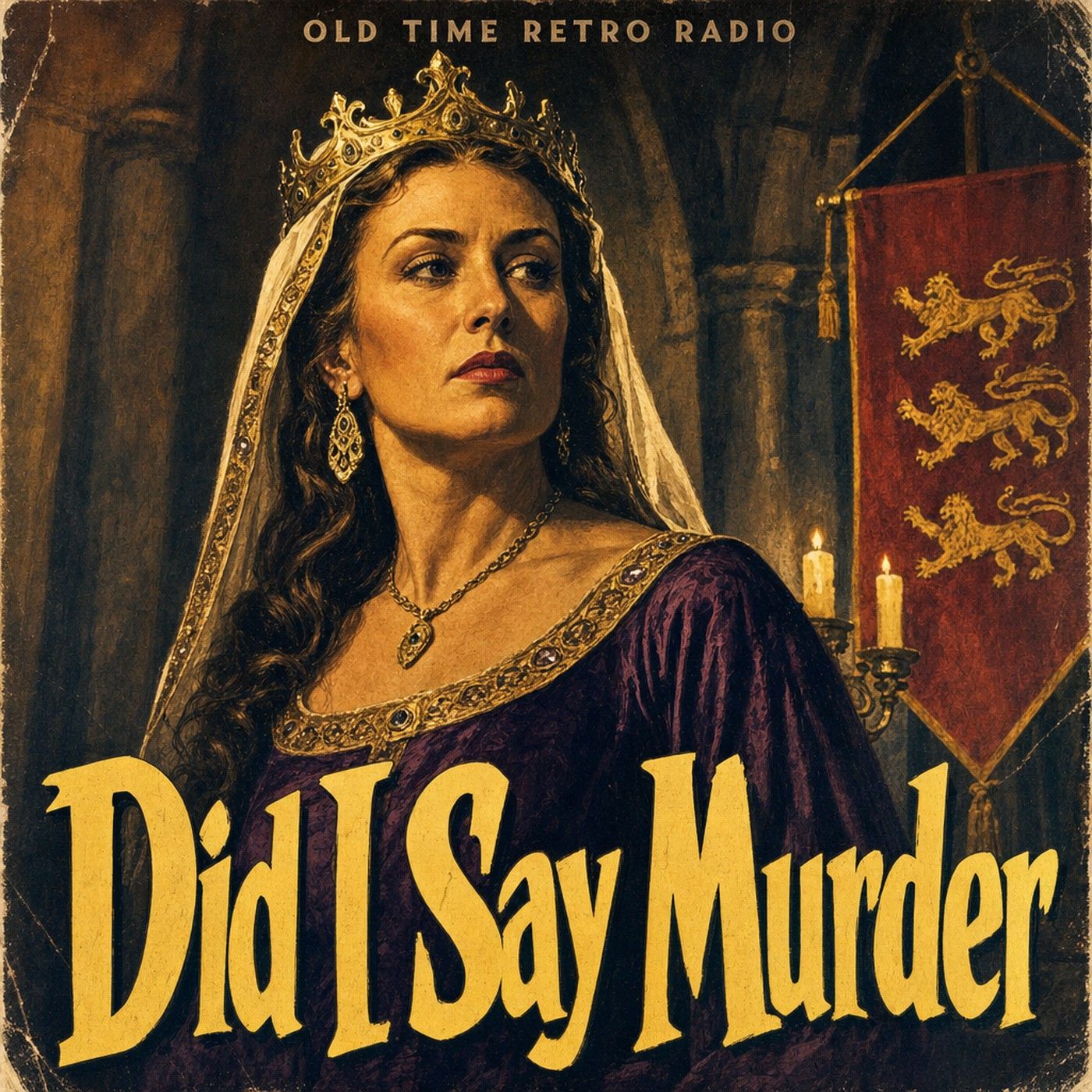
CBS Radio Mystery Theater presents “Did I Say Murder,” originally broadcast March 27, 1981, as episode 1177. Written by Sam Dann and directed by Himan Brown, this historical drama stars Tammy Grimes. Through Eleanor of Aquitaine’s perspective, the story revisits her marriage to Henry II as royal ambition, personal loyalty, and the growing influence of Thomas Becket bring the crown into conflict with the church. Set amid the courts of 12th-century France and England, it is a tense portrait of power and intimacy in an age of kingdoms. CBS Radio Mystery Theater presents this original broadcast with a newly produced contextual introduction, a short closing announcement, and gently cleaned/mastered audio for a more consistent listening experience. Chapters: 00:00 Victor Sterling Introduction 00:55 Original Broadcast 46:33 Closing
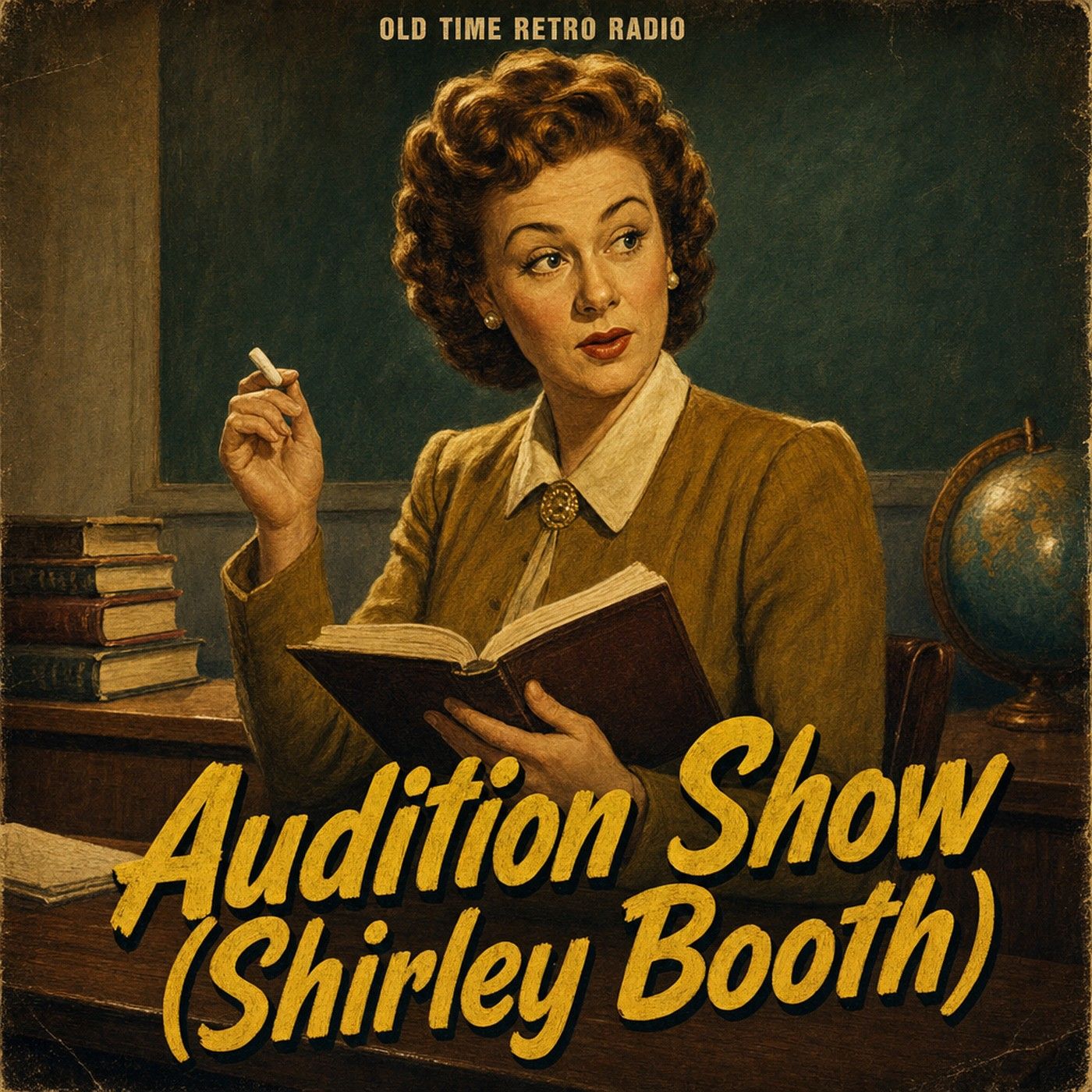
Our Miss Brooks presents “Audition Show (Shirley Booth),” originally recorded for CBS on April 9, 1948. This episode 0 audition features Shirley Booth as high-school English teacher Connie Brooks, months before the series began its regular run. In this early prototype, Connie faces another day with her English Two class amid school-administration concerns suggested by the alternate title, “The New School Superintendent.” Written by Don Ettlinger, Norman Tokar, and Ed Jurist, the unaired presentation offers a rare chance to hear Booth’s original take on the character later made famous by Eve Arden. Chapters: 00:00 Victor Sterling Introduction 00:43 Original Broadcast 31:12 Closing
Unknown Broadcast brings family secrets home for Thanksgiving week in four old time radio dramas of revenge, betrayal and Gothic horror. “A House Divided” (CBS Radio Mystery Theater, 1977): a son returns to avenge his father. “The Fall of the House of Usher” (Escape, 1947): an urgent summons draws a friend to the crumbling Usher estate in Edgar Allan Poe’s Gothic classic. “The Sisters” (Suspense, 1944): a woman orders her own coffin. Starring Ida Lupino and Agnes Moorehead. “Homecoming” (The Whistler, 1952): an escaped convict returns to his stepbrother. The relatives have arrived, and their histories refuse to stay buried. Bonus episodes & support: https://weeklyspooky.com/join More scary stories: https://weeklyspooky.com/ Story submissions: [email protected]
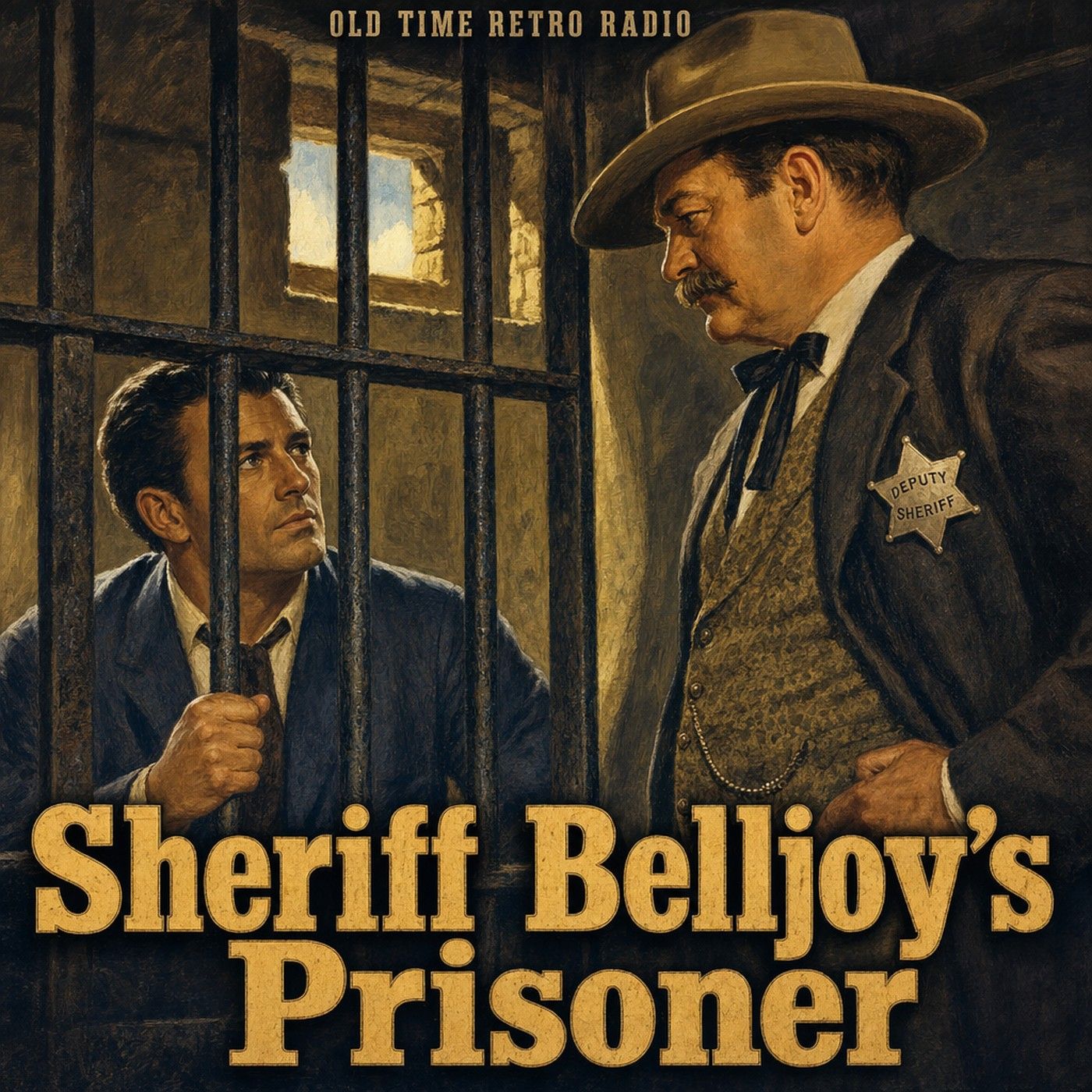
Frontier Gentleman, “Sheriff Belljoy’s Prisoner” (episode 19), originally broadcast on CBS Radio on June 8, 1958. John Dehner stars as London Times correspondent J. B. Kendall in this Charles B. Smith story, produced and directed by Antony Ellis. Traveling by Yellowstone stagecoach, Kendall and his fellow passengers are detained in Shoshone, Wyoming Territory, when Deputy Sheriff C. B. Belljoy suspects that a Bearclaw saloon thief has escaped aboard the coach. With Belljoy serving as the town’s self-appointed authority, Kendall finds himself facing a particularly unusual brand of frontier justice. Chapters: 00:00 Victor Sterling Introduction 00:50 Original Broadcast 25:42 Closing
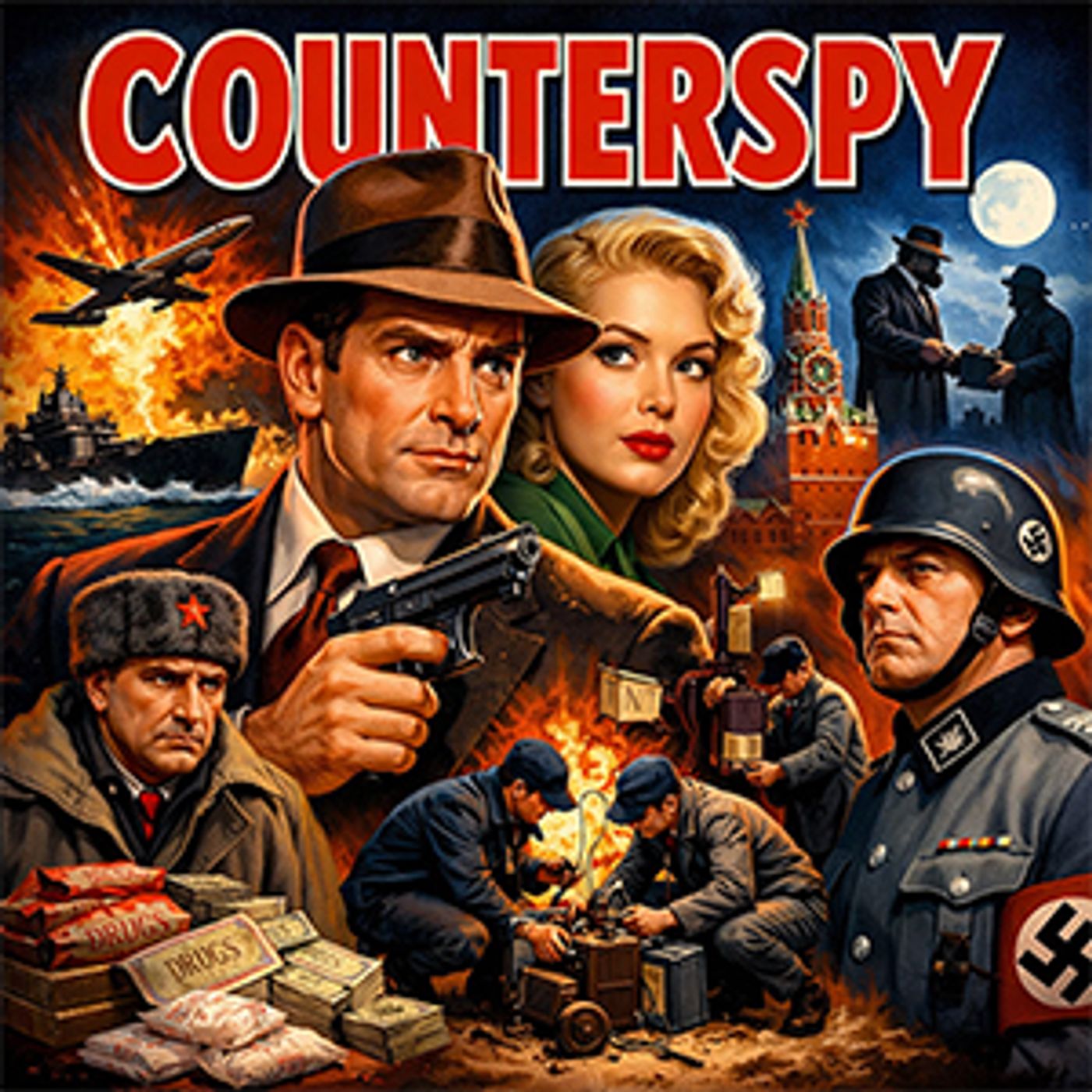
Today's Adventure: When scientist Dr. Frederick Ziegler develops a revolutionary synthetic substitute for mica, his discovery promises to strengthen America's national defense. But his trusted assistant steals the formula and murders him in a laboratory explosion, setting off a dangerous chain of betrayals among foreign agents determined to profit from the secret. David Harding and Harry Peters investigate the scientist's death and uncover an espionage conspiracy involving a ruthless operative with a talent for disguise. Original Radio Broadcast Date: April 18, 1950 Originating in New York Cast: Don McLaughlin as David Harding Mandel Kramer as Harry Peters Jay Jackson — announcer To subscribe to this podcast and, go to https://greatadventures.info/ Become one of our ongoing Patreon supporters at https://patreon.greatdetectives.net (https://patreon.greatdetectives.net/) Patreon Supporter of the Day: Lawrence, Patreon supporter since January 2025 Take the listener survey at http://survey
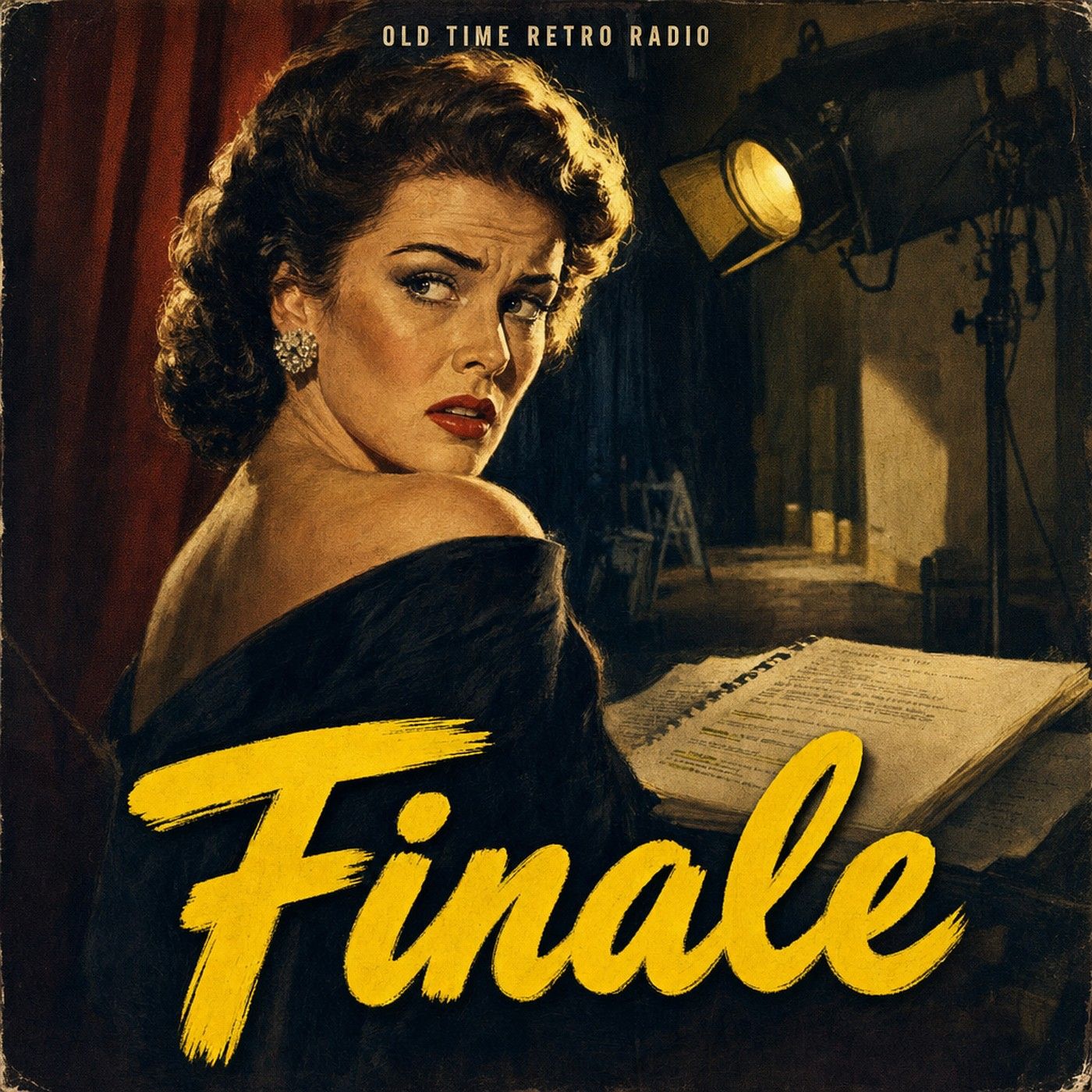
The Whistler presents “Finale,” originally broadcast August 20, 1950. Supplied episode listings identify it as episode 429, though some surviving-series logs catalog it as episode 428. This CBS Pacific Network crime drama was sponsored by Signal Oil. Broadway leading lady Christine Courtney has built a successful new life far from her criminal past. When Doris Richly arrives at rehearsal with knowledge Christine cannot afford to have exposed, the pressure spreads to Christine’s career, her engagement, and aspiring playwright Martin Duncan. Set amid rehearsal rooms and a playwright’s apartment, “Finale” is a tense blackmail drama with the theatrical world as its backdrop. Chapters: 00:00 Victor Sterling Introduction 00:42 Original Broadcast 30:04 Closing
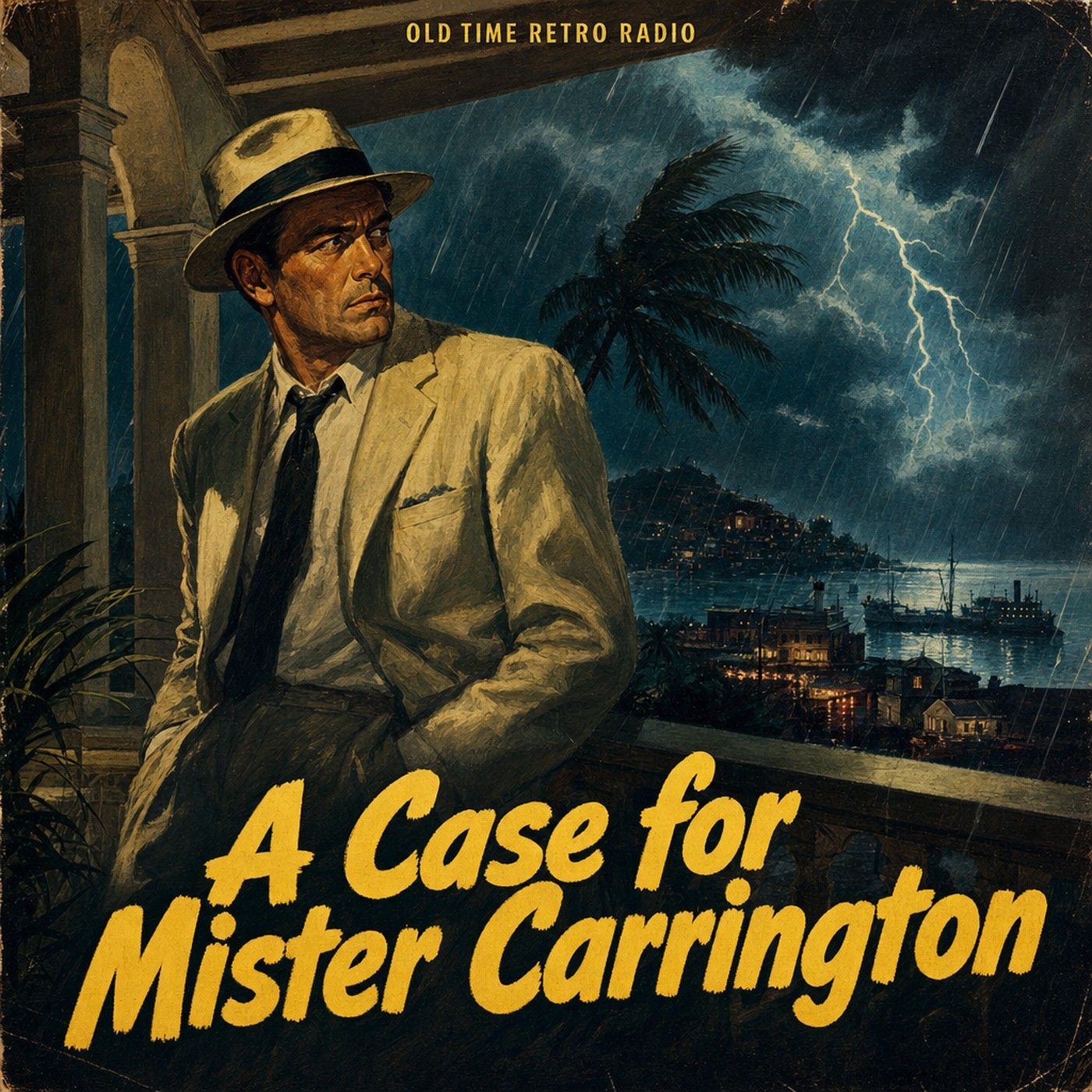
Old Time Retro Radio presents The Whistler, “A Case for Mister Carrington,” originally broadcast October 22, 1947. This is episode 282 of the CBS suspense anthology series, sponsored by Signal Oil Company. Against the gathering storm clouds of Kingston, Jamaica, financially troubled plantation partner Gordon Stone faces mounting pressure over business, romance, and divided loyalties. At the Myrtle Bank Hotel and the Wakefield sugar plantation, Inspector Charles Carrington’s hard-earned views on motive and murder add to the tension. Featured performers include Gerald Mohr and Mary Jane Croft; the script was by Joel Malone and Harold Swanton. Chapters: 00:00 Victor Sterling Introduction 00:51 Original Broadcast 30:22 Closing
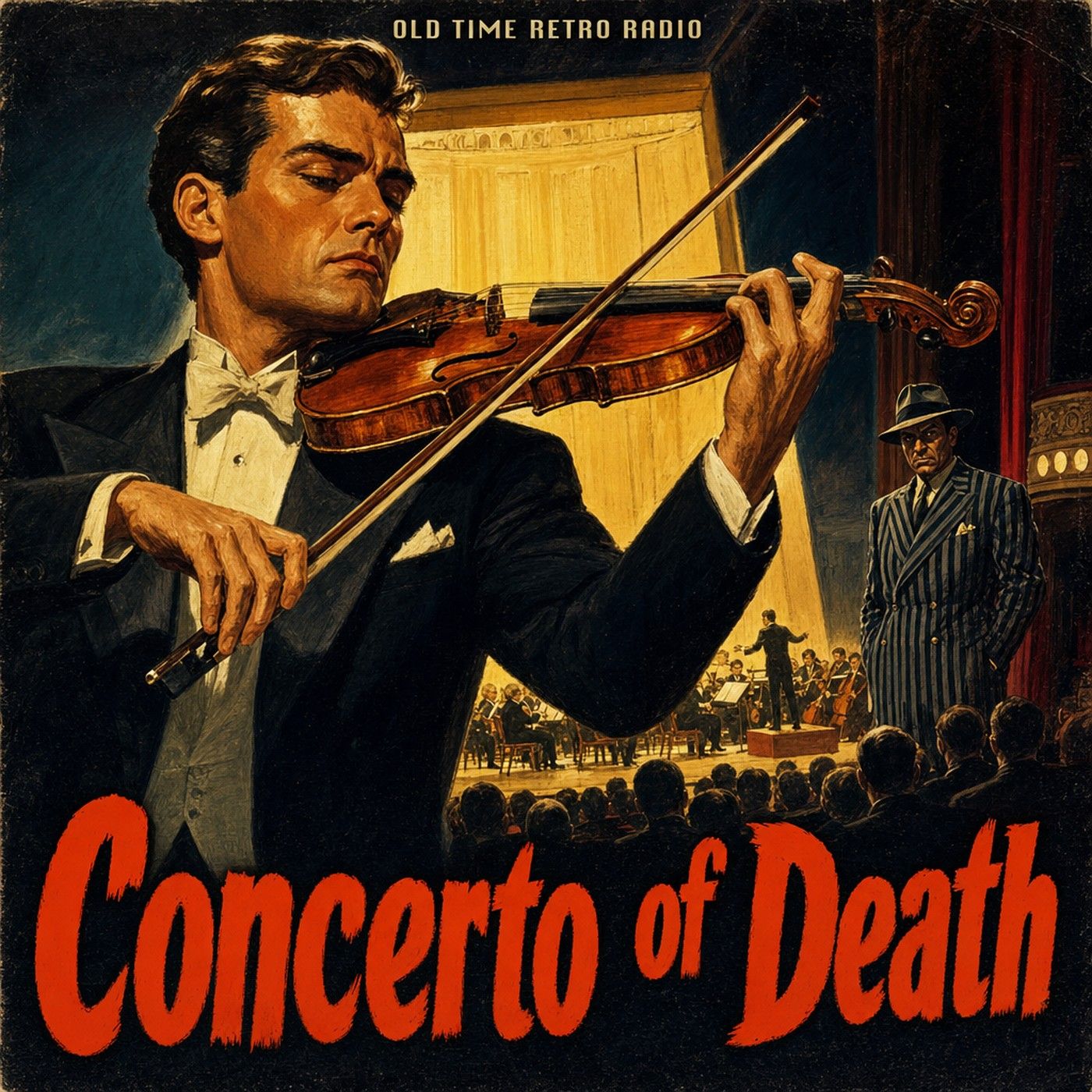
The Whistler presents “Concerto of Death,” originally broadcast on June 16, 1948. This 30-minute CBS Pacific network mystery, sponsored by Signal Oil, is episode 316. Bill Forman is among the credited cast. A concert violinist nears a potentially career-defining symphony-hall performance with a priceless instrument in hand—but an unsettling man in a striped suit shadows the path to fame, bringing tension and consequence to the world of classical music. Chapters: 00:00 Victor Sterling Introduction 00:41 Original Broadcast 30:14 Closing
Paid endorsements should be clearly distinguished from independent recommendations.
Share your view, then see how readers voted. No sign-in required. This poll is shared across stories.
Do you agree or disagree?
Common Quandary
A Common Quandary to discuss
Another conversation to explore, separate from this news story.
Your anonymous gift could inspire millions more if you reveal your name. Do you?
A donor wants to make a transformative gift without recognition. The charity believes announcing the gift and the donor's identity would encourage matching contributions and help far more people.
Can the opportunity to create more good outweigh a preference for privacy?