The White House Says There's No Connection. Should We Be Worried?
56 min
Listen through the publisher, then discuss the episode here or arrange an in-person Roundtable. Your city determines where to meet.
Roundtables are designed for groups of four, with a shared subject and room for everyone to speak. Come for discussion, with no dating expectation.
Are we safe? A series of recent cyber incidents has raised concerns about whether something bigger could be happening. The White House insists the incidents are unrelated, but questions remain. Today's episode features audio from the U.S. Secretary of Homeland Security, Marco Rubio, and several U.S. Senators discussing cybersecurity threats and what Americans should be concerned about. Also today: Ontario Premier Doug Ford attempts to speak French, and it doesn't exactly go according to plan. Unifor President Lana Payne explains why she believes Chinese vehicles aren't a viable solution for Canada's automotive industry. Auston Matthews and Leafs coach Jim Hiller react to Toronto's latest loss, and Prime Minister Mark Carney has plenty to say during his latest international trip.
Episode information is provided by the publisher. Listening takes place on the publisher’s service.
A wave of major technology outages is raising troubling questions about America's cybersecurity, aging infrastructure, and readiness for a new era of artificial intelligence. Are these isolated technical failures, or warning signs of a much larger national security problem? John Solomon and Amanda Head welcome Ohio Congressman and former Army Ranger Warren Davidson, who discusses recent disruptions involving the FAA, Microsoft, and other critical systems. Davidson calls for greater transparency from government agencies and technology companies, questions whether America's infrastructure is adequately protected against emerging cyber threats, and examines how artificial intelligence could be used both to strengthen defenses and exploit vulnerabilities. The conversation also turns to immigration and national security, with Davidson raising concerns about individuals who entered the country illegally, potential gaps in government screening systems, and the surveillance powers used to moni
A secret relationship can create leverage even before anyone makes a threat. That is the question Tony Brueski puts to Robin Dreeke, retired FBI Special Agent and former chief of the FBI’s Counterintelligence Behavioral Analysis Program, as they unpack the reporting around former Nvidia CEO Jensen Huang. Huang admitted infidelity and resigned in November 2026. Reports linked his affair to Alice Huang, a former Megaspeed executive whom U.S. intelligence reportedly suspected of acting for China. Those suspicions remain unproven publicly. Reuters says it could not independently confirm the alleged intelligence connection; Beijing denies it. Nvidia’s board has said it has no reason to believe company secrets or national security were compromised. That leaves plenty to investigate, but it does not establish blackmail, recruitment or disclosure of protected information. Robin explains why counterintelligence investigators focus on incentives and access, not just intercepted orders or dramati
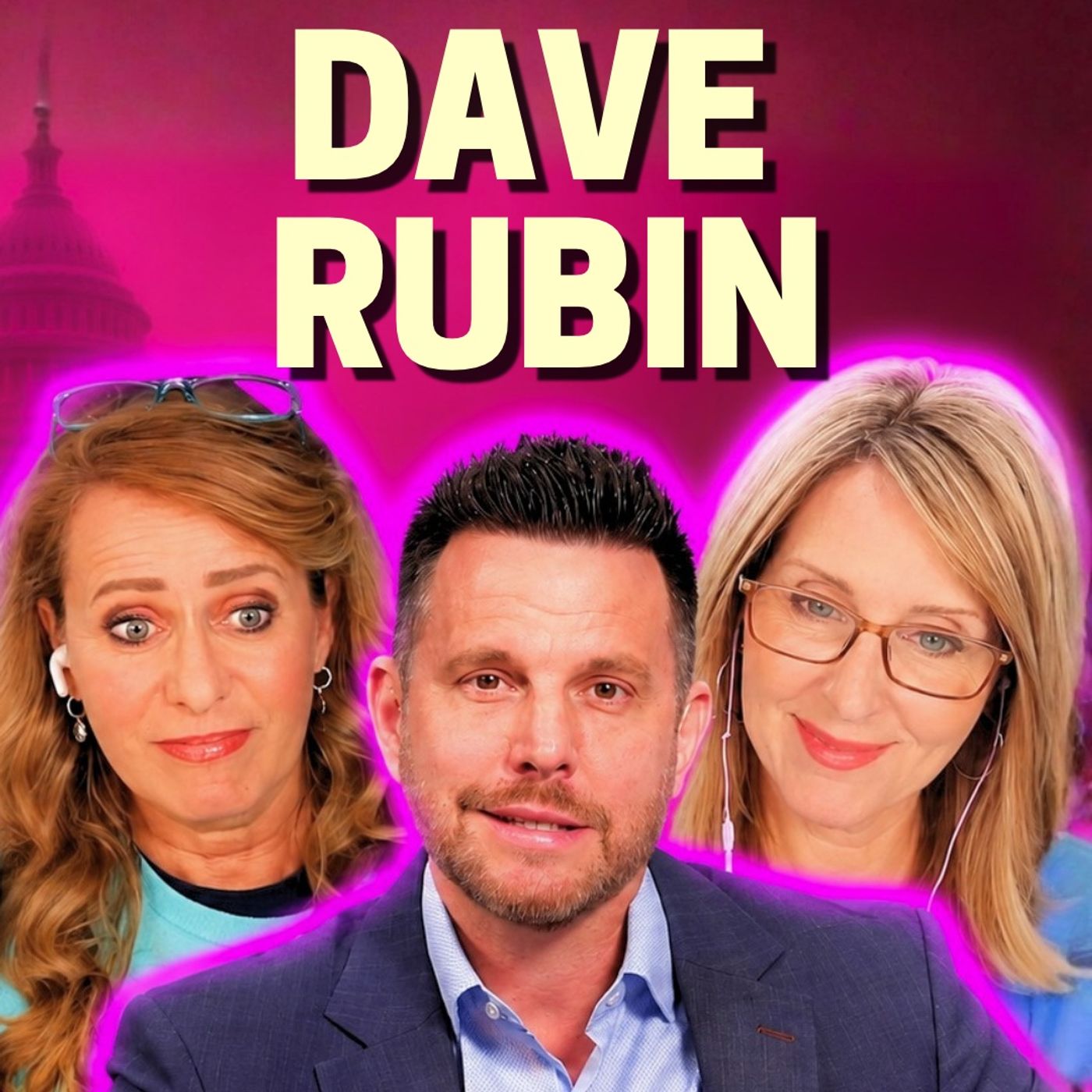
Is the Republican Party heading for a major reckoning in 2028? Dave Rubin joins The Chicks on the Right for a brutally honest conversation about Trump's final two years, the future of the GOP, and the growing divisions threatening conservatives. Dave weighs in on the Republican Party's recent election losses, whether JD Vance, Marco Rubio, or Ron DeSantis can carry Trump's agenda forward, and why he's increasingly concerned about the political direction of America. The conversation heats up as Dave takes on Nick Fuentes, the rise of extremist voices on the right, and the socialist movement gaining influence within the Democratic Party. He also discusses radical Islamism, antisemitism, the dangers of online outrage, and why he believes Western civilization faces serious challenges. Plus, with cyberattacks, banking disruptions, and nationwide outages raising concerns, Dave shares his thoughts on whether Americans should be preparing for more chaos. And don't miss the lighter side of Dave
The position of Surgeon General remains vacant, a federal court struck down vaccine overhauls (for now), and anger from ‘Make America Healthy Again’ activists has some wondering whether Health and Human Services Secretary Robert F. Kennedy Jr. has lost his grip on the movement that helped propel President Donald Trump back to the White House. We hear from one activist — outraged by an executive order about weedkiller — who says some voters “will not be coming back.” Plus, what’s going on with all the whole hype videos? --- Guests: Kelly Ryerson, ‘Glyphosate Girl’ & Sarah Owermohle, CNN Health Policy Reporter Host/Producer: David Rind Producer: Paola Ortiz Showrunner: Felicia Patinkin
For review: 1. Iraq has reached a compromise with the powerful Iran-backed militia Kataeb Hezbollah, three senior security officials said, after Prime Minister Ali al-Zaidi readied security forces to move against the group. Reflecting the gravity of the situation, Iraqi Shiite political sources said Esmail Qaani, commander of Iran’s elite Revolutionary Guards’ Quds Force, arrived in Baghdad late on Monday to help defuse tensions with Kataeb Hezbollah, Tehran’s most powerful militia ally in Iraq. 2. Lebanese President Joseph Aoun launched a lengthy rebuke of Iran in an Independence Day address, arguing that the Islamic Republic does not have the right to interfere in Lebanon’s internal affairs, as it long has via support for its local terror proxy, Hezbollah. 3. Yemen’s Houthis launched strikes on the Saudi capital Riyadh on Saturday, after vowing reprisals for a “special operation” by the Saudi-led coalition fighting them. The coalition later said it had “intercepted and destroyed” thr
Can artificial intelligence replace the voices of rock’s greatest singers? And if it can, what happens to the musicians who spent decades developing those unmistakable sounds? On this episode of CHRIS AKIN PRESENTS, Chris welcomes Danny Vaughn of TYKETTO for a revealing conversation about the band’s latest release, CLOSER TO THE SUN, the changing music industry, and the growing influence of AI-generated music. Get Tyketto's CLOSER TO THE SUN on Vinyl while supplies last! https://link.amazon/B0c4HJfbA Danny doesn’t hold back when discussing artificial intelligence. From computer-generated singers that sound eerily similar to established rock vocalists to technology that can imitate an artist’s unique phrasing, he raises serious questions about where creativity ends and exploitation begins. Could AI eventually produce new AC/DC albums without AC/DC? And who should profit when technology recreates a musician’s signature sound? But there’s much more to this interview than AI. Danny takes u
A Conservative MP calls out a reporter for asking questions about Pierre Poilievre's leadership instead of focusing on the issues Canadians care about. Meanwhile, International Trade Minister Dominic LeBlanc provides an update on trade negotiations with the United States and warns Canadians they must be prepared for some level of tariffs going forward. Also today: Hear highlights from President Trump's remarks directed at China and Russia, plus Auston Matthews and head coach Jim Hiller speak to the media following the Maple Leafs' eighth consecutive loss. It's also Listener DM's Friday! Today's messages cover emergency preparedness, potential cyberattacks, Ontario's health care system, Canada's housing crisis, job losses, skilled trades shortages, political bias in artificial intelligence, the federal budget vote and much more. One listener shares a powerful personal story about suffering a stroke at just 31 years old, while another raises an important question about how an entire gene
President Trump says there is no need to panic buy as he answers reporters' questions surrounding his meetings with Vladimir Putin and Xi Jinping. Also hear from Elon Musk as he discusses Tesla's new Model Y and explains his decisions surrounding the Ukrainian military's use of Starlink. Prime Minister Mark Carney answers questions on a New York Times podcast about where Canada stands on trade and negotiations with the United States. Parliamentary Budget Officer Annette Ryan also delivers some concerning analysis of the new federal budget and Canada's finances. Ontario Premier Doug Ford brushes off a question about potentially running for the federal Conservative leadership, while Pierre Poilievre presses the immigration minister on the number of permanent residents Canada will welcome next year and questions the finance minister about how much Canadian taxpayer money is being sent to Brazil for forest projects. Also today: Caitlin Clark debuts her amazing new Nike signature shoe. This
Could a massive cyberattack bring down North America's power grid? President Donald Trump and Vice President JD Vance weigh in on growing concerns about cyber threats. Are the warnings justified, or is the fear being overblown? Hear their comments and decide for yourself. Trump also addresses the NVIDIA controversy, reported infighting within his cabinet, threats from Iran, and much more. In Canada, Unifor's Lana Payne argues that Ottawa could stop the sale of the Stellantis plant in Brampton and warns that defence manufacturing cannot simply replace Canada's auto industry. The Canadian Construction Association says employers are struggling to find Canadians willing to work in the skilled trades. Pierre Poilievre questions federal spending on forestry projects in Brazil, while Canada's housing minister considers partially lifting the foreign homebuyers ban. Also today: New questions surrounding Jeffrey Epstein's death following an investigation challenging the official suicide ruling,
Public bodies should publish the evidence behind important decisions.
Share your view, then see how readers voted. No sign-in required. This poll is shared across stories.
Do you agree or disagree?
Common Quandary
A Common Quandary to discuss
Another conversation to explore, separate from this news story.
Your anonymous gift could inspire millions more if you reveal your name. Do you?
A donor wants to make a transformative gift without recognition. The charity believes announcing the gift and the donor's identity would encourage matching contributions and help far more people.
Can the opportunity to create more good outweigh a preference for privacy?